

A Fragile Succession: Has Turtle Rock Finally Escaped the Shadow of Left 4 Dead?
Developer: Turtle Rock Studios | Publisher: Warner Bros. Games | Platforms: PC, PS5, Xbox Series X/S, PS4, Xbox One | Price: £49.99
The Weight of Expectation: Main Facts
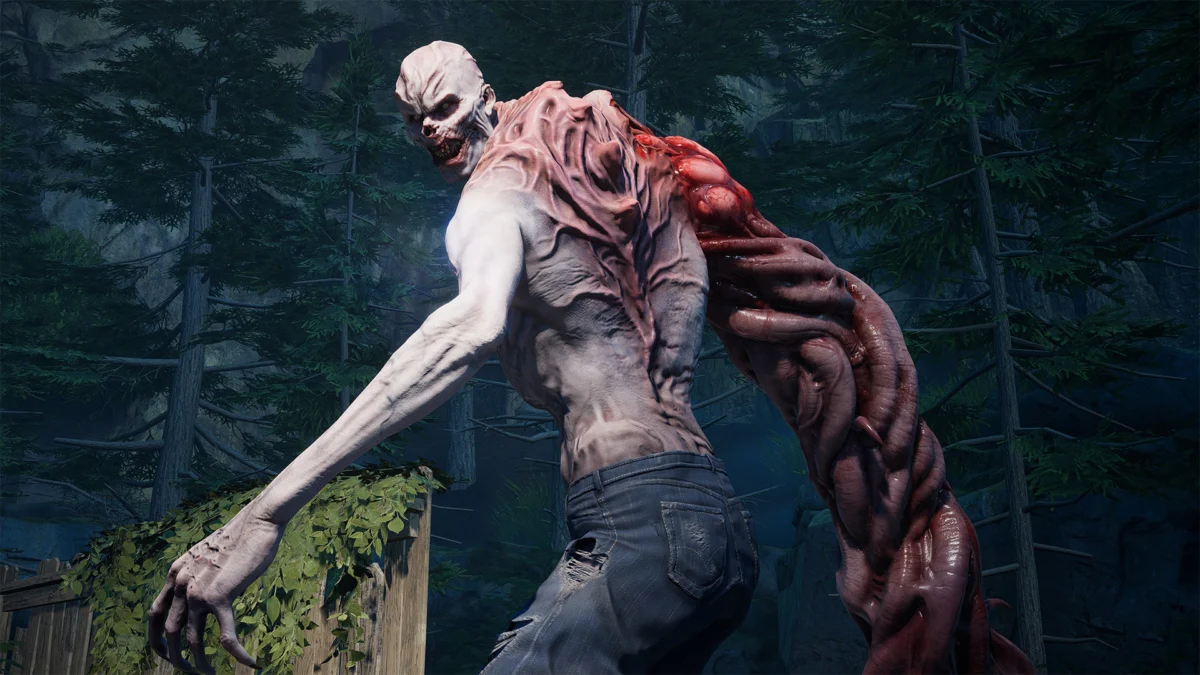
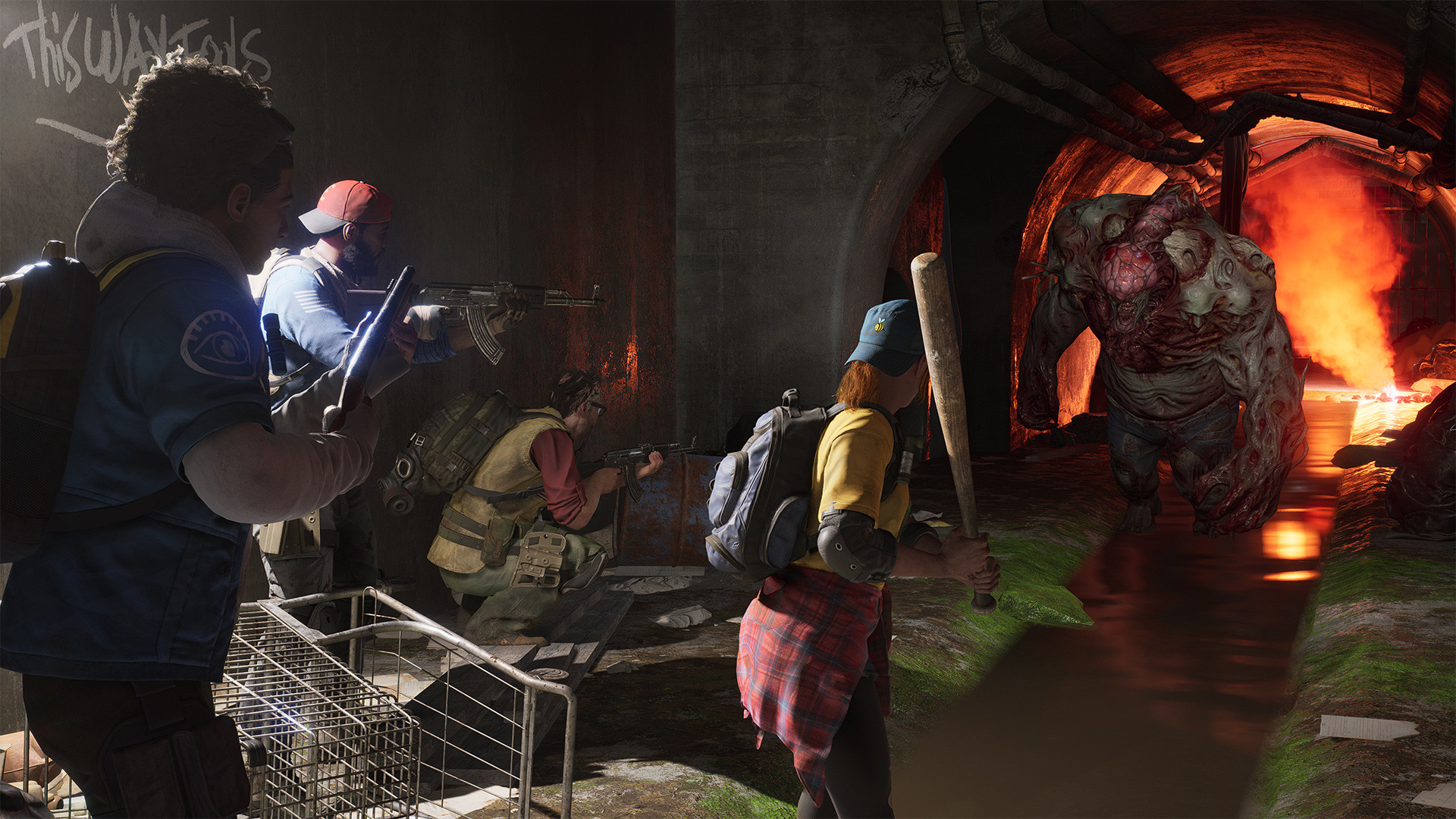
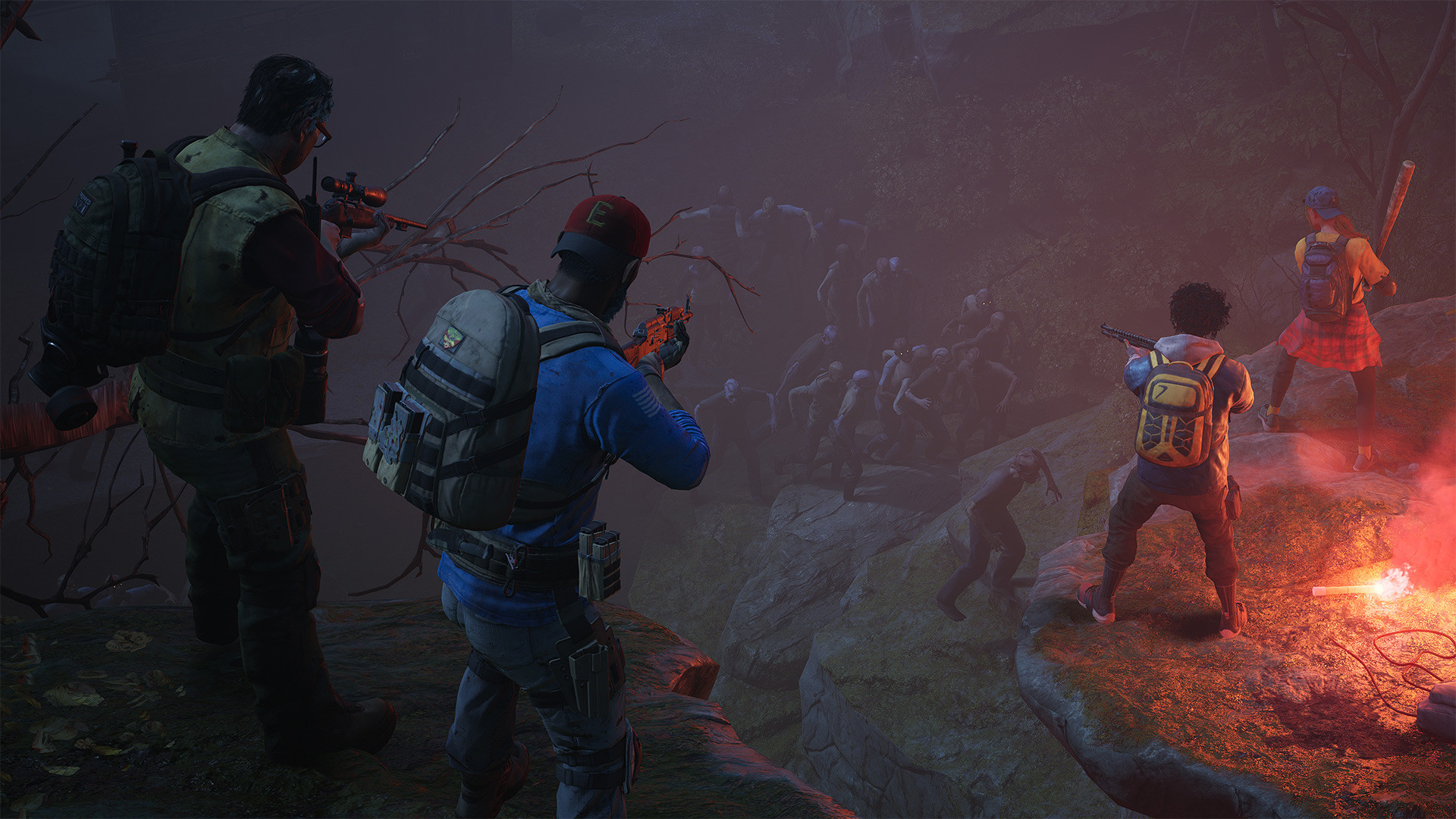
When Turtle Rock Studios announced Back 4 Blood, the gaming community held its breath. As the spiritual successor to the legendary Left 4 Dead, the title carried the burden of high expectations. Back 4 Blood is a cooperative, first-person shooter that tasks four players—known as "Cleaners"—with surviving a world overrun by "The Ridden," a parasitic infestation that has brought civilization to its knees.
Priced at £49.99, the game presents a significant departure from its predecessor’s minimalist roots. While Left 4 Dead was a masterclass in brevity and focus, Back 4 Blood is a sprawling, feature-rich experience. It introduces complex weapon attachment systems, a deep character-class hierarchy, and a controversial deck-building mechanic that adds a layer of rogue-lite strategy to the traditional "zombie shooter" formula. Available across all major platforms, the game seeks to modernize the cooperative genre for a new generation of players accustomed to live-service progression and intricate meta-game systems.
A Chronology of Confusion: The First Hours
Initial impressions of Back 4 Blood are, to put it mildly, overwhelming. For veterans of the original Left 4 Dead, the opening hours of Back 4 Blood feel like a jarring transition from a quiet room into the sensory overload of a carnival.
The first two hours are defined by a steep learning curve. Players are bombarded with terminology: "Corruption Cards," "Supply Lines," "Copper," and "Attachment Tiers." In Left 4 Dead, the gameplay loop was intuitive: pick up a weapon, shoot, move, survive. In Back 4 Blood, the player is forced to navigate menus, build decks, and manage currencies before even firing a shot. This design choice risks alienating the very audience that championed Turtle Rock’s previous work. The initial campaign levels, while functional, lack the distinct visual identity and grit that made the original games so iconic. The murky, indistinct environments and a roster of Cleaners who initially feel less connected than their predecessors contribute to a slow, somewhat uninspired start.
Supporting Data: Mechanics and Depth
Despite the rocky introduction, Back 4 Blood begins to reveal its tactical heart once the player moves past the tutorials and into the meat of the four major Acts.
The Combat Loop
The core gunplay is, unequivocally, the game’s strongest asset. The weapon feedback is visceral, with heavy pistols like the Desert Eagle and the Magnum offering a satisfying "kick" that makes dispatching Ridden feel impactful. The developers have successfully implemented a tiered ammo system that forces teams to communicate and share resources, a small but effective tweak that elevates the importance of teamwork beyond mere proximity.
The Deck-Building System
The most significant innovation is the card system. Players construct decks before missions, which determine passive and active buffs throughout the campaign. This system transforms the game from a test of pure twitch reflexes into a nuanced RPG-lite experience.
- Tank Builds: Combining melee bonuses with lifesteal cards creates a front-line bruiser.
- Support Builds: Prioritizing health regeneration and damage resistance for allies turns a player into a vital field medic.
- Specialized Scaling: As the Acts progress, the "Corruption Cards" (controlled by the AI Director) introduce environmental hazards like fog or swarms of birds, forcing players to adapt their strategies dynamically.
Official Responses and Design Philosophy
Turtle Rock Studios has maintained that the added complexity is necessary to sustain player interest over long-term play sessions. In various developer insights, the team has emphasized that Back 4 Blood is designed to be an "evolving" experience.
The developer’s logic is clear: by introducing persistent progression through Supply Lines and deck building, they hope to avoid the "one and done" nature of shorter campaign games. While this provides a deeper sense of character progression, it creates a pacing issue. Each of the four Acts takes approximately 5–6 hours to complete. For a casual player, this can feel like a slog. The designers have clearly prioritized a "marathon" experience over a "sprint," betting that the reward of unlocking more powerful cards will outweigh the frustration of the extended runtime.
Implications: The Cooperative Experience
The transition from a four-player focus to a scalable AI-driven system has significant implications for how the game is played.
The Scaling Dilemma
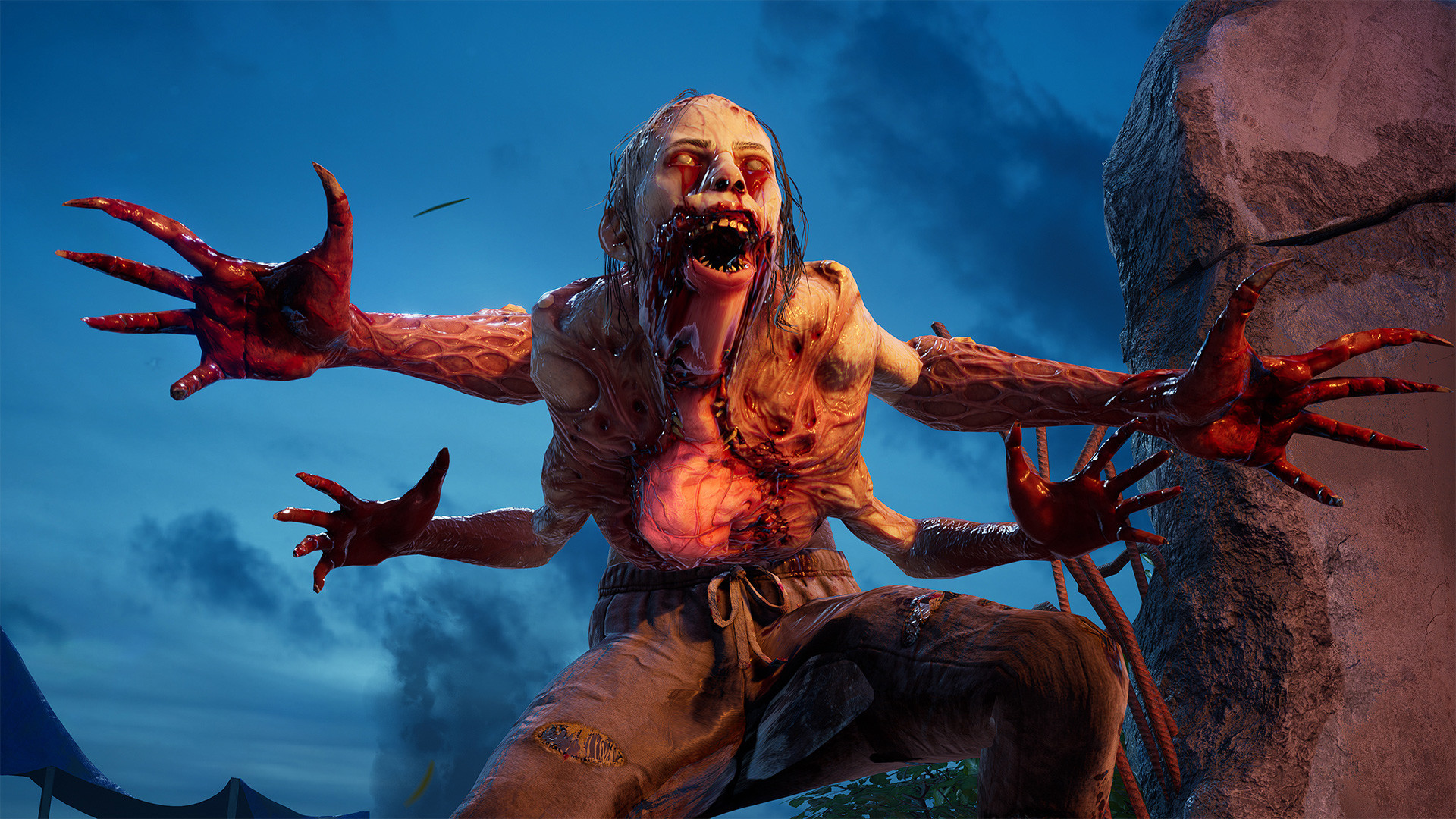
- Four-Player Chaos: At its intended maximum capacity, the game becomes an intense, often overwhelming flurry of action. The sheer volume of "Special Ridden"—mutated, high-threat enemies—can make higher difficulties feel punishingly chaotic.
- The Solo Experience: Conversely, playing with AI bots is currently a vastly different experience. The AI, unlike the often-baffling companions of the mid-2000s, is highly competent. In many instances, the bots are more reliable than human players, leading to a game that is significantly easier in single-player mode than in full-squad co-op.
- The Sweet Spot: The consensus among early adopters is that the game is at its best with two human players and two bots. This balance allows for communication and strategy without the visual and mechanical clutter that occurs when four players are scrambling to manage their decks and objectives simultaneously.
Conclusion: A Worthy Successor?
Back 4 Blood is not a perfect game. It suffers from a cluttered interface, an over-reliance on modern gaming trends, and pacing that occasionally feels like a chore. However, to dismiss it as a failure would be a disservice to the progress Turtle Rock has made.
As the game settles into its rhythm, the "bells and whistles" that initially seemed like a distraction reveal themselves to be the pillars of a deeply strategic experience. Once the player moves past the initial confusion and begins to craft specialized builds, the game transforms. It is a more thoughtful, tactical successor to Left 4 Dead that rewards experimentation and careful planning.
While it lacks the immediate, singular charm of its predecessor, Back 4 Blood carves out its own identity. It is a game that asks for your patience, and for those willing to engage with its complex systems, it offers a rewarding, albeit imperfect, cooperative journey. It is not the Left 4 Dead 3 that many fans dreamt of, but it is, in its own right, a compelling evolution of the genre that keeps the spirit of four-player survival horror alive in a modern landscape.












No comments yet. Be the first to join the conversation!