Rifan Muazin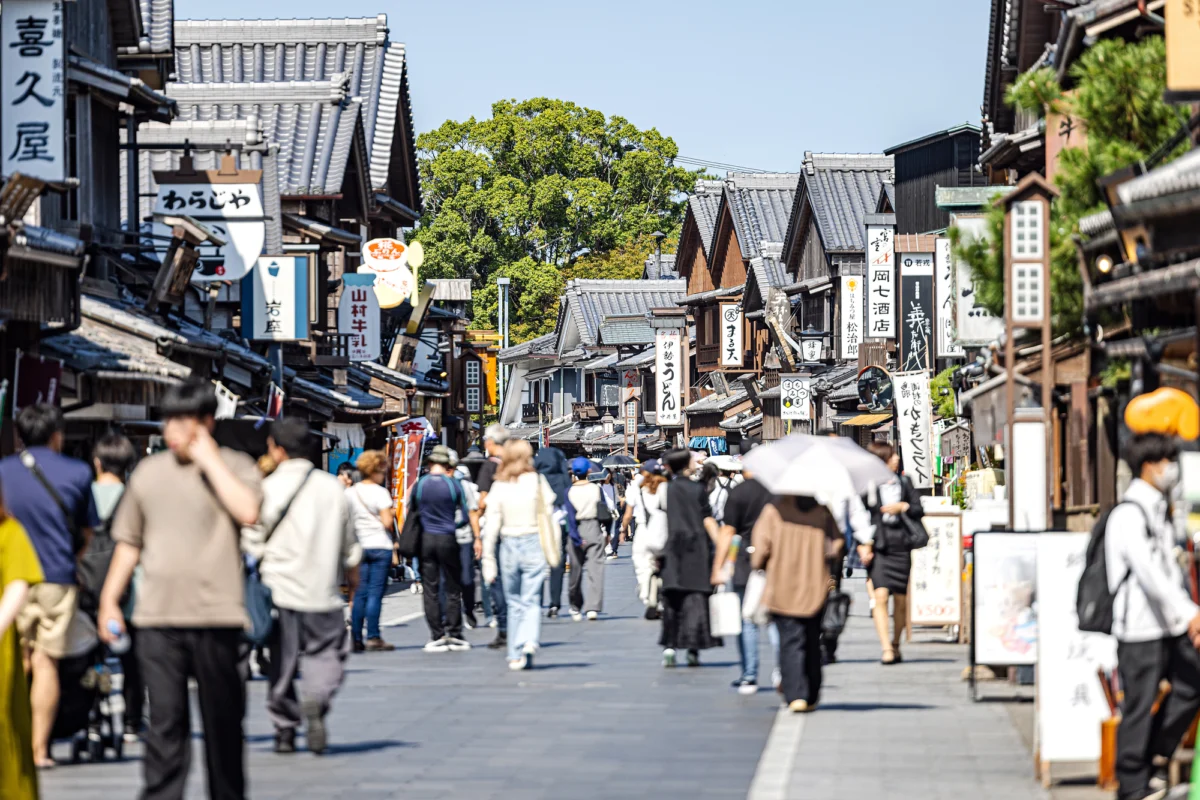
For years, the narrative surrounding Japanese tourism has been one of unmitigated success. Post-pandemic, the country has shattered arrival records with a consistency that often dominates domestic news cycles. Yet, beneath the surface of these soaring statistics lies a deeply fractured reality: while some regions struggle to manage the sheer volume of visitors, others remain largely untouched by the economic benefits of the inbound boom.
A comprehensive analysis recently conducted by Tokyo Shimbun in partnership with Kyodo News has shed new light on the geography of this phenomenon. The data reveals a striking concentration of tourism, challenging the notion that "overtourism" is a nationwide crisis. Instead, it is a highly localized issue that threatens the livability of specific hubs while leaving the majority of the archipelago’s prefectures largely ignored by the global travel market.
The Geography of Concentration
The analysis, utilizing real-time location data from the "Beacon Bank for Inbound" service, tracked the movements of foreign visitors across Japan. The findings were stark: out of the top 100 most popular hotspots for international tourists, 72 are concentrated in just seven prefectures.
Kyoto, the historic heart of Japan, leads the list with 17 top-tier locations. Hokkaido follows closely with 16, while Kanagawa—driven largely by the immense popularity of the Hakone hot-springs district—accounts for 11. Yamanashi, Osaka, Okinawa, and Tokyo round out the top tier, each hosting between six and eight of the country’s most visited spots.
Conversely, the data reveals a "tourism desert" for many regions; 25 prefectures do not have a single destination represented in the top 100 list. This lopsided distribution explains why, for the average resident in rural Japan, the "overtourism crisis" described by international media feels like a distant problem, while for those in Gion or Niseko, it is an urgent, daily struggle.
The Cost of Popularity: A Chronology of Crisis
The surge in tourism has not been without its casualties. The trajectory of this issue can be traced through several key milestones that have forced local governments into reactive, often drastic, policy changes.
2023: The Niseko Precedent
The Niseko resort area in Hokkaido has long served as the canary in the coal mine for Japanese overtourism. Faced with uncontrolled development and a foreign-visitor influx that overwhelmed local infrastructure, Kutchan Town took the bold step of introducing a "total volume regulation" (sōryō kisei) on development in October 2023. It was one of the first explicit acknowledgments that the "growth at any cost" model of the early 2010s was no longer sustainable.
2024-2025: The Infrastructure Breaking Point
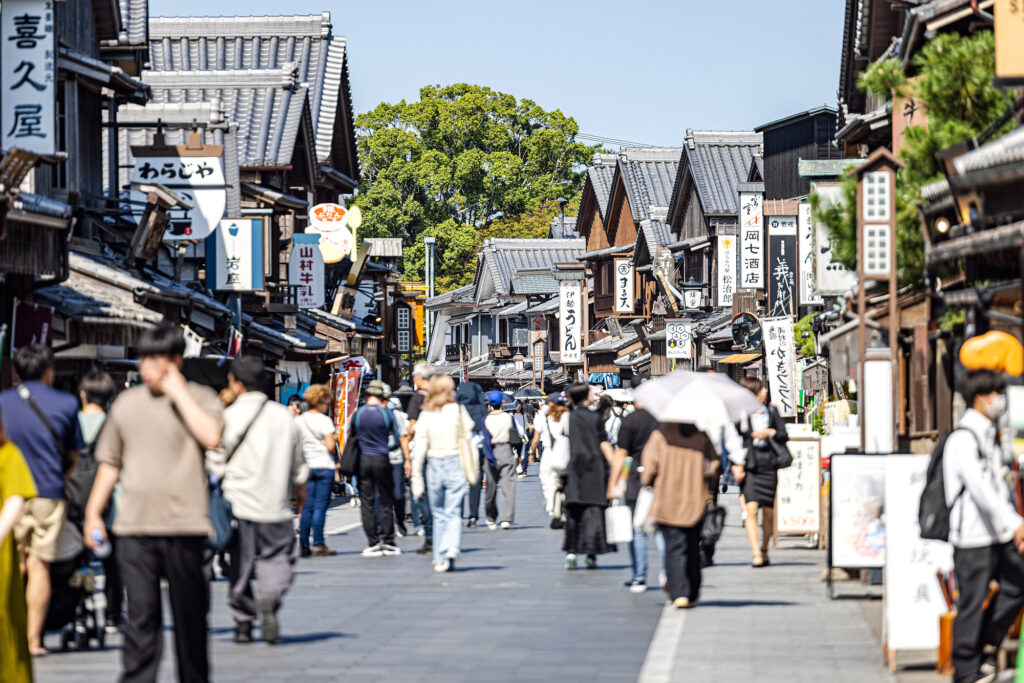
The winter season of 2024-2025 saw the consequences of this concentration reach a fever pitch. In the picturesque town of Obanazawa, Yamagata, the famous Ginzan Onsen district hosted 330,000 visitors—a figure 22 times the local population. The result was near-gridlock, with emergency vehicles unable to access residential areas and constant, often hostile, friction between locals and visitors at prime photo spots.
2026: A Shift in Governance
By the first quarter of 2026, the situation prompted a formal reassessment of the national tourism strategy. The conclusion of pilot programs—such as the park-and-ride scheme in Obanazawa—marked a turning point where local municipalities began prioritizing the "quality of resident life" over the sheer quantity of visitors.
Supporting Data: The 70% Divide
The Japan National Tourism Organization (JNTO) corroborated the Tokyo Shimbun findings with a 2025 survey on overnight stays. The statistics are sobering for those advocating for regional dispersal: the top five prefectures (Tokyo, Osaka, Kyoto, Hokkaido, and Okinawa) accounted for 69.7% of all foreign overnight stays.
In contrast, 31 prefectures—more than half of the country—each accounted for less than 1% of foreign stays. This data highlights the massive disparity between the "Golden Route" (the traditional path of Tokyo, Kyoto, and Osaka) and the rest of the nation. The reliance on this narrow strip of land for tourism revenue creates a "funnel effect," where the economic benefits are trapped in urban centers while the environmental and social costs are amplified by the extreme density of visitors.
Official Responses and Strategic Pivots
The response from the central government and industry bodies has been a mix of ambitious goal-setting and a newfound focus on "dispersal."
The Japan Association of Travel Agents (JATA), in its June 2025 submission to the government, explicitly called for a paradigm shift, urging for the promotion of "regional dispersal." They argue that the only way to alleviate pressure on the Golden Route is to incentivize travel to the country’s less-visited corners.
The Fifth National Tourism Promotion Basic Plan, enacted in March 2026, reflects this new priority. While the government maintains its high-level goal of 60 million annual inbound visitors by 2030, the underlying metrics have shifted. The plan has introduced a target of 40 million repeat visitors, with a specific focus on directing them to regional areas, aiming for 130 million regional-area overnight stays.
Most significantly, the government has more than doubled the number of target regions—from 47 to 100—that are receiving support to "balance strategic visitor attraction with the quality of resident life." This represents a fundamental change in policy: the government is no longer just selling "Japan" as a monolith, but is actively trying to curate the visitor experience to preserve the cultural assets that tourists are coming to see in the first place.
The Rise of Tactical Restrictions
As the national plan takes shape, local municipalities are not waiting for central intervention. They are implementing a variety of tactical measures to reclaim their public spaces:
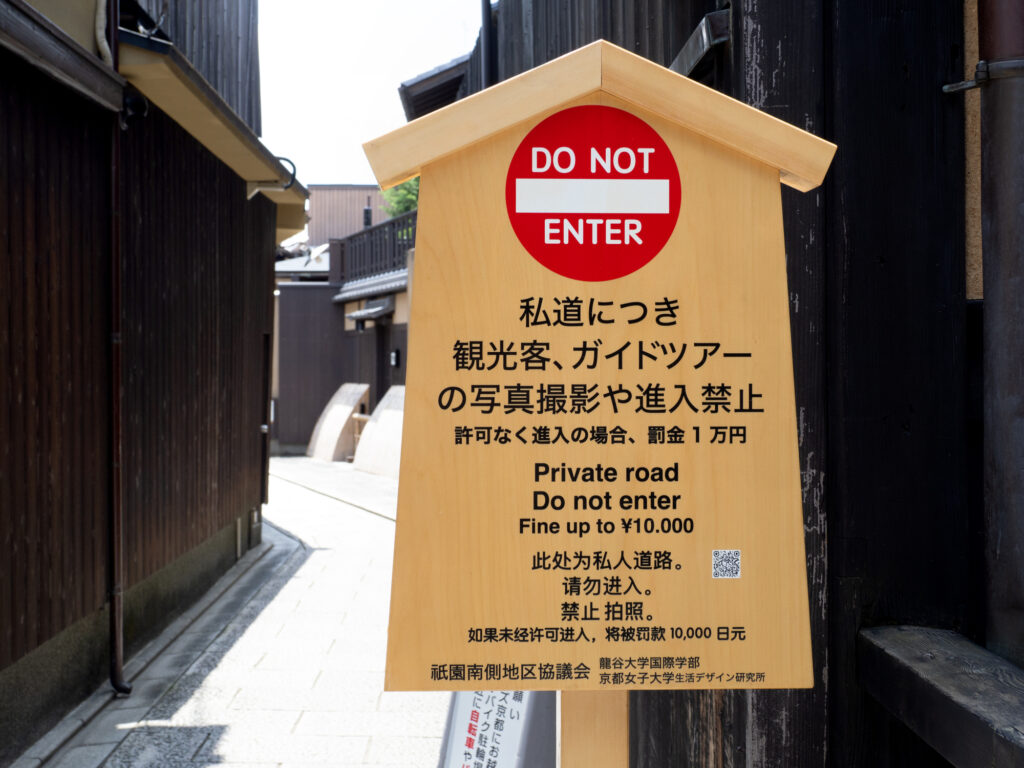
- Dual-Pricing Systems: Following the lead of sites like Himeji Castle, many historic venues are now charging higher entry fees for foreign tourists. This serves both to offset the costs of maintaining these sites under the weight of mass tourism and to act as a soft deterrent against overcrowding.
- Development Caps: As seen in Niseko, regions are increasingly willing to say "no" to new hotels or short-term rental developments that threaten the local character or exceed the carrying capacity of the town’s water and sewage systems.
- Access Management: The park-and-ride pilot in Ginzan Onsen is a blueprint for the future. By restricting private vehicle access, towns can force a more controlled, sustainable flow of visitors that prevents gridlock and preserves the atmosphere of historic districts.
The Case for the "Unseen" Japan
The irony of the current tourism crisis is that Japan is a geographically diverse nation with profound cultural depth outside the main hubs. For the traveler willing to step off the Golden Route, the rewards are often higher.
The Hokuriku region, for example, offers a glimpse into a Japan that remains largely authentic. In Niigata, visitors can explore a prefecture renowned for the world’s best sake, with the convenience of sake vending machines in major stations, and landscapes that rival the more crowded spots in Hokkaido. Fukui, home to Maruoka Castle—one of the few remaining original, pre-modern wooden keeps—provides a historical experience without the crushing queues of Kyoto’s Kiyomizu-dera.
Similarly, Shimane Prefecture, home to the Izumo Taisha Grand Shrine, and the island of Shikoku offer geological wonders and spiritual depth that are largely ignored by the mass-market travel industry. These areas are not just "alternatives"; they are the primary Japan that many travelers claim to be searching for but fail to find because they follow the same path as every other tourist.
Implications for the Future
The path forward for Japan is complex. The government’s goal of 60 million tourists is aggressive, and if achieved, it will require a massive transformation in how the country handles logistics. Relying on the same historical cities to absorb all the growth is a recipe for social unrest and the degradation of the very culture the tourists are visiting to experience.
The future of Japanese tourism lies in the "middle tier" of its cities—places like Fukuoka, Kanazawa, and Morioka—that possess the infrastructure to handle visitors but currently lack the global marketing push to compete with the giants.
For the government, the challenge is twofold: they must continue to invest in the high-speed rail network and digital infrastructure to make these "off-the-beaten-path" destinations accessible, while simultaneously empowering local communities to protect their heritage.
Ultimately, the goal is to shift the narrative from "overtourism" to "managed tourism." If Japan can successfully distribute its visitors more evenly, it will not only ensure the long-term viability of its tourism industry but also protect the quiet, daily life of its residents—which, for many, is the country’s most valuable, and most fragile, asset. The challenge is immense, but as local authorities begin to assert their right to define the terms of their own development, there is a clear path toward a more sustainable, and ultimately more rewarding, future for both the host and the traveler.


 Neng Nana
 Asro
Asro