

New Update Confirms Shift Away from PC Releases for Narrative-Driven Titles, Potentially Reshaping the Landscape of Gaming Accessibility
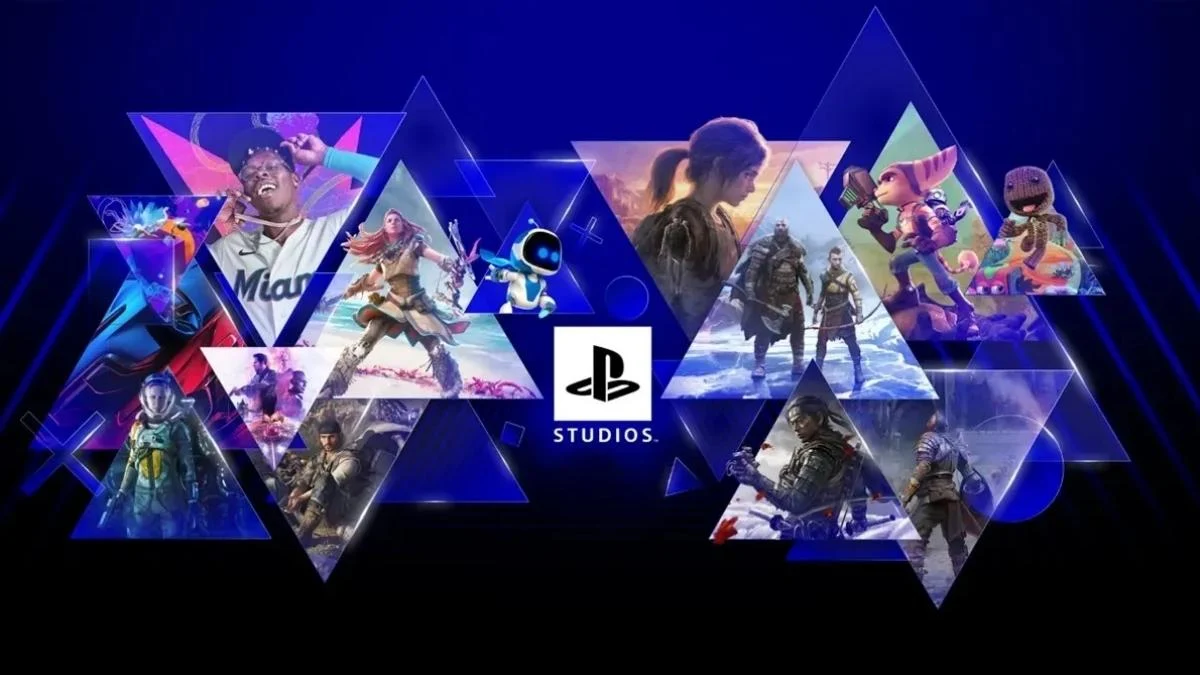
New York, NY – March 7, 2026 – Sony Interactive Entertainment (SIE) has officially confirmed a significant shift in its strategy for bringing PlayStation 5 games to the PC platform, effectively closing the door on future single-player exclusives making their way to non-console hardware. The decision, revealed in an internal town hall meeting with PlayStation studio business CEO Hermen Hulst, aligns with and validates recent industry speculation that has been circulating for months. This pivot signals a renewed commitment to the PlayStation console as the primary home for its flagship narrative-driven experiences, potentially impacting the accessibility of highly anticipated titles for PC gamers.
While multiplayer-focused games and live-service titles like the upcoming Marathon and Marvel Tokon: Fighting Souls are slated to continue their release on PC, the future of critically acclaimed single-player sagas, including franchises like Marvel’s Spider-Man and upcoming titles such as Ghost of Yotei, will be firmly rooted on PlayStation consoles. This strategic recalibration comes after a period of experimentation by SIE, where a select number of its most beloved PlayStation titles were gradually ported to PC. However, recent performance data and the company’s evolving vision appear to have led to this decisive move.
The Evolution of PlayStation’s PC Presence: A Brief Chronology
For years, the question of whether PlayStation’s acclaimed first-party titles would ever grace the PC platform remained a persistent point of discussion among gamers. Initially, the idea was met with skepticism, as Sony had historically maintained a staunch stance on its exclusive titles. However, a gradual thawing began in the late 2010s with the PC release of Horizon Zero Dawn, followed by other significant titles such as Days Gone, God of War (2018), Marvel’s Spider-Man Remastered, and Marvel’s Spider-Man: Miles Morales. These ports were generally well-received by PC audiences, offering a new avenue for players to experience these celebrated games.
The success of these initial ports fueled optimism for a continued expansion of PlayStation’s PC library. However, the narrative began to shift earlier this year, around February 2026, when reports emerged suggesting that SIE was reconsidering its approach to PC releases. These rumors indicated a potential scaling back of PC ports, particularly for games that had a strong emphasis on single-player, narrative-driven experiences. At the time, the exact reasons behind this potential shift were unclear, but industry analysts speculated about a variety of factors, including market performance and strategic alignment.
The confirmation from Hermen Hulst in a recent internal town hall meeting, as reported by Bloomberg, has now solidified these rumors into a definitive policy change. This move marks a significant departure from the more open approach SIE had adopted in recent years, suggesting a strategic decision to double down on console exclusivity for its most prized intellectual properties.
The Data Behind the Decision: Examining PC Sales Performance
While SIE has not publicly released specific sales figures for its PC ports, industry analysis and anecdotal evidence suggest that the performance may not have met the company’s expectations. The games that have made the transition to PC, while critically acclaimed on PlayStation, have reportedly not achieved the same level of commercial success as their console counterparts. This underperformance could be attributed to several factors, including a highly competitive PC gaming market, a potentially smaller addressable audience for these specific titles on PC compared to their console launch, or a reluctance among some PC gamers to purchase games at premium prices that were previously available on their PlayStation consoles.
Furthermore, it’s plausible that SIE is concerned about the potential for PC releases to dilute the perceived value and exclusivity of its console ecosystem. By limiting the availability of its most compelling single-player games to the PlayStation platform, Sony aims to reinforce the PlayStation 5 as the definitive destination for these experiences. This strategy could, in turn, bolster hardware sales and encourage players to invest in the PlayStation ecosystem for the long term. The decision to maintain PC releases for multiplayer and live-service games, which often benefit from a broader player base and ongoing engagement, suggests a nuanced approach that differentiates between game types and their potential for success on different platforms.
Official Statements and Internal Communications
The confirmation of this strategic shift comes directly from internal communications within Sony Interactive Entertainment. Hermen Hulst, in addressing staff at a recent town hall, articulated the new direction. While the exact wording of his address has not been made public, the essence of the message, as reported by Bloomberg, is that single-player games developed by PlayStation studios will no longer be released on PC. This directive appears to be clear and intended for immediate implementation.
It is important to note that employees present at the town hall were reportedly cautioned that such strategic decisions are not always set in stone and could be subject to change in the future. This caveat suggests that while the current policy is firm, SIE remains open to re-evaluating its approach based on evolving market conditions and technological advancements. However, for the foreseeable future, PC gamers hoping for new, narrative-rich PlayStation exclusives will likely be disappointed.
The games that are currently in the pipeline or have recently been released for PC are expected to be the last of their kind. Reports indicate that Death Stranding 2 and the upcoming Kena: Scares of Kosmora are slated to be the final single-player titles to make their way to PC. This effectively marks the end of an era for SIE’s PC porting strategy, signaling a definitive return to a more traditional console-exclusive model for its most impactful narrative experiences.
Implications for the Gaming Landscape and Future of Exclusivity
This strategic realignment by Sony Interactive Entertainment carries significant implications for the broader gaming landscape and the ongoing debate surrounding platform exclusivity.
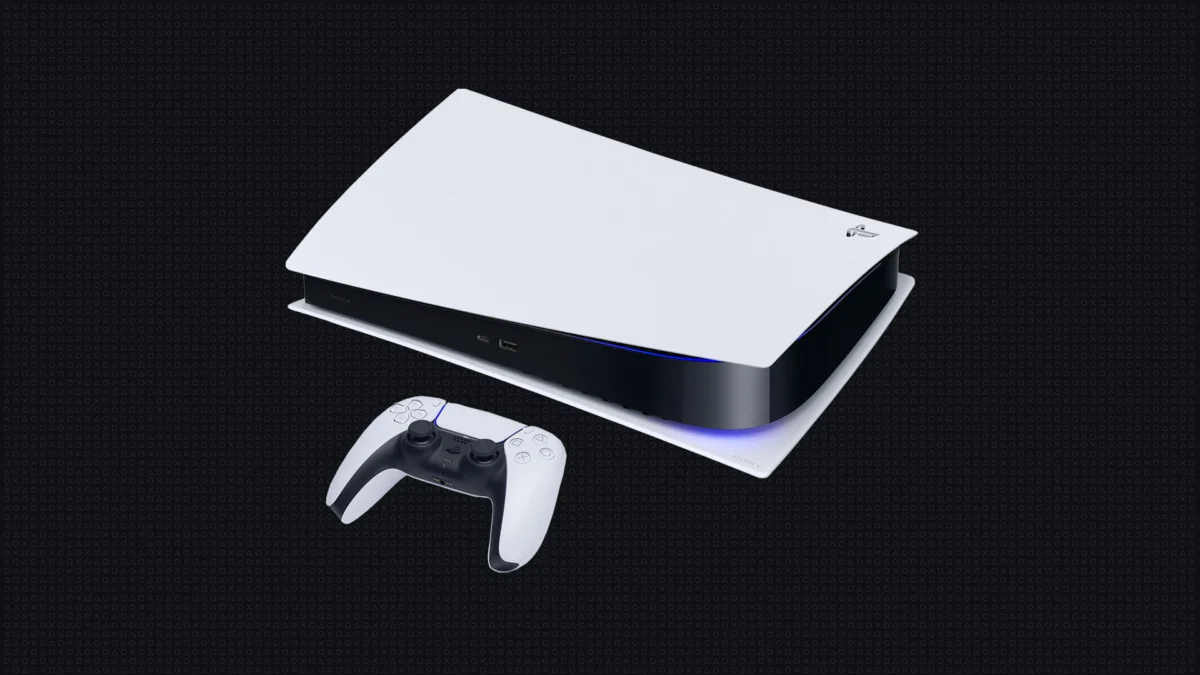
Reinforced Console Ecosystem: The most immediate impact will be the reinforcement of the PlayStation 5’s value proposition. By withholding its most compelling single-player games, SIE is clearly signaling that the console remains the ultimate platform for experiencing these meticulously crafted narratives. This could lead to increased console sales and a stronger, more cohesive PlayStation ecosystem. For players who have invested in the PlayStation hardware, this news will likely be met with approval, as it guarantees access to a rich library of exclusive content.
Disappointment for PC Gamers: Conversely, this decision is undoubtedly a blow to PC gamers who have come to appreciate the availability of PlayStation’s critically acclaimed titles on their preferred platform. The ability to play these games with potentially enhanced graphics, higher frame rates, and the flexibility of PC peripherals was a significant draw. The expectation of future single-player exclusives arriving on PC will now be extinguished, forcing many to reconsider their gaming hardware choices if they wish to experience these titles.
Shifting Sands of Exclusivity: This move also contributes to the ongoing, dynamic nature of platform exclusivity. While the industry has seen a trend towards greater cross-platform availability in recent years, Sony’s decision represents a counter-movement, emphasizing the enduring power of console exclusives. This could inspire other platform holders to re-evaluate their own strategies, potentially leading to a more segmented gaming market where certain types of experiences are inherently tied to specific hardware.
Impact on Game Development and Marketing: The focus on console exclusivity for single-player games may also influence how PlayStation studios approach game development and marketing. Resources and creative energies could be more intensely focused on delivering experiences that are optimized and best enjoyed on PlayStation hardware. Marketing campaigns will likely emphasize the unique advantages of playing these titles on a PlayStation console, further solidifying the platform’s identity.
The Future of PC Gaming: While this decision may seem like a setback for PC gamers, it’s important to remember that the PC platform remains a vibrant and diverse ecosystem. Multiplayer titles, indie games, and a vast array of genres will continue to thrive. Furthermore, this shift could inadvertently encourage greater innovation and the development of unique PC-centric experiences as developers seek to fill the void left by the absence of PlayStation’s flagship single-player games.
In conclusion, Sony Interactive Entertainment’s confirmed pivot away from releasing single-player PlayStation 5 games on PC marks a significant strategic decision with far-reaching consequences. While it solidifies the console’s position as the exclusive home for its most cherished narrative experiences, it also presents a challenge for PC gamers who have come to enjoy the expanding library of PlayStation titles. As the industry continues to evolve, this move underscores the enduring significance of platform exclusivity and its role in shaping the future of gaming. The coming years will undoubtedly reveal the full impact of this strategic recalibration on both Sony’s business and the broader gaming community.









No comments yet. Be the first to join the conversation!