Muslim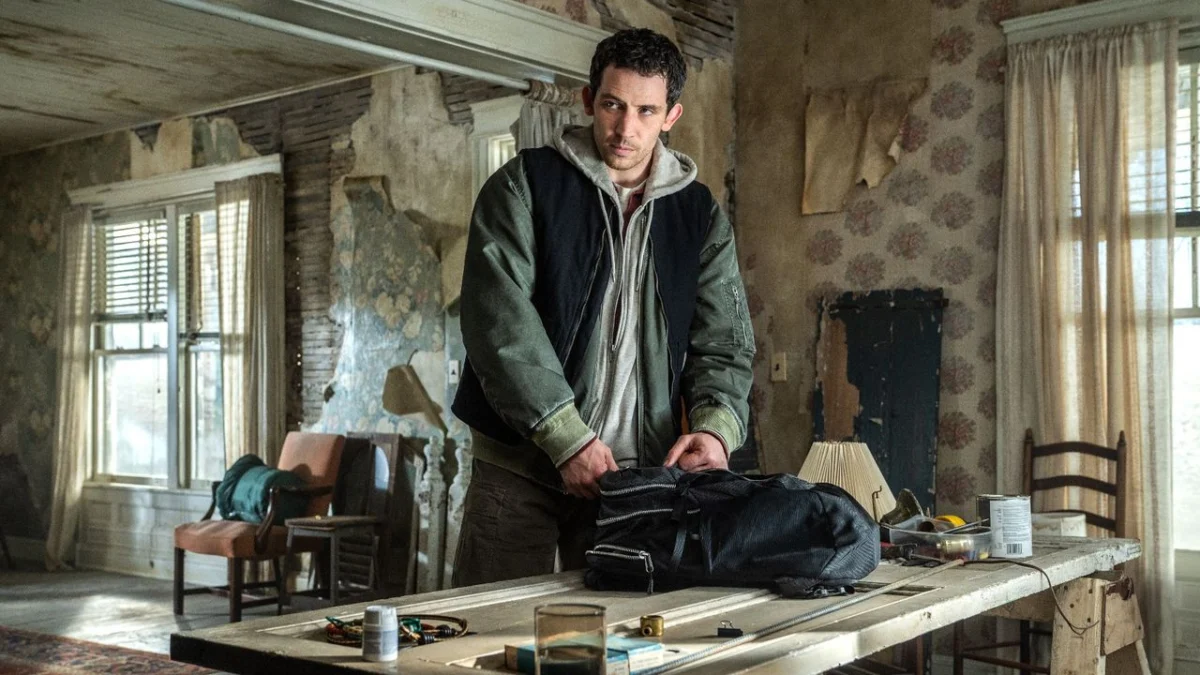
The intersection of science fiction and reality has always been the playground of Steven Spielberg. From the benevolent visitors in E.T. to the awe-inspiring encounters of Close Encounters of the Third Kind, the legendary filmmaker has spent half a century shaping the public’s imagination regarding extraterrestrial life. Now, with his latest project, Disclosure Day, looming on the horizon, the cultural conversation has shifted from mere cinematic anticipation to a fever-pitch of geopolitical speculation.
As the film prepares to hit theaters, it arrives against a backdrop of unprecedented official transparency regarding Unidentified Anomalous Phenomena (UAP). But is Disclosure Day just another blockbuster, or is it a calculated maneuver by the powers that be to prepare humanity for a paradigm-shifting truth?
Main Facts: The Anatomy of an Enigma
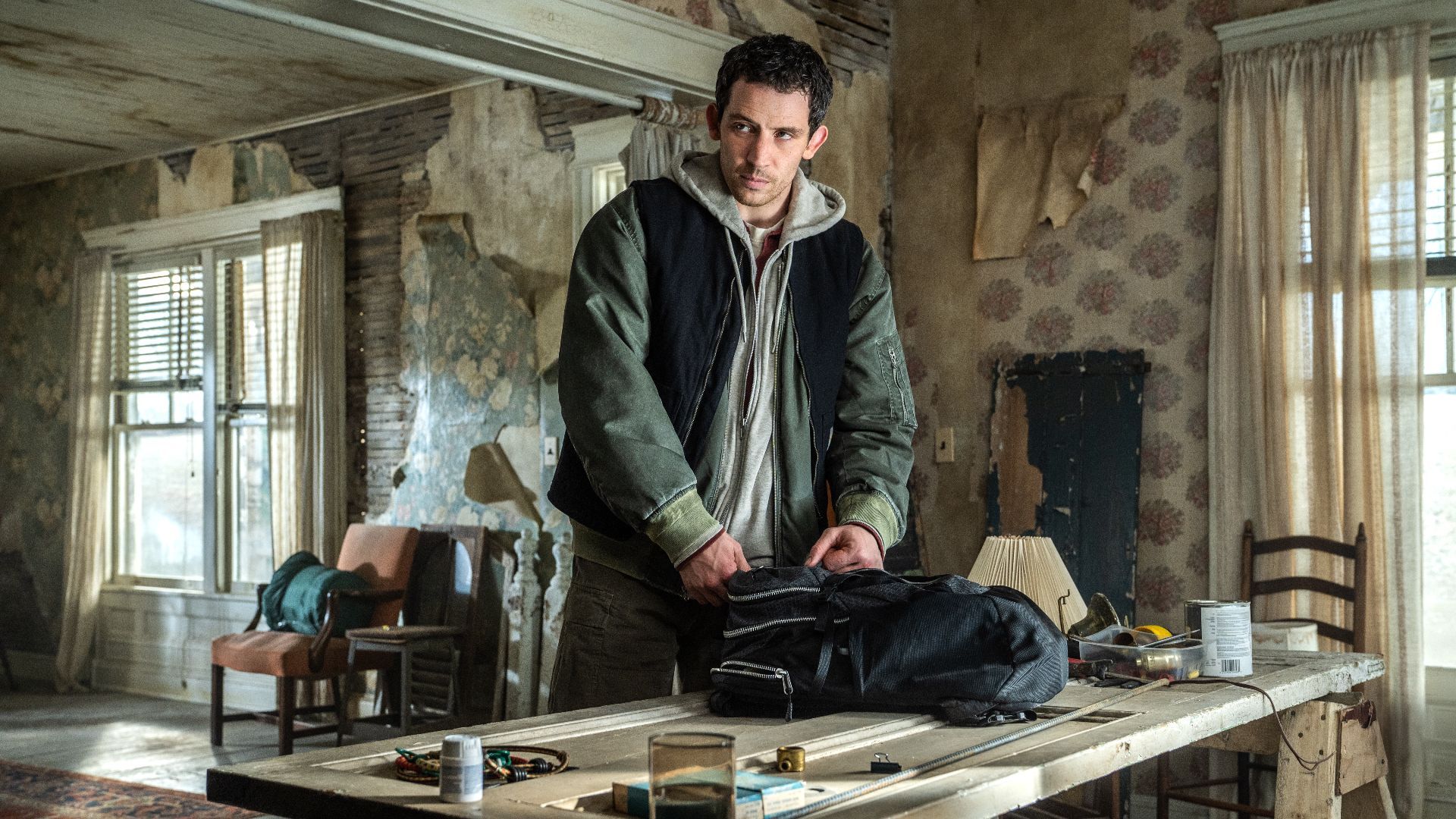
Disclosure Day, starring Josh O’Connor, is being marketed as a grand science fiction epic. However, the production has been shrouded in a level of secrecy rarely seen even in the high-stakes world of Hollywood tentpoles. The title itself—Disclosure Day—is a loaded term within the UFOlogy community, referring to the hypothetical moment when the United States government definitively acknowledges the presence of non-human intelligence on Earth.
While Universal Studios has released sparse details, the buzz surrounding the film suggests a narrative that mirrors the modern struggle for transparency. The central conflict appears to hinge on a protagonist (O’Connor) caught between bureaucratic obfuscation and the undeniable evidence of an otherworldly presence. The film’s release is strategically positioned to capitalize on the current zeitgeist, where mainstream news outlets are regularly covering Congressional hearings on UAP, bridging the gap between "tin-foil hat" conspiracy and credible national security discourse.
A Chronology of Expectation: From 1977 to the Present
To understand the weight of Disclosure Day, one must look back at the cinematic lineage that built the current landscape of UFO interest.
- 1977 – The Cultural Catalyst: Steven Spielberg’s Close Encounters of the Third Kind transformed the UFO from a pulp-fiction trope into a profound, spiritual experience. It set the template for the "contact" narrative that still dominates the genre.
- 2017 – The Turning Point: The New York Times published a bombshell report on the Pentagon’s Advanced Aerospace Threat Identification Program (AATIP). This effectively ended the era of dismissive skepticism toward UFOs, moving the conversation into the halls of the Department of Defense.
- 2023 – The Congressional Hearings: Whistleblower David Grusch testified under oath before Congress, alleging that the US government possesses "non-human" spacecraft and biological remains. This provided the "disclosure" momentum that Disclosure Day now occupies.
- 2024-2025 – The Pre-Release Window: As the film’s marketing campaign kicked off, rumors began to circulate that the film is a "stealth sequel" to Close Encounters. While unconfirmed, the thematic resonance is undeniable.
Supporting Data: The Convergence of Fiction and Intelligence
The theory that Disclosure Day is more than a movie relies on the concept of "soft disclosure." This sociological theory suggests that governments use popular media—movies, television, and novels—to acclimate the public to uncomfortable or radical truths over time, preventing mass panic.
Critics of this theory point to the uncanny timing of the project. Spielberg, a man with unparalleled access to the upper echelons of both the entertainment industry and the political establishment, has long been rumored to have consulted with defense officials on past projects. If the government were to begin a process of public acclimatization, utilizing a director whose brand is synonymous with "wonder" rather than "horror" would be the most effective way to avoid societal destabilization.
The "stealth sequel" rumors add another layer. If Disclosure Day ties directly into the events of Close Encounters, it suggests that the "truth" has been hidden in plain sight for nearly 50 years, and that Spielberg is finally being permitted to pull back the curtain on the "real" ending of that 1977 narrative.
Official Responses and Industry Silences
The response from official channels has been, predictably, one of studied neutrality. When asked about the film’s potential ties to real-world UAP programs, representatives for Universal Studios have remained strictly on-script, referring to the project as a "fictional narrative piece."
However, the silence from Washington is arguably more telling. Neither the Pentagon’s All-domain Anomaly Resolution Office (AARO) nor various government liaisons have commented on the film. In the world of intelligence, a lack of denial is often interpreted as a form of tacit approval.
Some industry insiders have noted that the film’s technical depictions of aircraft movement—specifically the "Five Observables" defined by former intelligence officer Luis Elizondo (sudden acceleration, hypersonic velocity without signatures, etc.)—are strikingly accurate. Whether this is the result of top-tier special effects research or leaked technical briefings remains a matter of intense debate on social media forums and within the UFOlogy community.
Implications: The Psychological Impact of Truth
If Disclosure Day is, in fact, a conduit for real-world disclosure, the implications are staggering.
1. The Erosion of Skepticism
For decades, the UFO narrative was marginalized by a culture of ridicule. A film of this magnitude, treated with the artistic gravitas of a Spielberg production, effectively legitimizes the topic for the general public. It moves the discussion from the fringes of the internet to the water cooler.
2. Geopolitical Maneuvering
If the US government is using cinema to lead the way toward disclosure, it may be doing so to get ahead of other nations. With China and Russia also investigating UAP, the United States may be attempting to own the "narrative of the first contact," using cultural influence to establish a sense of global leadership regarding extraterrestrial engagement.
3. The "Ontological Shock"
The primary reason governments have historically cited for keeping UFO data secret is the fear of "ontological shock"—the sudden realization that humanity is not the apex of intelligence in the universe, which could destabilize religious, economic, and social structures. By releasing information through a blockbuster film, the government may be opting for a "slow-burn" disclosure, allowing the public to process the information through the safety of a fictional lens before reality fully settles in.
Conclusion: Watching the Skies and the Screen
Whether Disclosure Day is merely a masterclass in science fiction filmmaking or a calculated piece of state-sponsored public relations, one thing is certain: it arrives at a moment of profound uncertainty. We live in an era where the lines between state propaganda, commercial entertainment, and the search for truth have become irrevocably blurred.
As audiences file into theaters, they will be looking for more than just an entertaining story. They will be looking for answers. Spielberg has spent his career showing us what it might look like if we weren’t alone. With Disclosure Day, he may finally be telling us that we never were.
As we await the premiere, the public is left to wonder: when the credits roll and the lights come up, will we walk out of the theater into the same world we entered, or will the "Disclosure Day" promised by the title be the first step into a new, wider, and much more complex reality? Regardless of the behind-the-scenes machinations, the film serves as a mirror to our collective curiosity—a testament to our enduring, perhaps desperate, need to know what—or who—is really out there.

 Dwi Wanna
 Nana
Nana