

In the golden age of prestige television, the death of a major character is often treated as a seismic event—a narrative pivot point that reshapes the series’ trajectory. However, there is a fine line between a character who serves the story through their longevity and one who lingers like a ghost in the machine, draining the audience’s goodwill. Whether through irredeemable villainy, stagnant character arcs, or sheer narrative frustration, some figures become victims of their own survival.
When the friction caused by a character ceases to be "compelling drama" and instead becomes a source of genuine irritation, the viewer’s relationship with the show changes. What follows is a critical examination of 15 television characters who, in the eyes of their audiences, arguably met their ends far too late.

The Anatomy of Narrative Exhaustion
The structural necessity of a villain or an antagonist is well-documented in screenwriting theory. Conflict drives plot; without an obstacle, the protagonist has no mountain to climb. However, when a character is kept alive merely to facilitate a slow-burn plot or to delay a conclusion that feels earned, the suspension of disbelief begins to fray.
From a production standpoint, keeping a controversial character around is often a strategic decision. "Shock value" and the retention of a recognizable face are powerful metrics for network executives. Yet, as our analysis suggests, there is a psychological threshold for the audience. When that threshold is crossed, the character’s presence becomes a liability, leading to audience fatigue and a decline in critical reception.
Chronology of Discontent: A Selection of Infamous Stays
The Westeros Toll: Joffrey, Ramsay, and Cersei
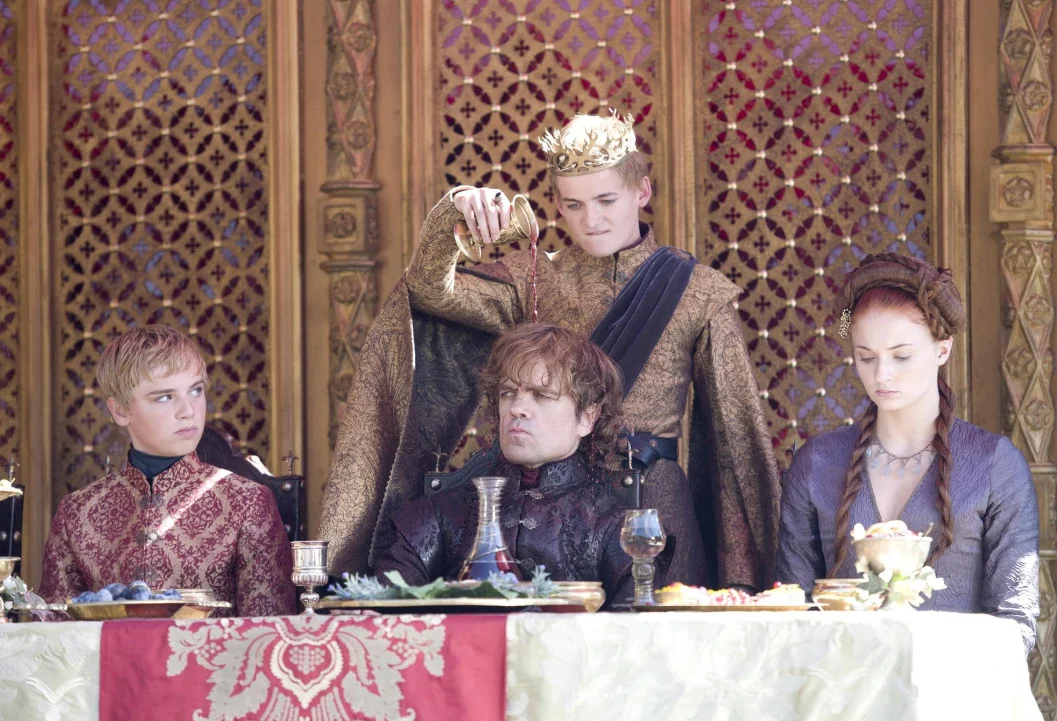
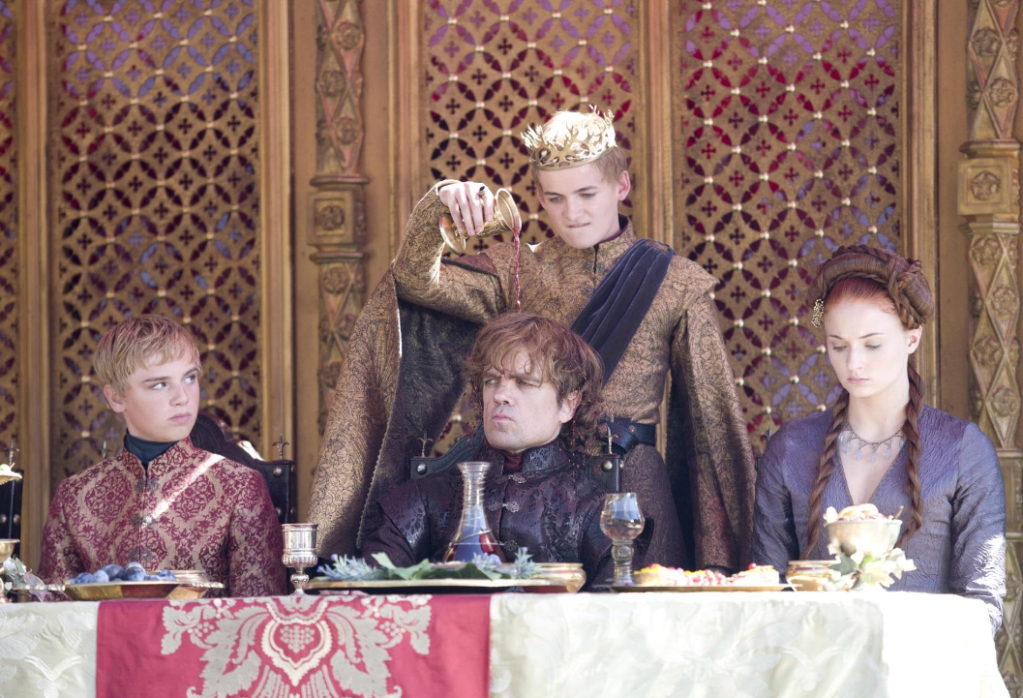
The Game of Thrones phenomenon was built on the premise that no one was safe. Yet, for characters like Joffrey Baratheon, the writers tested the limits of the audience’s patience. Joffrey’s cruelty was designed to be repulsive, but by the time of his eventual poisoning, his lack of growth—or even a nuanced decline—had turned him into a one-note obstacle that stalled the political intrigue of King’s Landing.
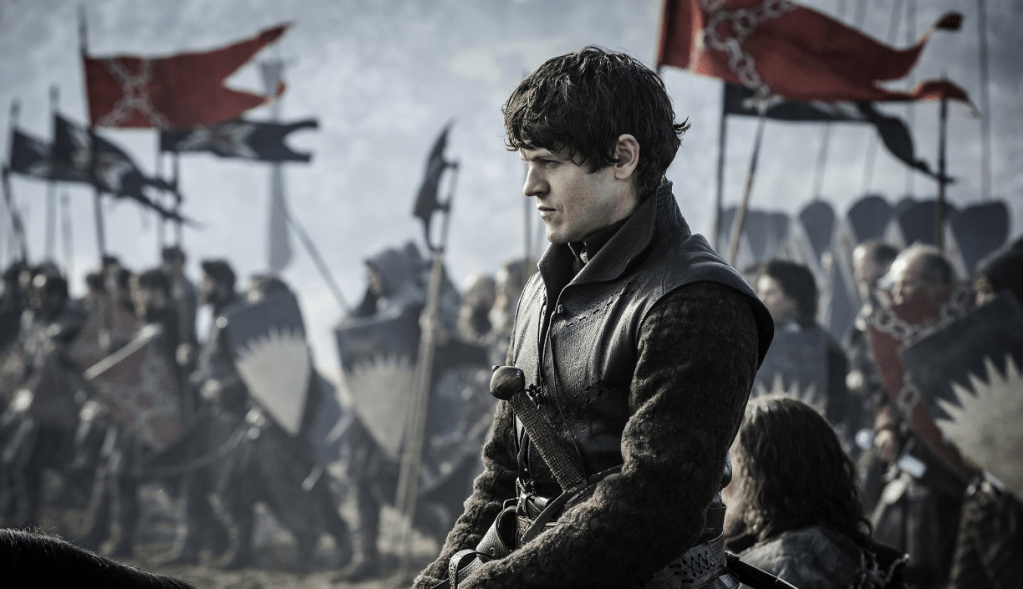
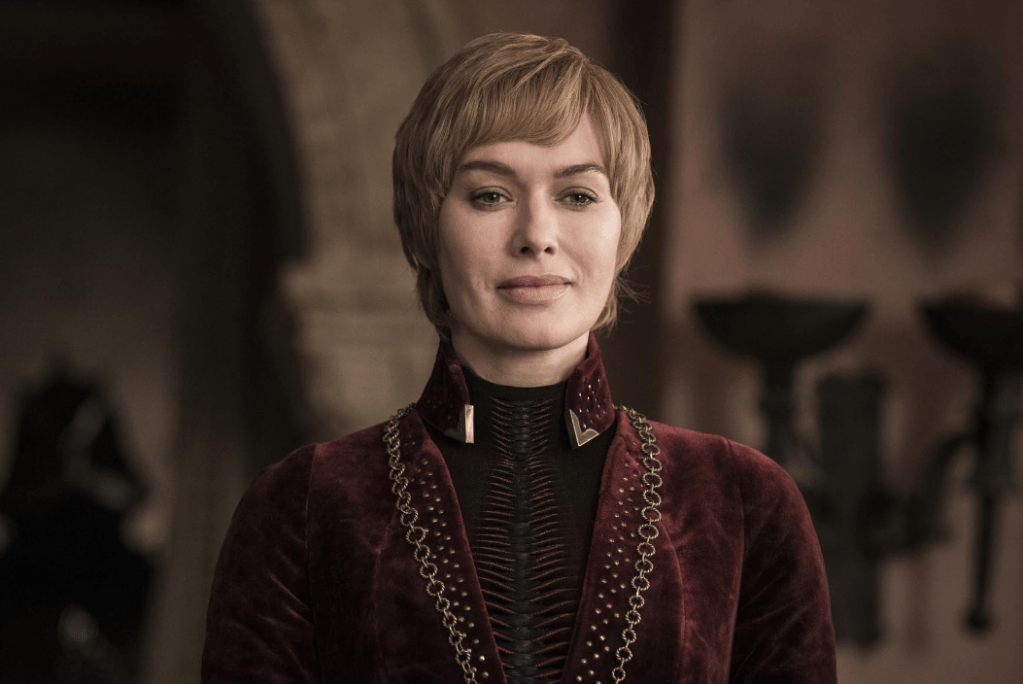
Similarly, Ramsay Bolton represented the "villain armor" trope at its most egregious. By escaping consequences for seasons while committing acts of increasingly grotesque violence, the narrative began to feel stagnant. By the time his own hounds turned on him, many viewers felt the resolution was long overdue. Cersei Lannister also fell into this trap; her survival through the later seasons, often shielded by sheer narrative convenience, led to a sense of inevitability that robbed her final moments of their intended gravitas.
The Walking Dead’s Cycle of Persistence
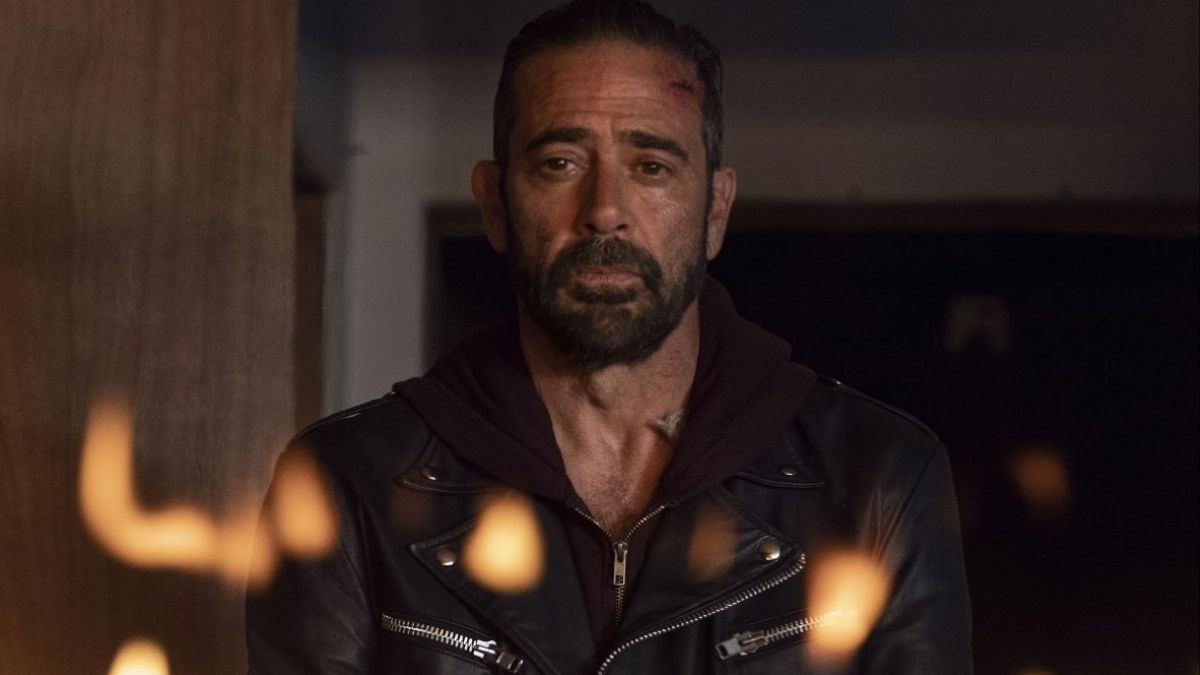
AMC’s The Walking Dead arguably struggled most with this issue. Negan’s arrival was intended to be a reset for the series, but his extended reign of terror felt repetitive. While the character was eventually granted a redemption arc, many viewers felt the transition was too little, too late.
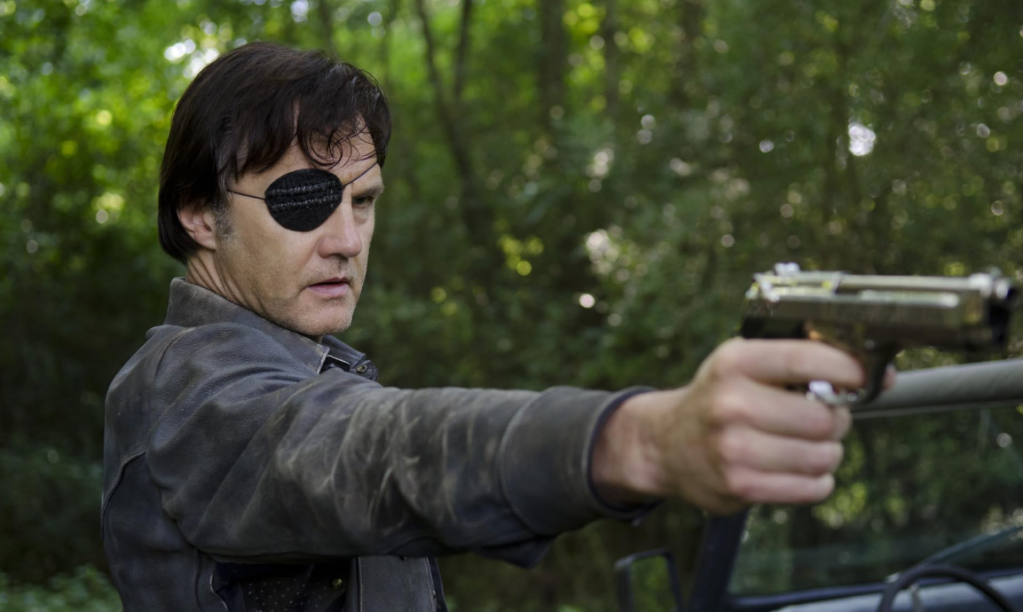
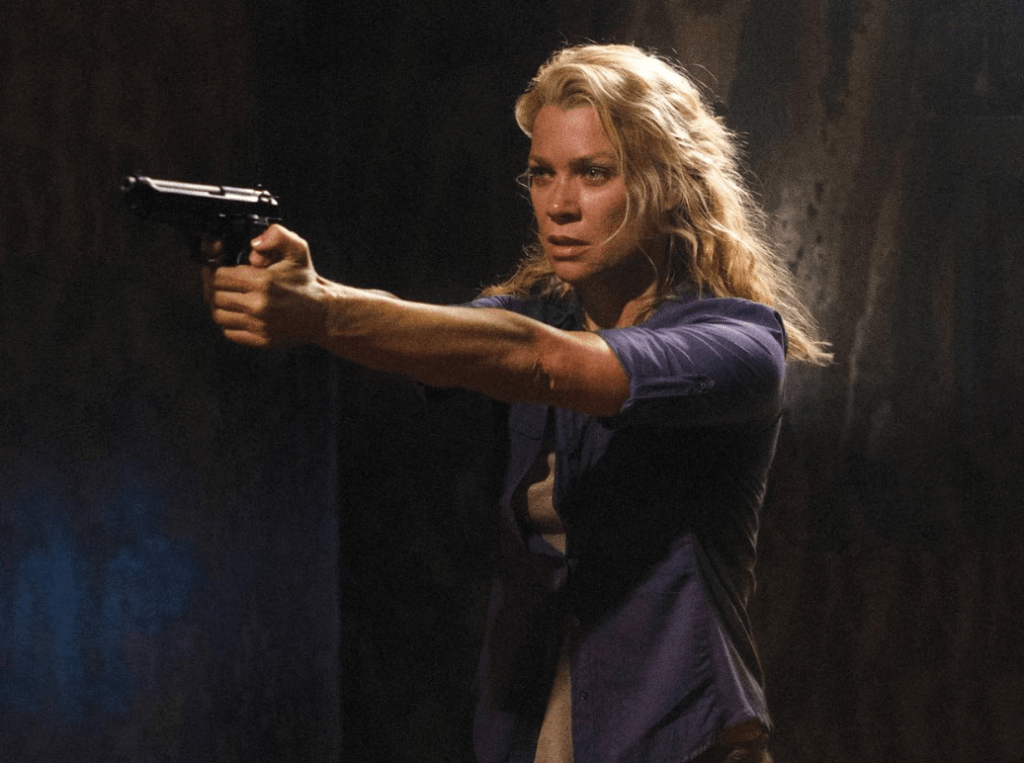
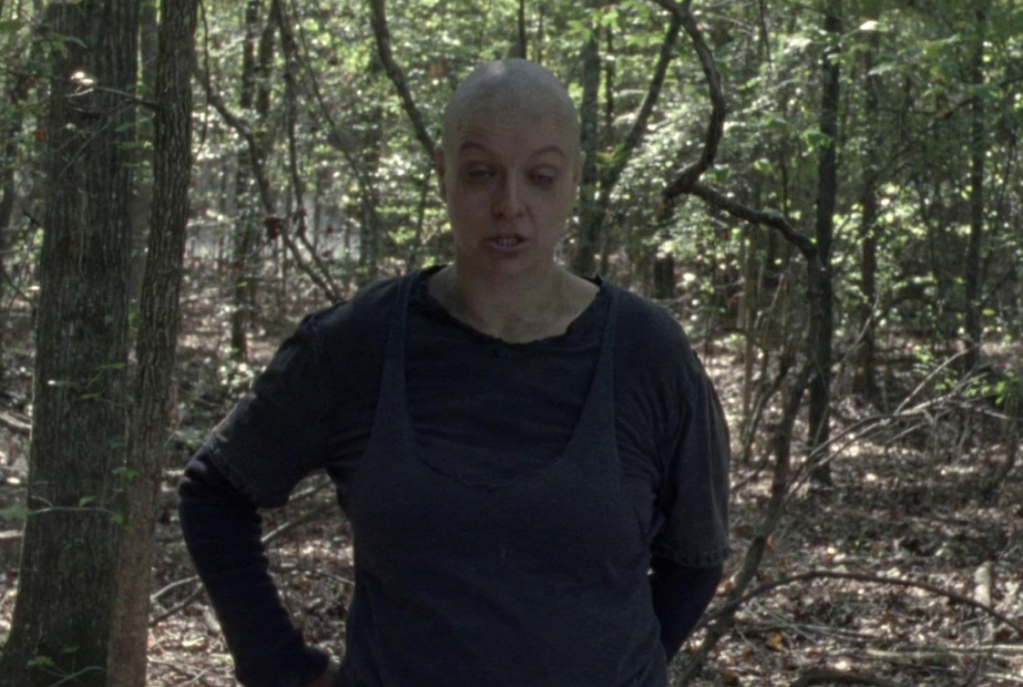
Andrea Harrison serves as a case study in character mismanagement. Her trajectory, riddled with frustrating decisions that defied logic, became a focal point of viewer criticism. Conversely, The Governor and Alpha represented a recurring problem: the show’s reliance on "Big Bad" archetypes that occupied too much screen time, turning complex survival stories into repetitive cycles of confrontation that diluted the stakes.
Supporting Data: Why We Tire of the "Everlasting" Villain
Data from social media sentiment analysis and audience retention metrics suggest a correlation between "prolonged antagonist arcs" and a drop in viewer engagement. When a character’s moral compass—or lack thereof—stops evolving, the audience stops being challenged.
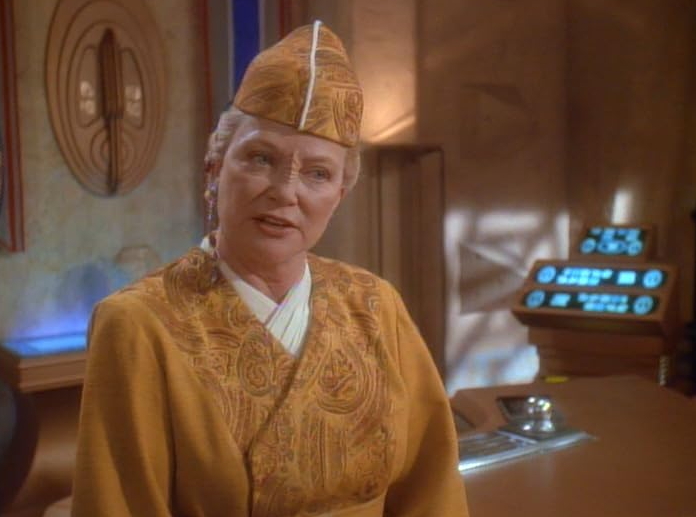
In the case of Kai Winn (Star Trek: Deep Space Nine), her passive-aggressive manipulation was a masterclass in performance, yet as the series approached its conclusion, her continued survival amidst the Dominion War felt like a distraction from the show’s core themes of spirituality and war.
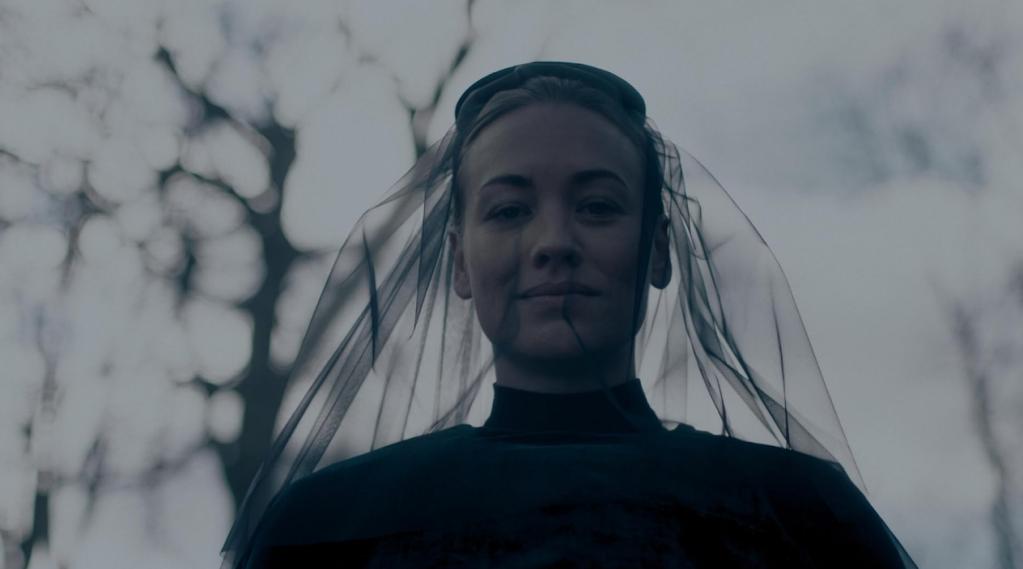
Similarly, in The Handmaid’s Tale, Serena Joy Waterford has faced criticism for her oscillating morality. By keeping her relevant to the plot through constant shifts in allegiance, the show risks undermining the severity of the world it has built, causing audience frustration as the desired "comeuppance" is perpetually deferred.
Official Responses and Creative Justification
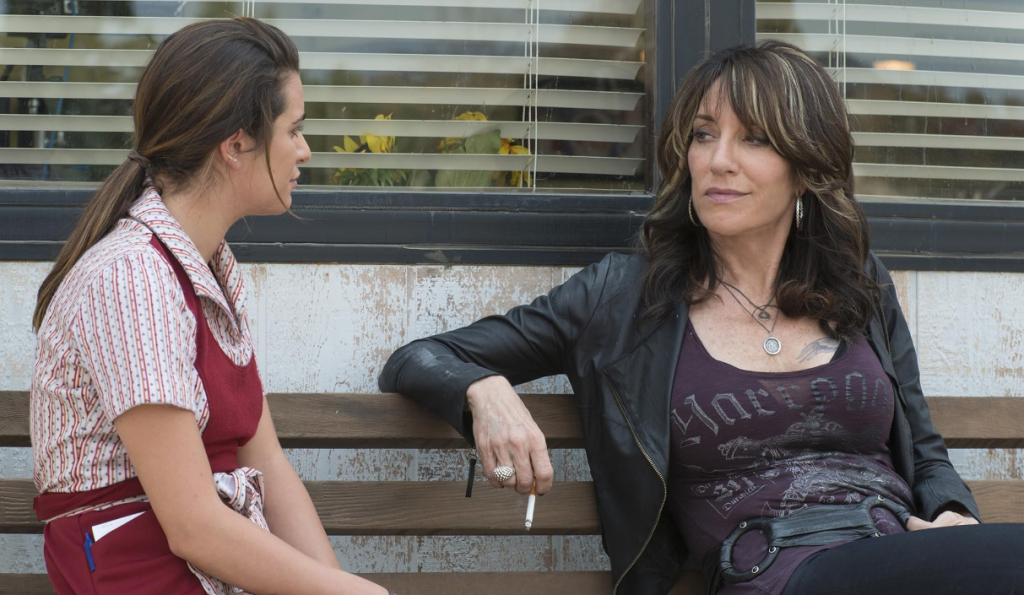
Showrunners often defend the longevity of these characters by citing the need for "narrative integrity." In interviews regarding Sons of Anarchy, the decision to keep Tara Knowles in a cycle of despair was defended as a reflection of the "inescapable trap" of the criminal life. From a creative perspective, the goal is not always to satisfy the viewer, but to explore the depths of human misery and institutional rot.
However, industry experts note that the "fan-service" death is a dangerous game. If a character dies too soon, the story loses its engine; if they die too late, the story loses its audience. The balancing act remains the primary challenge for long-form television.
The Psychological Implication: Why We Want Them Gone
Why do we crave the end of these characters? It is rarely about the actor’s performance—often, these roles are played by exceptional talent. It is about the "contract" between the show and the viewer. We agree to follow a narrative in exchange for a payoff. When a character remains long after their narrative purpose is fulfilled, the audience feels the contract is being breached.

Case Studies in Emotional Exhaustion
- Livia Soprano (The Sopranos): Her presence was designed to be suffocating, reflecting the toxic nature of the Soprano family. While narratively brilliant, the sheer intensity of her character made her a source of profound discomfort that many fans found difficult to sit through for extended periods.
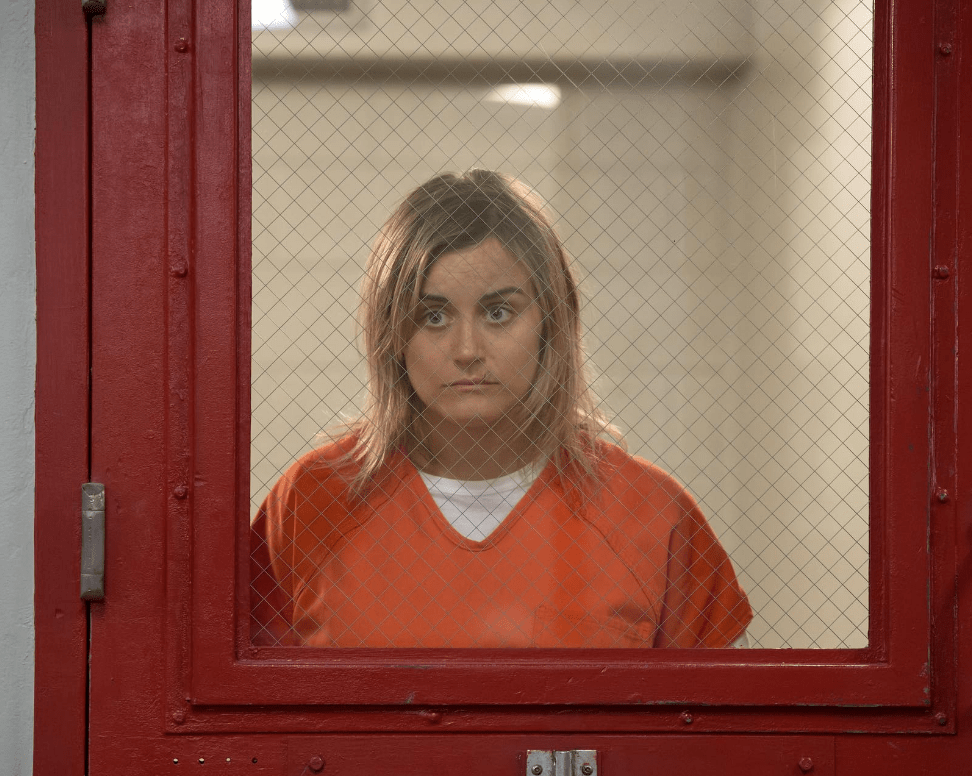
- Piper Chapman (Orange Is the New Black): As the series expanded, the focus on Piper felt increasingly disconnected from the much more compelling ensemble cast. By remaining the "central" figure, she often acted as a bottleneck for better stories.
- Ted Mosby (How I Met Your Mother): While not a villain, his romantic obsession became a point of contention. The show’s structure relied on his quest, but by the final seasons, the character had become so self-involved that the audience’s sympathy had completely evaporated.
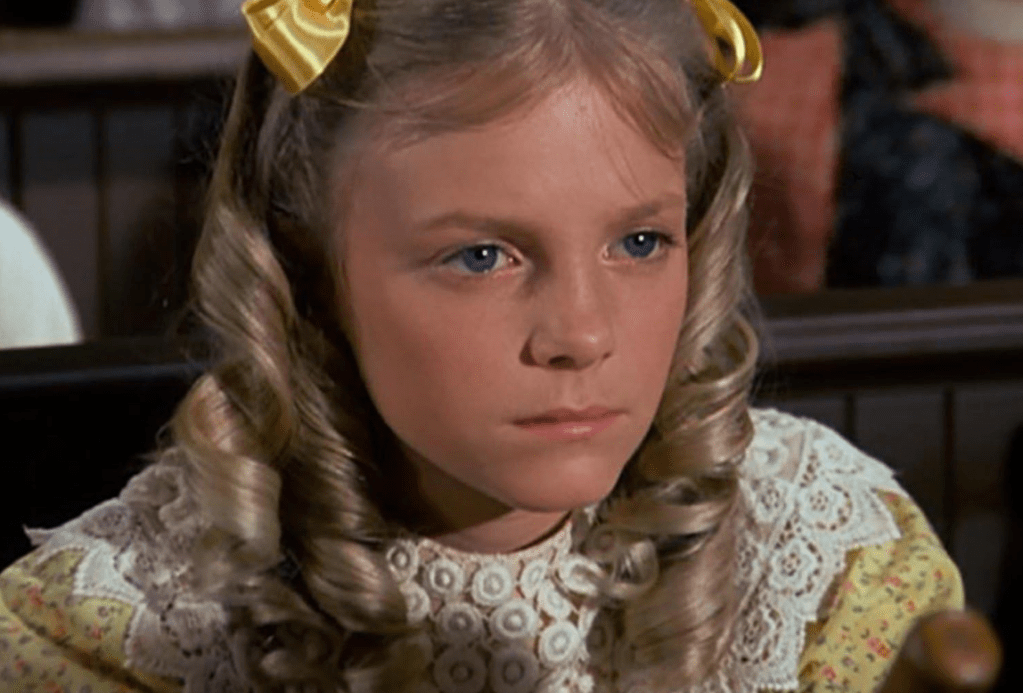
- Nellie Oleson (Little House on the Prairie): A classic example of the "antagonist as a fixture." Her presence was a staple of the show’s format, but for viewers seeking progress, her antics became a tedious cycle of bullying and retribution.
- Nate Fisher (Six Feet Under): His death was a pivotal moment in one of television’s greatest dramas, but his final seasons were marked by a spiral of selfishness that made him difficult to root for, making his exit feel like a relief rather than a tragedy.
Conclusion: The Art of the Exit
The characters listed here are not necessarily "bad" writing—in fact, they are often the most memorable. However, they demonstrate a critical truth in television production: a character’s death should be the crescendo of their story, not an afterthought. When a show fails to recognize that a character has reached their natural limit, the resulting decline in quality serves as a reminder that in television, as in life, timing is everything.
As we look toward the future of episodic storytelling, the lesson remains clear: the most powerful stories are those that know exactly when to pull the curtain down.









No comments yet. Be the first to join the conversation!