

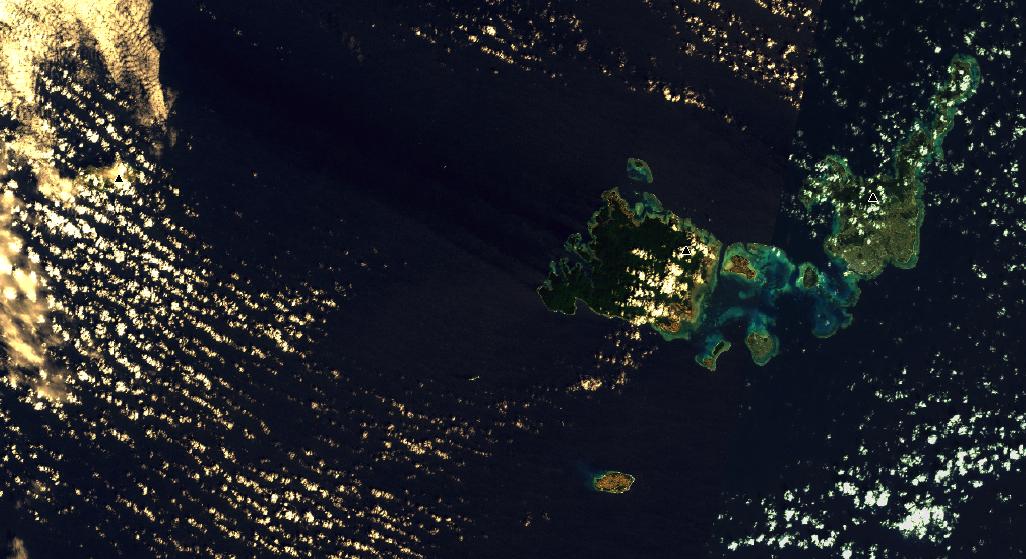
The Yaeyama Islands (Yaeyama Shotō) represent the final frontier of the Japanese archipelago. Situated in the East China Sea, these 12 islands are geographically closer to Taiwan than to the bustling metropolis of Tokyo. For the traveler accustomed to the orderly precision of the Shinkansen and the neon glow of Shibuya, the Yaeyama Islands offer a stark, refreshing departure. Here, the rhythm of life is dictated not by the train schedule, but by the tides, the subtropical winds, and a cultural heritage that predates the 1879 Japanese annexation of the Ryukyu Kingdom.
Main Facts: The Southernmost Reach of Japan
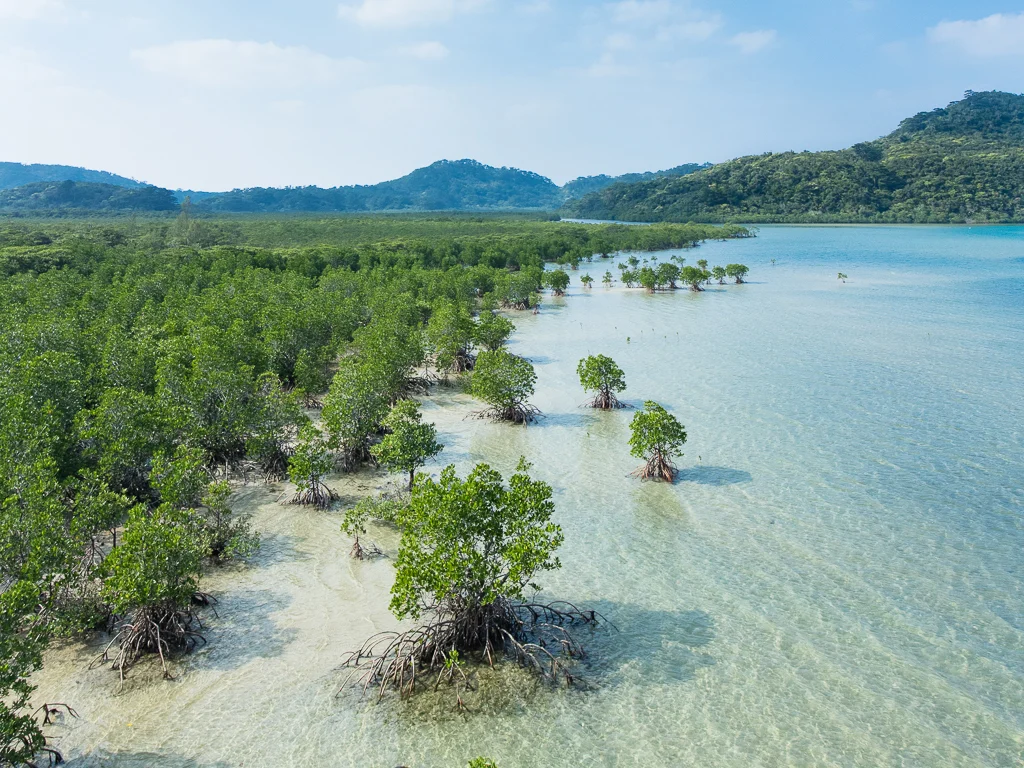
The Yaeyama group is defined by its distinct biogeographic and cultural status. Unlike the mainland, these islands are characterized by sprawling mangrove estuaries, vibrant coral-reef lagoons, and a rare subtropical forest ecosystem that serves as the last sanctuary for the endangered Iriomote wildcat.
Geographic and Cultural Identity
The archipelago serves as a cultural bridge. The inhabitants speak Yaeyama-go, a language distinct from both mainland Japanese and the Okinawan spoken on the main island to the north. This linguistic divergence is mirrored in their music, culinary traditions, and architecture. While the world often views Japan through the lens of the "Golden Route" (Tokyo-Kyoto-Osaka), the Yaeyamas provide an essential counter-narrative, revealing a nation that is ecologically and historically diverse.
The Anchor Points of Tourism
- Ishigaki-jima: The largest island and the undisputed transit hub. With a population of approximately 48,000, it provides the necessary infrastructure—hotels, dive shops, and transportation—to support the rest of the archipelago.
- Iriomote-jima: Known as the "Galapagos of Japan," this jungle island is 90% protected forest. It is the primary destination for eco-tourism.
- Taketomi-jima: A living museum. This small island has maintained its Ryukyuan village architecture, characterized by red-tile roofs and coral-chip streets, through rigorous local ordinances.
Chronology: A History of Resilience
The history of the Yaeyama Islands is a testament to cultural preservation under shifting political tides.
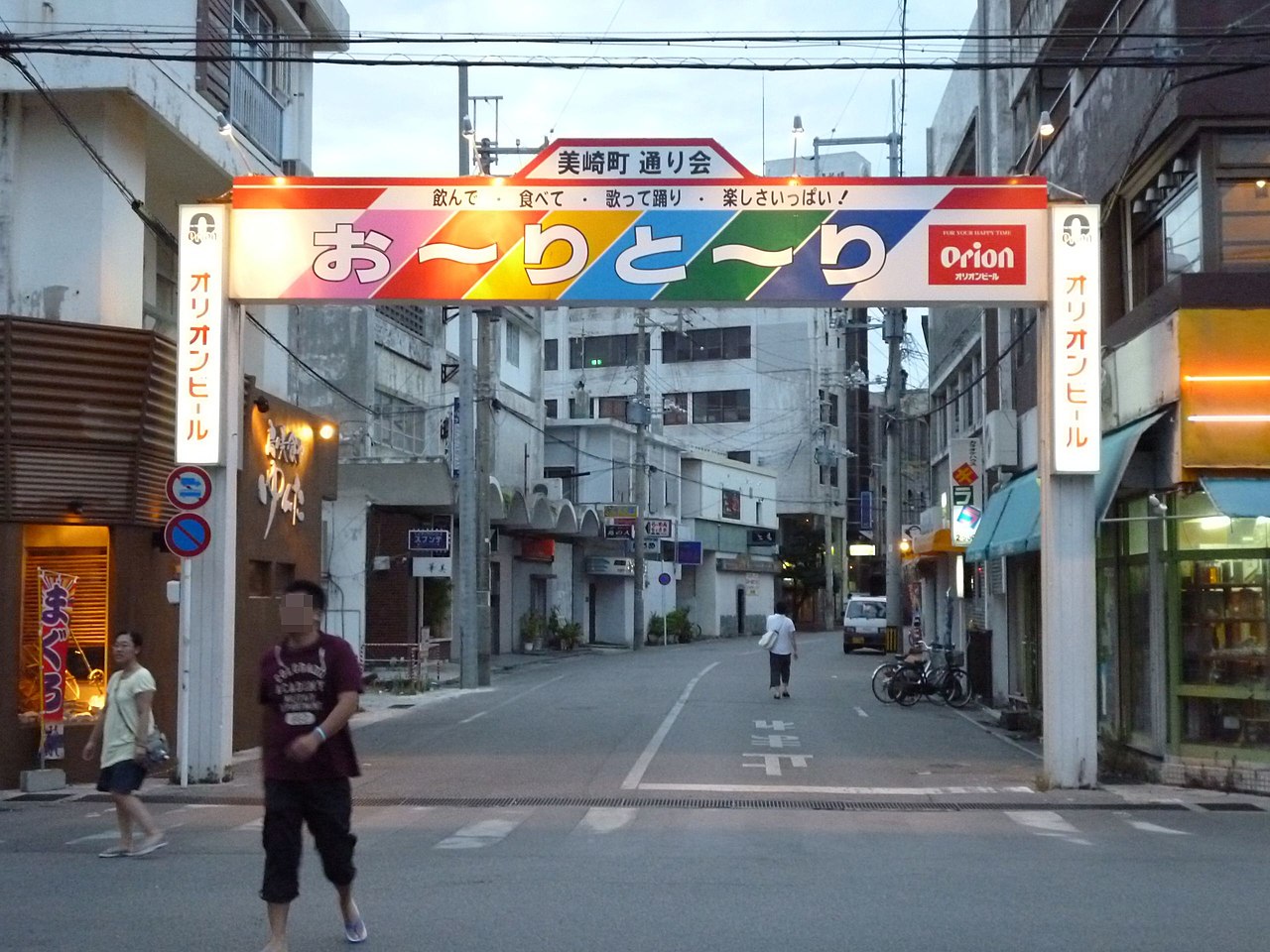
- Pre-1879: The Ryukyu Kingdom flourished as a maritime trading hub, heavily influenced by Chinese and Southeast Asian cultures. The architecture and social structures established during this period remain the bedrock of modern Yaeyama identity.
- 1879: The Japanese annexation of the Ryukyu Kingdom began a process of forced assimilation. Despite this, the Yaeyama people maintained their unique linguistic and culinary traditions in private.
- Post-WWII: Following the American occupation of Okinawa, the islands underwent significant economic shifts. The integration into the modern Japanese tourism market has been a double-edged sword—bringing prosperity while threatening the delicate balance of the environment.
- The Modern Era: The 21st century has seen the islands move from a "hidden gem" to a focal point for international visitors seeking sustainable, nature-based travel.
Supporting Data: Infrastructure and Accessibility
Planning a trip to the Yaeyamas requires an understanding of the region’s logistical constraints.
Connectivity
Everything flows through Ishigaki. Visitors from Tokyo can access the archipelago via direct flights from Haneda and Narita (approx. 3 hours 15 minutes). From Naha (Okinawa’s main island), there are high-frequency flights every 90 minutes.
The Ferry Network
The Ishigaki Remote Island Terminal is the heartbeat of the region. Operators like Yaeyama Kanko Ferry and Anei Kanko manage daily routes to the outer islands.
- Taketomi: 15 minutes from Ishigaki.
- Iriomote: 40–50 minutes from Ishigaki.
- Hateruma: 60 minutes from Ishigaki; notoriously prone to cancellation due to rough seas.
Accommodation Trends
The lodging landscape is tiered. Ishigaki offers everything from budget-friendly business hotels to luxury resorts like the ANA Intercontinental. In contrast, islands like Taketomi and Hateruma rely on minshuku (family-run guesthouses), which offer an immersive cultural experience but require booking months in advance due to limited capacity.
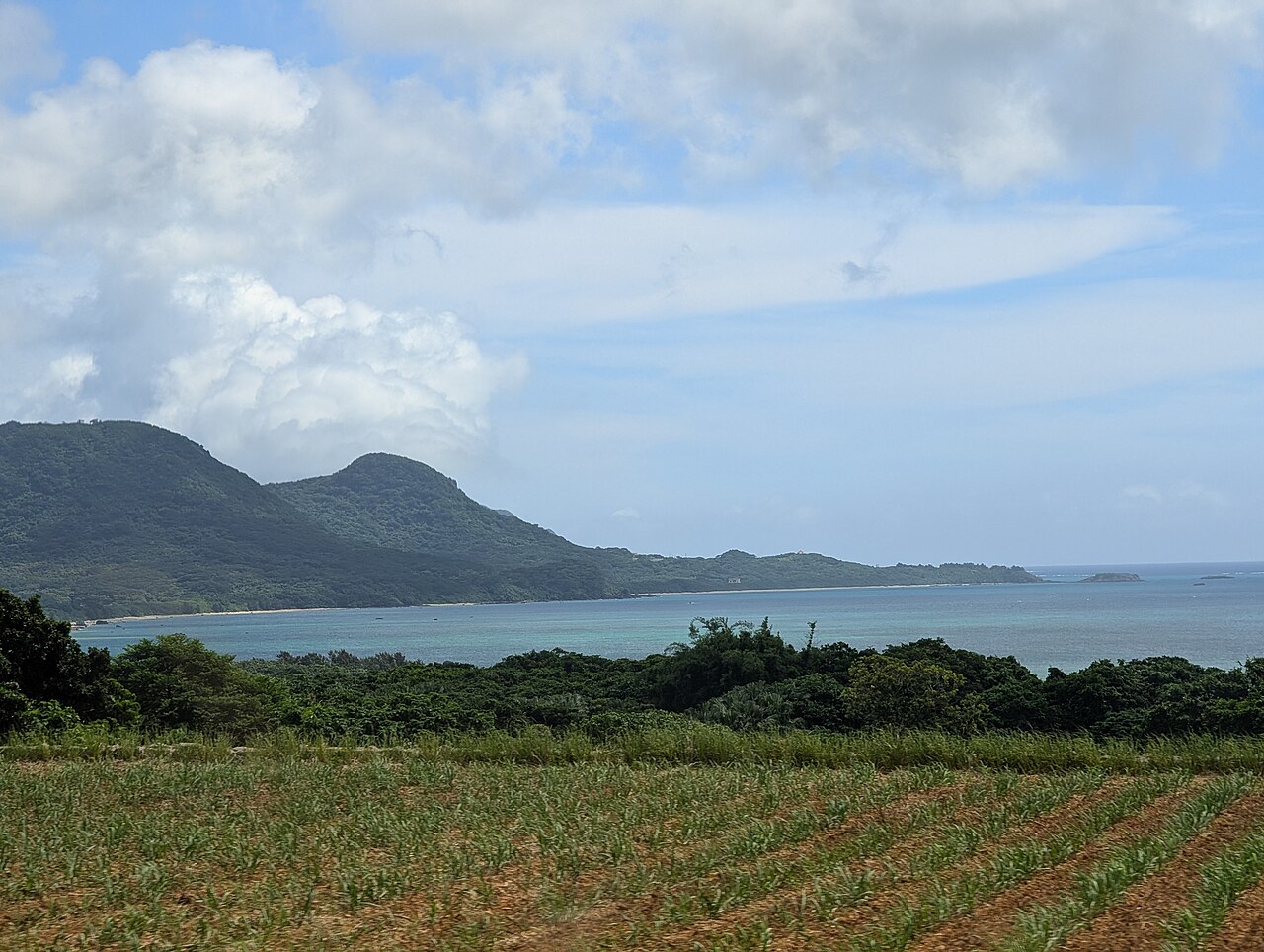
Official Responses and Environmental Stewardship
The rise in tourism has triggered a proactive response from local government and environmental agencies. The Iriomote-Ishigaki National Park is not merely a tourist attraction; it is a strictly managed zone.
Protecting the Iriomote Wildcat
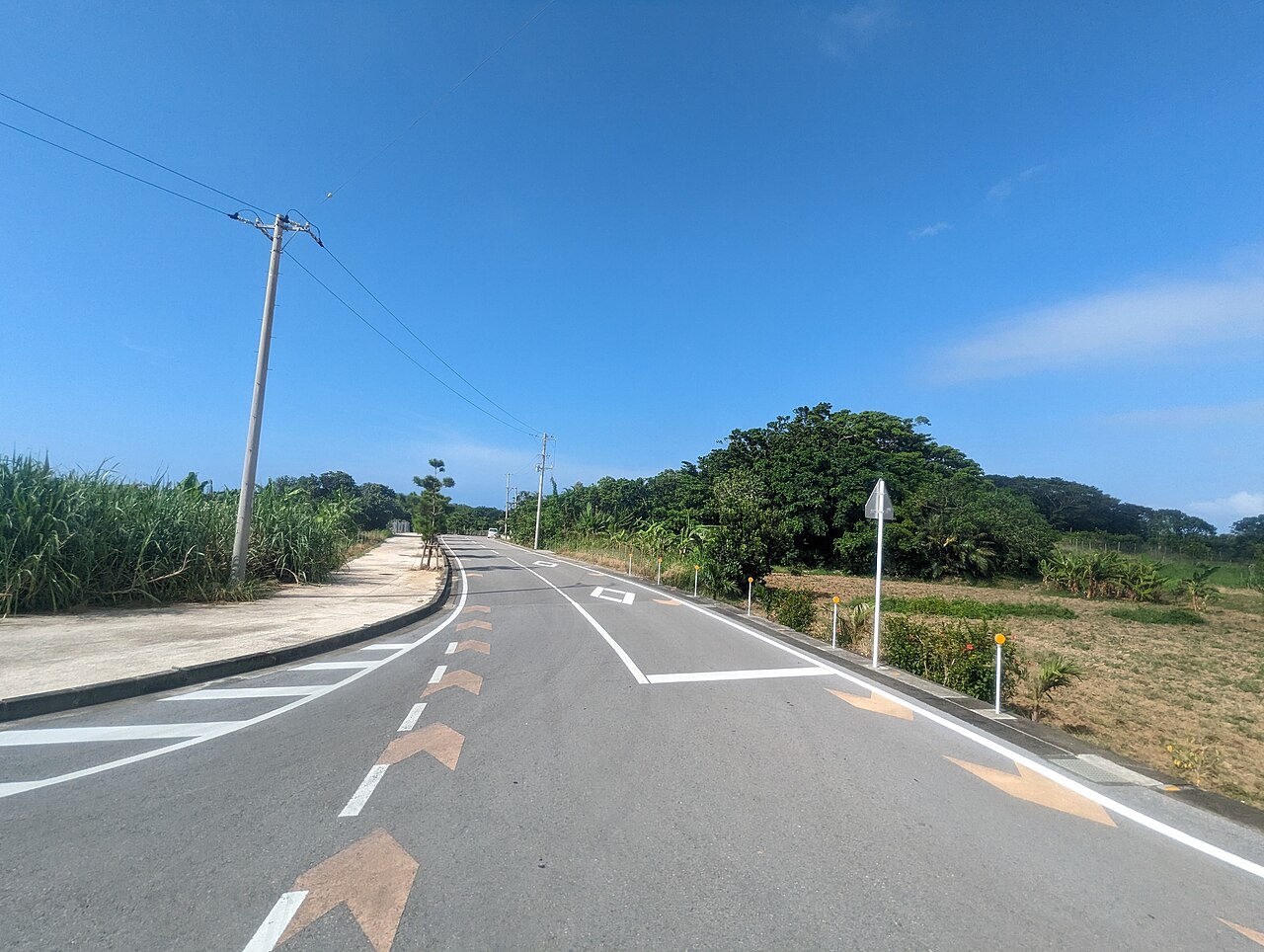
The Iriomote yamaneko is the islands’ most famous resident, with a population estimated at only 100 individuals. To prevent further decline, local authorities have implemented strict speed limits for motorists and have launched extensive awareness campaigns regarding the dangers of roadkill. Official policy discourages any attempt to track or photograph these elusive animals, emphasizing that observation should be limited to educational facilities like the Iriomote Wildlife Conservation Centre.
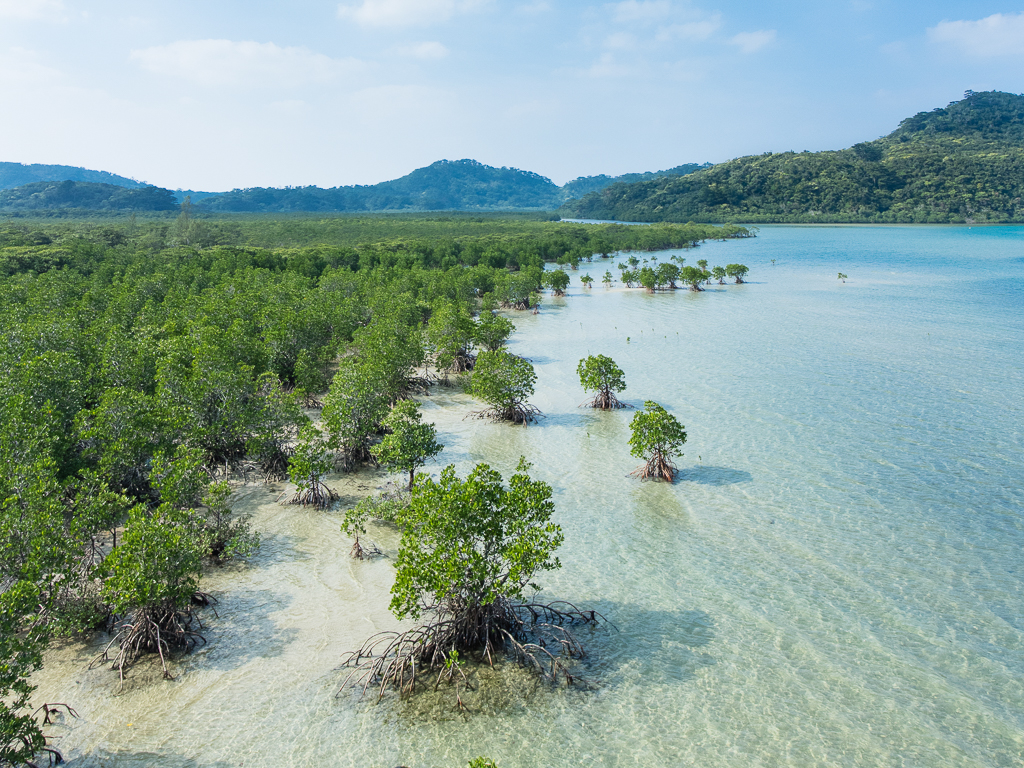
Sustainability and the "Star Sand" Law
The unique foraminifera skeletons found on Hoshizuna-no-hama beach (Star Sand Beach) are a point of intense pride and protection. Local laws strictly forbid the removal of sand from these beaches. Authorities remind visitors that these particles are the remains of living organisms essential to the ecosystem.
Implications: The Future of Yaeyama Tourism
The Yaeyama Islands stand at a crossroads. As global travel trends pivot toward "slow tourism" and ecological responsibility, the archipelago is perfectly positioned to lead, provided it can mitigate the risks of over-tourism.
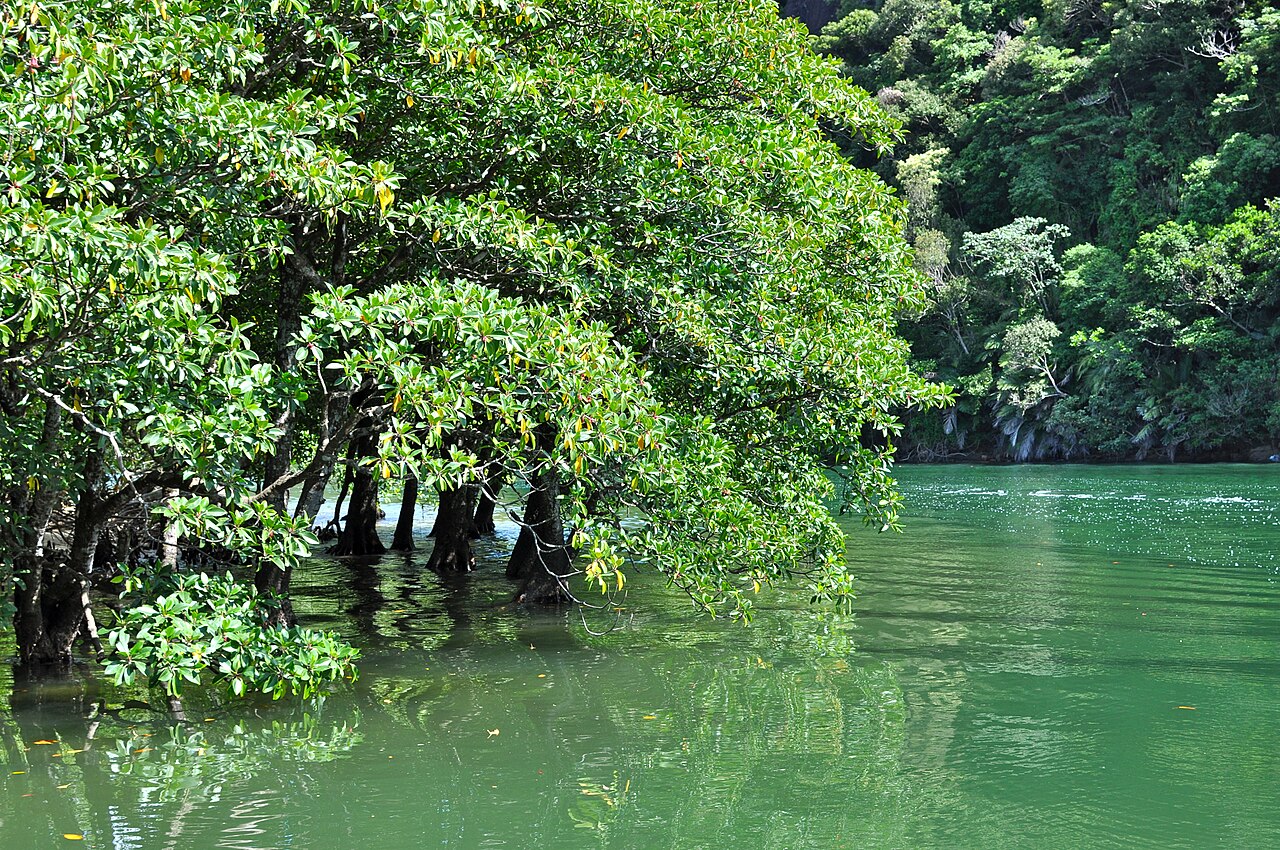
The Environmental Challenge
The delicate coral reefs around Ishigaki and Iriomote face constant threats from rising sea temperatures and mass tourism. The local diving industry has responded by implementing "Manta Scramble" codes of conduct, ensuring that interaction with marine life remains non-invasive. The implication for the future traveler is clear: participation in this region requires a high degree of environmental literacy.
The Cultural Preservation Trade-off
While the preservation of Taketomi’s village architecture is a triumph of local policy, it creates a "museum effect." As the resident population ages and the cost of maintaining traditional buildings rises, there is a constant tension between the need to accommodate tourists and the desire to preserve the integrity of the community. Visitors are encouraged to treat these areas not as amusement parks, but as residential zones where privacy and local custom must be prioritized.
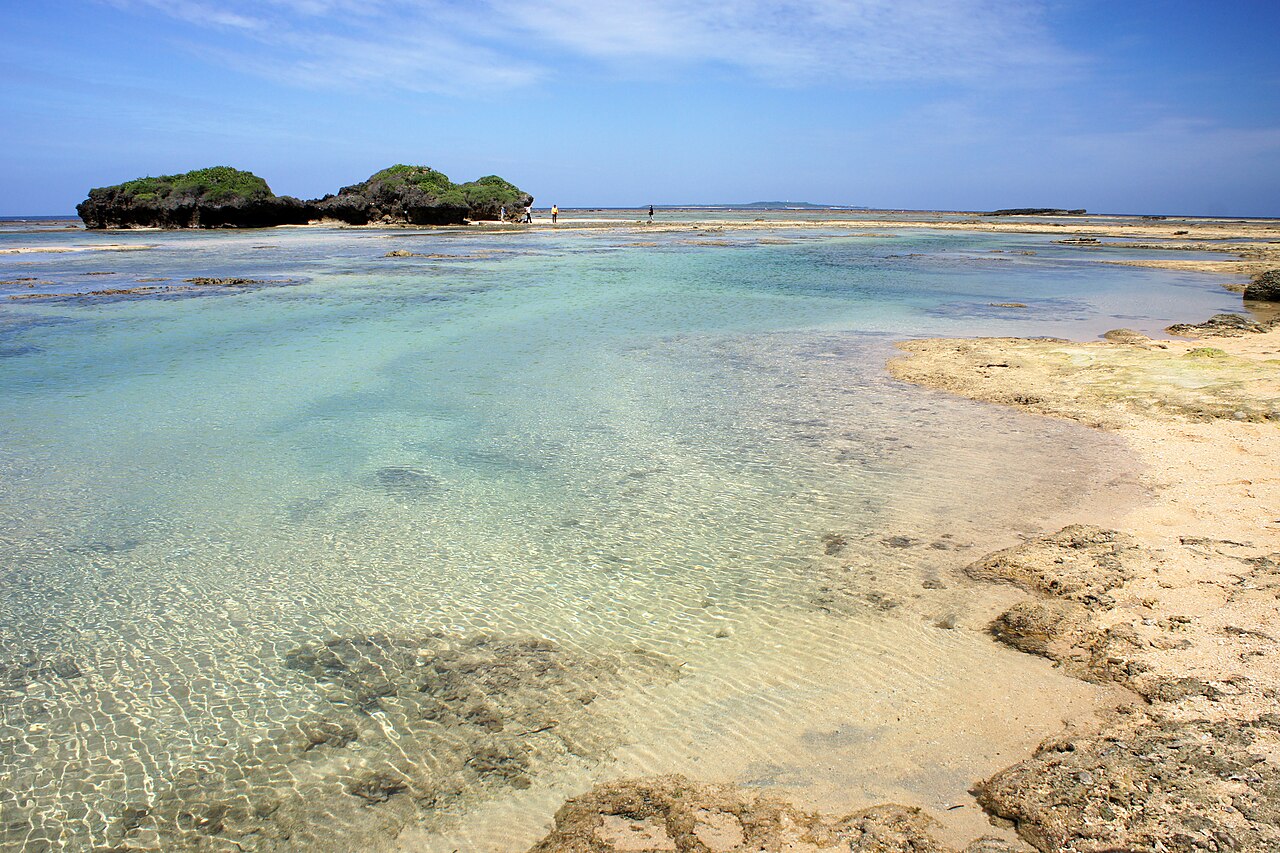
Is the Archipelago for Everyone?
For the first-time visitor to Japan, the Yaeyama Islands may seem like an unnecessary detour. The travel time and logistical requirements are significant. However, for the traveler who has already traversed the mainland and seeks to understand the periphery of the Japanese identity, the Yaeyamas are essential.
The islands offer more than just beaches; they offer a dialogue with a part of Japan that is distinctly maritime, fiercely independent, and ecologically fragile. Whether one is snorkeling in the clear, reef-protected waters or navigating the mangrove tunnels of Iriomote, the experience is one of profound connection to the natural world.
Final Travel Recommendations
- Timing: Avoid the summer peak (July–August) if possible. The heat, combined with the typhoon season, can disrupt travel plans. October and November provide the ideal window of temperate weather and lower crowd density.
- Logistics: Always maintain a "buffer day" in your itinerary. If you are traveling to an outer island like Hateruma or Yonaguni, the weather can cancel ferries at a moment’s notice. Never book a tight connection back to the mainland.
- Respect: Learn a few phrases of greeting. While Japanese is widely understood, showing an appreciation for the local Ryukyuan history and customs goes a long way in fostering positive interactions with the local community.
In conclusion, the Yaeyama Islands are a masterclass in biodiversity and cultural resilience. To visit them is to witness a version of Japan that defies the common stereotypes of the mainland, offering instead a serene, wild, and deeply traditional landscape that remains one of the most compelling destinations in East Asia.












No comments yet. Be the first to join the conversation!