Lina Irawan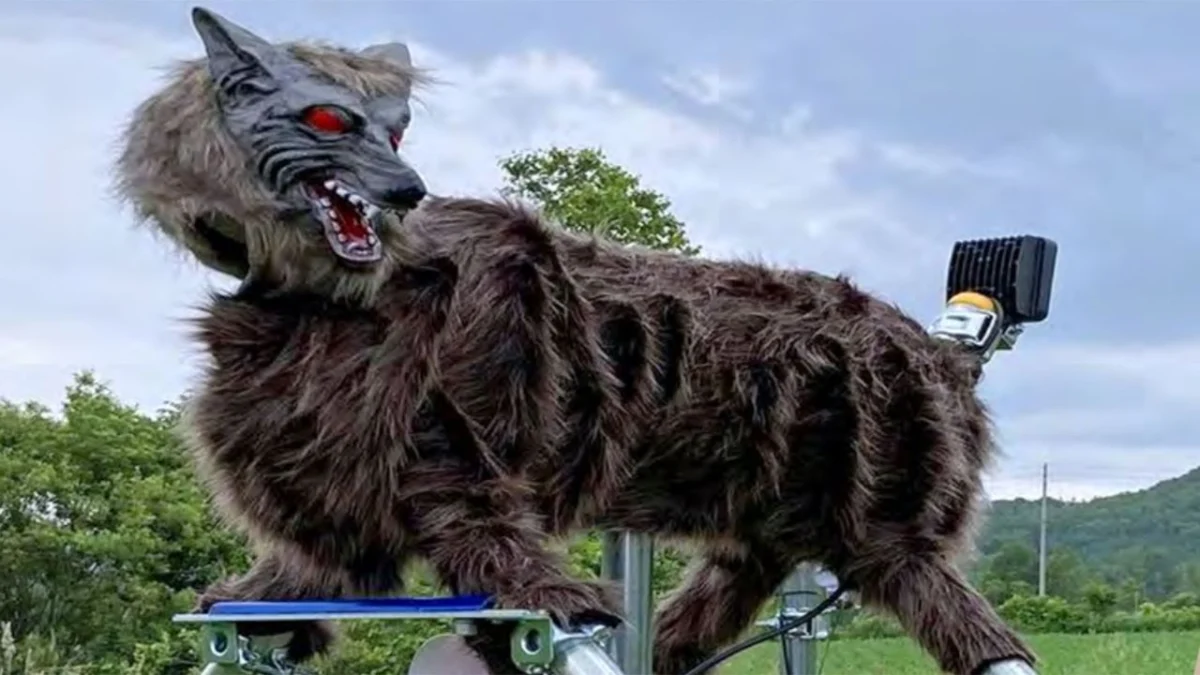
As human expansion continues to encroach upon the rugged, forested landscapes of rural Japan, a primal conflict has resurfaced with modern intensity. Bears, emboldened by food scarcity and habitat loss, are venturing closer to human settlements with alarming frequency. In response, the nation is turning to a startling, high-tech deterrent: the Monster Wolf. Produced by the Hokkaido-based firm Ohta Seiki, these animatronic predators are currently seeing unprecedented demand, turning a niche wildlife management tool into an essential component of public safety.
The Rising Tide of Human-Wildlife Conflict
The relationship between Japan’s human population and its wild bear population has reached a critical tipping point. Data from the past year paints a grim picture of the escalating risks faced by residents in rural prefectures. According to the most recent statistics, bears were responsible for the deaths of 13 people in Japan last year—a figure that more than doubles the fatality rate of the preceding year.
Beyond these tragic encounters, the sheer volume of sightings has shattered all previous records. With over 50,000 reports of bear sightings nationwide, the country is grappling with an unprecedented level of wildlife intrusion. These sightings are not merely localized anomalies; they represent a systemic shift in how bears are interacting with human infrastructure, moving from deep wilderness into residential outskirts, agricultural fields, and even urban peripheries.
The Anatomy of the ‘Monster Wolf’
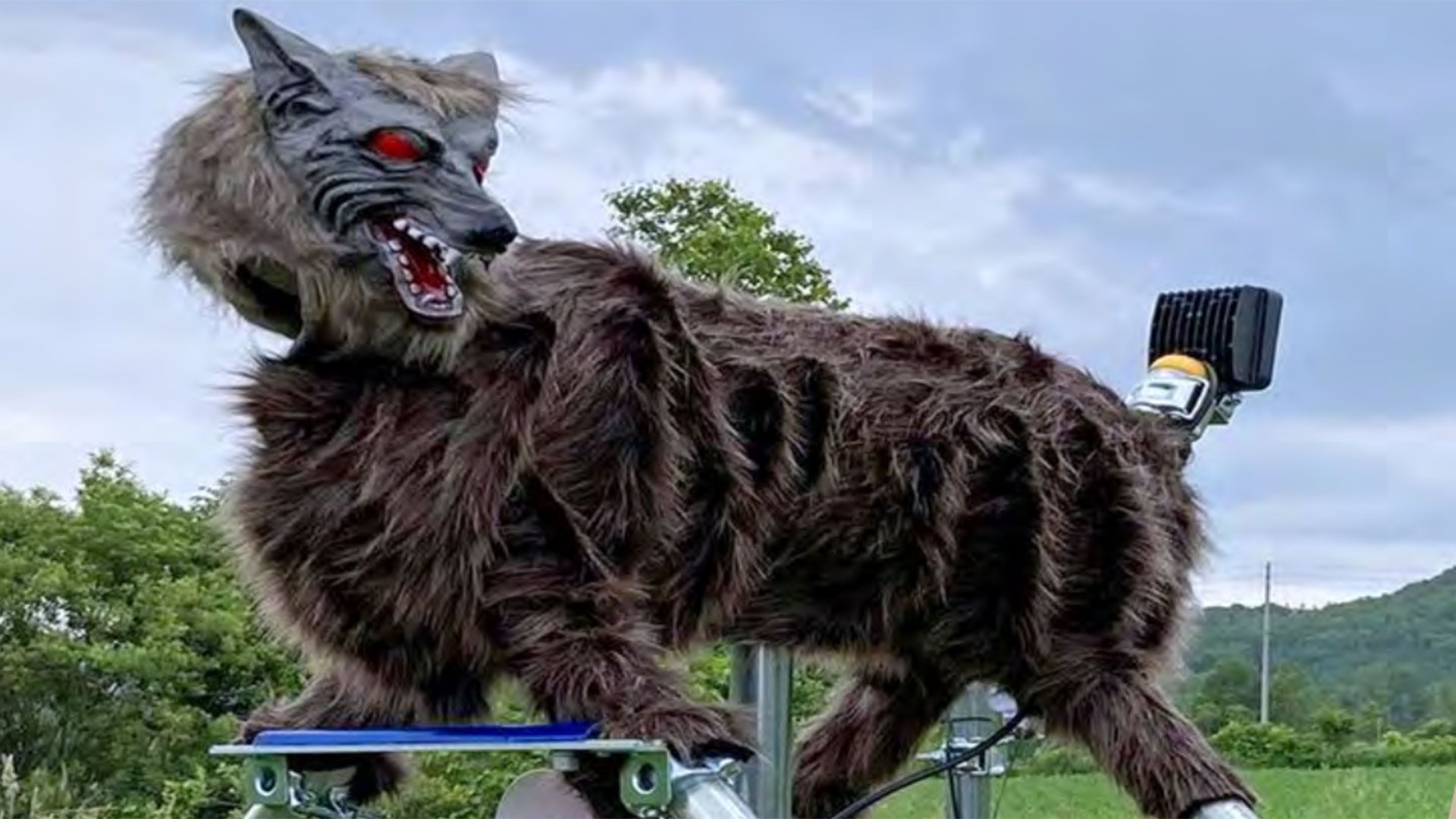
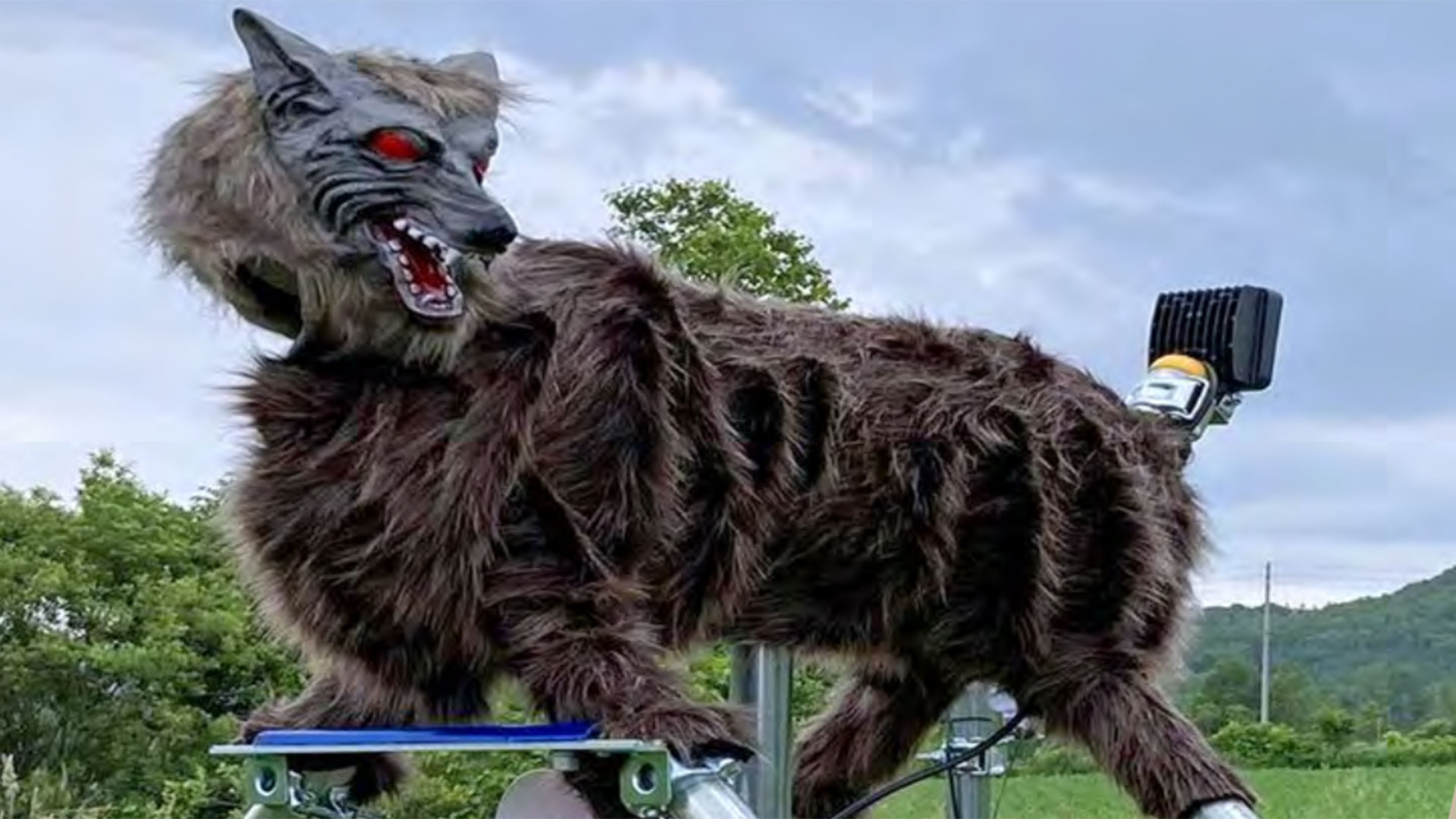
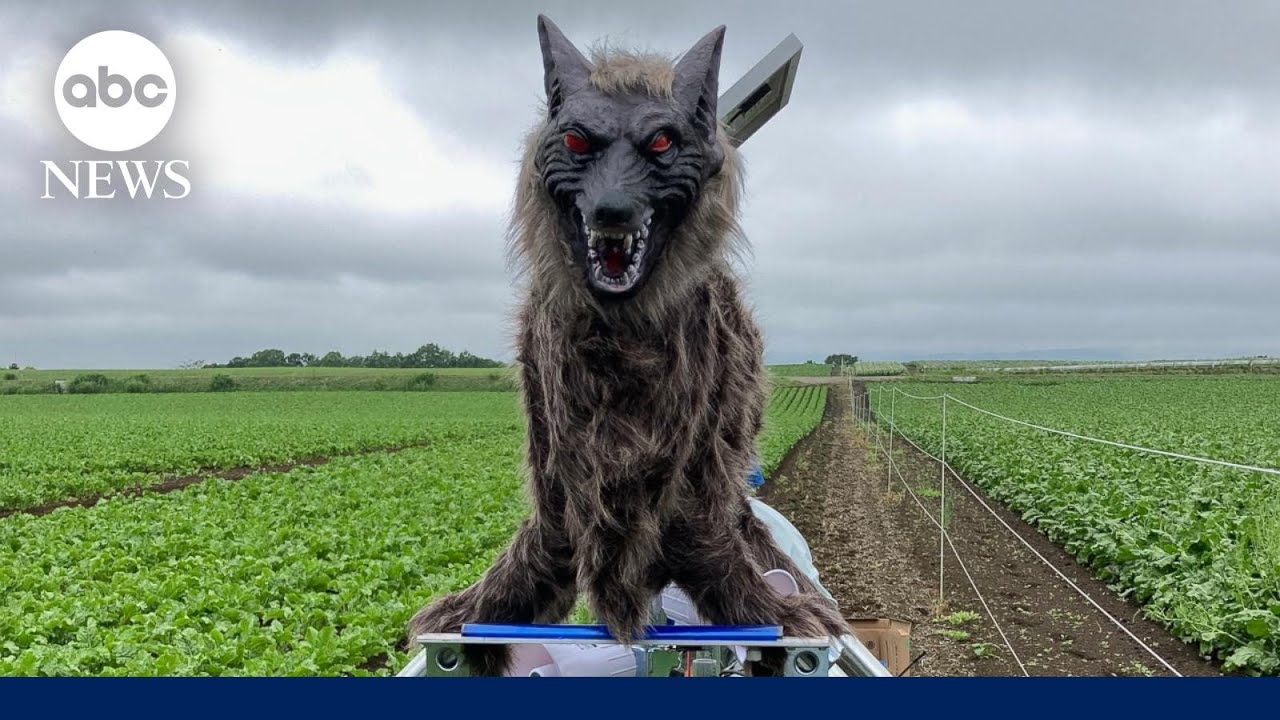
The "Monster Wolf," officially known as the Super Monster Wolf, is a sophisticated piece of animatronic engineering designed specifically to exploit the natural wariness of wild animals. Measuring roughly three feet in length, these robots are far from stationary scarecrows. They are designed to simulate the presence of an apex predator that has long been extinct in many parts of the Japanese archipelago.
Core Features and Deterrence Mechanisms
The effectiveness of the Monster Wolf lies in its multisensory approach to intimidation. The unit is equipped with:
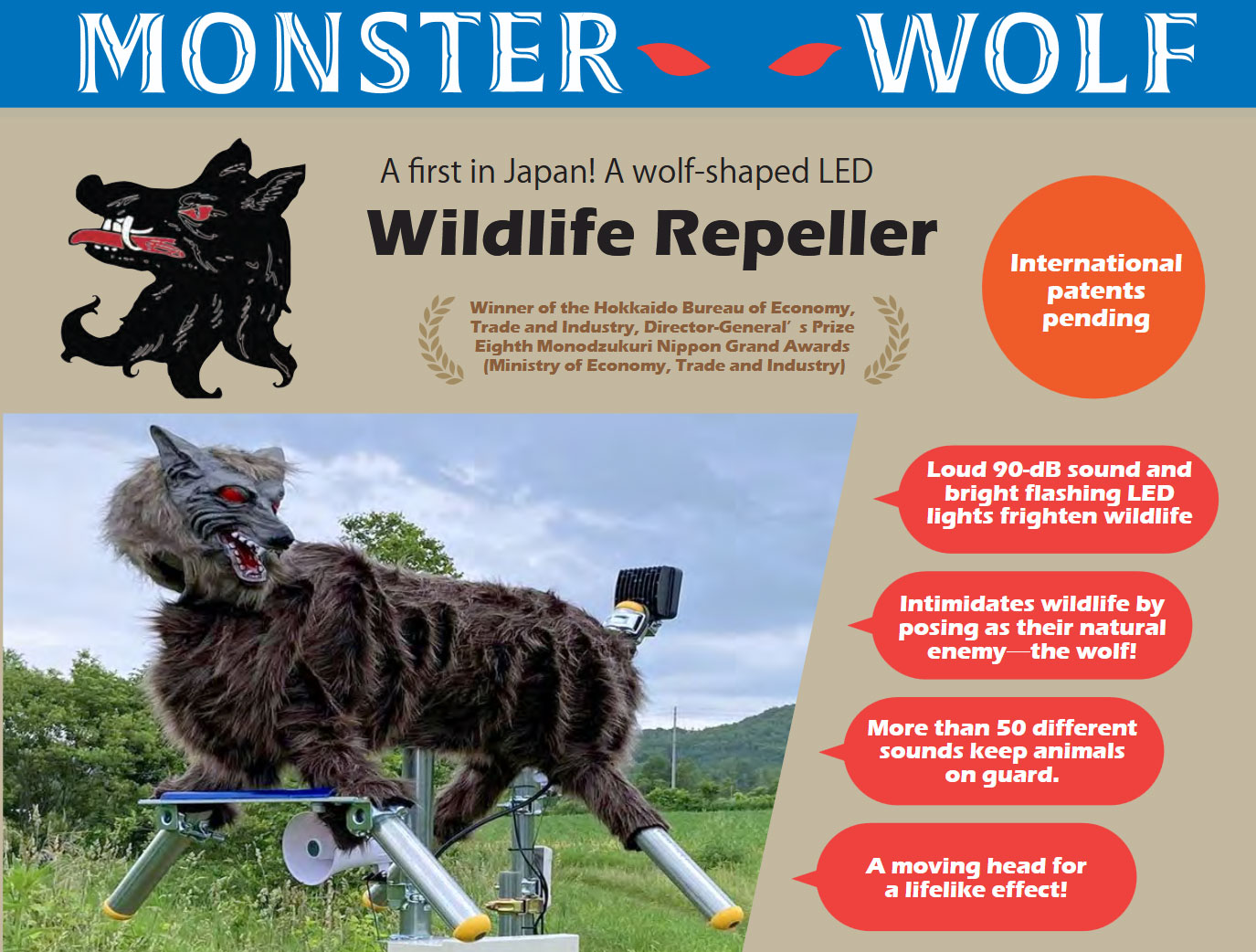
- Dynamic Visuals: The robot features glowing red LED eyes and a blue under-lighting system that provides a menacing silhouette during dusk and nighttime hours, when bear activity is most prevalent.
- Sonic Aggression: Rather than emitting a single, repetitive noise, the Monster Wolf boasts a library of 50 distinct sounds—ranging from growls and howls to mechanical shrieks—that keep wildlife from becoming accustomed to a single pattern.
- Aggressive Movement: The robot is capable of swinging its head side-to-side, mimicking the behavior of a territorial animal guarding its domain.
- Integrated Sensing: An infrared motion sensor allows the unit to remain in a low-power "sleep" state, activating instantly when movement is detected within its perimeter.
The mechanical prowess of these units is matched by their operational efficiency. Power is typically drawn from a 12V car battery, though Ohta Seiki offers an optional solar charging array. This allows the devices to be deployed in remote areas far from electrical grids, such as mountain passes or isolated farming plots.
A Supply Chain Stretched to the Breaking Point
The surge in bear encounters has transformed the Monster Wolf from a novelty into a necessity. Ohta Seiki, a company that historically produced these units in modest quantities, is now struggling to keep pace with a nationwide crisis.
"We cannot make them fast enough," Yuji Ohta, president of the company, recently told the AFP. The current order book for 2024 has already reached 50 units—a number that previously represented an entire year’s production volume. To manage the bottleneck, the company has had to issue warnings to potential buyers, advising them of a two-to-three-month lead time for fulfillment.
This production crunch highlights the reactive nature of the current safety measures. Municipalities, farmers, and even school districts are rushing to secure these units as the traditional methods of bear management—such as culling or physical fencing—prove insufficient or environmentally and socially contentious.
A Chronology of the Crisis and Intervention
The deployment of the Monster Wolf is the latest chapter in a long-standing struggle to manage the Japanese black bear and brown bear populations.
- Early 2000s: Initial discussions regarding the loss of wolves in the wild led to the conceptualization of robotic alternatives to keep wild boar and deer out of crops.
- 2016–2018: Early prototypes of the Monster Wolf were tested in agricultural zones in Hokkaido. Early data suggested that the visual and auditory stimulation was highly effective at keeping wildlife at a distance.
- 2022–2023: As climate change and forest mismanagement forced bears to forage closer to cities, the focus of the Monster Wolf shifted from protecting crops to protecting human lives.
- 2023–2024: The record-breaking year for fatalities and sightings triggered a massive spike in commercial and municipal demand, moving the technology into the mainstream of Japanese disaster and wildlife prevention strategy.
Technological Evolution and Future Prospects
Ohta Seiki is not resting on its laurels. Recognizing that the current iteration of the Monster Wolf is merely a starting point, the company is actively researching ways to refine the technology.
AI-Driven Deterrence
One of the most promising avenues of research involves the integration of AI-powered cameras. Currently, the robots rely on simple infrared motion sensing, which can be triggered by wind, swaying branches, or non-target animals. By incorporating computer vision, the units could be programmed to distinguish between a bear and a human or domestic pet, allowing for more targeted and intelligent responses.
Personal Safety Devices
Perhaps the most ambitious expansion is the development of a handheld version of the Monster Wolf. The goal is to provide hikers, anglers, and schoolchildren with a portable deterrent that they can carry into the wilderness. If successful, this could turn the passive defense of a stationary robot into an active, mobile shield for individuals traversing high-risk areas.
Beyond the Wolf: The Broader Tech Ecosystem
The Monster Wolf is not the only high-tech solution being tested in Japan. The crisis has catalyzed a wave of innovation in the field of non-lethal wildlife management. For instance, in Ishinomaki City, Miyagi Prefecture, authorities have deployed sophisticated anti-bear drones. These aerial units can track bear movements in real-time and, when necessary, deploy non-lethal deterrent sprays with remarkable precision, hitting targets within a 10cm radius from a range of one kilometer.
These technologies, when used in tandem, represent a paradigm shift. Rather than relying solely on the lethal removal of animals, the Japanese government and private firms are exploring a "technological perimeter"—a mix of robotics, drones, and AI that creates a buffer zone between human habitation and the wild.
The Societal Implications
The reliance on robots to solve a biological problem carries significant societal weight. Critics often point out that the root causes of these bear incursions—such as the aging of Japan’s rural population, the abandonment of farmlands, and the degradation of natural forests—cannot be "fixed" by an animatronic wolf.
However, in the short term, the Monster Wolf offers something that policy reform cannot: immediate, tangible security. For a farmer working in a remote field or a parent worried about a child walking home from school, the presence of a robotic sentinel provides a psychological and practical sense of protection that is difficult to quantify but essential for maintaining rural life.
Conclusion: A Balancing Act
As the world watches Japan’s experiment with the Monster Wolf, the implications for wildlife management are clear. We are entering an era where technology will be required to bridge the gap between rapidly urbanizing landscapes and the wildlife that is losing its natural habitat.
Ohta Seiki’s challenge now is one of scaling. As they expand their production and iterate on their designs, they are helping to rewrite the rulebook on how humans coexist with dangerous wildlife. While the Monster Wolf may look like a piece of science fiction, its function is firmly rooted in the harsh reality of 21st-century environmental change. Whether through the continued deployment of these mechanical guardians or the next generation of AI-integrated wildlife trackers, one thing is certain: the battle for the borders between our cities and the wild is just beginning, and technology will be our primary weapon in that struggle.

 Rifan Muazin
 Laily UPN