

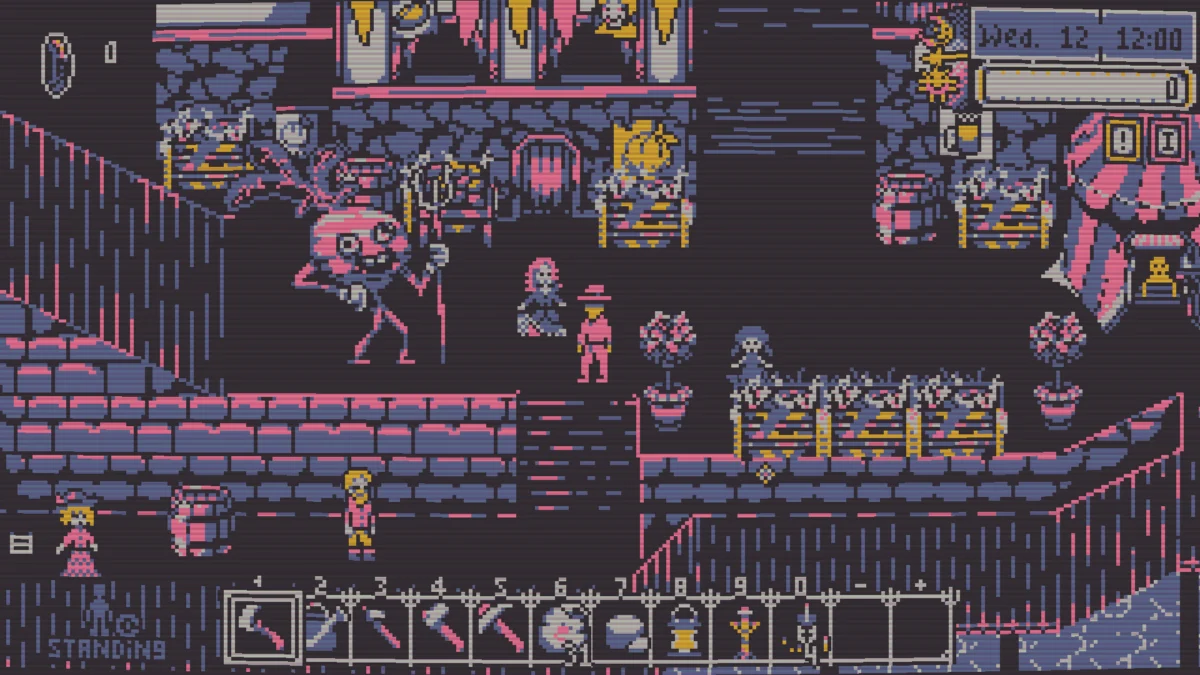
The landscape of indie gaming is often described as a gold rush, a volatile ecosystem where trends rise like tides and recede just as quickly. Currently, the "search-action" platformer—the genre more colloquially known as the Metroidvania—finds itself in a curious position. Despite the continued, almost mythical anticipation surrounding Team Cherry’s Hollow Knight: Silksong, the broader market for the genre appears to be cooling. Last week saw the release of two high-quality contenders, Shattered Divinities and Clockwork Ambrosia, yet both struggled to find oxygen in a Steam storefront dominated by the massive hype cycles of Subnautica 2 and the broader industry focus on upcoming blockbusters.
This raises a provocative question: Has the genre become a victim of its own success? Or, more accurately, is the market suffering from an acute case of genre fatigue?
The Disappearing Act of the Metroidvania
For years, the Metroidvania was the crown jewel of the indie scene. From the atmospheric exploration of Hollow Knight to the fast-paced combat of Dead Cells (which blends roguelite elements), the genre provided a reliable template for success: interconnected maps, ability-gated progression, and the allure of secrets hidden in every corner. However, as of mid-2026, the data paints a sobering picture. Not a single Metroidvania has managed to penetrate Steam’s Weekly Seller charts this year, with the notable exception of Hollow Knight: Silksong back in January.
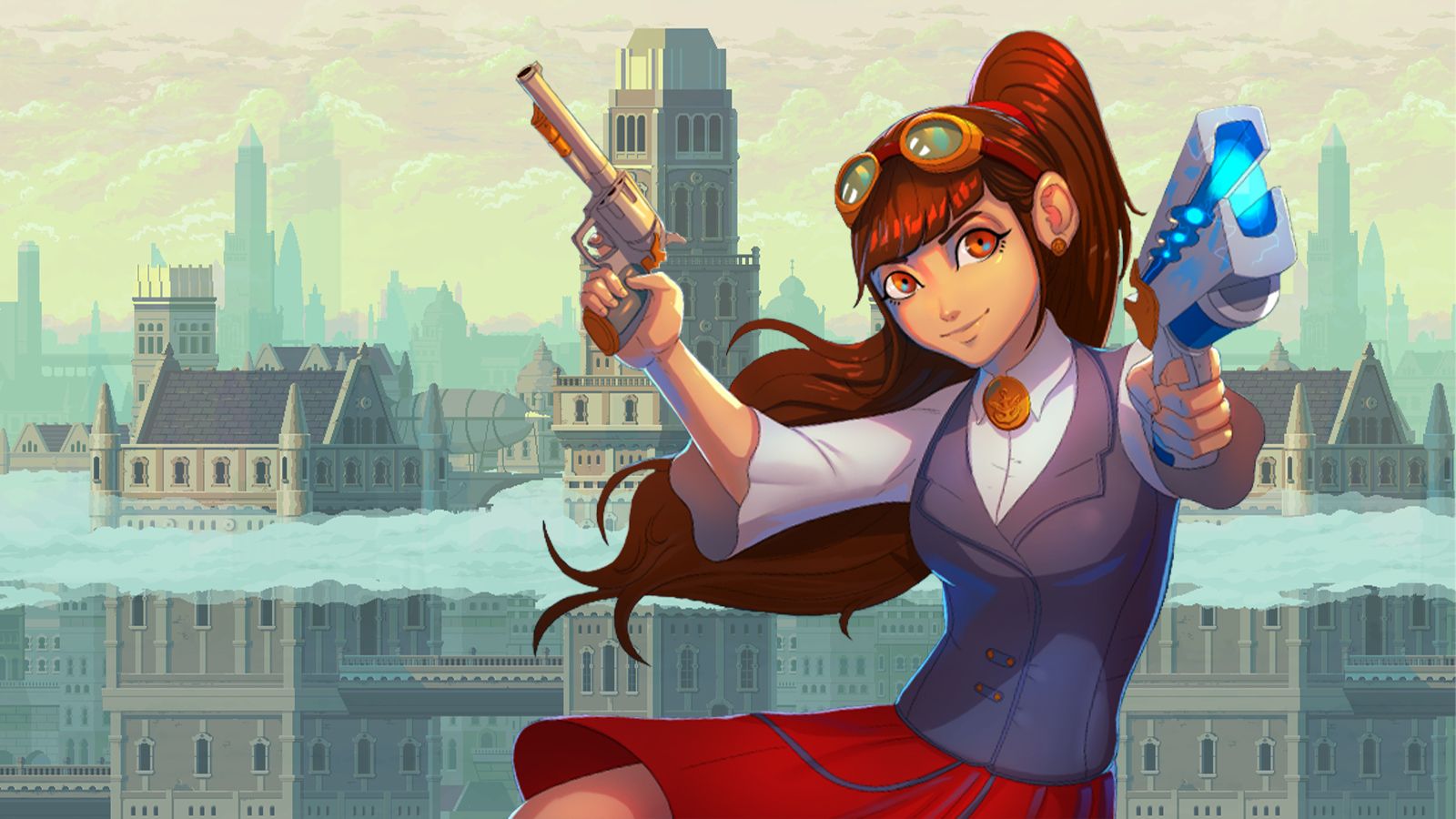
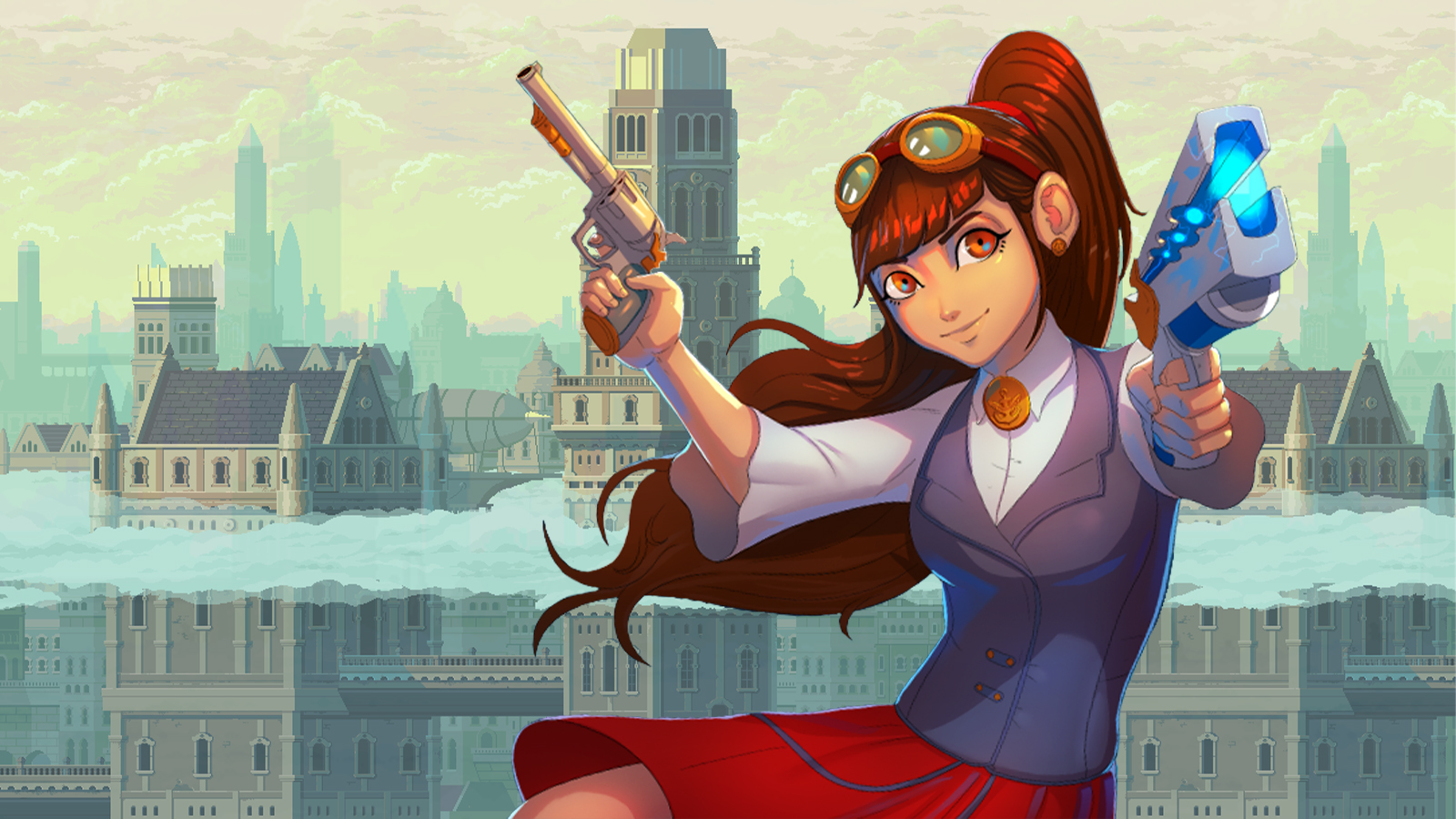
The struggle of new releases to find a foothold is emblematic of a broader shift in player attention. When Clockwork Ambrosia launched, it arrived as a polished, visually striking experience with pixel art that echoes the meticulous charm of Iconoclasts or Owl Boy. Its aesthetic—a blend of chrome-hued, futuristic sci-fi and the optimistic "blue sky" sensibilities of steampunk—is undeniably high-tier. Yet, despite its objective quality, it was effectively buried.
Chronology of a Genre’s Evolution
To understand how we arrived at this point, we must look at the trajectory of the genre over the last decade.
- 2015–2018 (The Golden Age): This period saw the meteoric rise of the indie Metroidvania. The success of titles like Ori and the Blind Forest and Hollow Knight proved that there was a massive, hungry audience for exploration-heavy platformers. It was during this window that Realmsoft initiated the Kickstarter campaign for Clockwork Ambrosia. At the time, the project was seen as a guaranteed success, tapping into a market that was thriving and expanding.
- 2019–2023 (The Saturation Point): As the barrier to entry for game development lowered, the market became flooded with "Metroidvania-lite" experiences. While some were masterpieces, others failed to iterate on the formula, leading to a dilution of the genre’s prestige.
- 2024–2026 (The Correction): We are currently witnessing a market correction. Players are becoming increasingly selective, and the "buzz" factor—the ability for a game to go viral on social media or reach the top of Steam’s discovery queue—has become exponentially harder to achieve.
Analyzing the Current Steam Landscape
The weekly revenue charts provide a clear view of where the money is flowing, and currently, the focus is squarely on live-service titles and massive franchise sequels. For the week of May 5–12, 2026, the top of the chart was dominated by industry titans and high-profile pre-sales:
| Rank | Game |
|---|---|
| 1 | Counter-Strike 2 |
| 2 | Forza Horizon 6 |
| 3 | Apex Legends |
| 4 | Subnautica 2 |
| 5 | Diablo IV |
| 6 | Gamble With Your Friends |
| 7 | Far Far West |
| 8 | Heroes of Might and Magic: Olden Era |
| 9 | PUBG: Battlegrounds |
| 10 | Warframe |
The inclusion of Forza Horizon 6 is particularly telling. Even before its official launch, the game’s deluxe edition—which offered five days of early access—pushed it to the number two spot. This demonstrates a shift in consumer behavior: players are increasingly prioritizing titles that offer immediate, large-scale engagement or "early access" incentives over the slow-burn discovery of indie platformers.
Subnautica 2, charting at number four, serves as a poignant reminder of the power of established IP. Despite being one of the most wishlisted games on the platform, it is arguably performing as expected, yet its presence consumes a massive portion of the market’s attention, leaving little room for smaller titles to gain traction.
The Problem of Long-Tail Development
The case of Clockwork Ambrosia highlights a systemic issue in modern indie development: the disconnect between the start of a project and its eventual release. When a team begins development, they are often chasing a market trend that feels like a "sure thing." However, the realities of game development cycles—often spanning four to eight years—mean that by the time a game reaches the consumer, the cultural landscape may have shifted entirely.
How can a small, independent studio predict "genre fatigue" nearly a decade in advance? The truth is, they largely cannot. Modern indie development is still in its infancy, and we are only now beginning to recognize these long-arcing patterns of interest. The Metroidvania is not necessarily "dead," but it is no longer the default engine for indie success. The audience is still there, but they are becoming increasingly fatigued by derivative mechanics. To survive in the current market, developers are finding that they must either subvert the genre’s expectations entirely or offer a level of polish and unique art direction that transcends the label.
Implications for Future Indie Developers
What does this mean for the future? First, the "me-too" era of Metroidvanias is likely coming to an end. Developers who intend to release games in this space will need to focus on what makes their project unique beyond its structural genre elements.
Second, the reliance on Steam’s organic discovery algorithms is becoming a dangerous gamble. As the store becomes more crowded, developers must diversify their marketing strategies, focusing on community building long before the game reaches a "Ready for Sale" status. The "Best Steam User Review of the Week" winner, The Adventures of Sir Kicksalot, is a reminder that sometimes the most successful games are those that focus on a singular, refined, and hilarious hook that players can easily share and talk about.

Conclusion: The Path Forward
While the current statistics show a decline in the visibility of Metroidvanias, it is worth noting that "buzz" is not the same as quality. Clockwork Ambrosia and Shattered Divinities are high-quality titles that deserve attention, regardless of their position on the charts.
The industry is cyclical. Just as the current craze for "King’s Field-like" (dungeon crawlers) will eventually reach a saturation point, so too will the current appetite for massive, open-world service games. For now, the Metroidvania remains in a period of hibernation, waiting for the next Hollow Knight: Silksong to remind the world why we fell in love with interconnected, secret-filled worlds in the first place.
For the discerning player, the current climate is actually a goldmine. With the "noise" of major blockbusters pulling the mainstream audience away, those who know where to look can find hidden gems like Clockwork Ambrosia—games that offer a deep, deliberate experience that no multi-billion dollar franchise can replicate. The Metroidvania hasn’t been killed; it has simply been forced to return to its roots: a genre for the curious, the persistent, and the patient.











No comments yet. Be the first to join the conversation!