

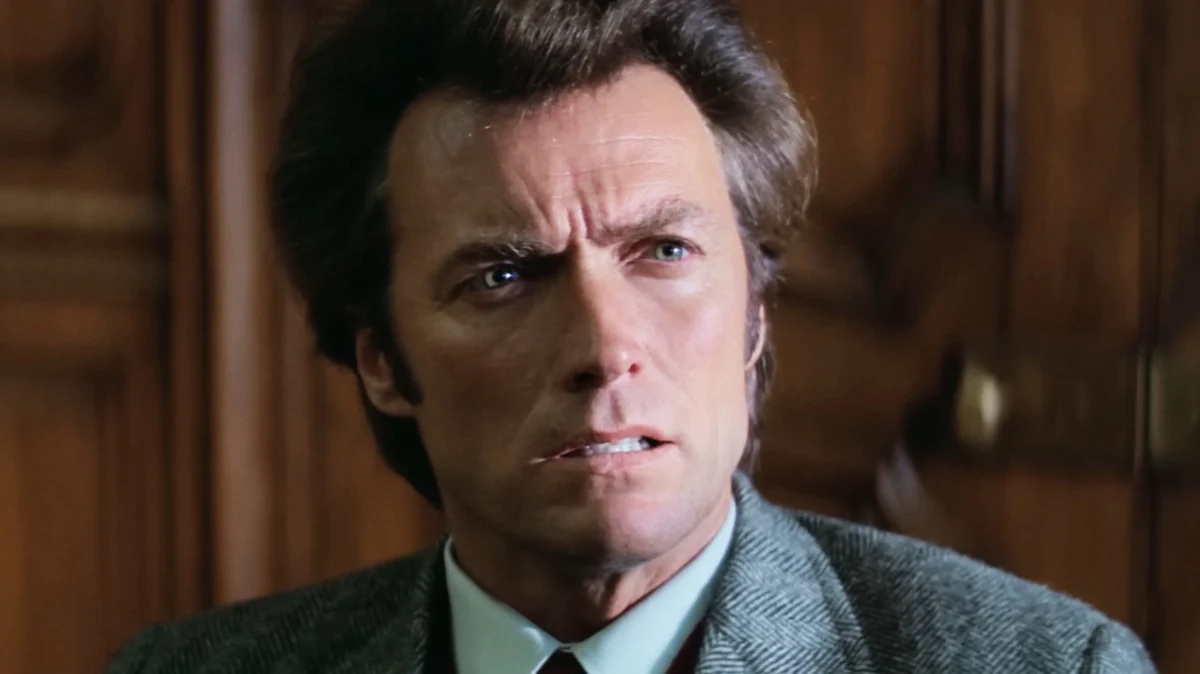
In the pantheon of cinematic icons, few figures loom as large as Sean Connery’s James Bond and Clint Eastwood’s "Man with No Name." For decades, the mere thought of these two personas colliding has been a staple of "what if" conversations among film buffs. Yet, this hypothetical crossover was nearly a reality. During a pivotal transition period for the 007 franchise, producers Albert R. "Cubby" Broccoli and Harry Saltzman approached Clint Eastwood to take up the mantle of Her Majesty’s most dangerous secret agent. Ultimately, the partnership never materialized, leaving a fascinating void in the history of spy cinema.
The Search for a Successor: A Franchise in Crisis
The departure of Sean Connery from the James Bond franchise after 1967’s You Only Live Twice sent shockwaves through Eon Productions. Connery had not only defined the role of Agent 007; he had effectively become synonymous with the character. For global audiences, there was no separation between the actor and the spy.
Broccoli and Saltzman were faced with an unprecedented creative dilemma: how does one replace an icon? The producers were desperate to maintain the momentum of the series, which had become a global phenomenon. In their search for a replacement, they cast a wide net, reaching out to several high-profile actors. While names like Burt Reynolds, Roger Moore, and even Richard Burton were discussed in the industry, the offer to Clint Eastwood remains one of the most intriguing footnotes of the era.
The Intersection of Two Worlds: The 1960s Career Trajectory
To understand why Eastwood was approached, one must look at his standing in the late 1960s. Having gained fame through the television series Rawhide, Eastwood had reinvented himself in Europe under the direction of Sergio Leone. His "Dollars" trilogy—A Fistful of Dollars, For a Few Dollars More, and The Good, the Bad and the Ugly—had fundamentally altered the Western genre.
However, in 1967, Eastwood was still in the process of transitioning from a cult European star to a bona fide American box-office titan. He was an actor of significant charisma and burgeoning marketability, making him a logical target for producers looking for someone who could carry an action-heavy franchise.
A Discrepancy in the Timeline
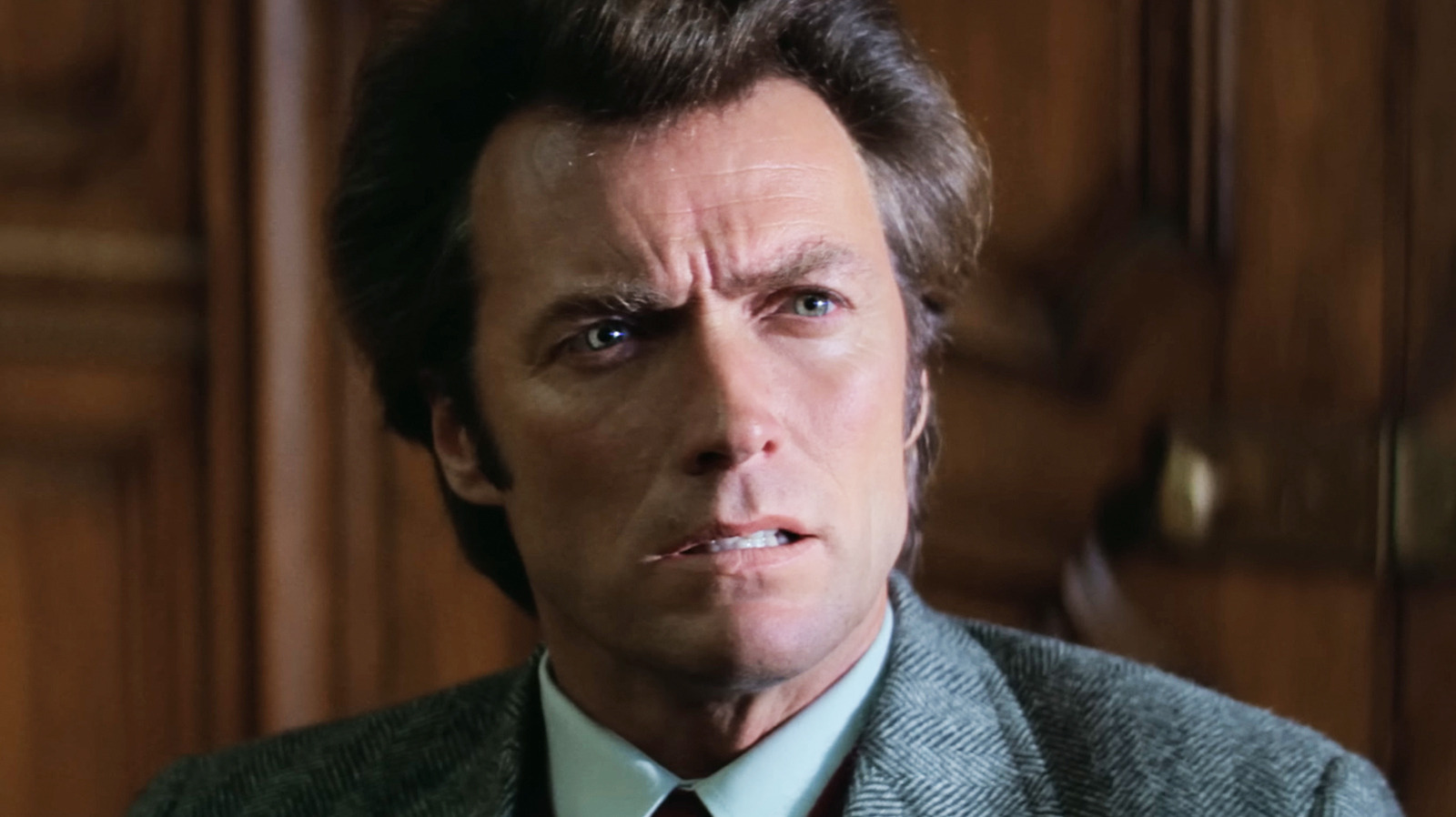
There remains some debate among film historians regarding exactly when the offer was made. Some accounts suggest the approach occurred immediately after You Only Live Twice, while others argue it may have been post-1971’s Diamonds Are Forever.
If the offer occurred in the late 60s, it would have been a massive gamble for the producers, as Eastwood had not yet solidified his status as an American superstar with hits like Dirty Harry (1971). If it occurred in the early 70s, it would have been at the height of his fame, when he was arguably the biggest movie star on the planet. Given Eastwood’s own recollections, the latter seems more likely, as he described the offer as one involving "pretty good money" at a time when he had already established his own distinct brand of stoic heroism.
The "Not My Gig" Factor: Eastwood’s Perspective
In a 2010 interview with the Los Angeles Times, Eastwood shed light on the rejection, providing a window into his professional philosophy. The producers had leveraged their connection through a shared lawyer, hoping that a personal appeal would sway the star.
Eastwood’s refusal was rooted in a profound sense of respect for the character’s origins. "This was after Sean Connery left," Eastwood explained. "My lawyer represented the Broccolis and he came and said, ‘They would love to have you.’ But to me, well, that was somebody else’s gig. That’s Sean’s deal. It didn’t feel right for me to be doing it."
This sentiment is echoed by other actors of the era. Burt Reynolds, for instance, famously turned down the role on the grounds that the character should always be played by a British actor. While Eastwood was less concerned with the nationality of the actor than he was with the "ownership" of the role, his decision highlighted a growing awareness of the Bond brand as a sacred, if rigid, entity.
The Cultural Mismatch: American Hero vs. British Spy
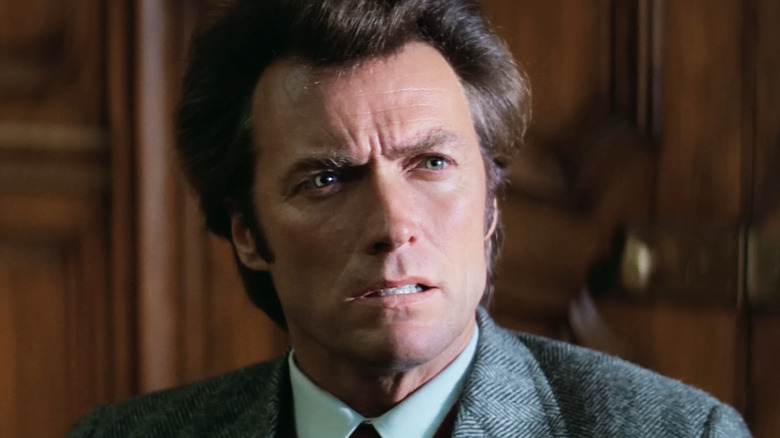
Beyond the issue of "stealing" a role from Connery, there was a fundamental artistic mismatch between Eastwood’s persona and the established Bond formula. By the early 1970s, Eastwood had cemented his image as the rugged, laconic American anti-hero. His characters—such as the iconic Harry Callahan—were defined by their grit, their lack of pretension, and their tendency to operate outside the law.
James Bond, conversely, was a product of the British establishment, defined by his refined tastes, his penchant for high-society settings, and his reliance on state-of-the-art gadgets. Placing an actor who exuded the dust and danger of the American frontier into the tux-and-martini world of 007 would have been a jarring aesthetic shift.
Eastwood eventually acknowledged this conflict, noting, "I thought James Bond should be British. I am of British descent but by that same token, I thought that it should be more of the culture there and also, it was not my thing."
The Legacy of the Rejection: The Eiger Sanction
While Eastwood never donned the tuxedo, he eventually dipped his toes into the spy genre with the 1975 film The Eiger Sanction. Directed by and starring Eastwood, the film follows an assassin forced out of retirement to climb the Eiger.
While not an official James Bond film, The Eiger Sanction functions as a fascinating "what if." Eastwood’s performance as Jonathan Hemlock is notably different from the suave, playful Bond portrayed by Roger Moore (who had taken the role by 1973). Instead, Eastwood brought a grounded, serious, and somewhat cold intensity to the role.
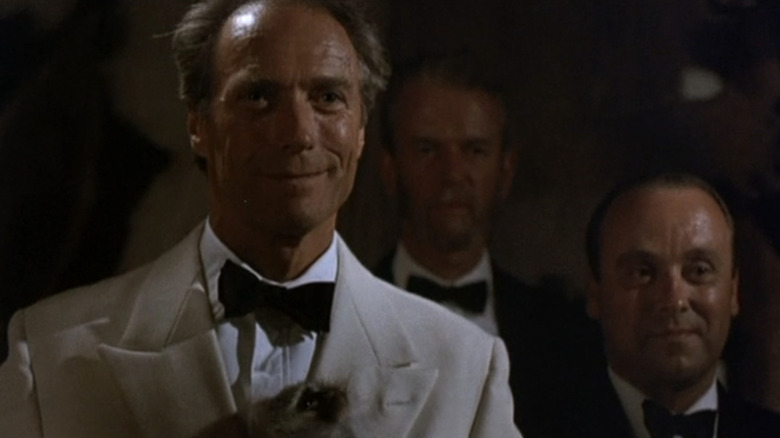
As Eastwood remarked in Conversations with Clint, "I didn’t try to play it James Bond. I tried to play it more at a serious level." In hindsight, this approach proved to be ahead of its time. When the Bond franchise eventually sought to reinvent itself in the late 80s with Timothy Dalton, and later in the 2000s with Daniel Craig, the focus shifted toward a more "serious, dour figure"—a move that mirrors the stylistic choices Eastwood made in his own foray into espionage.
Implications for the Bond Franchise
Had Eastwood accepted the role, the history of the James Bond franchise would have undoubtedly taken a sharp turn. A "Clint Eastwood Bond" would likely have been leaner, meaner, and far less dependent on the lighthearted puns that characterized the Roger Moore era. It might have moved the series toward a harder-edged, more violent realism years before it actually happened.
However, the rejection was ultimately the correct career move for both parties. For the Broccoli family, it forced them to look toward actors who better fit the quintessential British mold, eventually leading them to Roger Moore, who was able to pivot the franchise into a period of immense commercial success. For Eastwood, staying away from the constraints of the 007 franchise allowed him to cultivate his own directorial voice and build a legacy that was entirely his own.
Conclusion
The story of Clint Eastwood and James Bond is more than just a piece of casting trivia; it is a testament to the importance of an actor’s integrity. Eastwood understood that some roles are so iconic that they carry a specific identity—a "soul" that cannot simply be swapped between performers without losing something essential. By turning down the chance to be 007, he preserved the mythos of the character and ensured that his own career remained firmly rooted in the rugged, quintessentially American terrain where he thrived.
Today, we can look back at this near-miss with the comfort of knowing that both the Bond franchise and Clint Eastwood found their paths. We have our suave, British 007s, and we have our laconic, American legend. The world of cinema is richer for the fact that they remained separate.











No comments yet. Be the first to join the conversation!