

The landscape of South Korean television has undergone a seismic shift over the past two decades. As streaming giants like Netflix and Disney+ have turned the "Hallyu" (Korean Wave) into a daily habit for millions of global viewers, the industry has pivoted toward higher budgets, polished cinematography, and high-concept genre experiments. Yet, despite the glossy sheen of modern productions, the foundation of the K-drama phenomenon remains rooted in the classics—series that, despite being over a decade old, possess an emotional resonance and narrative ambition that continue to influence the medium today.
While these older titles may lack the modern aesthetic polish, their contributions to storytelling, character archetypes, and cultural diplomacy are immeasurable. From the tragic melodramas that first captivated international audiences to the office dramas that normalized the struggles of the working class, these ten foundational series remain essential viewing for any student of the medium or anyone simply looking for a binge-worthy masterpiece.
The Foundations of Hallyu: A Chronology of Influence
The rise of the K-drama as a global commodity was not accidental; it was a deliberate evolution of storytelling that prioritized deep, often heartbreaking emotional connections.
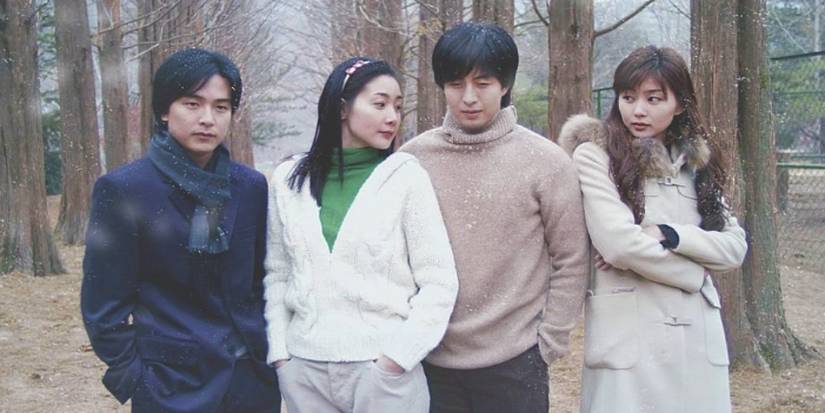
10. ‘Winter Sonata’ (2002): The Architect of Fate
Winter Sonata is widely credited as the catalyst for the Korean Wave’s explosion into Japan and beyond. It established the "melodrama of fate" template—a narrative structure defined by tragic pasts, noble sacrifices, and the agonizing beauty of missed connections. While its pacing is slower than today’s frenetic storytelling, its emotional core remains pristine. The story of Joon-sang and Yoo-jin, two high school sweethearts separated by a tragic accident and reunited by a web of amnesia and mistaken identity, serves as the DNA for nearly every romance drama that followed.

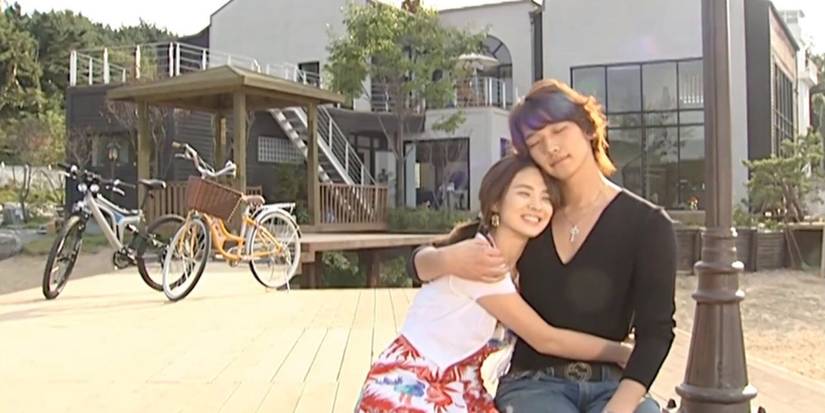
9. ‘Full House’ (2004): The Contractual Comedy
If Winter Sonata brought the tears, Full House brought the wit. By pioneering the "contract marriage" trope, the series gave us the quintessential bickering dynamic between a naive writer and an arrogant actor. The chemistry between Rain and Song Hye-kyo redefined the romantic comedy, proving that a series could be light, stylish, and endlessly rewatchable. Its influence is visible in modern hits like Business Proposal or Full House’s many spiritual successors.
8. ‘My Lovely Sam-soon’ (2005): Challenging the Archetype
At a time when female leads were expected to be ethereal princesses, My Lovely Sam-soon (or My Name is Kim Sam-soon) introduced a protagonist who was messy, opinionated, and refreshingly real. Tackling themes of body image and professional insecurity with unprecedented candor, the show achieved a staggering 50.5% finale viewership rating. It remains a watershed moment for feminist narratives in Korean television, proving that a flawed, "unfiltered" woman could carry a record-breaking series.
Breaking Boundaries and Setting Trends
As the 2000s progressed, K-dramas began to move beyond simple romance, experimenting with social commentary and genre-bending narratives.
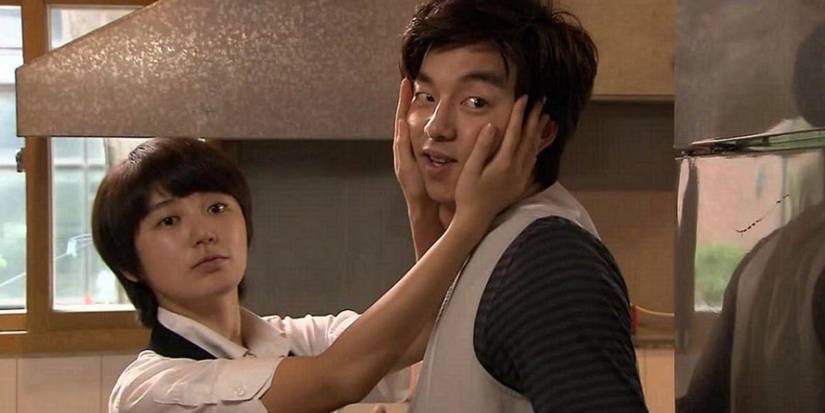
7. ‘Coffee Prince’ (2007): Love Without Labels
Coffee Prince remains a masterclass in progressive storytelling. By centering on a woman who poses as a man to work at an all-male cafe, the show explored themes of gender identity and same-sex attraction with a sensitivity that was years ahead of its time. Gong Yoo’s performance as a man grappling with his own sexuality remains one of the most honest depictions of internal conflict in the genre. It is a timeless reminder that love, at its core, is about the person, not the label.
6. ‘Boys Over Flowers’ (2009): The Ultimate Guilty Pleasure
Often described as the most influential drama in the history of the Korean Wave, Boys Over Flowers is a spectacle of excess. With its opulent sets, intense love triangles, and unapologetic melodrama, it introduced a generation of international fans to the "chaebol" (wealthy heir) tropes that would become industry shorthand. While critics often point to its outlandish plot—including kidnappings and sudden amnesia—its impact on global pop culture and the "pretty boy" aesthetic is undeniable.
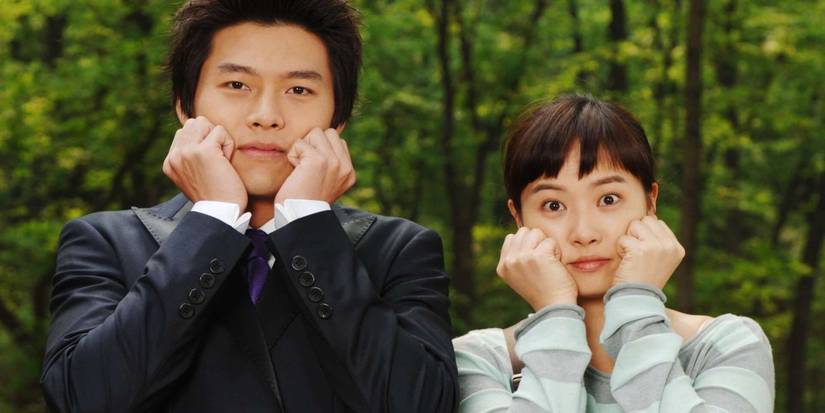
5. ‘Secret Garden’ (2010): The Body-Swap Standard
Secret Garden turned the body-swapping comedy into a staple of the genre. Beyond the humor of watching two diametrically opposed characters forced into each other’s lives, the series offered a profound exploration of class differences and trauma. Its iconic status was cemented by the "glittering tracksuit," a fashion statement that became a cultural meme, while its narrative complexity proved that comedy and psychological depth could coexist seamlessly.
The Modern Classics: Refinement and Realism
By the early 2010s, Korean dramas had hit their stride, blending high-concept fantasy with gritty, ground-level realism.
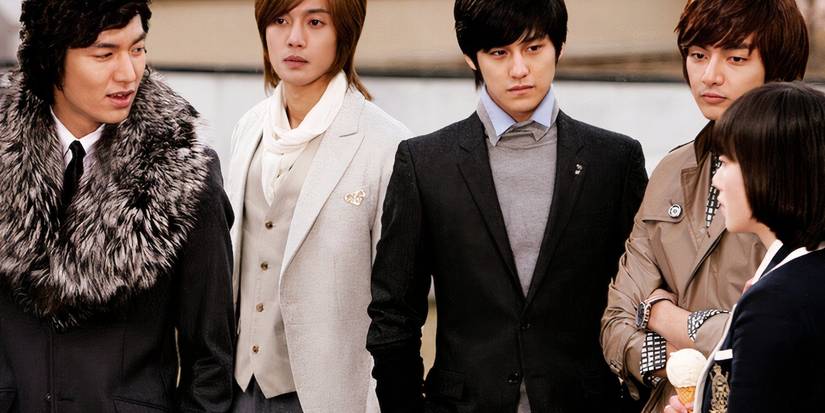
4. ‘The Heirs’ (2013): A Time Capsule of Excess
The Heirs serves as a definitive time capsule for early 2010s K-drama tropes. With a star-studded cast including Lee Min-ho and Kim Woo-bin, the show embraced its own melodrama. It is essential viewing for anyone who wants to understand the "high school hierarchy" subgenre, providing a masterclass in how to construct a compelling, if occasionally frustrating, love triangle that keeps viewers hooked for 20 episodes.
3. ‘My Love from the Star’ (2013–2014): The Fantasy Benchmark
This series revolutionized the fantasy romance. The premise—an immortal alien falling for a narcissistic top actress—provided the perfect balance of humor and heart. Its success was so massive that it influenced everything from fashion trends to culinary habits, specifically popularizing "chimaek" (fried chicken and beer) globally. Its high-quality cinematography and sharp satire of celebrity culture make it feel surprisingly modern even today.
2. ‘Misaeng: Incomplete Life’ (2014): The Corporate Reality
Misaeng stands apart as a triumph of realistic storytelling. By focusing on the grueling, soul-crushing, and ultimately rewarding life of an entry-level intern at a trading company, it abandoned the tropes of the wealthy elite for the relatable struggles of the average office worker. Its success legitimized the adaptation of webtoons into live-action dramas and served as a powerful critique of corporate hierarchies and the necessity of human perseverance.
1. ‘Healer’ (2014): The Genre Fusion Masterpiece
Healer represents the pinnacle of the mid-2010s era. By seamlessly blending high-stakes political intrigue, thrilling action sequences, and a deeply emotional central romance, it proved that a K-drama could be as intense as a Western thriller while remaining grounded in character growth. Ji Chang-wook’s portrayal of the enigmatic night courier remains one of the most beloved performances in television history, anchoring a plot that is as tightly woven as it is pulse-pounding.
Implications and The Road Ahead
The enduring legacy of these ten dramas lies in their ability to bridge the gap between cultural specificity and universal human experience. While the industry continues to evolve—embracing darker themes, shorter episode counts, and global distribution platforms—the lessons learned from these classics remain relevant.
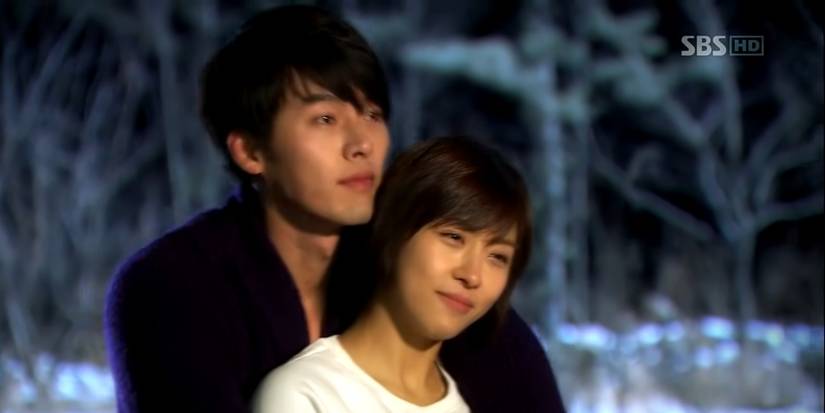
Official data from streaming platforms consistently shows that "legacy" K-dramas continue to see high rewatch rates. This indicates that the audience’s appetite for these foundational stories is not fading; rather, it is being passed down to new generations. The industry’s current focus on high-concept, big-budget productions is undoubtedly a response to the global demand for Korean content, but the success of these older series provides a roadmap for the future.
Ultimately, these dramas were more than just entertainment; they were the building blocks of a cultural movement. By prioritizing emotional depth, character development, and a willingness to push the boundaries of television, they transformed the K-drama from a regional niche into a global powerhouse. As we look toward the next decade of television, these classics stand as a reminder that regardless of the budget or the technology, it is the heart of the story that ensures its immortality.









No comments yet. Be the first to join the conversation!