Neng Nana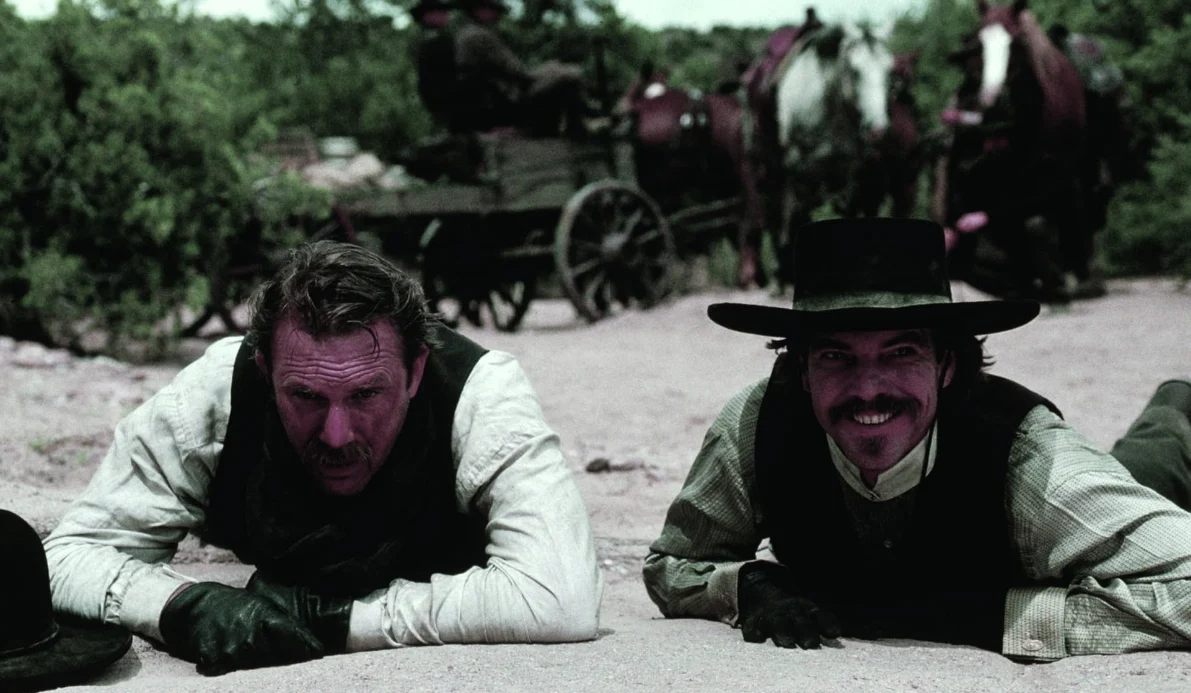
By Alfredo Federico Robelo | May 18, 2026
Acting is an exercise in profound empathy and technical precision. It requires performers to inhabit the skin of individuals from different eras, social strata, and geographies. Yet, when an actor is tasked with adopting a foreign dialect, the results can often range from transformative brilliance to, more frequently, a distracting linguistic catastrophe. A believable accent is the cornerstone of world-building; when it fails, the "suspension of disbelief"—the very engine of cinema—often grinds to a halt.

While it is easy to view these performances as mere fodder for ridicule, they serve as a fascinating case study in the intersection of performance art and vocal technique. Whether due to poor coaching, over-ambition, or a fundamental mismatch between performer and character, these 15 instances remain etched in the collective consciousness of film fans as the most glaring examples of accents gone awry.
The Mechanics of Failure: Why Accents Collapse
The difficulty of mastering a dialect cannot be overstated. A convincing accent involves not just the phonetic alteration of vowels and consonants, but the replication of specific prosody, rhythm, and intonation patterns unique to a region. When an actor focuses too heavily on "sounding like" the dialect, they often lose the internal logic of the character’s emotional truth.
The following chronology of cinematic missteps explores the history of these vocal performances, spanning from the mid-20th century to the modern era, illustrating how even the most lauded A-list stars have stumbled when crossing the linguistic divide.
A Chronological Look at Dialect Disasters
1. The Era of Stereotypes (1960s–1980s)
- Mickey Rooney, Breakfast at Tiffany’s (1961): Perhaps the most egregious example in film history, Rooney’s portrayal of Mr. Yunioshi is widely cited as an offensive caricature. Beyond the problematic nature of the role itself, the vocal performance was an exaggerated, grating parody that stands as a stark reminder of Hollywood’s historically poor handling of cultural representation.
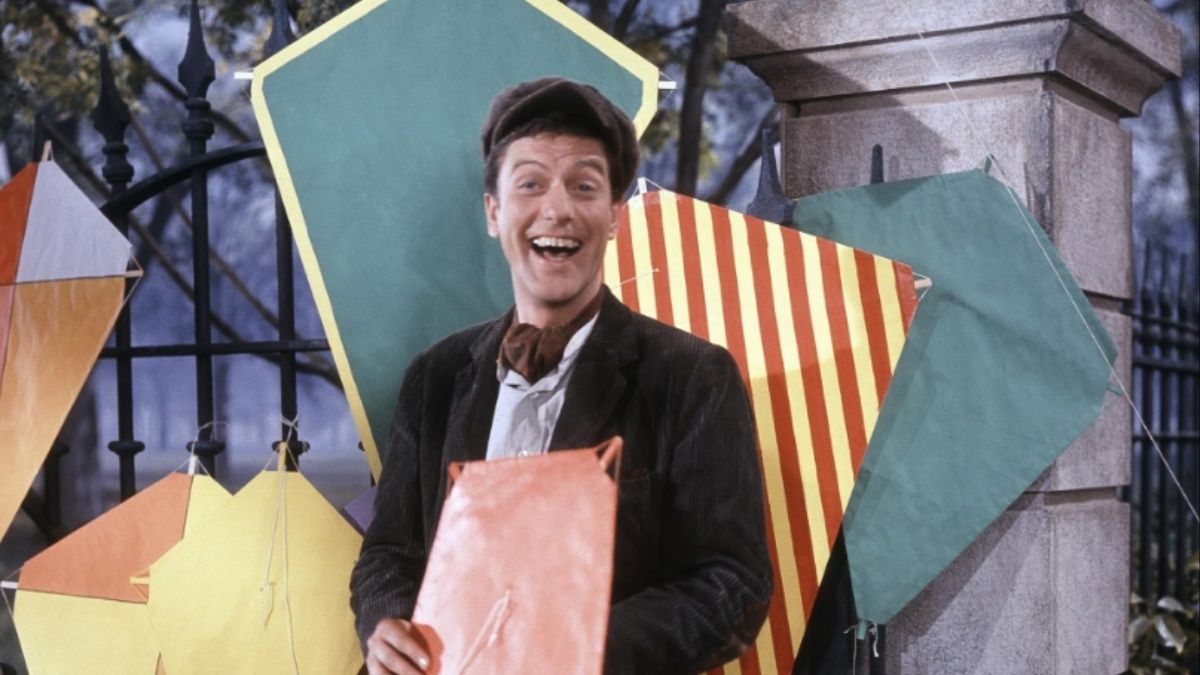
- Dick Van Dyke, Mary Poppins (1964): The gold standard of "bad" accents. Van Dyke’s attempt at a Cockney accent was so wildly inaccurate that it has become a shorthand for poor dialect work. Despite the film’s charm, his "chimney sweep" lilt remains a legendary distraction that continues to be lampooned sixty years later.
2. The High-Concept Misfires (1990s)
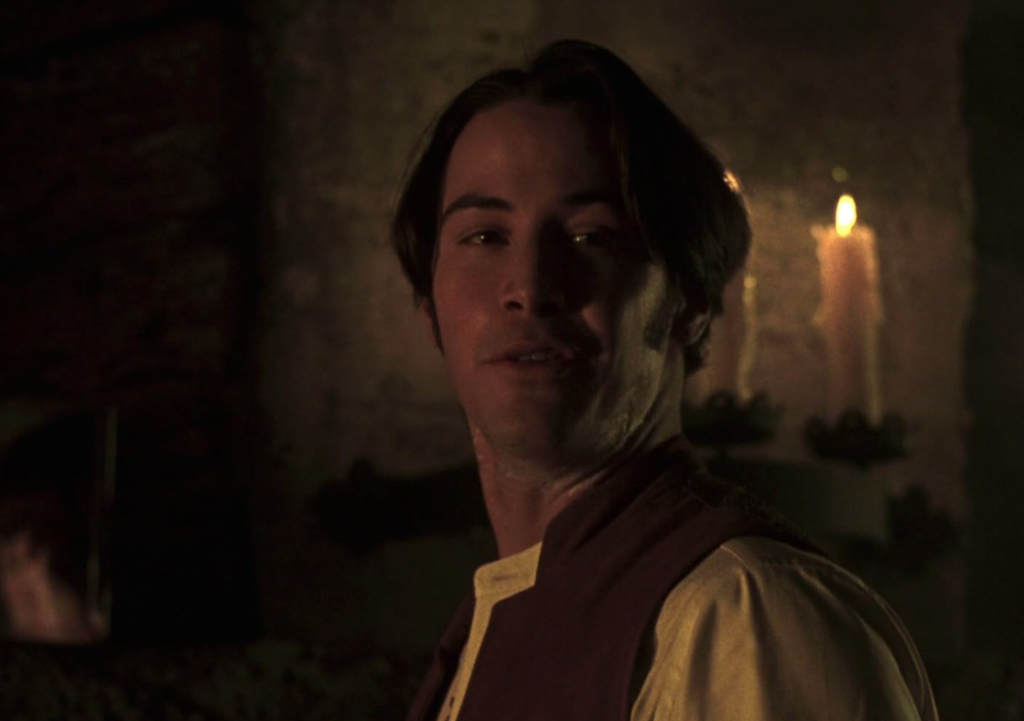
- Keanu Reeves, Bram Stoker’s Dracula (1992): In Francis Ford Coppola’s lush, gothic masterpiece, Reeves’ performance as Jonathan Harker is famously dissonant. His attempt at an English aristocrat’s voice lacked the requisite crispness and cadence, making his scenes alongside the classically trained Gary Oldman feel particularly jarring.
- Tom Cruise, Far and Away (1992): Directed by Ron Howard, this historical epic featured Cruise attempting an Irish brogue. While the actor brought his signature intensity to the role, the accent proved mercurial, frequently drifting from Irish to American, effectively pulling the viewer out of the 19th-century setting.
- Forest Whitaker, The Crying Game (1992): An anomaly in an otherwise critically acclaimed film, Whitaker’s Irish accent was frequently criticized for its lack of authenticity. In a film grounded in the specific, gritty reality of the Troubles in Northern Ireland, his dialect work failed to bridge the gap between his American roots and the character’s origins.
3. The New Millennium’s Linguistic Drift (2000s–2010s)
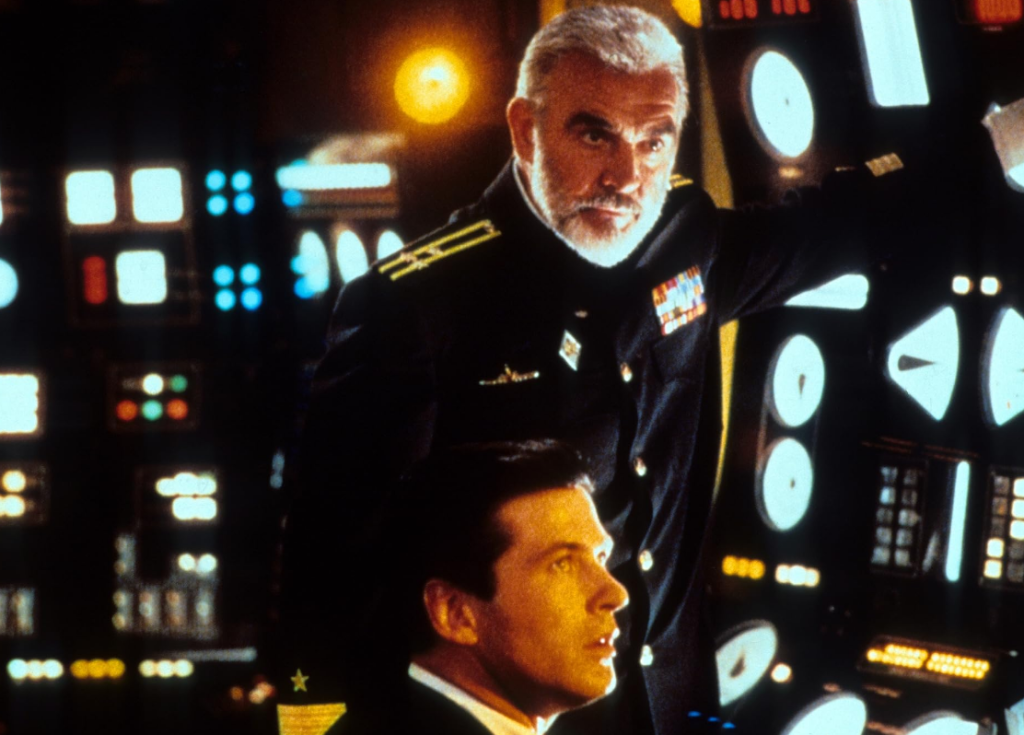
- Sean Connery, The Hunt for Red October (1990/1999 context): While the film is a Cold War classic, the casting of the quintessentially Scottish Connery as a Lithuanian Soviet submarine captain is the ultimate example of "the star is the accent." Connery didn’t try to sound Lithuanian; he simply remained Sean Connery, creating a performance that is beloved for its utter lack of realism.
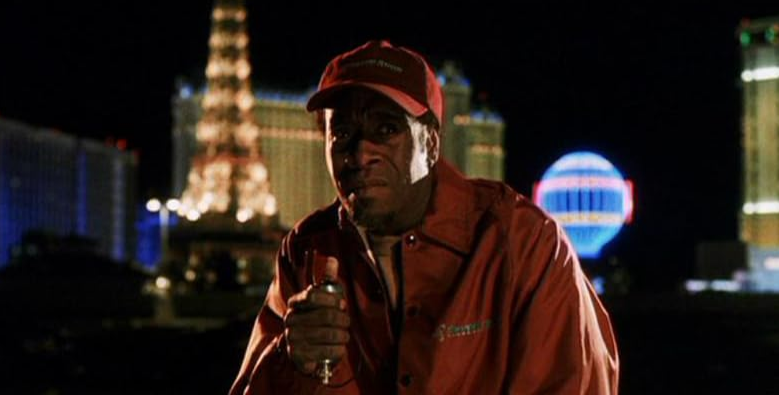
- Don Cheadle, Ocean’s Eleven (2001): Cheadle’s Basher Tarr is a fan favorite for his technical prowess, but his attempt at a London Cockney accent is widely considered one of the worst in modern memory. It serves as a reminder that even the most gifted dramatic actors can falter when the vocal target is too far removed from their natural range.
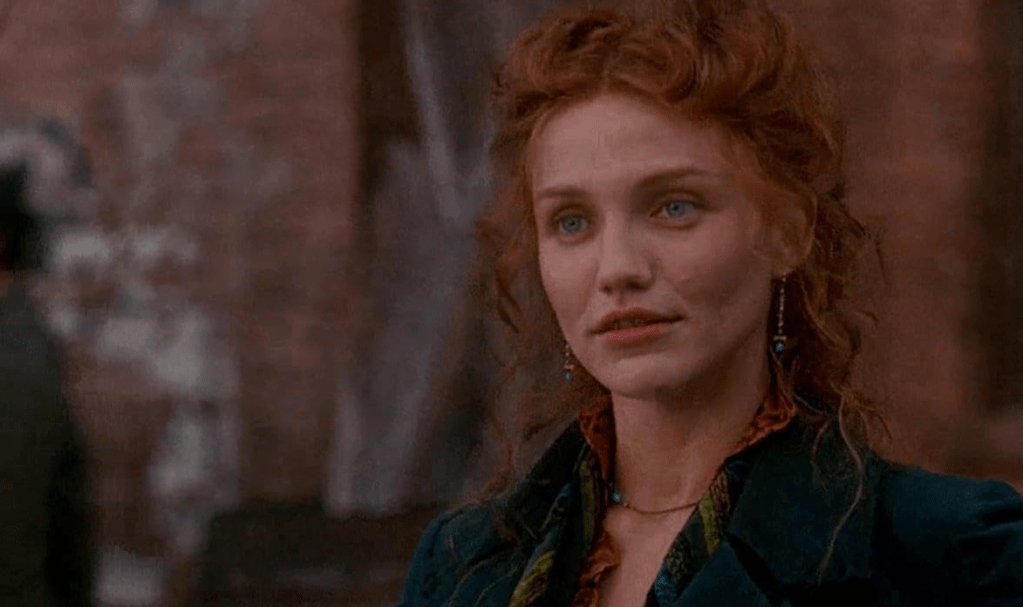
- Cameron Diaz, Gangs of New York (2002): Set against the backdrop of 19th-century New York, Martin Scorsese’s epic required a high degree of period accuracy. Diaz’s Irish accent, however, was frequently cited by critics as being inconsistent and distracting, often clashing with the more grounded performances of her co-stars.
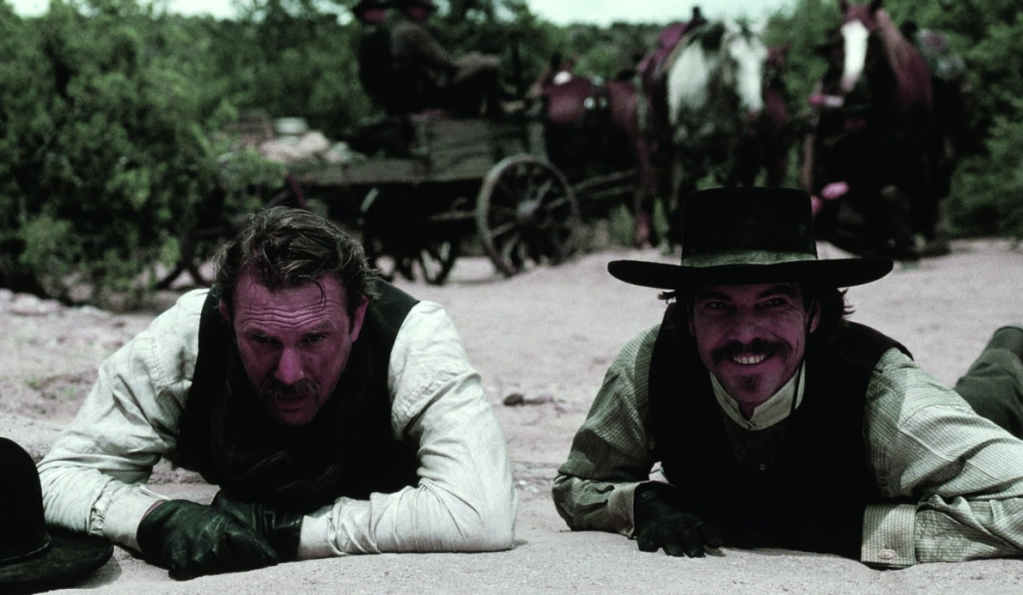
- Dennis Quaid, Wyatt Earp (1994): In a crowded field of Western epics, Quaid’s Southern drawl felt like a caricature. It lacked the subtle variations of a regional dialect, coming across as a performative "Southern" that never quite settled into the character’s skin.
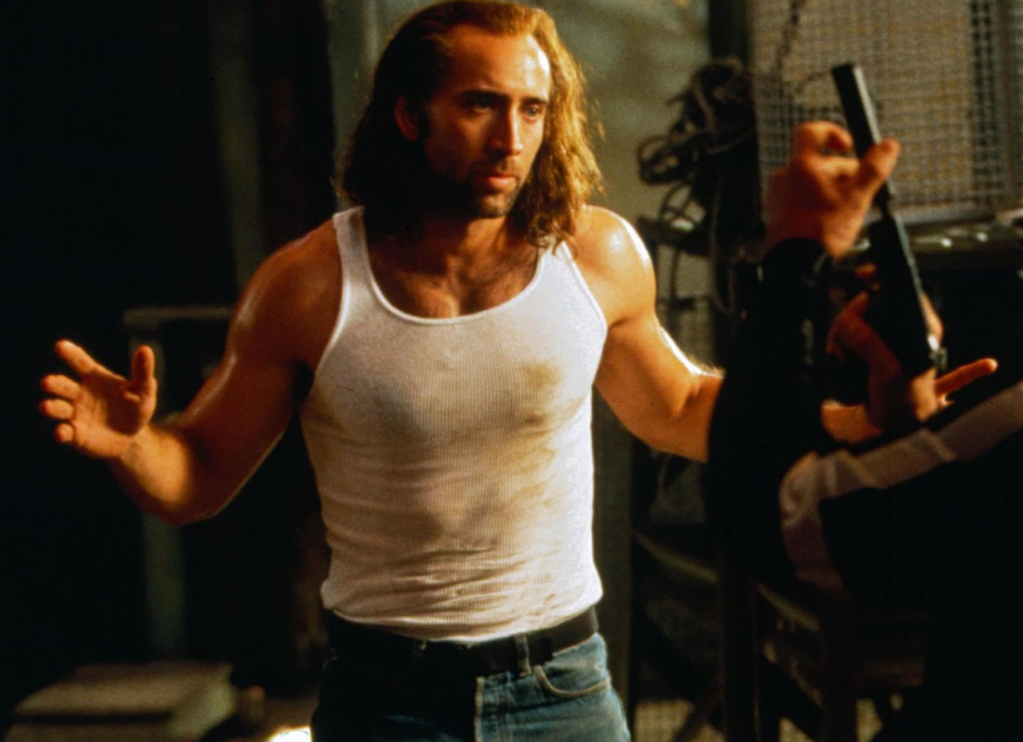
- Nicolas Cage, Con Air (1997): Cage is known for his "nouveau shamanic" acting style, and his Southern accent in Con Air is a perfect reflection of that intensity. It is not so much an accent as it is a fluctuating, volatile personality trait that changes in intensity depending on the scene’s chaos.
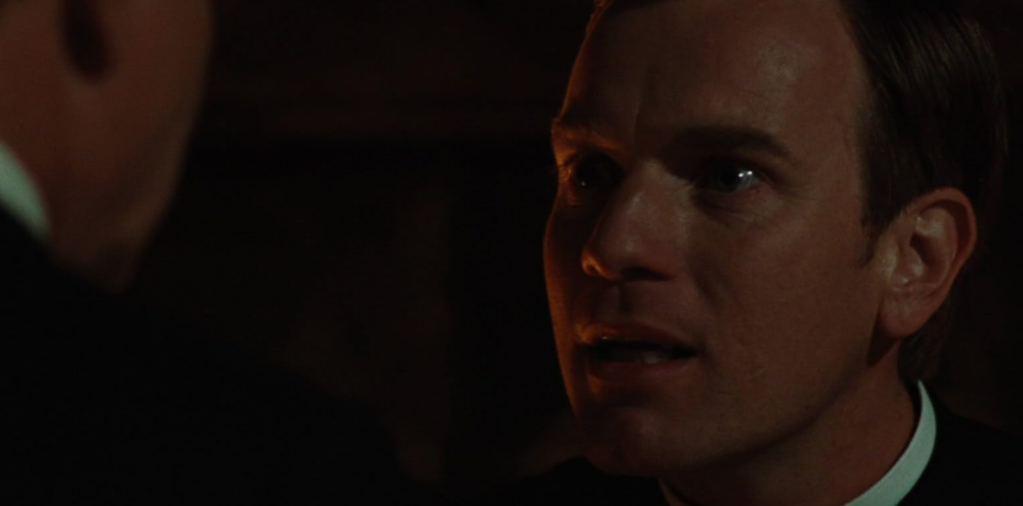
- Ewan McGregor, Angels & Demons (2009): Playing the Camerlengo, McGregor attempted an Italian cadence that proved unsustainable. Throughout the film, the accent fades and reappears, leaving the audience wondering if the character’s origins were meant to be ambiguous or if the actor simply lost his footing.
- Leonardo DiCaprio, Blood Diamond (2006): This is a polarizing entry. While many lauded the commitment to the role, the specific Rhodesian accent DiCaprio adopted was the subject of intense debate among those familiar with the dialect. It remains a "divisive" performance—technically ambitious, yet arguably missing the mark for many regional listeners.
- Emma Watson, The Perks of Being a Wallflower (2012): Watson, a British actress, attempted an American accent that was largely successful, yet sharp-eared viewers frequently noted "leaks" where her natural English vowels would slip through, particularly in high-emotion scenes.
- Jodie Foster, Elysium (2013): Foster’s performance as Secretary Delacourt featured a strange, unidentifiable pan-European accent that left many critics confused. It did not sound like a citizen of a specific nation, but rather a generic, futuristic "otherness" that felt disconnected from the film’s grounded social commentary.
- Julia Roberts, Michael Collins (1996): As Kitty Kiernan, Roberts faced the monumental task of capturing a distinct Irish voice. Unfortunately, the inconsistency of the performance became a major point of contention for viewers, often overshadowing the historical gravity of the production.
Supporting Data: The Cost of Inconsistency
While there is no "official" metric for a bad accent, the data can be gleaned from audience retention and critical reception. Research into film linguistics suggests that "accent fatigue"—the phenomenon where an audience becomes hyper-aware of an actor’s voice—occurs when the dialect is not consistent. When an actor slips out of their accent, the audience’s brain switches from "storytelling mode" to "analytical mode."
In the case of Mary Poppins or The Hunt for Red October, the disconnect became a part of the film’s cult status. In others, like Gangs of New York or Michael Collins, the linguistic failure arguably diminished the critical impact of the work, preventing the films from achieving the total immersion their directors sought.
Official Responses and Implications
The industry has taken note. In recent years, the role of the "Dialect Coach" has evolved from a luxury to a necessity. Productions now prioritize the hiring of on-set linguists who work with actors for months prior to principal photography.
"The goal is not to have an actor ‘do’ an accent," says noted vocal coach Sarah Jenkins, "it is to have the actor ‘think’ in the rhythm of that accent." When an actor fails to do this, the implications are twofold:
- Narrative Erosion: The film loses its credibility, particularly in period pieces or hyper-realistic dramas.
- Brand Impact: For stars like Tom Cruise or Keanu Reeves, a poor accent performance can lead to a lasting caricature that follows them in reviews for decades.
Conclusion: The Persistence of the "Bad Accent"
Despite advancements in coaching technology, the "weird fake accent" remains a permanent fixture in cinema. Why? Perhaps because film is, at its core, a medium of artifice. Even when a performance fails, it reminds us of the sheer difficulty of the craft. While we may cringe at a wandering Irish brogue or a forced Cockney lilt, these performances remain essential chapters in the history of film—reminding us that while perfection is the goal, the human struggle to sound like someone else is a spectacle all its own.

 Pevita Pearce
 Nana
Nana