

By Christopher Keene
In the vast, interconnected landscape of modern speculative fiction, few genres have experienced a trajectory as rapid, contentious, or influential as LitRPG (Literary Role-Playing Game). Characterized by the integration of explicit game mechanics—such as character stats, leveling systems, and quest logs—into the narrative fabric of a novel, LitRPG has moved from the fringes of internet subcultures to a dominant force in digital publishing.
For many authors, including myself, the journey into this genre was a mix of calculated research and serendipitous timing. While my own path involved traditional publishing, the heart of the genre beats within the vibrant, chaotic, and revolutionary world of self-publishing. To understand where LitRPG is going, we must first look at the foundations upon which it was built and the "rug" that covers the genre’s complex, often debated history.
The Genesis of the Game: A Chronology of Influence
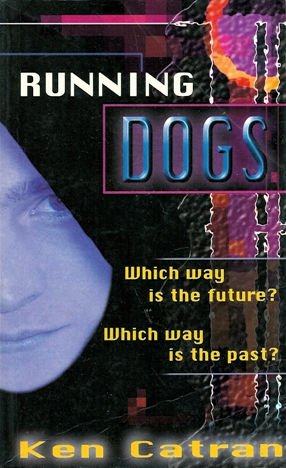
Long before the term "LitRPG" was formalized, the seeds were sown in the fertile soil of the late 20th century. My personal initiation into this world occurred in 1998 with Ken Catran’s Running Dogs. For a teenager obsessed with gaming, the concept of a narrative structure mimicking the feedback loops of a video game was transformative.
However, the genre’s DNA is undeniably global. The influence of anime—specifically the "stuck in the game" trope popularized by series like .hack and Sword Art Online—provided the initial narrative friction for many aspiring writers. We found ourselves frustrated by the limitations of these stories, yearning for a deeper, more granular exploration of what it actually feels like to live within a game’s ecosystem.
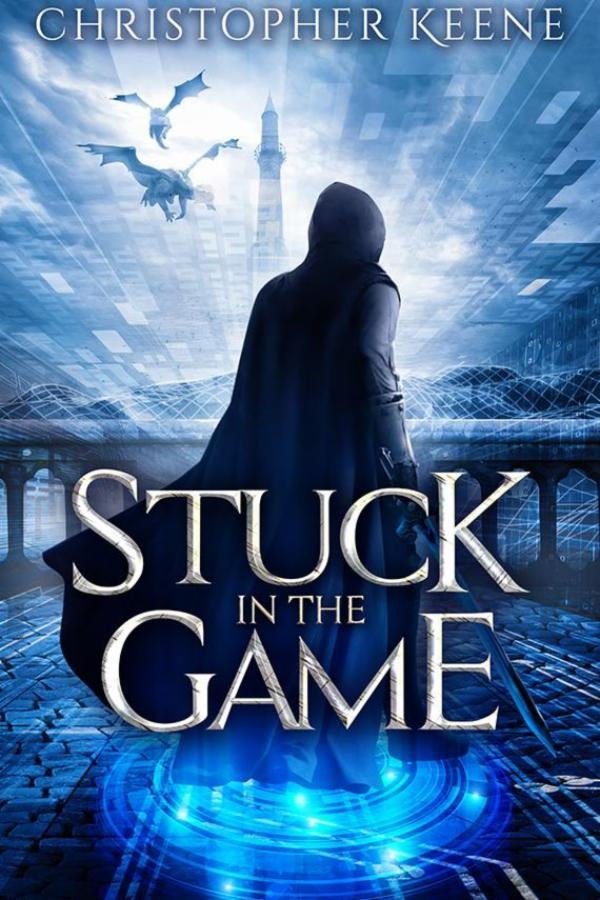
This dissatisfaction reached a tipping point in the early 2010s. When Ernest Cline’s Ready Player One arrived, it functioned as a nostalgic love letter to pop culture, yet many hardcore gamers felt it lacked the "crunch"—the mathematical depth of progression that defines the gaming experience. It was this gap in the market that spurred my own foray into the genre. In 2014, following a friendly dare to move beyond my critiques and actually write the story I wanted to read, I penned Stuck in the Game. By 2016, I was a published author, riding a wave that I didn’t fully comprehend at the time.
The Russian Roots and the Rise of the "Gold Medal" Communities
While I was navigating the traditional publishing route, a seismic shift was occurring in the digital underground. The term "LitRPG" was coined by the EKSMO Publishing House in Russia, spearheaded by authors like Dmitry Rus, Dem Mikhaylov, and Vasily Mahanenko. These pioneers codified the genre’s conventions, focusing on heavy, stat-driven narratives that mirrored the complexity of tabletop games like Dungeons & Dragons.
The genre found its true home in the social media era. Facebook became the incubator for LitRPG, with Aleron Kong’s LitRPG Group emerging as the epicenter. Kong’s Chaos Seeds series became a blueprint for success, demonstrating that a community-first approach could turn a niche sub-genre into a commercial juggernaut. This success triggered a cascade of innovation:
- The LitRPG Podcast: Ramon Mejia helped formalize the conversation around the genre, providing a critical lens for new releases.
- GameLit and Beyond: Authors like Blaise Corvin and Dakota Krout expanded the boundaries, giving birth to related movements such as "Dungeon Core" and "Progression Fantasy."
Supporting Data: Why the "Crunch" Matters
The rapid proliferation of LitRPG can be attributed to its unique psychological hook. Unlike traditional fantasy, which relies on internal character growth, LitRPG offers the reader a tangible, visual representation of progress. This satisfies the human desire for mastery and clear-cut achievement.
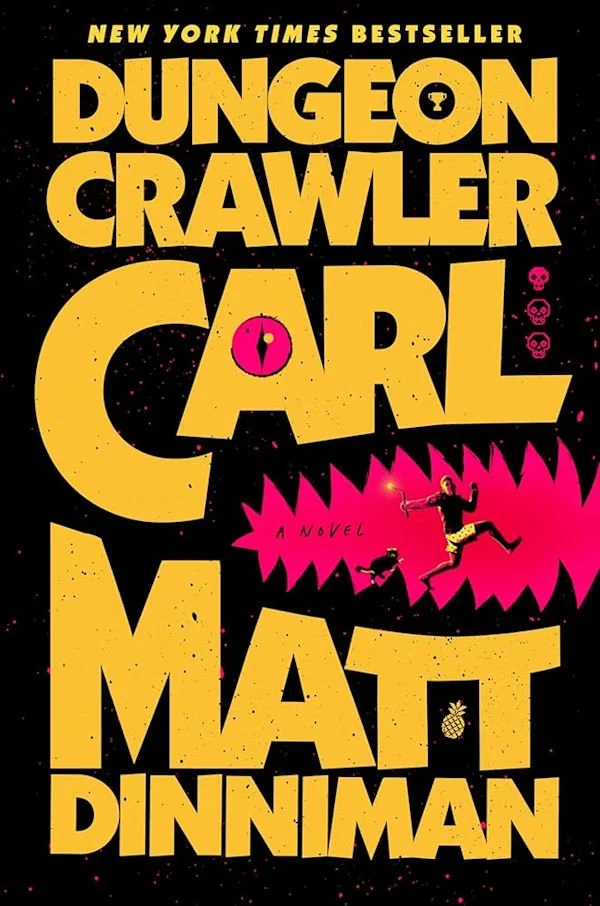
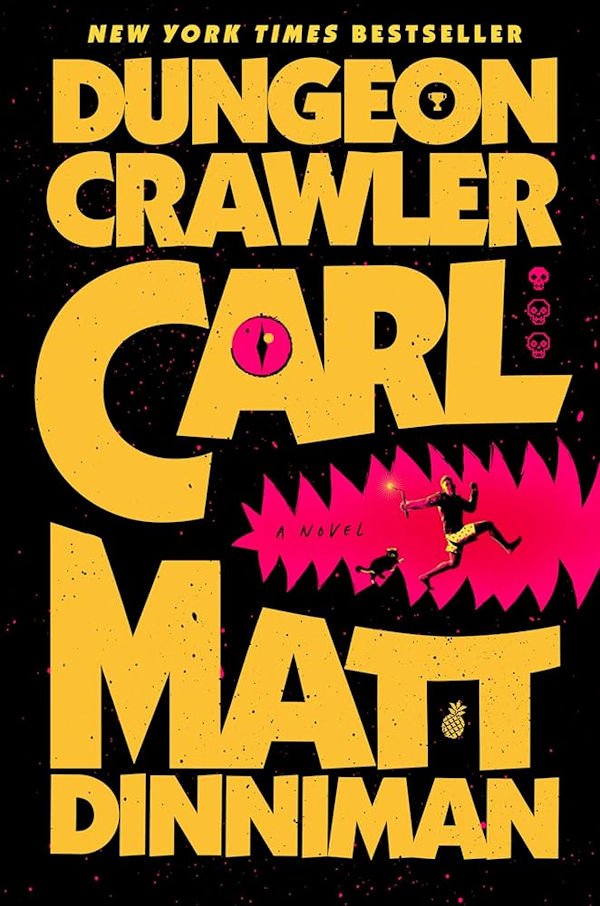
However, data from the last decade suggests that the genre is in a state of constant, fluid evolution. While the "crunchy" stats were initially the primary draw, modern audiences have shown a preference for stories that prioritize character development alongside game mechanics. The rise of "sleeper hits" demonstrates this clearly. Series like The Wandering Inn and Dungeon Crawler Carl have garnered massive followings not just because they use stats, but because they utilize those stats to facilitate world-building and character stakes that rival literary fiction.
These titles have helped evolve the genre by refusing to be limited by its own tropes. Even books that lean closer to cinematic storytelling, such as The Game at Carousel, utilize the "crunch" as a narrative tool rather than a crutch, allowing for a level of structural flexibility that earlier, more rigid entries lacked.
Official Responses and the "Gatekeeping" Discourse
The expansion of LitRPG has not been without its friction. The community has seen its fair share of "No True Scotsman" debates—arguments over what truly constitutes a LitRPG versus a GameLit or Progression Fantasy novel.
From a professional standpoint, this gatekeeping is both a hindrance and a catalyst. The debates around trademarking the term "LitRPG" and the legal complexities of genre ownership have been a constant backdrop to the creative work. Yet, the discourse has remained relatively contained compared to the broader, more aggressive "flame wars" seen in other corners of the internet.
The consensus among many established authors is that the genre’s conventions are a framework, not a cage. As I have learned, the most satisfying moments in writing within this genre occur when you take the established rules—the leveling, the quest systems, the interface—and find creative ways to break them.
Implications: The Future of the Genre
Is the rise of LitRPG a net positive for literature? The answer lies in the democratization of storytelling. LitRPG provided a platform for thousands of writers to reach a dedicated audience without the traditional gatekeepers of the publishing industry. It allowed for a direct, feedback-heavy relationship between author and reader that is rarely seen in traditional genres.
As we look toward the future, the implications are clear:
- Genre Bleed: Expect the lines between LitRPG and mainstream fantasy to continue to blur. The "gamification" of narrative is becoming a standard tool in the writer’s kit.
- Evolution of Tropes: The "stuck in the game" trope is being replaced by more nuanced approaches, such as integrated fantasy worlds where game mechanics are natural laws of the universe rather than a technological simulation.
- Professionalization: As the genre matures, the quality of prose and editorial standards will continue to climb, pushing the genre toward greater critical acclaim.
The very act of defining the genre created the momentum required to move past it. Much like "The Scattering" in Frank Herbert’s Dune series, the end of the "tyranny" of early genre conventions has allowed for a diaspora of new, experimental, and high-quality storytelling.
In conclusion, while my personal history with LitRPG began as a reactionary response to the limitations of existing media, it has evolved into a deep appreciation for the genre’s capacity to reinvent itself. Whether you are a reader looking for the next power fantasy or a writer aiming to subvert the status quo, the LitRPG space remains one of the most exciting frontiers in modern fiction. It is a testament to the fact that, whether in a game or in a book, the desire to level up is a universal human experience.









No comments yet. Be the first to join the conversation!