Basiran
For over a decade, fans of Sega’s iconic Yakuza (now Like a Dragon) series have navigated the neon-soaked streets of Kamurocho and the gritty underbellies of Japan’s criminal underworld. While the gameplay, the over-the-top melodrama, and the legendary performances of Kazuma Kiryu have always taken center stage, there is one element that has consistently elevated the series to legendary status: the music.
In a massive win for fans of high-octane boss themes and jazzy lounge tracks, the Sega Sound Team has officially brought a staggering collection of Yakuza soundtracks to Spotify. This move marks a departure from the days when fans were forced to rely on unofficial, often unreliable, community-curated playlists to get their fix of the series’ signature sound.
The Main Facts: What Has Arrived on Streaming
The official rollout includes 14 distinct albums now available under the "Sega Sound Team" artist profile. Whether you are a premium subscriber or a free user, these tracks are now accessible, allowing listeners to dive deep into the auditory history of one of gaming’s most beloved franchises.
The collection spans the vast majority of the mainline series and its cult-classic spin-offs. Currently, the library includes original scores from:
- Yakuza 0
- Yakuza: Kiwami
- Yakuza 1 & 2 (Original)
- Yakuza 3
- Yakuza 4
- Yakuza 5
- Yakuza: Dead Souls (also known as Yakuza: Of the End)
- Yakuza Ishin
- Yakuza Kenzan
These albums provide a comprehensive look at the evolution of the series’ sonic identity, from the early synth-heavy tracks of the PlayStation 2 era to the polished, hard-hitting rock and electronica found in modern entries like Yakuza 0.
A Sonic Chronology: The Evolution of the Dragon of Dojima
To understand the significance of this release, one must look at the chronology of the series. The Yakuza franchise began in 2005, and from the outset, the music was designed to reflect the duality of its setting: the high-tension, dangerous life of the yakuza contrasted with the vibrant, humorous, and deeply emotional personal lives of the protagonists.
The PS2 Era Foundations
The earliest entries established the "Yakuza sound"—a blend of traditional Japanese instrumentation, gritty rock, and dramatic orchestral swells. When Yakuza 1 & 2 hit the scene, the music had to sell the cinematic nature of the narrative. It wasn’t just background noise; it was the heartbeat of the drama.
The Middle Years: Refining the Intensity
As the series moved into the PlayStation 3 era with Yakuza 3, 4, and 5, the compositions grew more ambitious. The music began to lean heavily into character-specific themes. This was the period where the "boss battle" track became an art form. Each fight was punctuated by music that defined the personality of the antagonist—whether it was the stoic honor of a rival patriarch or the chaotic energy of Goro Majima.
The Modern Renaissance
The release of Yakuza 0 acted as a massive catalyst for the series’ global popularity. The soundtrack for this prequel is widely considered one of the best in gaming history, seamlessly blending 1980s synth-pop aesthetics with intense, high-energy rock sequences. Seeing these tracks officially available on Spotify allows a new generation of players to revisit the high-stakes battles that made Kiryu and Majima icons.
Understanding the "Lost" Chapters: Ishin and Kenzan
A particularly fascinating aspect of this Spotify drop is the inclusion of Yakuza Ishin and Yakuza Kenzan. These titles have long been considered the "lost" chapters of the series for Western audiences, as neither received an official localization during their original run.
- Yakuza Kenzan: Set in the Edo period after the Battle of Sekigahara, this game follows Kazumanosuke Kiryu (a historical stand-in for Miyamoto Musashi). The soundtrack captures the historical gravitas of feudal Japan, mixing period-appropriate sounds with the series’ signature intensity.
- Yakuza Ishin: Set during the Bakumatsu era, players take control of Ryoma Sakamoto (modeled after Kiryu) as he infiltrates the Shinsengumi. The music here is a masterclass in period-appropriate atmosphere, providing a unique flavor that distinguishes it from the modern-day urban setting of the mainline games.
By making these soundtracks available globally, Sega is effectively bridging the gap for international fans who may have never played the games but have been curious about the historical spin-offs.
Supporting Data and Accessibility
As of the current rollout, the tracks are available in the United States and the United Kingdom, with a global rollout expected to follow for other territories.
Metadata and Localization
One important note for listeners: the tracklists are primarily presented in Japanese. While this may present a slight barrier for those who cannot read Kanji, the universal language of the music remains intact. Many fans have already begun creating translated playlists and guides to help navigate the discography, proving once again that the Yakuza community is one of the most dedicated in the industry.
If you find that the albums do not appear when searching for "Sega Sound Team," it is recommended to use direct links to the albums. Because the catalog is so extensive, the algorithm may occasionally prioritize specific popular tracks over the full album listings.
Official Responses and Industry Context
While Sega has not issued a lengthy press release regarding the move, the industry view is clear: this is a strategic acknowledgment of the "Legacy Gaming" market. Publishers are increasingly recognizing that the soundtracks of their flagship titles are not just promotional tools—they are intellectual property with long-term cultural value.
The decision to upload these soundtracks follows a broader trend in the gaming industry where companies are digitizing their archives to capitalize on the nostalgia and long-term engagement of their fanbases. For a series as dialogue-heavy and cinematic as Yakuza, the music acts as the primary vessel for the player’s memory of the game. When a player hears a specific boss theme, they aren’t just hearing a song; they are remembering the specific moment in the story where they overcame a difficult challenge.
Implications: What This Means for the Future
The arrival of these soundtracks on Spotify has significant implications for both the Yakuza franchise and the broader gaming landscape:
- Normalization of "Game Music" as "Real Music": By placing these soundtracks on mainstream streaming platforms, Sega is validating video game scores as high-quality musical compositions that deserve a place in the listener’s daily rotation alongside traditional film and studio albums.
- Cultural Preservation: By releasing the soundtracks for Japan-exclusive titles like Kenzan, Sega is ensuring that the musical legacy of these games remains preserved and accessible, even if the games themselves remain trapped in the past.
- Community Engagement: This move rewards the most loyal fans. It creates a feedback loop where listeners become more invested in the franchise, likely leading to higher engagement when new titles in the Like a Dragon series are announced.
- A Potential Precursor to More Localizations: Fans are already speculating that the increased exposure to the Ishin and Kenzan soundtracks could serve as a "soft launch" for renewed interest in these titles, potentially signaling future re-releases or remakes for the Western market.
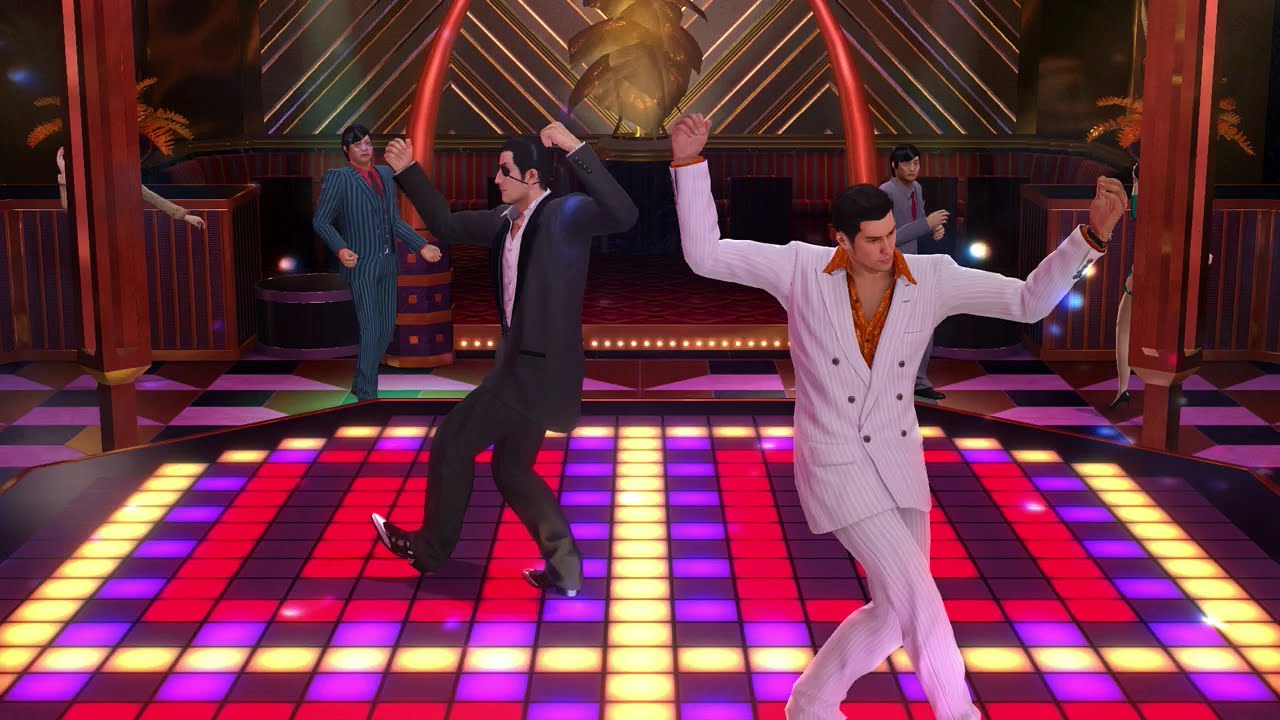
Conclusion: Dancing the Night Away with Kiryu
Whether you are looking for the perfect high-intensity workout playlist, a backdrop for your commute, or simply a way to relive the emotional highs of Kiryu’s journey through the ranks of the Tojo Clan, the official Yakuza Spotify library is a treasure trove.
The Yakuza series has always been about more than just fighting; it’s about the soul of Japan’s urban culture. By bringing these soundtracks to the world, Sega has ensured that the "Dragon of Dojima" can continue to roar long after the console is turned off. So, put on your best suit, head over to the Sega Sound Team’s artist profile, and dance the night away with the most iconic cast of characters in gaming history. The streets of Kamurocho are waiting for you, and for the first time, they’ve never sounded quite this good.


 Iffa Jayyana
 Sagoh
Sagoh