Iffa Jayyana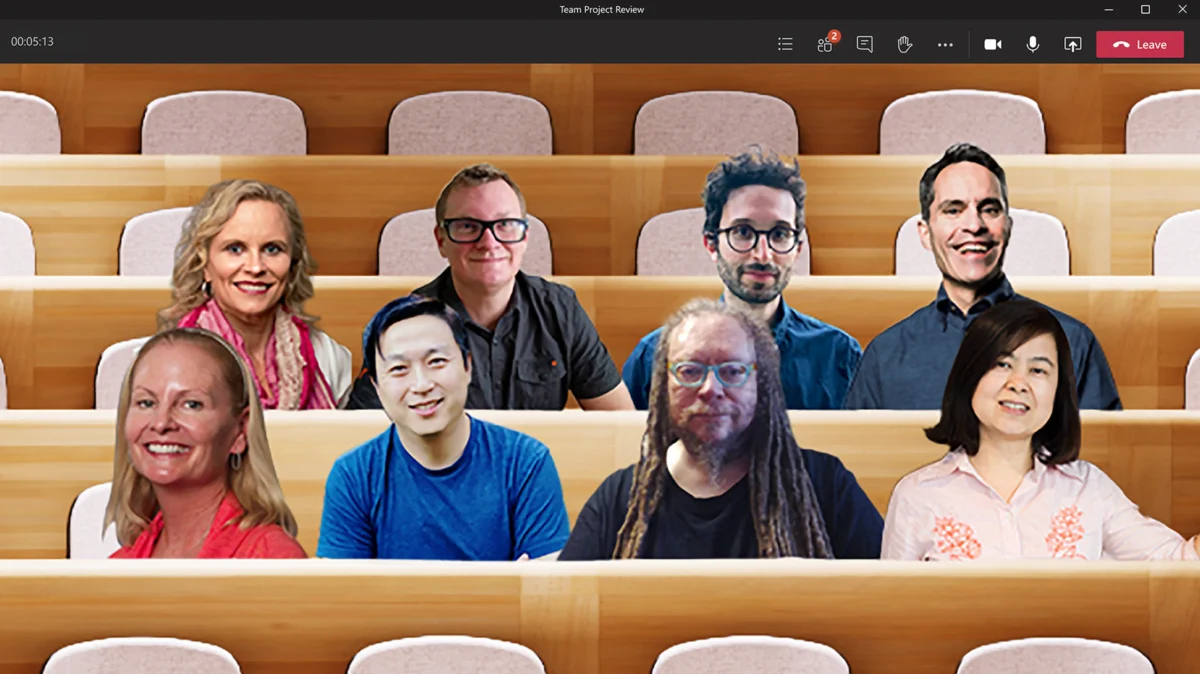
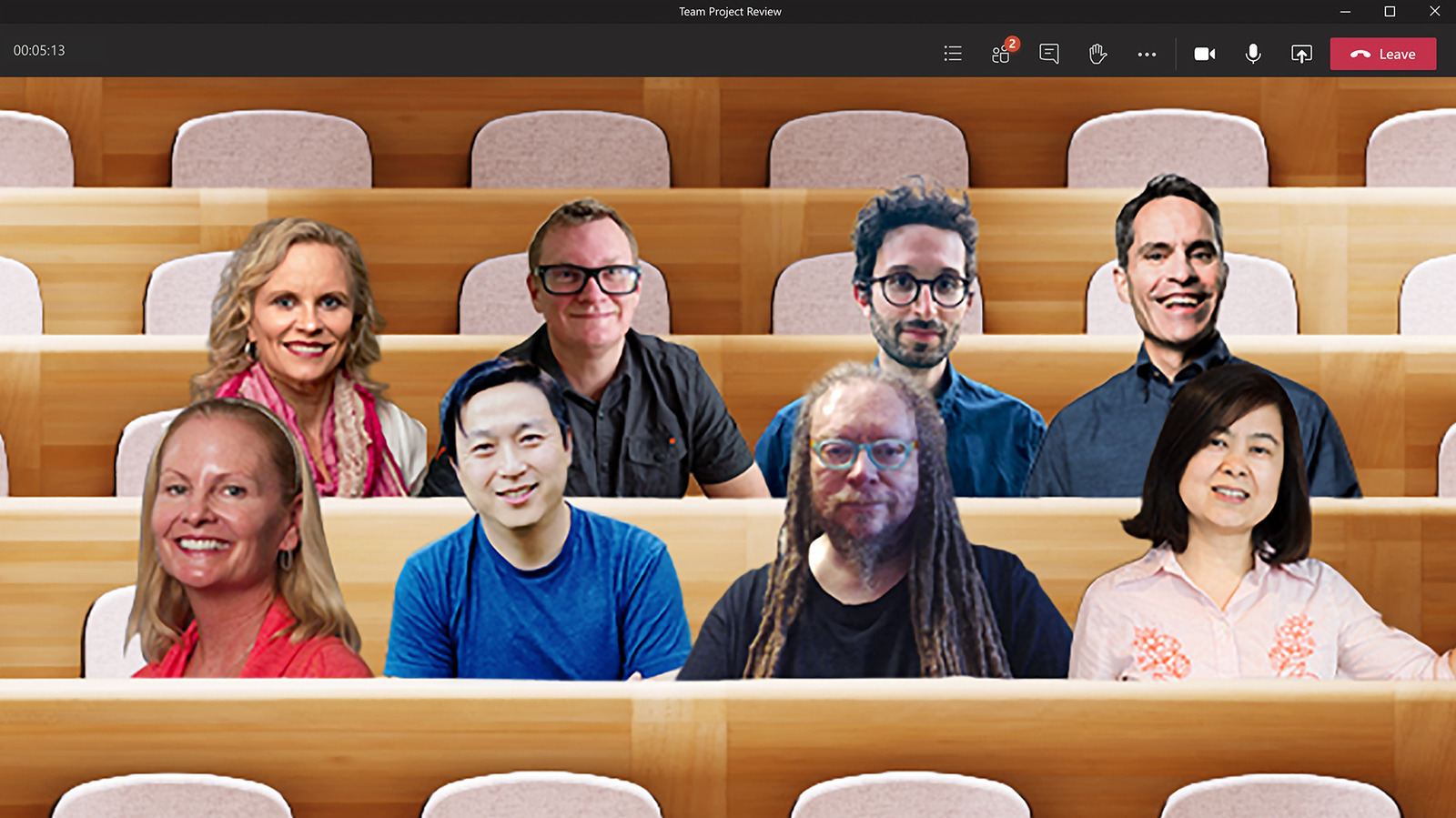
In a significant pivot for its flagship communication platform, Microsoft has announced the official discontinuation of "Together Mode" in Microsoft Teams. Introduced at the height of the 2020 global pandemic as a remedy for the isolating effects of remote work, the feature utilized AI segmentation to place meeting participants into a shared virtual environment—such as a lecture hall, coffee shop, or conference room. As the professional landscape shifts back toward office-centric or hybrid models, Microsoft is sunsetting the tool, signaling a broader strategic move to simplify the user interface and optimize resource allocation for more essential video processing tasks.
The Chronology of Together Mode: From Pandemic Novelty to Legacy Feature
To understand the weight of this decision, one must revisit the context of early 2020. As the COVID-19 pandemic forced millions into sudden isolation, Microsoft Teams saw an unprecedented surge in daily active users. The primary challenge was not just connectivity, but "Zoom fatigue"—a psychological phenomenon characterized by the exhaustion associated with prolonged video conferencing.
In July 2020, Microsoft unveiled Together Mode. The technology was hailed as a breakthrough in human-computer interaction, employing sophisticated AI segmentation to "cut out" participants from their individual webcams and drop them into a unified, static background. The goal was to provide a sense of physical proximity, allowing for better eye contact and a more natural social experience during meetings.
Over the next four years, Microsoft expanded the feature, introducing dozens of scenes ranging from professional boardrooms to whimsical environments. However, as the world moved into the post-pandemic era, the novelty began to wear thin. By 2023, usage metrics indicated that while the feature remained a point of curiosity, it was rarely used in high-stakes professional meetings, often being relegated to social gatherings or specific academic settings. The announcement in early 2025 marks the final chapter of this experiment, as Microsoft transitions focus toward its standard "Gallery" view.
The Technical Rationale: Cognitive Load and Computational Costs
The decision to retire the feature was not made lightly, but rather rooted in empirical data and user feedback regarding system performance. In a detailed post on the Microsoft 365 Insider Blog, the company outlined the primary drivers for this change, focusing on two critical areas: cognitive load and hardware resource management.
The Problem of Cognitive Load
Microsoft’s user experience (UX) research suggested that Together Mode often introduced unnecessary "cognitive load." By forcing users into a virtual space, the brain was tasked with processing unnatural visual cues—such as participants appearing to sit "next to" each other despite being thousands of miles apart. This discrepancy between visual representation and spatial reality often led to increased fatigue rather than the intended sense of community.
Implementation Complexity and Performance
From an engineering standpoint, Together Mode was an "expensive" feature. It required constant, real-time AI processing to segment each participant’s silhouette from their background. This placed a heavy burden on the local device’s CPU and GPU. On lower-end laptops, mobile devices, or older hardware, this often resulted in:
- Latency: A noticeable lag between audio and video streams.
- Thermal Throttling: Rapid heating of mobile devices and ultrabooks.
- Battery Drain: Significantly higher power consumption compared to standard video grid layouts.
By removing the feature, Microsoft aims to streamline the video rendering pipeline. According to the company, this will free up critical resources for features that offer more tangible benefits to the average professional, such as AI-powered noise suppression, automatic denoising, and advanced color correction.
Gallery Mode: The Future of Microsoft Teams
With Together Mode being phased out, Microsoft is pivoting users toward an enhanced "Gallery" experience. Unlike the static, shared-space approach of its predecessor, the Gallery view is designed for scalability and performance.
Adaptive Video Tile Counts
One of the key improvements in the new Gallery view is the implementation of "adaptive video tile counts." Instead of rendering every participant at a high resolution regardless of screen real estate or processing power, the system now intelligently adjusts the resolution and frame rate of individual video feeds based on the user’s hardware capabilities. This prevents the "machine overload" that frequently plagued users in larger meetings, ensuring a smoother, more stable video stream even on modest devices.
Prioritizing "Foundational" Improvements
Microsoft has explicitly stated that the development hours previously dedicated to maintaining and updating Together Mode scenes will now be reinvested into the platform’s core video engine. Key areas of investment include:
- Super-Resolution: Utilizing AI to upscale low-quality video feeds in real-time, providing clarity for users with suboptimal webcams or poor internet connections.
- Enhanced Denoising: Improving the software’s ability to strip away visual artifacts and background noise, resulting in a cleaner, more professional broadcast quality.
- Color Accuracy: Refining the image processing pipeline to ensure skin tones and lighting are rendered accurately across diverse environmental conditions.
The "Elephant in the Room": Addressing Public Sentiment
The discontinuation of Together Mode brings to the forefront a persistent narrative surrounding Microsoft Teams: the platform is often criticized for being "bloated" and overly complex. For years, power users and IT administrators have voiced concerns that Teams tries to do too much, often at the expense of its primary function as a reliable communication tool.
The Complexity vs. Utility Debate
Critics have frequently pointed out that the sheer volume of buttons, tabs, and "gimmicky" features in Teams creates a steep learning curve. When a user is struggling with audio settings or interface navigation, a feature like a virtual "coffee shop" background can feel like an unnecessary distraction.
By pruning legacy features, Microsoft is making a tacit admission: the platform needs to return to its core competencies—reliability, speed, and video quality. If Microsoft can leverage the resources gained from this transition to resolve long-standing performance issues, the removal of Together Mode may be viewed as a turning point in the platform’s history, marking a shift toward a leaner, more enterprise-focused philosophy.
Implications for Corporate and Remote Environments
The removal of Together Mode serves as a microcosm for the broader "Return to Office" (RTO) trend. In 2020, the goal was to simulate the office; in 2025, the goal is to optimize the digital workspace for a workforce that is increasingly comfortable with hybrid collaboration.
Impact on IT Departments
For IT administrators, the removal of this feature simplifies the management of meeting policies. Reducing the number of complex video rendering modes decreases the number of support tickets related to video lag or app instability. It allows for a more standardized deployment of Teams, which is a major advantage for large-scale enterprise environments where consistency is key.
The Shift in Professional Norms
The abandonment of virtual "shared spaces" also suggests a change in how we perceive remote collaboration. As remote work has become a standard, long-term operational model rather than a crisis response, the need for "make-believe" environments has diminished. Professionals now prioritize clarity, meeting duration efficiency, and platform stability over the novelty of a virtual auditorium.
Conclusion
The retirement of Together Mode is a calculated move by Microsoft to streamline its ecosystem. While it may be missed by those who enjoyed the unique, collaborative aesthetic it provided, the trade-off—a more stable, efficient, and higher-quality video experience—aligns with the needs of a modern, professional workforce.
As Microsoft redirects its engineering efforts toward foundational improvements like super-resolution and enhanced audio-visual processing, users can expect a more responsive Teams experience. Whether this change is enough to appease the vocal critics of the platform remains to be seen, but it is a clear indication that Microsoft is finally listening to the demand for a faster, less cluttered, and more reliable digital collaboration tool. The age of virtual "Togetherness" may be ending, but the age of performance-first communication is just beginning.


 Jia Lissa
 Nana Wu