

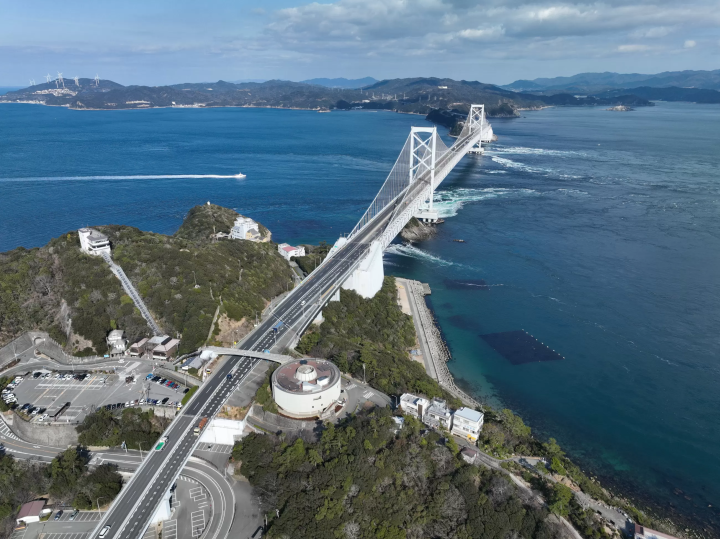
In the northeastern corner of Tokushima Prefecture lies Naruto City, a destination renowned globally for its majestic whirlpools and the engineering marvel of the Onaruto Bridge. Yet, beyond the churning waters of the Naruto Strait, there exists a quiet, comforting culinary tradition that serves as the heartbeat of the local community: Naruchuru Udon. This distinct style of noodle, characterized by its irregular shape and delicate texture, is more than just a meal—it is a storied piece of local history, born from the salt fields of the Showa era and preserved by generations of dedicated local chefs.
Main Facts: What Defines Naruchuru Udon?
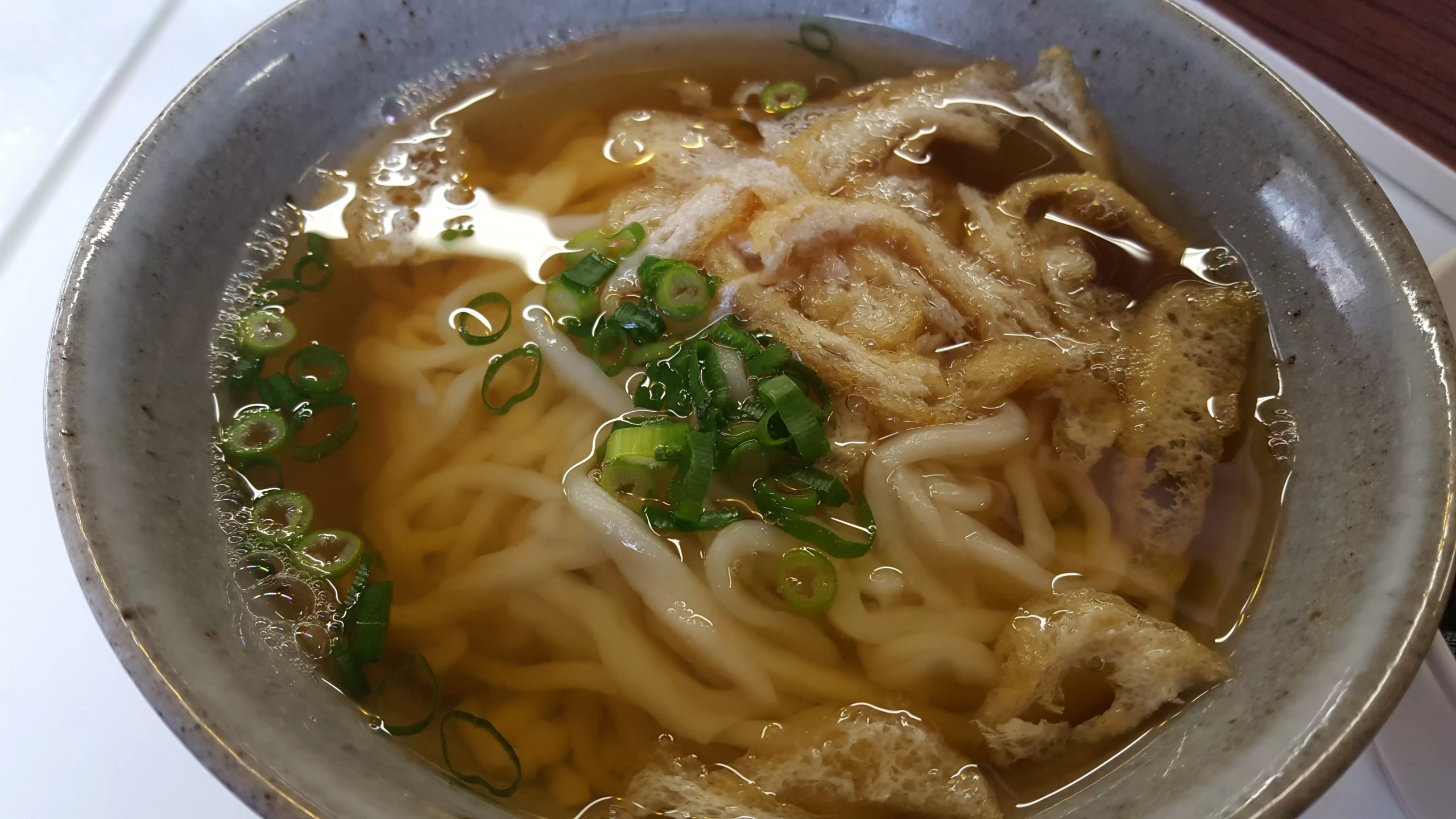
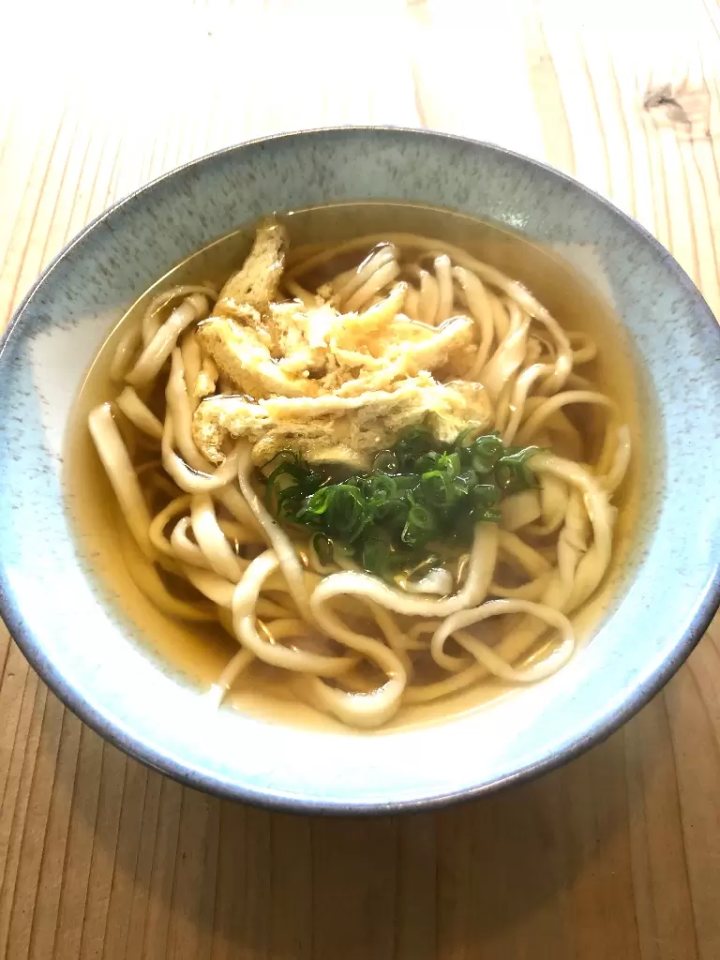
To the uninitiated, Naruchuru Udon may look vastly different from the thick, chewy, uniform noodles found in other parts of Japan. Its identity is defined by three primary traits:
- The Texture: The noodles are famously uneven, thin, and soft. They are intentionally crafted to be short, making them exceptionally easy to consume—a characteristic that has made them a beloved staple for both the elderly and children.
- The Broth: The foundation of the dish is a refined, soy sauce-based broth. Unlike heavier, richer soups, the Naruchuru broth is light and clean, typically built upon a base of kombu (kelp) and bonito flakes.
- The Toppings: Simplicity is the hallmark of this dish. A standard bowl is garnished with chopped green onions and small pieces of deep-fried tofu (abura-age), often sourced from neighborhood tofu artisans to ensure maximum freshness.
This dish represents the "soul food" of the region, offering a taste of home that has remained largely unchanged despite the rapid modernization of the surrounding culinary landscape.
A Chronological Journey: From Salt Fields to City Staple
The story of Naruchuru Udon is inseparable from the history of Naruto’s industry.
The Salt Industry Era (Early-to-Mid 20th Century)
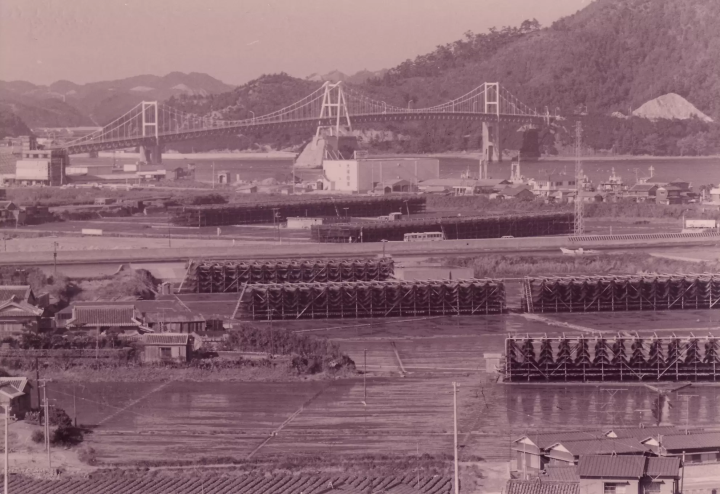
During the Showa period, Naruto was a thriving hub for salt production. The labor-intensive nature of the salt fields required workers to consume quick, nutritious meals that provided immediate energy. Udon emerged as the ideal candidate. Because time was a luxury in the fields, the noodles were designed for rapid cooking and rapid eating—hence the short, thin, and irregular strands that characterize the dish today.
The Evolution of the "Slurp"
The name "Naruchuru" is a playful onomatopoeia derived from the Japanese sound for slurping (churu-churu). As the salt industry eventually declined, the culinary habit did not. Instead, it transitioned from a functional worker’s snack to a celebrated local comfort food. Restaurants began refining the secret recipes for their broth, turning a utilitarian lunch into a culinary experience that residents would pass down through family lines.
Supporting Data: Why It Remains a Local Favorite
The endurance of Naruchuru Udon is supported by its accessibility and the high concentration of artisanal shops that continue to serve it.
The Economic and Cultural Impact
Recent surveys of local tourism indicate that Naruchuru Udon is a primary motivator for regional domestic travel. Unlike trend-based foods, this dish maintains a consistent customer base. The "hopping" of different udon shops has become a popular activity for tourists visiting the Naruto Park area, which hosts several historic establishments.
Nutritional Profile
While modern fast food often relies on excessive fats and sodium, Naruchuru Udon remains a relatively light option. The use of simple, local ingredients—wakame seaweed from the whirlpool-rich currents, local soy sauce, and hand-cut noodles—provides a balanced meal that aligns with modern preferences for "clean" eating.
Notable Destinations for the Authentic Experience
For travelers seeking to immerse themselves in the Naruchuru culture, the following establishments serve as pillars of the community:

- Funamoto Udon (Takashima Main Branch): A classic institution that preserves the traditional method of handmade, irregular noodles. Their broth is a testament to the clean, refined flavors that defined the early days of Naruto dining. Their accompanying homemade croquettes and oden are legendary among locals.
- Tomizu Japanese Restaurant: Conveniently located near JR Naruto Station, this establishment offers a broader menu, including fresh sashimi and nigiri sushi featuring Naruto’s famous sea bream and yellowtail. It provides an excellent bridge between traditional udon and high-end local seafood.
- Nishigami Shoten: Situated within the scenic Naruto Park, this shop is a must-visit for those who want to pair their meal with a view. Their "Wakame Udon," featuring seaweed grown in the powerful, nutrient-dense waters of the Naruto Strait, offers a unique regional twist.
- Ogata Shoten: A 50-year-old establishment that serves as a one-stop-shop for culture. Beyond the udon, visitors can sample "Wakame Seaweed Soft Serve" and "Naruto Kintoki Sweet Potato Gelato," highlighting the city’s agricultural bounty.
- Escahill Naruto: More than just a restaurant, this facility offers an observation deck accessible via an impressive long escalator. It represents the modernization of tourism in the area, offering a casual dining experience with a view that is truly representative of the region.
Official Perspectives: The Tourism Strategy
The Naruto City Tourism authorities view Naruchuru Udon as an essential pillar of the city’s branding. According to official tourism documentation, the goal is to position Naruto not merely as a stopover point on the way to other parts of Shikoku, but as a destination in its own right.
"Naruto is the eastern gateway to Shikoku," officials state. "By linking our natural wonders—the whirlpools, the Awa Odori dance, and the pilgrimage routes—with the intimate experience of our soul food, we offer visitors a holistic journey. The simplicity of the udon reflects the honesty of our local producers and the resilience of our history."
Implications: The Future of a Culinary Legacy
The persistence of Naruchuru Udon in the 21st century carries significant implications for regional preservation.
Challenges and Sustainability
As the original generation of salt-field workers has passed, the challenge lies in ensuring that the younger generation of chefs maintains the "imperfect" aesthetic of the noodles. The rise of industrialized, mass-produced udon presents a threat to the artisanal nature of the dish. However, the current trend of "gastronomic tourism" suggests that authenticity is becoming increasingly valuable.

Global Reach
With the rise of digital platforms and improved international access via the Akashi Kaikyo Bridge, Naruchuru Udon is gaining visibility beyond the borders of Japan. The inclusion of these shops on tourism maps and the active promotion by the local government suggest that the dish is successfully transitioning from a local secret to a recognized Japanese regional specialty.
Conclusion
Naruchuru Udon is more than just a bowl of noodles; it is a narrative of human labor, regional geography, and community spirit. From the salt fields of the Showa era to the modern, bustling shops near the Onaruto Bridge, it has remained a constant, comforting presence. Whether you are a first-time visitor or a long-time resident, the act of slurping these soft, irregular noodles serves as a reminder to slow down, appreciate the local history, and savor the simple, refined flavors that define the soul of Naruto.
For those planning their visit, the city awaits. Pack your appetite and prepare to explore the hidden culinary treasures that have kept the heart of Naruto beating for nearly a century.












No comments yet. Be the first to join the conversation!