Dwi Wanna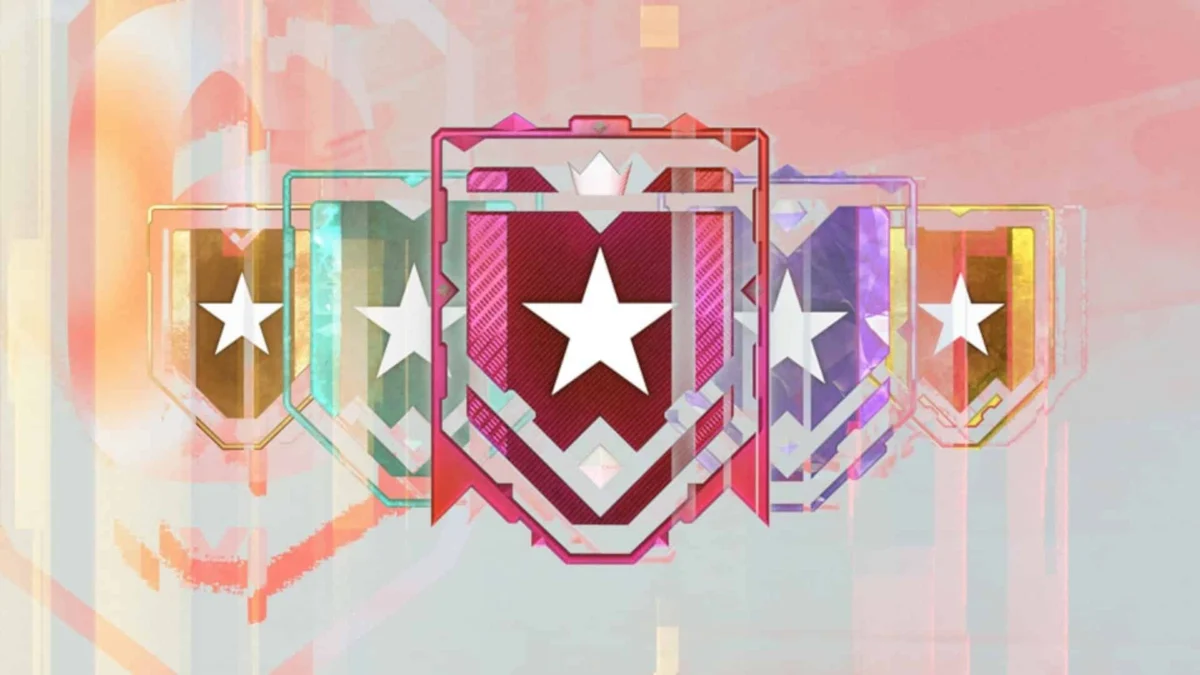
By Craig Robinson, Senior Editor
Last Updated: May 18, 2026
The competitive landscape of Rainbow Six Siege is undergoing its most significant transformation in years. Ubisoft has officially unveiled "Ranked 3.0," a sweeping overhaul of the game’s ranked ecosystem designed to address long-standing community frustrations regarding matchmaking transparency, player progression, and the competitive integrity of high-tier lobbies. By dismantling the long-standing "Hidden MMR" system and introducing a more rigid, points-based progression model, the developers are signaling a move toward a more meritocratic experience.
The Core Transformation: Moving Beyond Hidden MMR
For years, the Rainbow Six Siege community has debated the merits and flaws of "Hidden MMR" (Matchmaking Rating). Previously, the game calculated a player’s skill level behind the scenes, often pairing them against opponents based on this unseen metric rather than their displayed rank. This created a phenomenon known as "elo hell," where high-performing players felt gatekept by their hidden rating, unable to climb the ladder despite having strong win ratios.
With the Ranked 3.0 update, Ubisoft is pivoting away from this model. The new system places the weight of matchmaking directly onto the Ranked Points (RP) a player earns. This change is intended to make the ladder feel more intuitive; if a player is at a specific rank, their lobby will reflect that rank. By prioritizing visible RP over opaque algorithms, Ubisoft hopes to bridge the gap between a player’s perceived skill and their actual position on the leaderboard.
Chronology of the Ranked 3.0 Rollout
The transition to Ranked 3.0 is structured to ensure stability throughout the season lifecycle. The following chronology outlines how players will experience the new system:
1. The Placement Phase
Unlike previous iterations where players might have felt thrown into the deep end, each new season will now feature five mandatory placement matches. These are not merely a formality; they act as a "calibration period." During these five games, players will benefit from accelerated RP gains, designed to quickly push them toward a skill bracket that aligns with their actual competitive ability. This mirrors successful models seen in other tactical shooters like Valorant and Overwatch 2, as well as the industry standard-bearer, League of Legends.
2. The Mid-Season Progression
Once the five placement matches are concluded, the season enters its primary phase. Here, the transparency of RP gains and losses becomes the focus. Ubisoft has refined the math behind every match, ensuring that players receive clear feedback on why they gained or lost a specific amount of points. This transparency is intended to curb the "ranked anxiety" often associated with not knowing why a win failed to yield a meaningful rank increase.
3. The End-of-Season Reward Cycle
The update introduces a new incentive structure that keeps players engaged even during the closing weeks of a season. Every win now grants two points toward a reward track, while losses contribute one. Upon reaching ten points, players unlock tiered rewards, including Alpha Packs, seasonal charms, and exclusive cosmetics. This shift is clearly targeted at casual-competitive players who previously felt that once they reached their "ceiling," there was little reason to continue queuing for ranked matches.
Supporting Data: Addressing Skill Gaps and Pre-made Groups
A major component of the Ranked 3.0 update is the restriction on pre-made squads. Ubisoft’s data indicated that the greatest source of frustration in high-tier play was the "skill gap disparity" caused by mixed-rank groups queuing together.
Squad Restrictions
To combat this, the following rules are now in effect:
- Copper to Emerald: Players may only queue with teammates who are within three full ranks of their own. This ensures that a Copper player cannot be boosted by an Emerald teammate, keeping the competitive floor relatively level.
- Diamond and Champion: The restrictions tighten significantly here. Players in these elite brackets are limited to squads with members no more than two full ranks apart. This decision serves to protect the integrity of the game’s highest level, preventing "rank padding" where elite players team up with significantly lower-skilled accounts to manipulate matchmaking weight.
The Champion Tier Expansion
Perhaps the most notable change for the game’s elite is the expansion of the Champion division. Previously, the "Champion" rank acted as a single bucket for the top percentile of players. Under the new update, the Champion division has been segmented into five distinct sub-ranks. This mirrors the prestige systems found in League of Legends (Masters, Grandmasters, Challenger), allowing the community to truly distinguish between a high-ranking player and the absolute best in the world.

Official Responses and Developer Intent
In their official blog post regarding the update, Ubisoft developers emphasized that the primary goal of Ranked 3.0 is "trust."
"We want our players to feel that the system is working with them, not against them," the development team stated. "By moving away from Hidden MMR, we are giving the agency back to the player. When you win, you climb. When you lose, you fall. The obfuscation that defined previous seasons created a disconnect between effort and reward that we are finally closing."
The team also addressed the potential for frustration regarding the new, stricter group restrictions. "We recognize that many players enjoy playing with friends regardless of skill level. However, for the health of the Ranked ecosystem, we have to prioritize the integrity of the match itself over the convenience of a squad composition. Our data shows that matches with high skill-variance are the primary cause of player churn in the Diamond and Champion brackets."
Implications for the Future of Siege
The implications of these changes are far-reaching. By aligning Rainbow Six Siege more closely with the mechanics of its primary competitors, Ubisoft is effectively standardizing the "ranked experience."
A More Meritocratic Ladder
For the long-term health of the game, this is a vital step. A transparent ladder encourages growth. Players who know exactly where they stand and what is required to progress are more likely to invest time into learning the game’s complex mechanics, such as vertical play, utility management, and map knowledge.
The Casual-Competitive Bridge
The introduction of the reward track is a masterstroke in retention. By rewarding participation through the point-based system, Ubisoft is enticing the "casual-competitive" player—those who want to play seriously but perhaps lack the time to grind for global leaderboards—to stay in the ranked queue. This increases the total player pool, which in turn leads to faster queue times and more balanced matches across all ranks.
Competitive Integrity vs. Social Play
While the squad restrictions may frustrate some friend groups, the trade-off is a much healthier competitive environment. The "boosted player" phenomenon has plagued Siege for years; by limiting the ability to carry lower-ranked teammates into high-tier lobbies, Ubisoft is ensuring that the rank displayed on a player’s profile is a genuine reflection of their individual contribution.
Final Thoughts
The Ranked 3.0 update represents a mature acknowledgment of the game’s shortcomings. By discarding the overly complex, hidden systems of the past and embracing a transparent, points-based, and strictly regulated environment, Rainbow Six Siege is positioning itself for a new era of competitive longevity.
Whether you are a newcomer just completing your first placement matches or a veteran chasing the new multi-tier Champion status, the path forward is clearer than ever before. As the season progresses, the true test will be how the community adapts to these constraints—but for now, the outlook for the Siege competitive scene is more promising than it has been in years.
For more in-depth coverage of the Rainbow Six Siege Ranked 3.0 update, including detailed breakdown charts of the new point-gain coefficients, visit the official Ubisoft blog or follow our ongoing coverage here at Esports News UK.
Stay updated with the latest news by subscribing to our feed on Google News.


 Iffa Jayyana
 Azzam Bilal Chamdy