

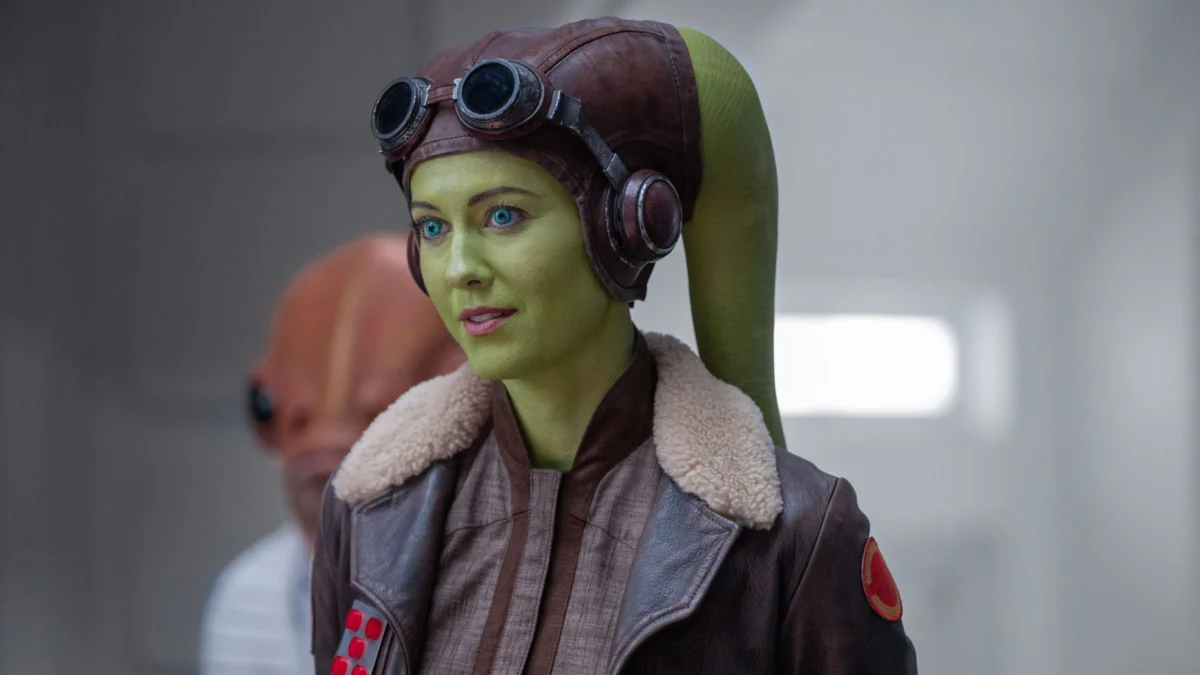
The galaxy far, far away is experiencing a significant shift in its navigational charts. For fans of Dave Filoni’s Ahsoka, the wait for the highly anticipated second season has stretched from a hopeful expectation into a test of patience. Following the gripping conclusion of the first season in October 2023—which left audiences reeling with the return of Grand Admiral Thrawn to the main Star Wars galaxy and the haunting mysteries of the distant world of Peridea—the demand for the next chapter has been immense. However, as the calendar inches forward, it has become clear that the path back to the screen is more complex than initially envisioned.
Rosario Dawson, the star of the series, recently confirmed during a Disney event that Ahsoka season 2 is slated for a 2027 premiere. This marks a significant departure from earlier projections that suggested a late 2026 release, a timeline bolstered by the commencement of filming in April 2025. As the industry faces this unprecedented gap, we must examine the factors—logistical, strategic, and deeply personal—that have pushed the return of the Tano-led narrative into the franchise’s 50th-anniversary year.
A Shift in Strategy: From Streaming Dominance to Cinematic Spectacle
The primary driver of this extended hiatus is a fundamental pivot in the Lucasfilm corporate strategy. In the years following the massive success of The Mandalorian, Disney+ was flooded with episodic Star Wars content. However, the current landscape reflects a deliberate move toward "event-level" storytelling. With the upcoming feature film The Mandalorian and Grogu acting as a focal point for the studio’s theatrical ambitions, Lucasfilm is reallocating resources to ensure these high-budget cinematic experiences occupy the spotlight.
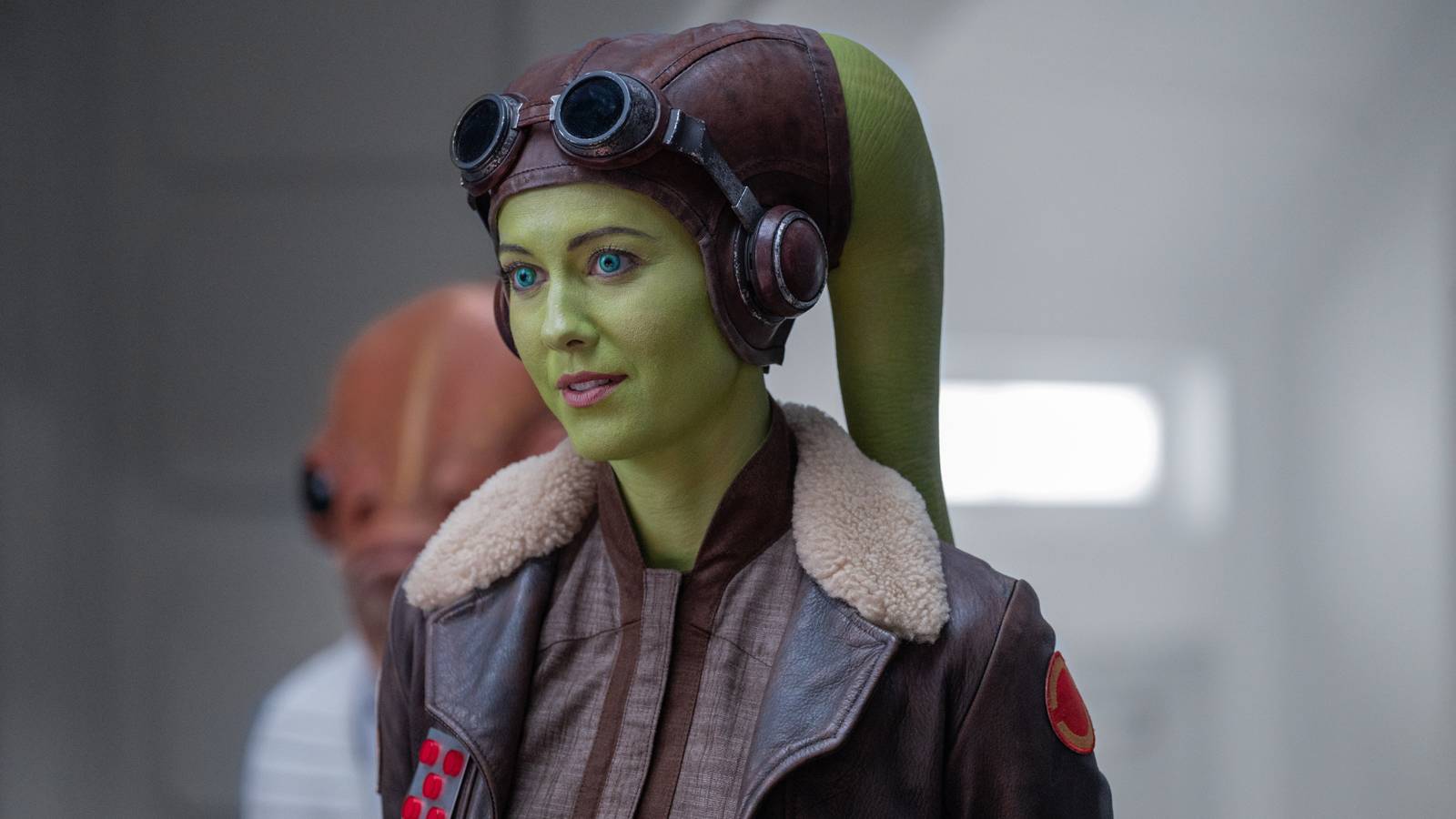
This transition has effectively placed Ahsoka season 2 in a position of isolation. It is currently the only live-action Star Wars television project in active development. By pacing the release of Ahsoka for 2027, Disney is employing a "buffer strategy," ensuring that the audience is not overwhelmed by competing narratives. Furthermore, The Mandalorian and Grogu is expected to provide essential narrative context regarding the state of the New Republic—the same political era in which Ahsoka resides. By allowing the film to set the stage, the studio ensures that Ahsoka season 2 arrives into a clearer, more defined narrative landscape.
The Chronology of Delay: A Timeline of Setbacks
To understand the current delay, one must look at the timeline of the show’s production history. When Ahsoka debuted, it was marketed as a limited series. The ambitious finale was originally intended to serve as a bridge to a culminating "Mandoverse" film helmed by Dave Filoni. However, the success of the character and the density of the plot lines convinced Lucasfilm to greenlight a second season in January 2024. This late decision naturally placed the show behind the curve in terms of script development and pre-production.
The logistical timeline further complicates the narrative:
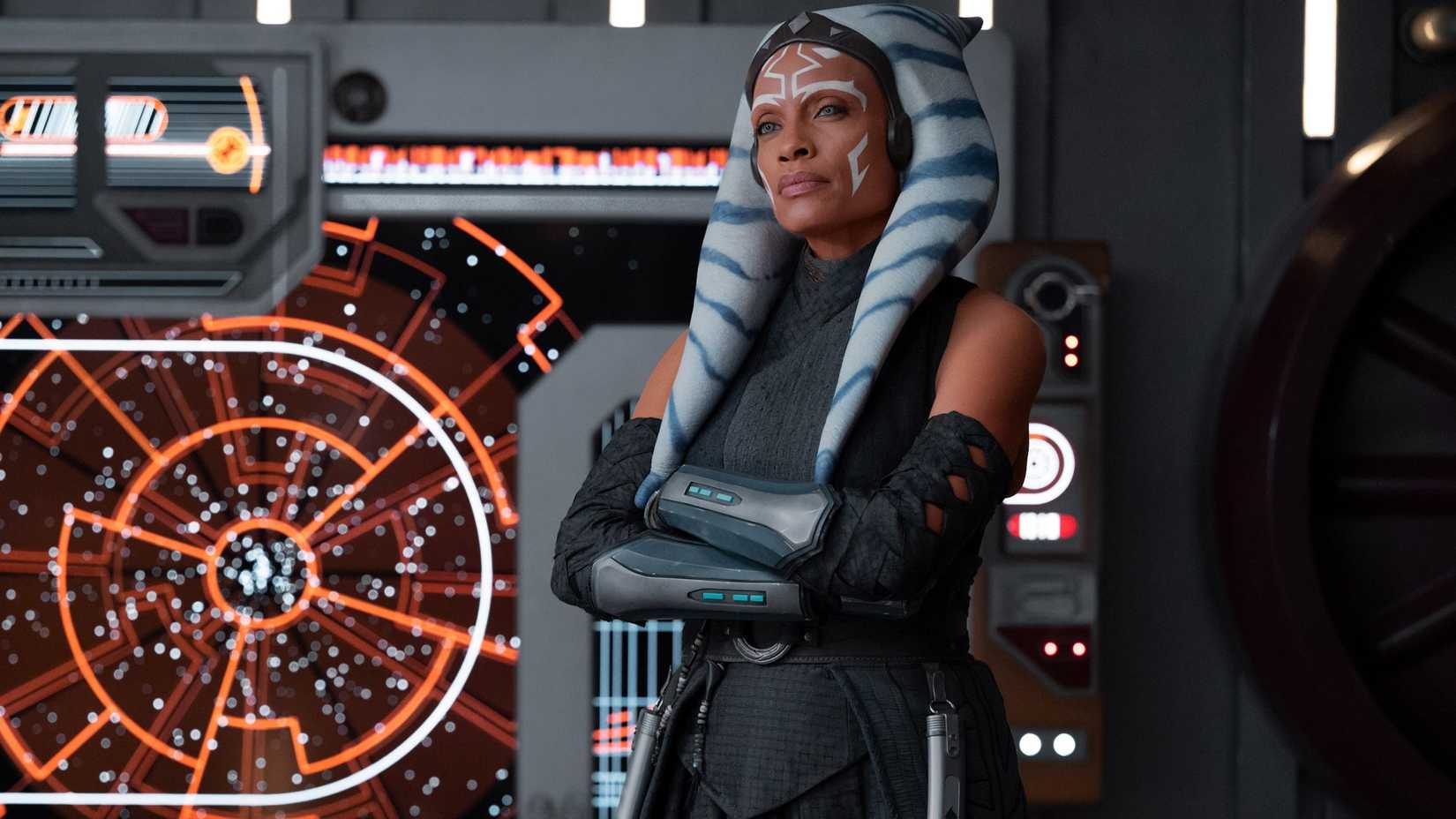
- October 2023: Ahsoka season 1 concludes, leaving fans with major cliffhangers.
- January 2024: Lucasfilm officially announces the development of Ahsoka season 2.
- April 2025: Principal photography for the second season begins.
- July 2025: The first production images are teased, providing a glimmer of hope for fans.
- 2027: The current confirmed release window.
While the production began in early 2025, the transition from a limited series to an ongoing season required extensive retooling of the creative vision, which, when coupled with the studio’s broader shift in priorities, necessitated the extended post-production and marketing lead times.
A Heavy Loss: The Tragic Absence of Ray Stevenson
Beyond corporate strategy and scheduling, the production of Ahsoka was struck by a profound personal tragedy. The passing of Ray Stevenson in May 2023, who delivered a career-defining performance as the enigmatic Baylan Skoll, sent shockwaves through the production team and the fan community alike. Stevenson’s portrayal of the fallen Jedi was a cornerstone of the show’s first season, and his character’s journey toward the secrets of the Force was a major narrative hook for the future.
The process of moving forward without him was handled with extreme sensitivity. It was not until January 2025 that Disney confirmed Rory McCann would be stepping into the role of Skoll. Recasting a character of such emotional and plot-critical weight is a delicate operation. It necessitated not only finding an actor capable of capturing the gravitas Stevenson brought to the screen but also re-adjusting the scripts to ensure the transition felt earned within the established mythology. This process alone consumed a significant portion of the pre-production window.
The Implications for the Mandoverse and the Force
As we look toward 2027, the implications for the future of the franchise are significant. The delay effectively positions Ahsoka season 2 as a centerpiece for the 50th anniversary of Star Wars. This timing is poetic, given that the story promises to delve deeper into the origins of the Force and the mysterious Mortis gods, connecting the series directly to the legacy of The Clone Wars.
The narrative trajectory remains one of the most exciting aspects of the upcoming season:
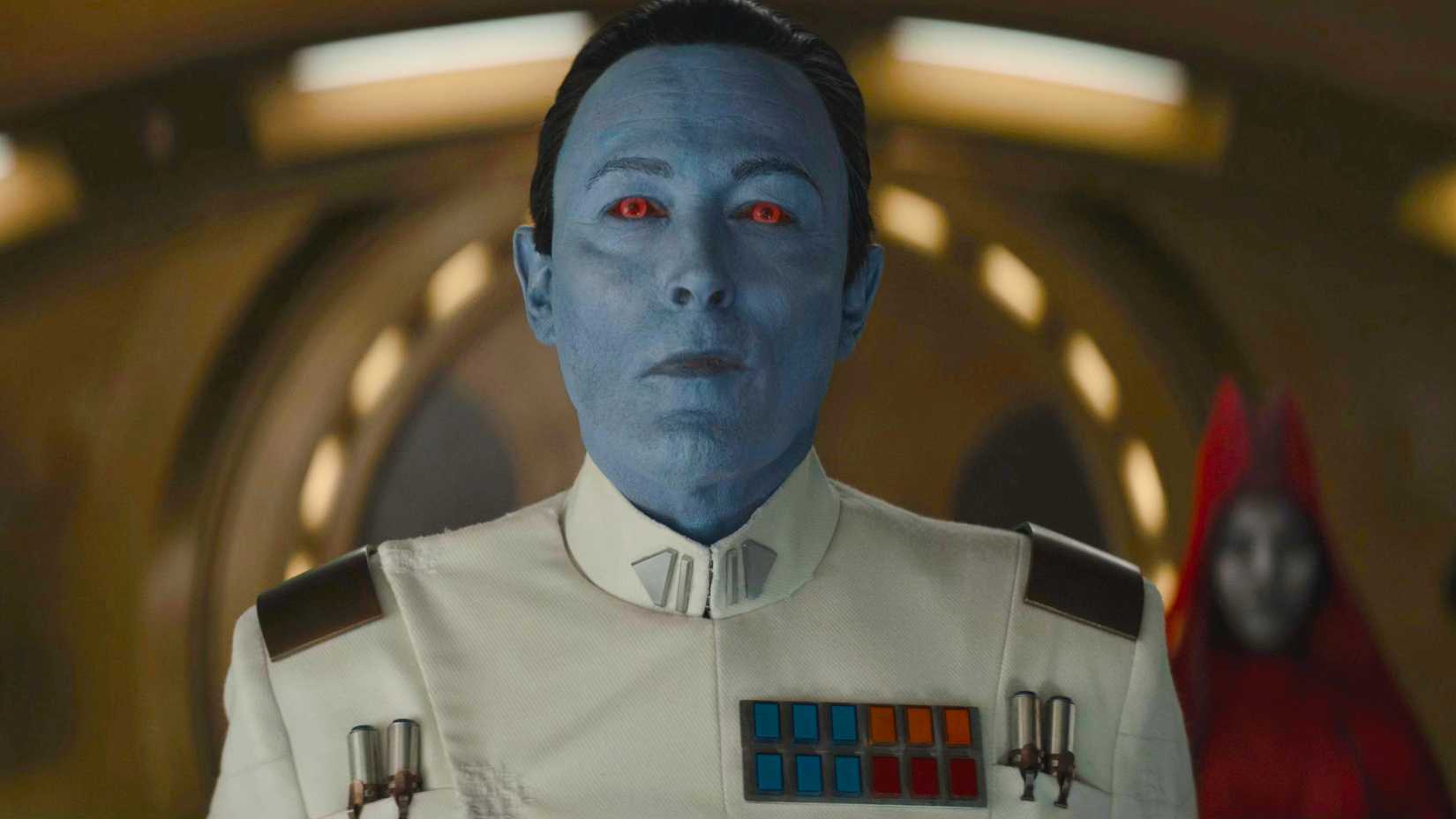
- The Thrawn Threat: Grand Admiral Thrawn is no longer just a tactical genius in exile; he is back in the main galaxy. His objective is clearly the re-establishment of Imperial order, likely through the manipulation of existing Imperial Remnants found in the outer rim.
- The New Republic’s Response: Ezra Bridger’s return to the fold provides a necessary counter-force to Thrawn. His collaboration with Hera Syndulla and the remnants of the New Republic will likely form the backbone of the season’s political and military conflict.
- The Quest for Balance: Ahsoka and Sabine Wren remain stranded on Peridea. Their arc is expected to mirror Baylan Skoll’s hunt for the "power" residing in the ancient world. With the potential return of Anakin Skywalker’s Force ghost, the show is poised to explore the nature of balance—a theme that has been the lifeblood of the franchise since its inception.
Will the Wait Be Worth It?
While the frustration among fans is palpable—particularly when compared to other streaming series that have managed shorter hiatuses—the current trajectory of Ahsoka suggests a move toward quality over quantity. The industry is currently witnessing a "correction" in streaming models; the era of rapid-fire content is being replaced by a more deliberate, curated approach to intellectual property.

By taking the extra time, Lucasfilm has the opportunity to refine the scripts, perfect the visual effects that define the show’s unique aesthetic, and ensure that the legacy of Ray Stevenson is honored while moving the story into its next phase. Furthermore, by linking Ahsoka to the broader cinematic events of The Mandalorian and Grogu, the studio is attempting to create a cohesive, shared universe that feels planned rather than reactive.
In 2027, when the lightsabers are finally ignited once more and the music of the Star Wars saga swells, the three-year wait may be viewed not as a delay, but as the necessary gestation period for a project that aims to redefine the scale and depth of Star Wars television. For now, the galaxy waits, as the threads of fate, the Force, and the remnants of the Empire continue to tighten around the characters we have come to know and love. The return to Peridea will be long, but it is clear that the journey is just beginning.











No comments yet. Be the first to join the conversation!