

By Jackson McCoy
May 13, 2026
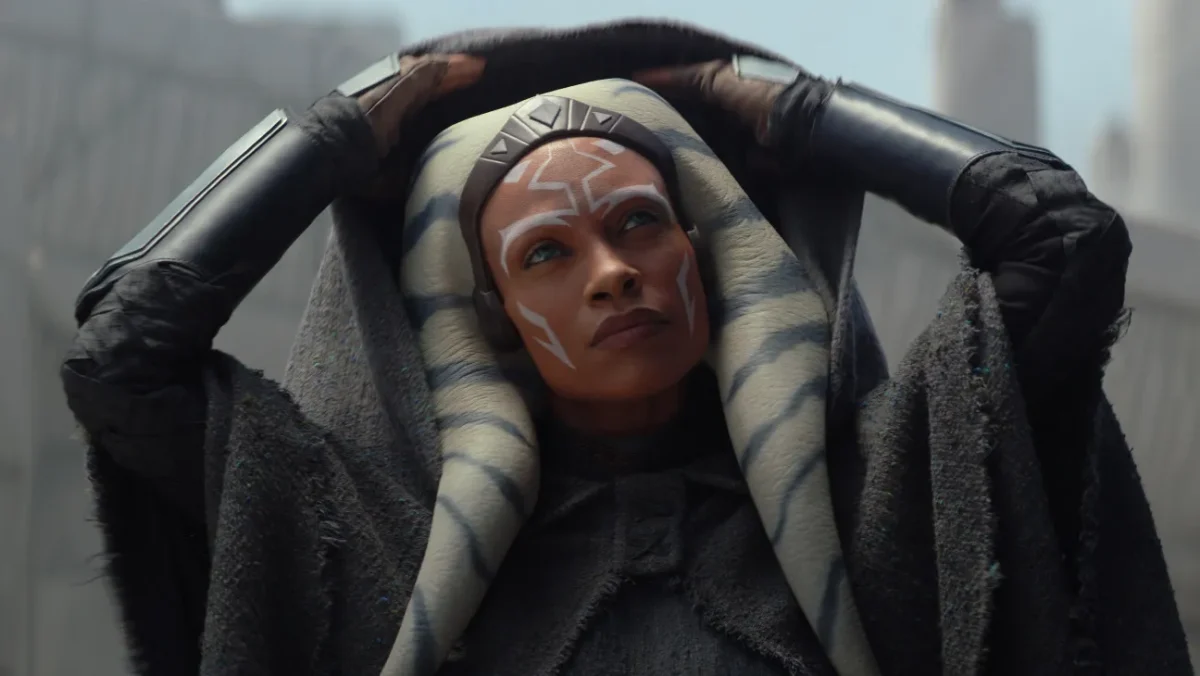
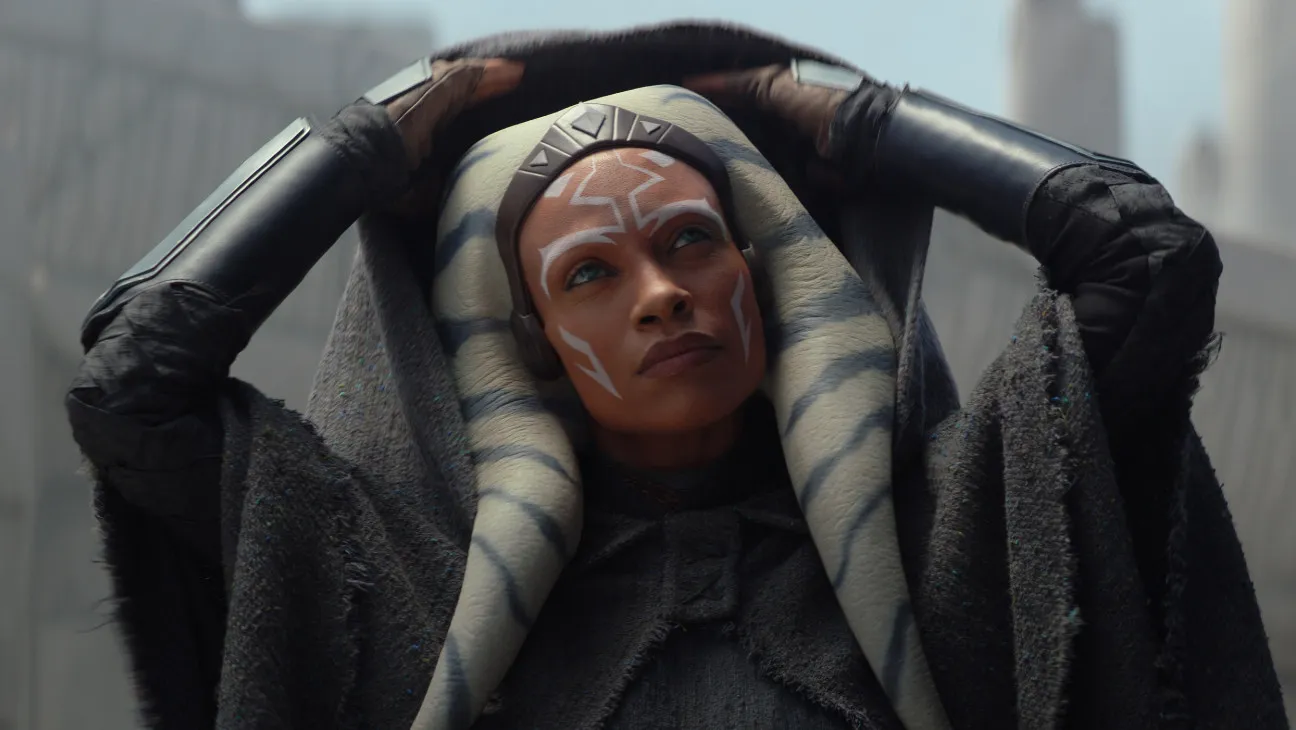
The galaxy far, far away is currently navigating its most turbulent hyperspace lane to date. With the official announcement that Ahsoka Season 2 is slated to arrive on Disney+ in early 2027, the Lucasfilm hierarchy finds itself at a precarious crossroads. For years, the promise of a sprawling, interconnected live-action television universe seemed like an inexhaustible goldmine. Today, that vision looks more like a fractured mosaic. As the dust settles on a string of critical and commercial disappointments, the pressure on Dave Filoni—the chief creative officer of Lucasfilm—has never been higher. The Togruta Jedi’s return is no longer just another entry in the franchise; it is, quite possibly, the final stand for the current era of live-action Star Wars television.
The Landscape of Uncertainty: A Retrospective Chronology
To understand why Ahsoka Season 2 carries the weight of the entire Lucasfilm television division, one must look at the rapid evolution—and subsequent stagnation—of the Star Wars streaming strategy since 2023.
When Ahsoka Season 1 premiered in August 2023, the mood at Disney+ was one of optimism. The streaming platform was riding high on the success of The Mandalorian, and Andor had set a new critical watermark for the franchise. The release schedule was robust, and there was a palpable sense that the "Mando-verse" would serve as a long-term foundation for years of storytelling.
However, the timeline of the following three years tells a story of diminishing returns:
- The Post-Mando Era (2023-2024): Following Ahsoka’s debut, the franchise struggled to find a consistent footing. Projects like The Book of Boba Fett and The Acolyte arrived with significant hype but faced intense, often polarized, audience reactions. Both series saw their narratives truncated or abandoned, with The Acolyte’s planned second season being unceremoniously scrapped shortly after its debut.
- The Content Drought (2025): The industry saw a noticeable cooling in output. Skeleton Crew, positioned as a hopeful entry point for new audiences, unfortunately secured the lowest viewership ratings of any live-action Star Wars series, signaling a potential fatigue among the casual subscriber base.
- The Current State (2026): We are now in a period where "live-action" is synonymous with "risk." With no other live-action projects currently scheduled for 2027 beyond Ahsoka, the franchise has effectively placed all its chips on a single narrative thread.
The "Filoni Paradox": Lore vs. Accessibility
Central to the discourse surrounding these struggles is the role of Dave Filoni. A legendary figure among animation fans for his work on The Clone Wars and Rebels, Filoni’s transition to live-action was initially celebrated as the "purification" of the brand. He was viewed as the keeper of the flame, the man who understood the DNA of George Lucas’s creation better than anyone else.
However, a recurring criticism has emerged: the "Filoni Paradox." By leaning heavily into the dense, multi-decade history of The Clone Wars, Filoni’s live-action projects have often inadvertently alienated the broader, non-animated audience.
Critics argue that the narrative weight of deep-cut lore—characters, political maneuvers, and historical events established in animation—has bogged down the pacing of shows like Ahsoka. While well-intentioned, this approach has resulted in projects that feel more like a homework assignment than an adventure. For the casual viewer, the barrier to entry has become prohibitively high. The reliance on legacy characters and niche storylines has left little room for original, standalone narratives to breathe, leading to the "junkyard" aesthetic that some observers now attribute to the current state of the Disney+ output.
The Animation Contrast: Where Success Lives
While the live-action department has struggled to find a consistent rhythm, the animation arm of Lucasfilm has been a beacon of stability and quality. The recent success of Maul — Shadow Lord is a case study in what modern Star Wars can achieve when it leans into focused, high-stakes storytelling.
With over four million viewers in its debut week, Maul — Shadow Lord shattered streaming records, proving that the appetite for Star Wars is not gone; it is simply discerning. Similarly, anthology series like Star Wars: Tales and the critically acclaimed Star Wars: Visions have demonstrated that the franchise thrives when it is allowed to experiment with tone, style, and narrative scope.
The lesson for Lucasfilm is clear: audiences are responding to animation because it feels fresh, visually distinct, and narratively unburdened by the need to connect every plot point to the broader "Mando-verse" tapestry. The question now is whether the lessons learned in the animation studio can be successfully translated to the soundstages of live-action production.
Implications: The High Stakes of 2027
The decision to limit the live-action slate to just Ahsoka Season 2 in 2027 is a clear indication that Lucasfilm is hitting the "reset" button. The implications of this move are profound:
1. The Commercial Litmus Test
The financial success of Ahsoka Season 2 will likely dictate the green-lighting of future seasons for other dormant series. Projects like Obi-Wan Kenobi Season 2 or even the continuation of The Mandalorian as a television entity are currently in a state of suspended animation. If Ahsoka fails to deliver a significant surge in subscribers or positive critical sentiment, Lucasfilm may be forced to pivot away from episodic television entirely in favor of theatrical releases or limited, one-off event series.
2. The Creative Pivot
If the second season underperforms, the internal creative structure at Lucasfilm will almost certainly face a shake-up. Dave Filoni, as the chief creative officer, will face the difficult task of reevaluating his approach. This might mean moving away from the "connected universe" model that has defined the last half-decade and toward the standalone, auteur-driven style that made Andor a success.
3. Fan Sentiment and Brand Health
The current fatigue is not just about ratings; it’s about brand equity. Star Wars is a cultural touchstone that relies on a sense of wonder and novelty. By repeatedly rehashing old conflicts and relying on legacy character cameos, the franchise risks becoming a self-referential loop. Ahsoka Season 2 has the unique opportunity to break this cycle by introducing new threats, new philosophical challenges, and a narrative that stands on its own merits rather than resting on the laurels of The Clone Wars.
Conclusion: A Jedi’s Final Gamble
As we look toward 2027, the stakes are undeniably high. Ahsoka Season 2 is tasked with the impossible: it must appease the hardcore fans who demand adherence to lore, while simultaneously inviting in the casual viewers who have been turned off by the increasing complexity of the Disney+ offerings.
If the season succeeds, it will provide a much-needed morale boost for the franchise and likely secure the future of the current Lucasfilm leadership’s vision. It would prove that the Star Wars television machine can still hum with efficiency and magic. If it fails, however, it may mark the end of an era. The "Mando-verse" experiment, once seen as the future of the medium, could be retired in favor of a completely new creative direction.
The Togruta Jedi has spent her life fighting against overwhelming odds, often serving as the bridge between eras of the galaxy. It is perhaps fitting that she is now the bridge between the past struggles of Star Wars television and its potential future. Whether that future is bright or dark depends entirely on the next chapter of Ahsoka Tano’s journey. For Lucasfilm, there is no more room for error; the time for experimentation is over, and the time for a masterclass in storytelling has begun.









No comments yet. Be the first to join the conversation!