Siti Muinah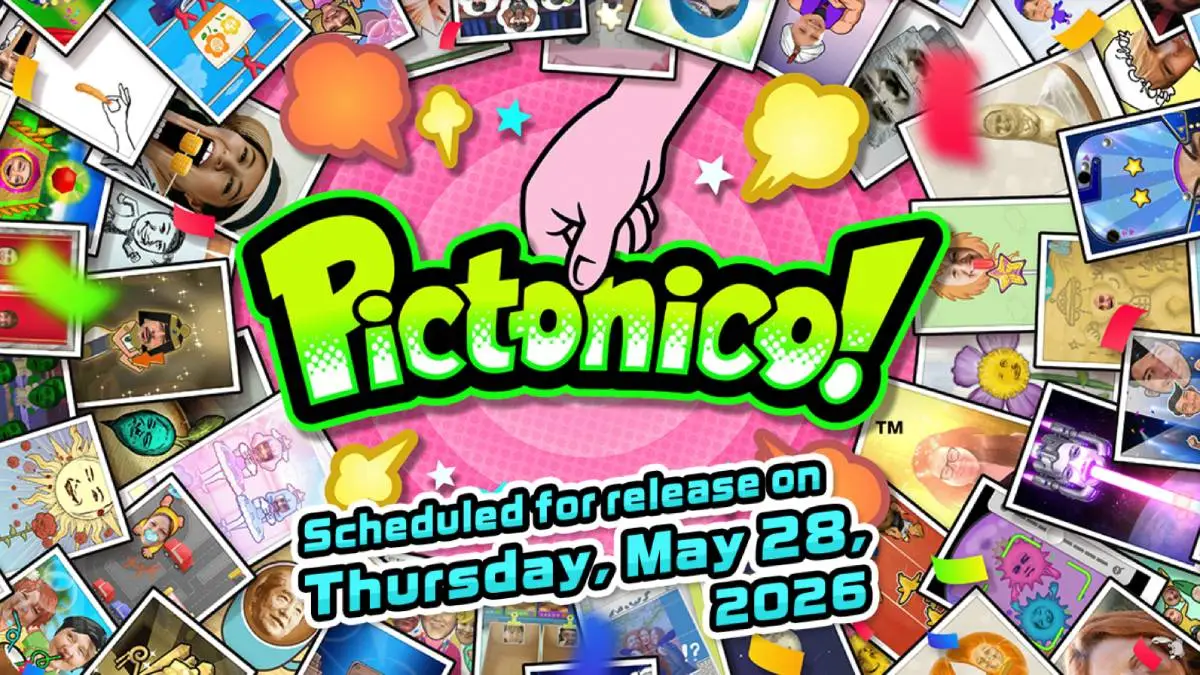
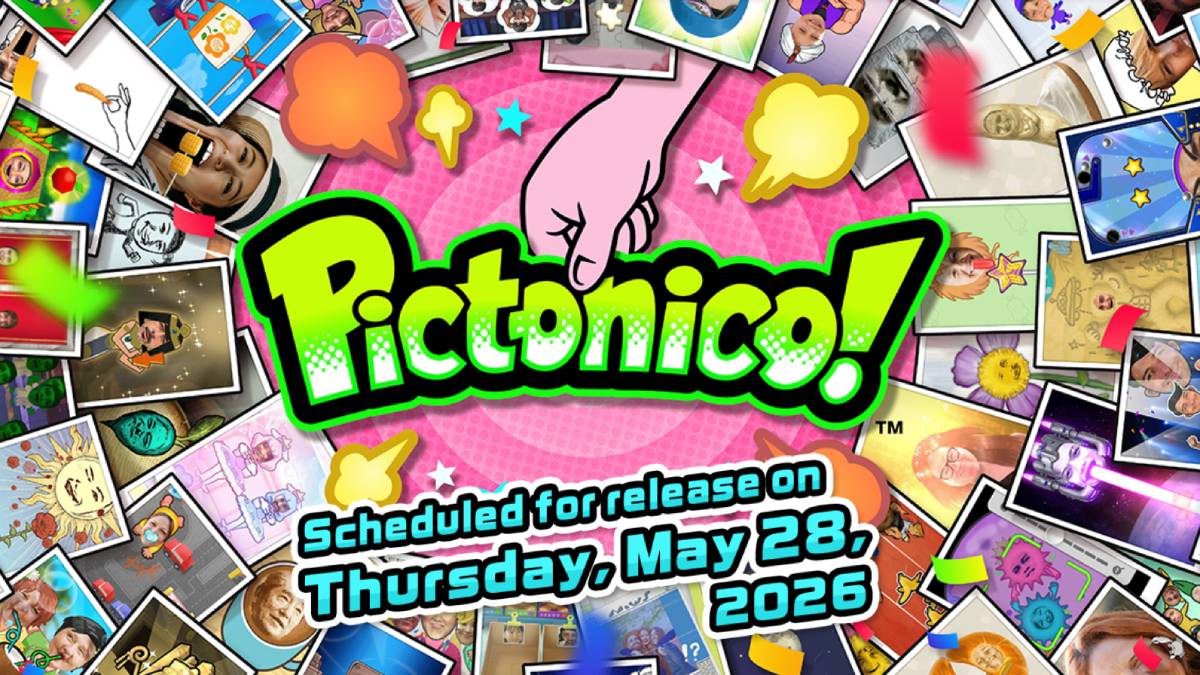
In an unexpected expansion of their mobile portfolio, Nintendo, in collaboration with long-time development partner Intelligent Systems, has announced Pictonico. This upcoming free-to-start mobile title aims to bring the chaotic, high-speed energy of the iconic WarioWare series to iOS and Android devices. Set for a global release on May 28, 2026, Pictonico leverages personal photography to create a bespoke, interactive experience that blurs the line between a digital photo album and a frantic arcade game.
Main Facts: What is Pictonico?
At its core, Pictonico is a collection of lightning-fast minigames designed to be played in short, punchy bursts. Unlike traditional mobile games that focus on long-form progression or complex narratives, Pictonico leans heavily into the "microgame" genre popularized by the WarioWare series.
The central hook of the game is its integration of user-submitted imagery. Players are encouraged to capture photos of their friends, family, or themselves using their device’s camera, or to pull existing images from their local photo library. Once an image is imported, the software processes the data to integrate the subjects—specifically faces—into various scenarios.
Initial previews reveal a variety of humorous, slightly absurd tasks. In one demonstration, a player must frantically tap the screen to "eat" corn off a face in the photograph; in another, the objective is to clear away digital critters crawling over a person’s features. A third revealed task involves "unwrapping" two individuals who have been digitally bandaged like mummies, requiring the player to use touch-screen gestures to reveal their eyes. The game is bolstered by a signature aesthetic and sound design that fans of Intelligent Systems will immediately recognize as spiritual kin to the WarioWare franchise.
A Chronological Look at the WarioWare Legacy
To understand the significance of Pictonico, one must examine the evolution of Intelligent Systems’ design philosophy regarding microgames.
The Origins of "Fast-Paced Fun"
The WarioWare series debuted in 2003 with WarioWare, Inc.: Mega Microgame$! on the Game Boy Advance. It revolutionized the platforming genre by distilling gameplay down to three-to-five-second challenges. This philosophy—forcing players to adapt to a new mechanic every few seconds—became the studio’s hallmark.
The Era of Hardware Gimmicks
As the years progressed, Intelligent Systems sought to integrate unique hardware features into their microgame loop:
- 2018 (WarioWare Gold): Utilized the Nintendo 3DS’s dual screens, motion controls, and touch interface.
- 2021 (WarioWare: Get It Together!): Introduced a multiplayer-centric approach, where characters had unique movement abilities, allowing for collaborative or competitive microgaming on the Nintendo Switch.
- 2023 (WarioWare: Move It!): Focused exclusively on motion controls using the Joy-Con controllers, requiring players to perform physical poses to succeed in tasks.
Pictonico represents the next logical step in this timeline. By moving away from proprietary console hardware and onto the ubiquitous smartphone, Intelligent Systems is stripping away the need for specialized controllers in favor of the most intuitive interface available: the touch screen.
Supporting Data and Technical Implementation
One of the primary concerns for modern mobile gamers is privacy, especially when an application requests access to a device’s photo gallery. Nintendo has been proactive in addressing these concerns ahead of the May 28 launch.
Data Privacy and Security
According to the official Pictonico portal, the application is designed with a "privacy-first" architecture. Nintendo has explicitly stated that the app does not collect, store, or upload the photos used by the player to any external servers. All image processing—including face detection and game integration—occurs locally on the user’s device. This technical choice ensures that even the most candid or humorous photos remain strictly within the user’s possession, effectively neutralizing potential data harvesting concerns that often plague modern photo-manipulation apps.
Distribution Model
The game will follow a "free-to-start" model, allowing users to download the core experience and a selection of minigames at no cost. Nintendo has confirmed that a demo version will be available, providing a window into the core loop of the game before potential microtransactions or full-version unlocks are introduced. This strategy mirrors Nintendo’s previous mobile efforts, such as Super Mario Run and Fire Emblem Heroes, balancing accessibility with monetization.
Official Responses and Developer Intent
While Nintendo has not released a lengthy manifesto regarding the development of Pictonico, the involvement of Intelligent Systems signals a high level of polish. The studio, which balances its high-fantasy Fire Emblem strategy titles with the slapstick comedy of WarioWare, has long been the pillar of Nintendo’s "pick-up-and-play" ethos.
In the official Japanese trailer, the tone is lighthearted and chaotic, emphasizing the social aspect of the game. The marketing focus is not on technical specifications or high-fidelity graphics, but rather on the "shareability" of the content. By making the player the star of the game, Nintendo is betting on the viral potential of the software. As the trailer suggests, the goal is to make the game a centerpiece for social gatherings, where photos of friends can be instantly transformed into a source of shared laughter.
Implications for the Mobile Market
The release of Pictonico has several implications for both Nintendo’s long-term mobile strategy and the broader landscape of casual gaming.
1. Strengthening the Mobile Ecosystem
Nintendo has historically been cautious about the mobile market, often preferring to keep their flagship IPs on dedicated hardware. Pictonico represents a "middle path." It is an original IP that utilizes the DNA of a beloved franchise without diluting the value of a major console title. This suggests that Nintendo is increasingly comfortable using its mobile division as a sandbox for experimental, light-hearted projects.
2. The Rise of "Personalized" Gaming
Pictonico taps into the modern consumer’s desire for personalized content. By using photos as the assets for the game, the software becomes inherently unique to every user. If successful, this could lead to a trend in mobile gaming where the barrier between a user’s digital life and their entertainment apps becomes increasingly permeable.
3. Sustaining the WarioWare Brand
The WarioWare series has occasionally suffered from "gimmick fatigue." By moving to mobile, Intelligent Systems can bypass the need for an expensive controller setup and focus purely on the core design: fast, intuitive, and funny gameplay. If Pictonico finds a large audience, it could provide a template for future WarioWare titles, potentially leading to more frequent updates or a more robust ecosystem of user-generated content.
Conclusion
As May 28, 2026, approaches, the gaming community is watching Pictonico with keen interest. It is a rare beast in today’s market: a mobile game that prioritizes privacy, leverages the existing hardware of the smartphone, and leans into a proven, high-energy formula. By transforming the user’s own camera roll into a playground of digital antics, Nintendo and Intelligent Systems have positioned Pictonico to be more than just a minigame collection—it is a social tool designed to keep players laughing at their own reflections. Whether it achieves the long-term success of their console-based titles remains to be seen, but the sheer creativity of the concept serves as a reminder that in the world of Nintendo, even a simple photo can become an adventure.


 Asro
Asro
 Muslim