Lina Irawan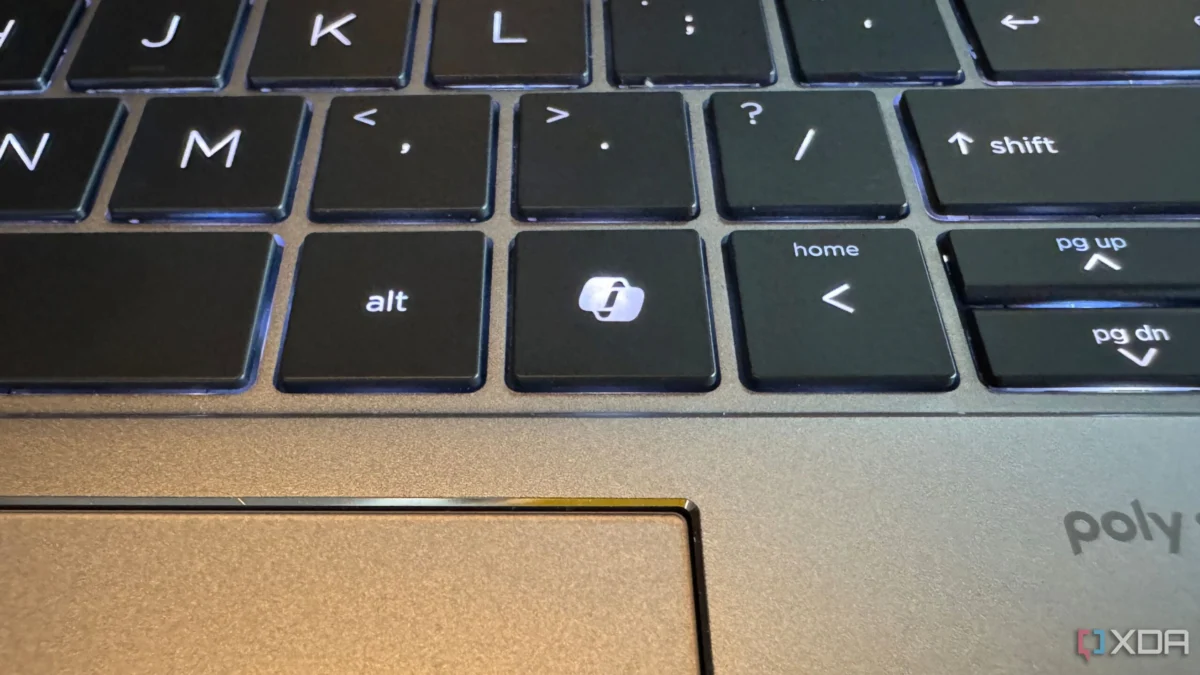
In a significant pivot for its hardware strategy, Microsoft has officially acknowledged that the aggressive integration of its AI-centric "Copilot key" has caused friction for a substantial segment of its user base. Following months of internal restructuring under the "Windows K2" initiative—a project aimed at trimming bloat and refining the user experience—the tech giant has confirmed it will soon provide users with the long-awaited ability to reclaim their hardware.
The move marks a departure from the company’s previous "all-in" AI strategy, signaling a realization that user agency and workflow continuity remain paramount in the professional and creative sectors.
The Genesis of the Copilot Key: A Bold AI Bet
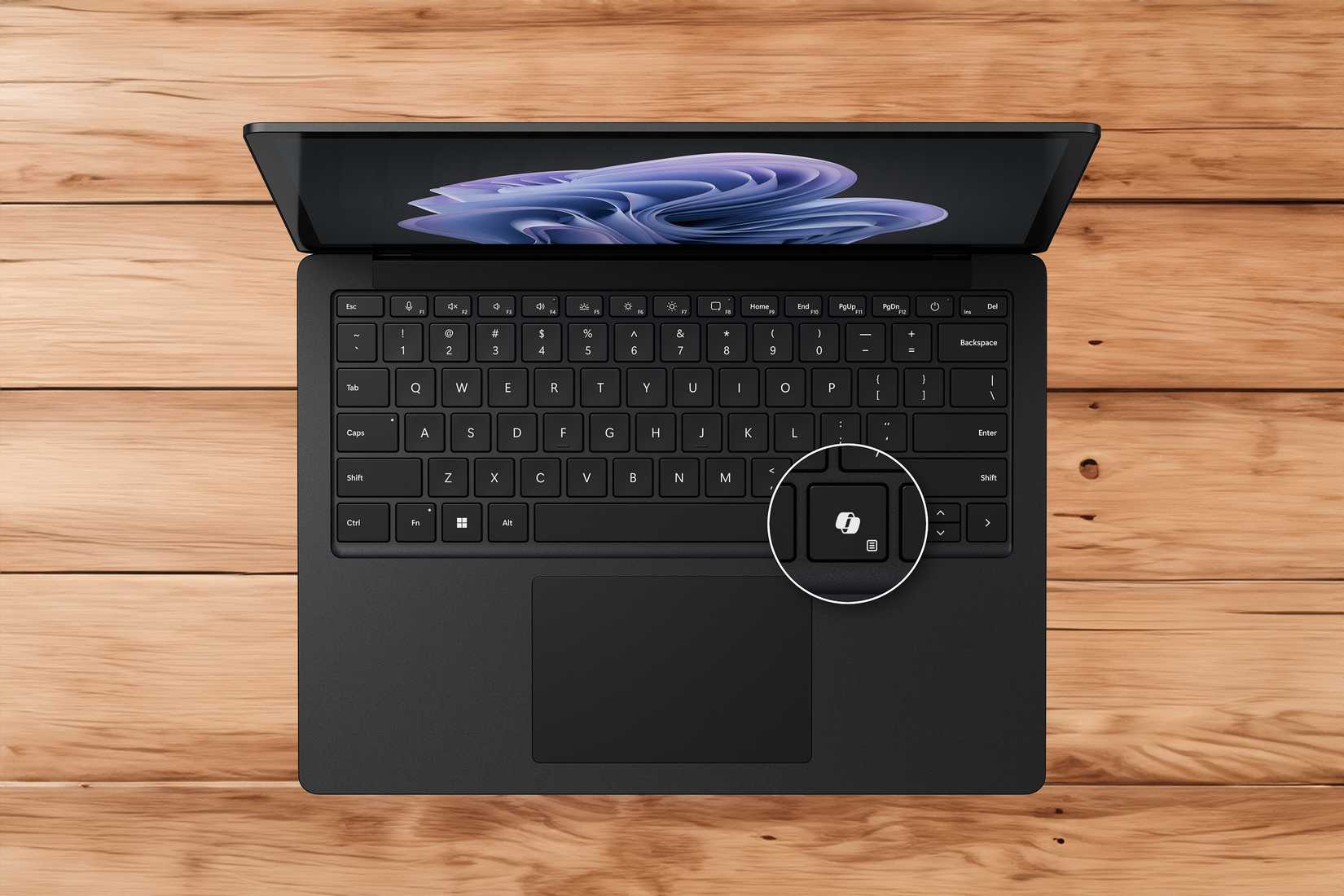
To understand the significance of this reversal, one must look back to early 2024. Microsoft, riding the wave of the generative AI boom, sought to make its Copilot assistant as ubiquitous as the Windows key itself. The company introduced a dedicated Copilot key on new Windows 11 laptops, typically replacing the Right Control (Ctrl) key or the Context Menu key.
For the average consumer, the key was a marketing tool—a physical manifestation of Microsoft’s commitment to an "AI-first" future. However, for power users, developers, and those reliant on specific accessibility software, the sudden disappearance of the Right Ctrl key was not merely an inconvenience; it was a disruption to established muscle memory and professional productivity.

Chronology of the Friction
- Early 2024: Microsoft introduces the Copilot key across its Surface and partner laptop lineups. It is touted as the "first significant change to the Windows PC keyboard in decades."
- Late 2024 – Mid 2025: User complaints begin to mount. Professional users report that the key often triggers the AI interface accidentally. More importantly, those who rely on the Right Ctrl key for complex hotkey combinations (such as in Adobe Creative Cloud or IDEs like Visual Studio) find their workflows hindered.
- Late 2025: The "AI Hangover" sets in. Market data suggests that while AI features are appreciated, users are increasingly frustrated by performance regressions and "feature bloat" in Windows 11.
- Early 2026: Microsoft launches the "Windows K2" internal initiative, a strategic overhaul aimed at rolling back unnecessary AI integrations and streamlining the OS.
- May 2026: Microsoft publishes official support documentation confirming that a future Windows 11 update will allow users to remap the Copilot key, effectively conceding that the mandatory hardware change was a misstep.
The "Windows K2" Initiative: A Strategic Pivot
The decision to allow re-mapping is not an isolated incident; it is a byproduct of the broader "Windows K2" initiative. Internal reports from late 2025 suggested that Microsoft executives recognized a growing disconnect between the company’s AI-focused roadmap and the actual needs of its core demographic.
The K2 initiative was designed to address three primary pillars: performance optimization, interface decluttering, and, crucially, user choice. By allowing users to disable or reassign the Copilot key, Microsoft is essentially admitting that forcing a specific AI workflow upon hardware users was counterproductive. The company is now pivoting toward a model where AI is an "opt-in" experience rather than a "forced-at-the-hardware-level" feature.
The Impact on Workflows and Accessibility
The most significant outcry against the Copilot key came from two distinct groups: software developers and the accessibility community.
The Developer’s Dilemma
Many developers utilize the Right Ctrl key as a primary modifier for IDE shortcuts. When the key was swapped for Copilot, developers found themselves having to re-learn years of muscle memory or resort to third-party remapping software, which often caused system-level conflicts. For a demographic that prizes efficiency above all else, this change was viewed as an unnecessary hurdle.

Accessibility Concerns
Perhaps more critical is the impact on users who rely on screen readers and other assistive technologies. Many of these tools leverage the Right Ctrl or Context Menu keys as part of their navigation schemes. By stripping these keys away, Microsoft inadvertently created a barrier for users with disabilities. In its latest documentation, the company specifically noted: "Customers who rely on the Right Ctrl key or Context menu key for… assistive technologies (such as screen readers) experienced some challenges to their workflows."
Official Response: A Measured Retraction
In a support document titled “Understand updates to the Copilot key on Windows devices,” Microsoft has finally addressed the issue with a level of transparency that was absent during the initial rollout.
The company stated: "Starting in 2024, hardware manufacturers released new Windows 11 devices that include a dedicated Copilot key… Customers who rely on the Right Ctrl key or Context menu key for keyboard shortcuts or assistive technologies experienced some challenges to their workflows."
The proposed solution is a straightforward update to the Windows 11 Settings menu. By navigating to Settings > Bluetooth & devices > Keyboard, users will soon be able to redefine the Copilot key’s function. Options will include reverting it to the traditional Right Ctrl or the Context Menu key. While Microsoft has not provided a hard date for this rollout, it is expected to arrive as part of the "later this year" update cycle.
Implications for Future Hardware
This reversal holds significant implications for the future of PC hardware design. Firstly, it highlights the danger of "solutionism"—where a company attempts to solve a perceived problem (the lack of AI discoverability) by introducing hardware changes that the market never explicitly requested.
Secondly, it reinforces the necessity of "Hardware Neutrality." Even as AI becomes a fundamental component of the operating system, the underlying hardware must remain flexible enough to accommodate diverse user needs. Future laptop manufacturers are likely to be more cautious about "locking in" specific software features to physical keys, favoring customizable inputs instead.
The Road Ahead: Balancing Innovation and User Agency
As we move into the second half of 2026, Microsoft finds itself at a crossroads. The company remains the leader in AI-integrated software, but the "Windows K2" era suggests a newfound humility. The willingness to roll back the Copilot key is a sign of a mature company listening to its power users.
For the average Windows user, the ability to reclaim the Right Ctrl key is a small, tactical victory. For Microsoft, it is a strategic necessity. By restoring control to the user, Microsoft is not abandoning its AI ambitions; rather, it is recognizing that if AI is truly as useful as they claim, it should be able to stand on its own merit—without needing a dedicated button to force its presence upon the user.
As the industry waits for the official patch, the narrative surrounding the Copilot key serves as a case study for future hardware launches. Innovation is rarely a straight line; sometimes, the most "innovative" thing a company can do is give its users the freedom to go back to the way things worked best. The era of mandatory AI integration is drawing to a close, replaced by an era of choice and user-defined productivity.


 Muslim
 Suro Senen