

For generations, the vegetable garden has been a place of quiet satisfaction and, inevitably, back-breaking labor. From the sprawling family plots of the past to the compact, raised beds of modern urban apartment living, the goal remains the same: fresh, home-grown produce. Yet, there is one constant, stubborn adversary that every gardener knows all too well: the weed.
Traditional weed management often involves chemical herbicides, which raise environmental concerns, or hours of grueling manual labor that can deter even the most enthusiastic hobbyist. However, a growing trend in sustainable gardening—the "cardboard method"—is changing the narrative. By repurposing common household waste, gardeners are discovering an elegant, cost-effective, and highly efficient solution to weed suppression.
The Core Concept: Sheet Mulching Explained
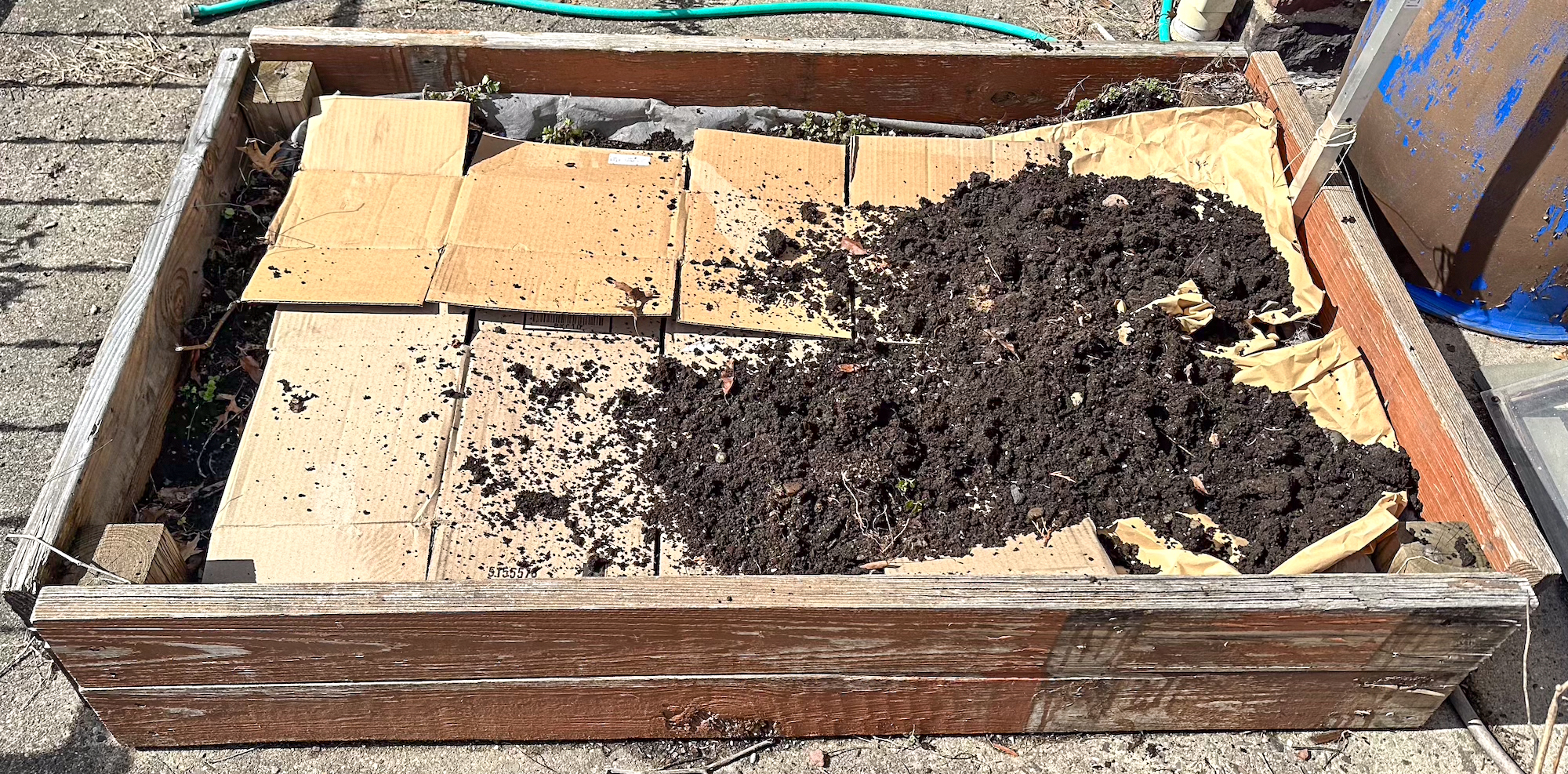
At its heart, the cardboard method is a form of "sheet mulching" or "lasagna gardening." It functions as a biological barrier. When laid over soil, cardboard blocks the sunlight necessary for weed seeds to germinate and for existing weeds to photosynthesize. Deprived of light, the weeds eventually perish, effectively composting in place.
Unlike plastic landscape fabrics, which can be difficult to remove and do not contribute to soil health, cardboard is biodegradable. It is made from wood pulp, a carbon-rich material that earthworms and beneficial soil microorganisms adore. As the cardboard breaks down, it improves soil structure, increases water retention, and invites the very biology that makes a garden thrive.
A Chronology of Success: From Planning to Planting
The journey begins with preparation. In late March, as the frost begins to retreat, the process requires little more than flattening standard shipping boxes—a ubiquitous resource in the era of online shopping—and layering them across the surface of the garden beds.
Phase 1: The Foundation (March)
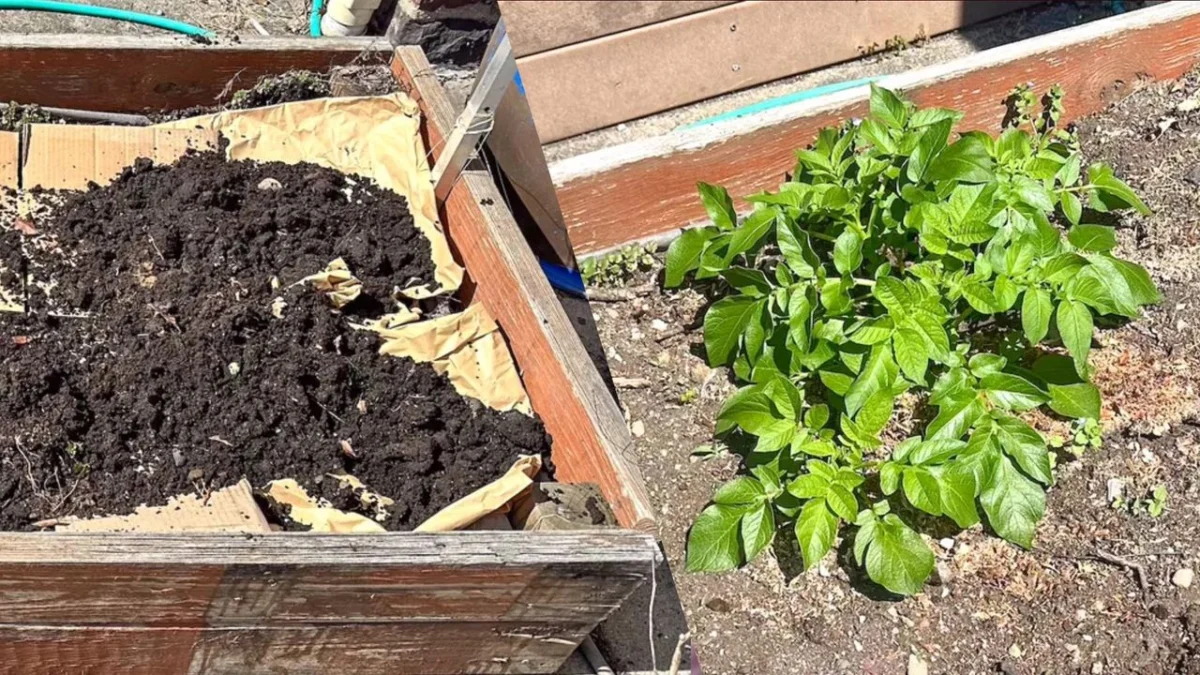
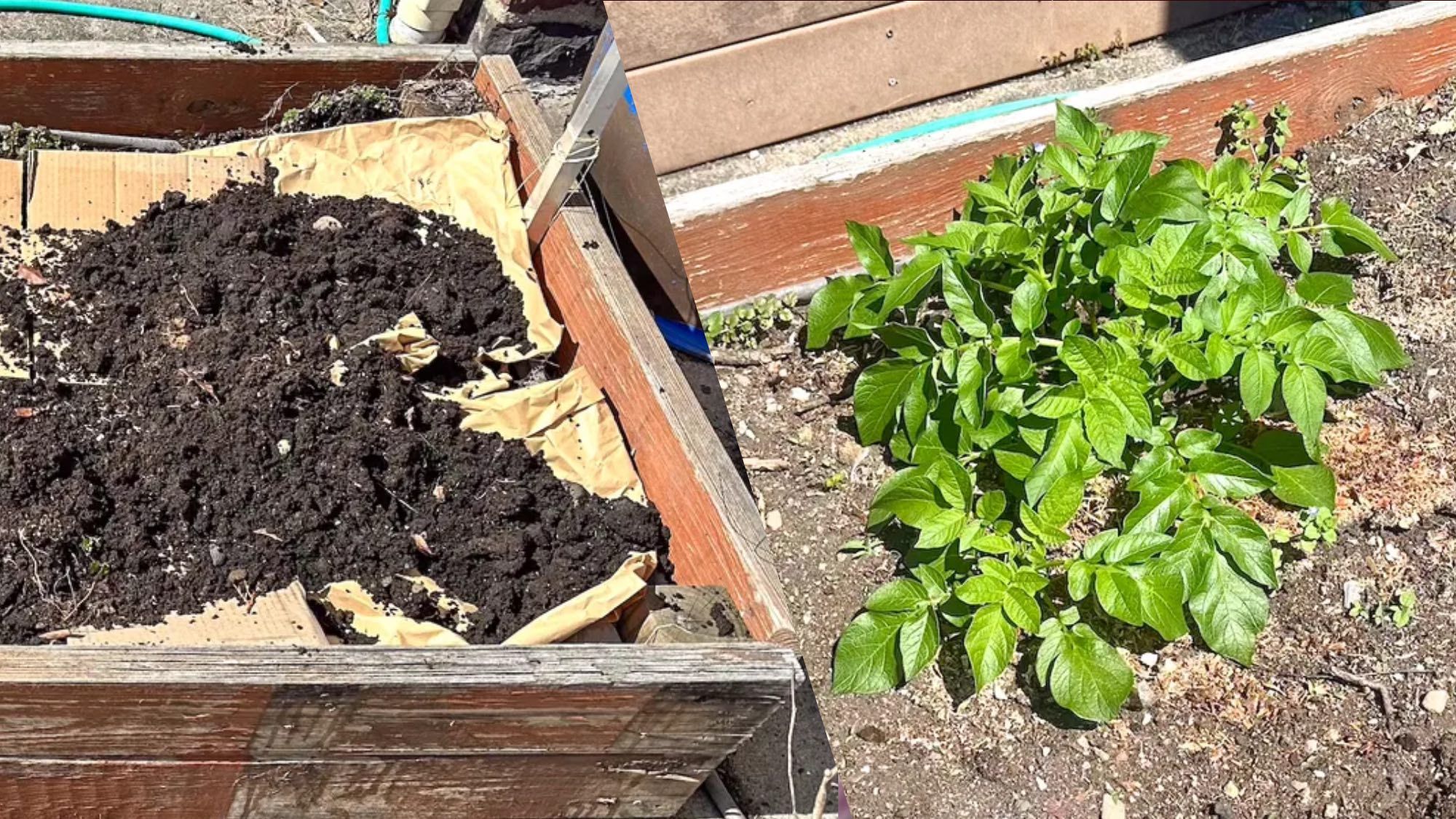
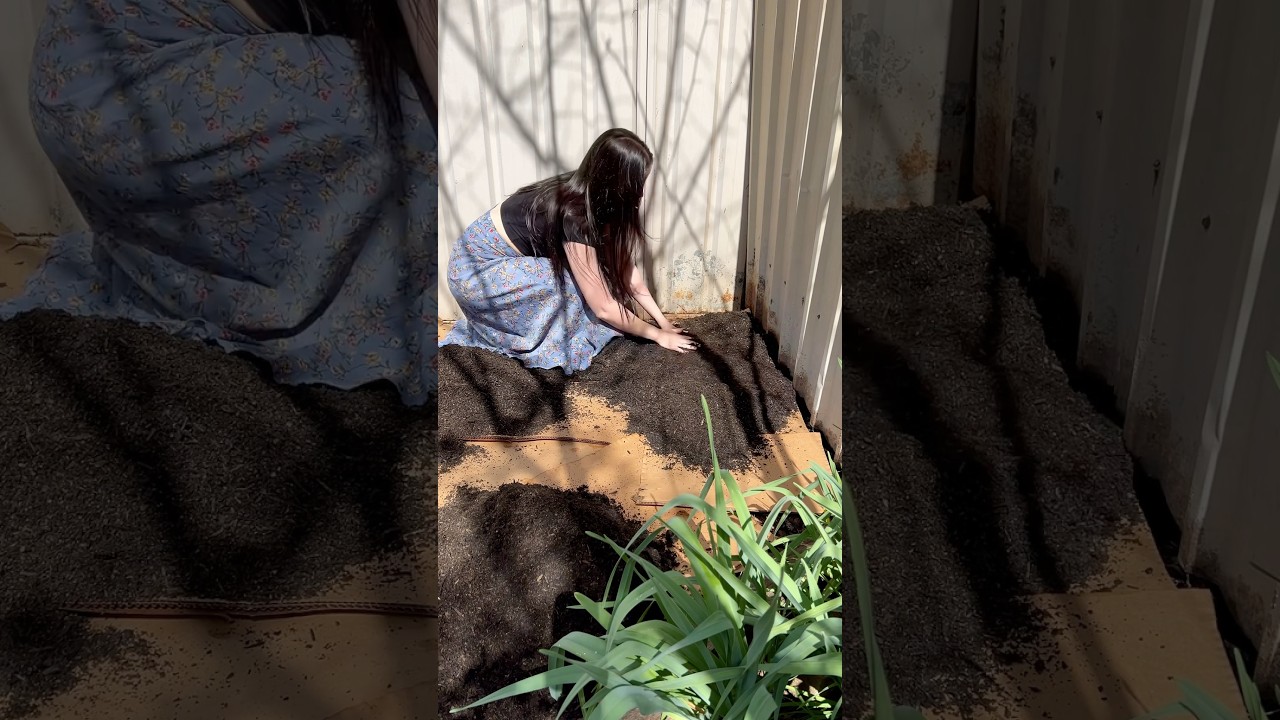
The application is straightforward: remove tape and staples from cardboard boxes, flatten them, and overlap the sheets to ensure no gaps remain. This "no-light" barrier is crucial. Once the bed is covered, the cardboard is topped with approximately one to two inches of quality compost or topsoil. This layer serves to hold the cardboard in place, prevent it from blowing away, and provide an immediate aesthetic appeal to the garden.
Phase 2: The Dormant Period (April)
For the next month, the garden essentially manages itself. During this period, the cardboard begins to soften under the influence of moisture from rain and the dampness of the soil beneath. It is a "set it and forget it" strategy that allows the gardener to focus on other seasonal preparations, such as seed starting indoors or equipment maintenance.
Phase 3: The Harvest Preparation (May)
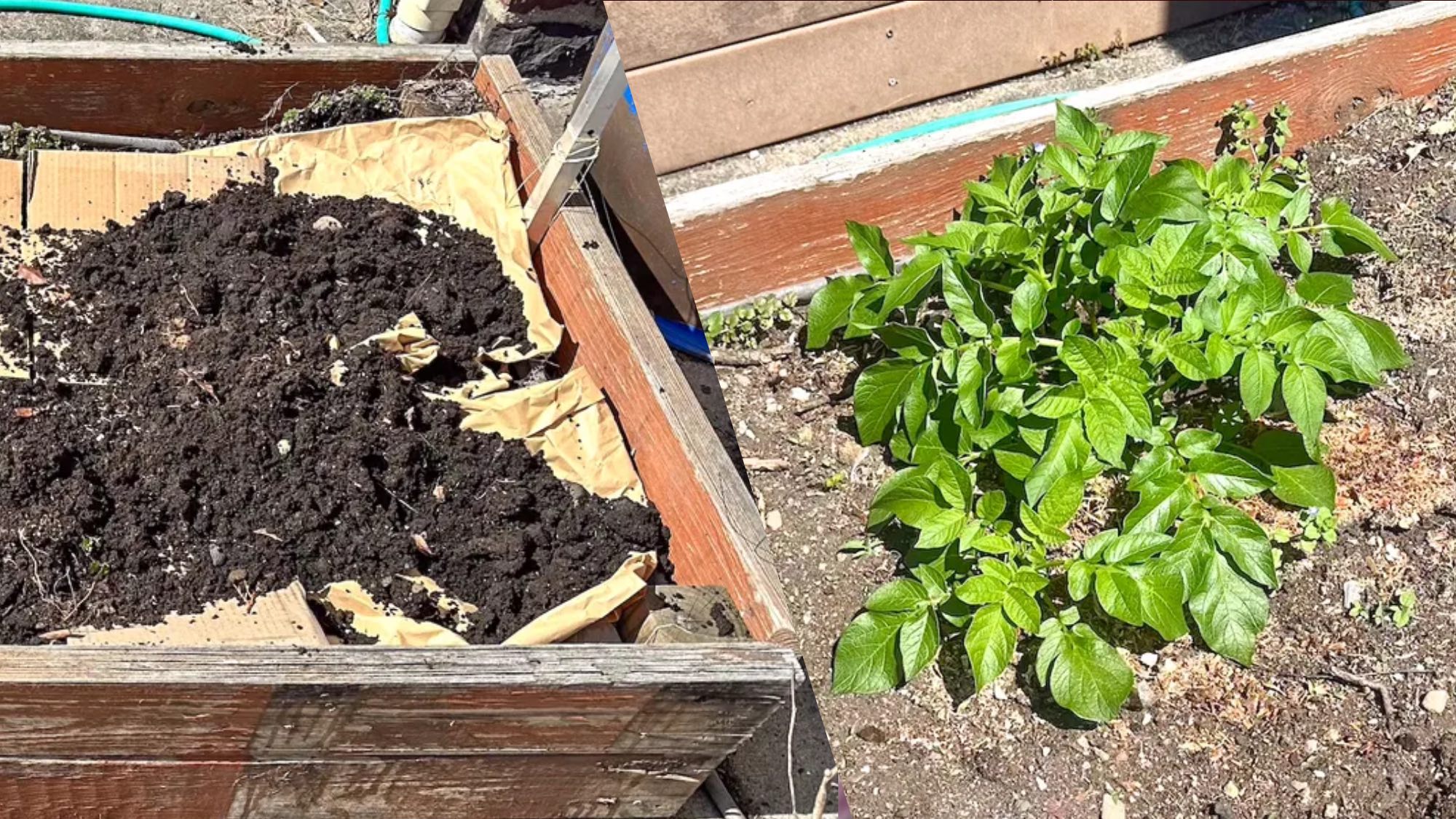
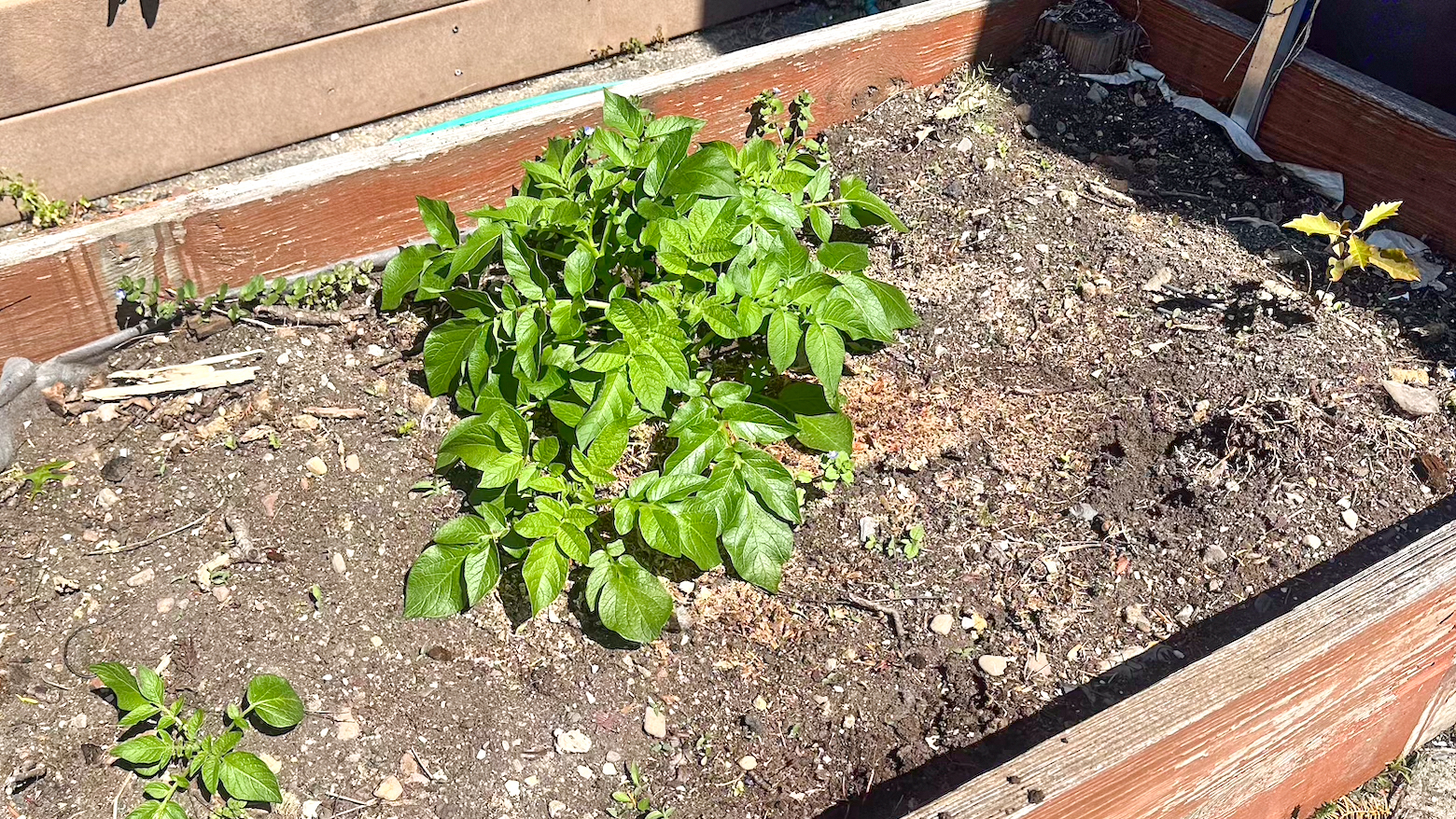
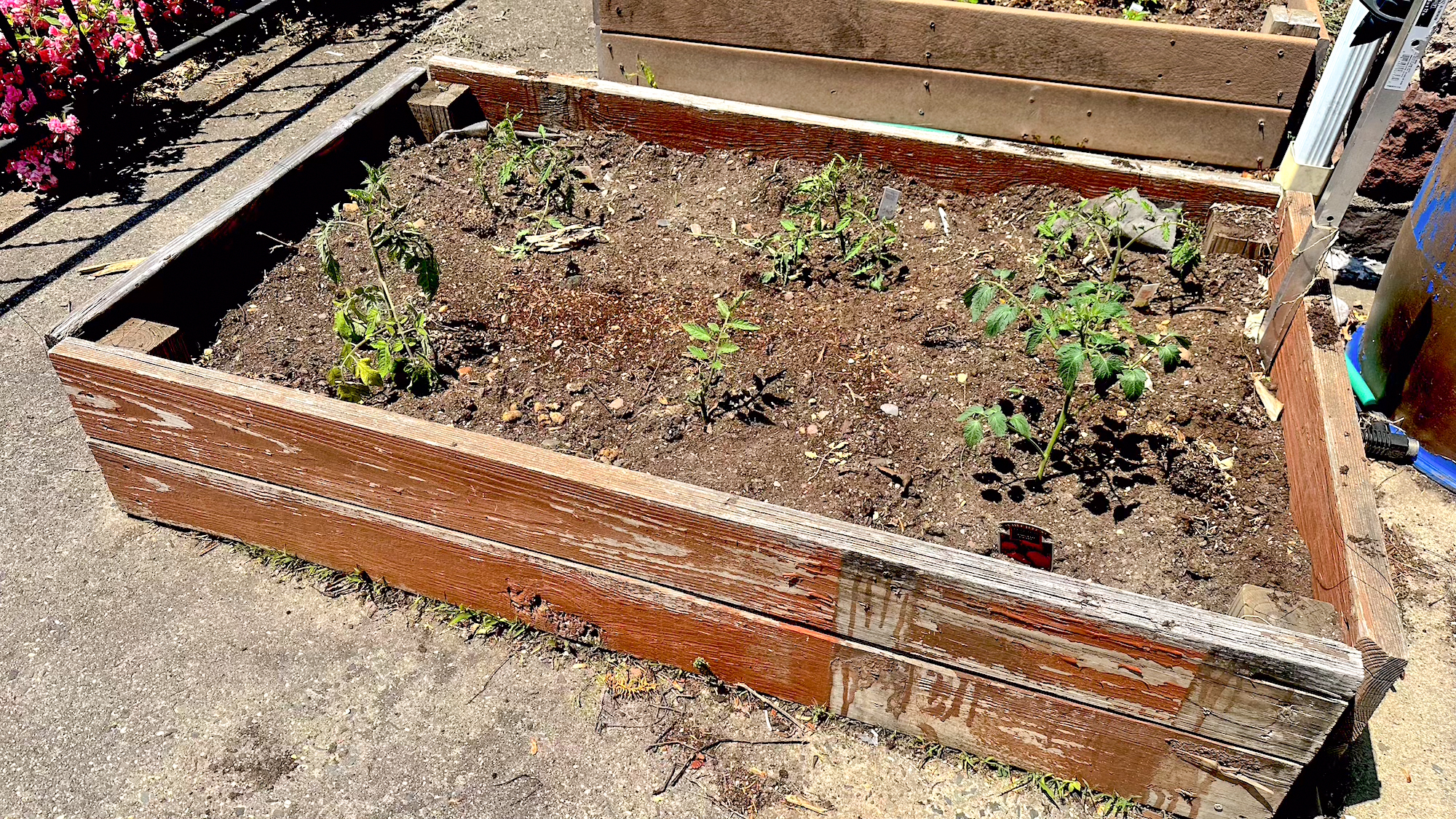
By the time mid-May arrives—the traditional window for planting warm-weather crops like tomatoes, peppers, and beans—the transformation is complete. When the gardener goes to plant, they will find that the cardboard has become brittle and easily penetrable. The soil beneath is dark, moist, and remarkably free of the aggressive weeds that usually compete with young seedlings for nutrients and water.
Supporting Data and Soil Science
The effectiveness of this method is backed by fundamental principles of soil ecology. By eliminating the need to till the soil, the cardboard method protects the delicate "mycorrhizal networks"—the symbiotic fungi that help plant roots absorb water and nutrients. Traditional tilling, while effective at turning over soil, often disrupts these networks and brings dormant weed seeds to the surface, where they are exposed to the light and ready to sprout.
Research into organic gardening practices has consistently shown that "no-dig" or "no-till" methods lead to higher soil organic matter (SOM) content. Cardboard contributes a massive infusion of carbon to the soil, which balances the nitrogen often found in added manures or composts. This leads to a more nutrient-dense environment for vegetable crops. Furthermore, because the cardboard acts as a mulch, it significantly reduces soil evaporation, meaning gardeners can spend less time and money on irrigation throughout the height of the summer.
Expert Perspectives: The Sustainable Shift
Sustainability experts have long championed the reuse of packaging materials as a way to close the loop in household waste cycles. By diverting cardboard from landfills—where it would take up space and contribute to methane emissions—and placing it in the garden, the gardener is engaging in a localized form of circular economy.
"The beauty of this method lies in its simplicity," says Michael A. Prospero, a veteran home and garden editor. "It is a rare instance where the most effective method is also the most sustainable and the cheapest."
Professional horticulturists often note that the "cardboard method" is not just about weed control; it is about soil building. As the cardboard decomposes, it creates a hospitable environment for earthworms, which are the primary engineers of healthy soil. These creatures move through the rotting cardboard, creating tunnels that improve aeration and drainage, effectively "tilling" the soil without the gardener ever having to lift a shovel.
Implications for Future Gardening
The implications of adopting the cardboard method are far-reaching, particularly for the future of urban agriculture and homesteading. As grocery costs fluctuate and the desire for food security grows, the barriers to entry for gardening—time, cost, and physical strain—must be lowered.
1. Cost Efficiency
The cost of professional-grade landscape fabric is non-trivial. By contrast, cardboard is effectively free. For large-scale gardens or community plots, this creates a significant financial advantage, allowing the budget to be spent on high-quality seeds, organic fertilizers, or heirloom plant varieties.
2. Time Management
For the modern gardener, time is the scarcest resource. The manual labor of weeding can take hours each week. By shifting the work to a one-time, low-effort installation at the start of the season, gardeners reclaim time that can be better spent on pruning, harvesting, or simply enjoying their outdoor space.
3. Environmental Impact
Every box recycled in a garden is one less box processed in a municipal facility. This reduction in waste, coupled with the reduction in the need for chemical weed killers, creates a net-positive environmental impact. The cardboard method supports a chemical-free gardening ecosystem, which is safer for pollinators like bees and butterflies that visit the garden.
Overcoming Potential Challenges
While the method is highly successful, practitioners should be aware of a few best practices:
- Tape and Labels: Always remove plastic tape, labels, and staples. While some paper-based tapes are safe, plastic does not biodegrade and will remain in your soil for years.
- Avoid Waxed Cardboard: Stick to brown corrugated cardboard. Waxed or heavily printed, glossy boxes may contain chemicals that are not ideal for organic food production.
- Moisture Levels: The cardboard needs to be thoroughly soaked after laying it down. If the cardboard remains dry, it will act as an insulating layer that prevents water from reaching the soil below.
- Edge Control: As noted by many experienced gardeners, weeds may still appear at the very edges of the cardboard. A light dusting of organic mulch, such as straw or wood chips, around the perimeter can easily solve this.
Conclusion: A Greener Path Forward
The "cardboard method" serves as a poignant reminder that the most sophisticated solutions to our problems are often those that work in harmony with natural processes. By mimicking the forest floor—where leaves and organic matter naturally mulch the soil—we can achieve professional-grade results in our own backyards.
As we look toward a future where sustainable living becomes increasingly essential, the humble cardboard box stands out as a surprising hero. It is a testament to the power of observation and the willingness to rethink traditional practices. Whether you are a seasoned gardener managing an acre or a newcomer with a single planter box, this technique offers a path to a more productive, weed-free, and environmentally conscious harvest.
So, the next time you receive a delivery, consider the potential hiding in that packaging. Your garden might just thank you for it, and come mid-summer, you will likely find yourself wondering why you ever spent so much time fighting weeds the hard way.












No comments yet. Be the first to join the conversation!