Iffa Jayyana
As the global race for artificial intelligence supremacy accelerates, the physical footprint of the digital age is expanding at an unprecedented rate. Across the United States, massive "hyperscale" data centers are rising from the earth, consuming vast swaths of land and staggering amounts of electricity. At the center of this transformation is Meta’s "Hyperion" project, a $10 billion facility currently under development in Richland Parish, Louisiana. While billed as a landmark investment in the state’s future, the project has ignited a fierce debate over tax incentives, environmental impact, and the socio-economic displacement of local communities.
The Scale of Ambition: What is Project Hyperion?
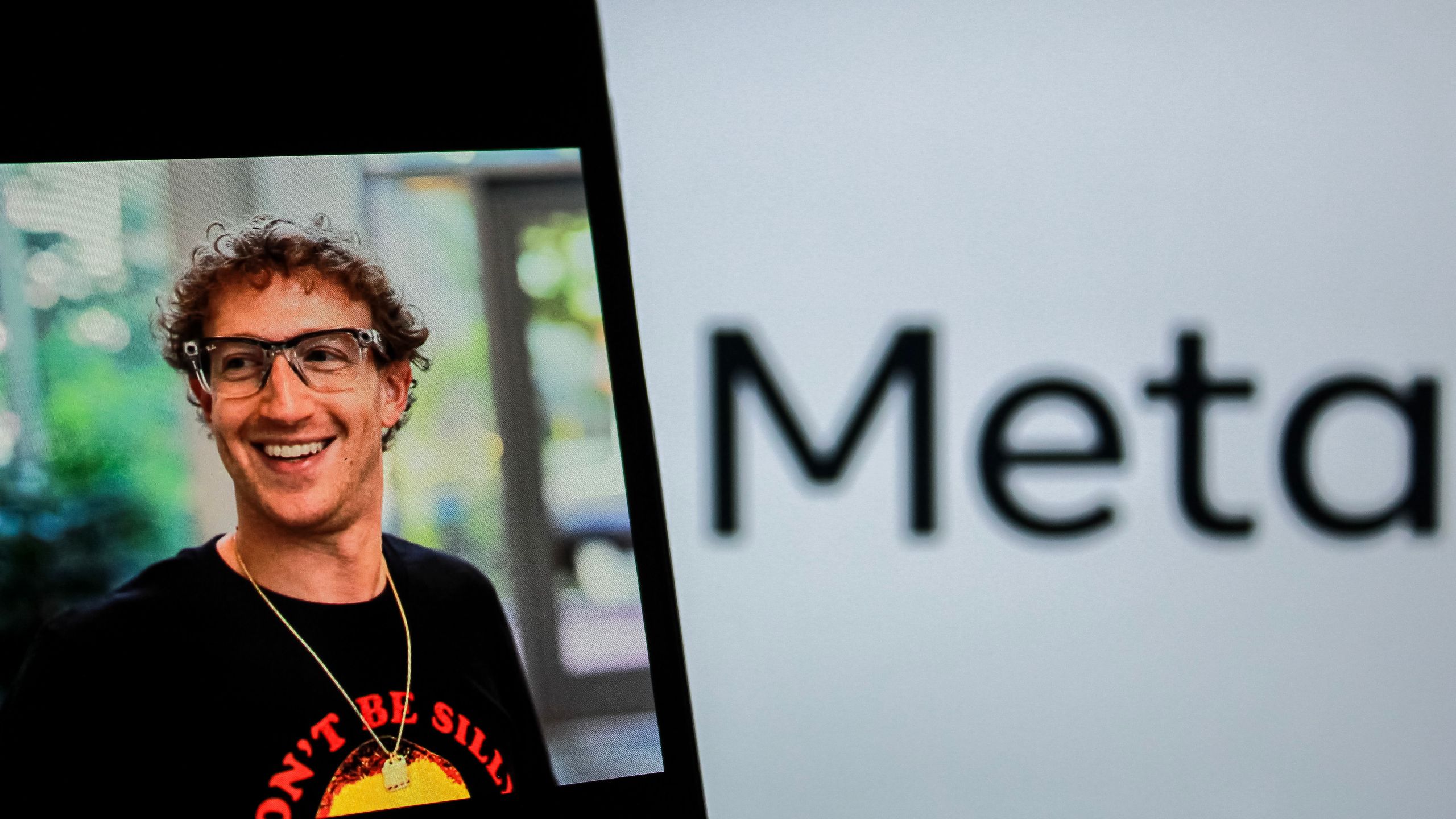
Meta’s Hyperion campus is not merely a data center; it is a gargantuan infrastructure project designed to power the next generation of generative AI models. Spanning 2,250 acres in rural Louisiana, the site’s sheer magnitude is difficult to fathom. Mark Zuckerberg, Meta’s CEO, has characterized the site as being "so large that it would cover a significant part of Manhattan," underscoring the company’s intent to build one of the most powerful computing hubs on the planet.
The project is the centerpiece of a broader corporate strategy to secure the computational dominance necessary for training large language models (LLMs) and supporting Meta’s sprawling ecosystem of AI-driven applications. However, the move to place such a facility in a rural, agricultural setting has brought the realities of the modern AI arms race into the heart of the American South.
Chronology of Development
The arrival of Hyperion has been characterized by rapid movement and significant political maneuvering:
- January 2025: Meta officially announces the Hyperion project, framing it as an economic windfall for Richland Parish, a region that had been grappling with a long-term decline in its agricultural output—evidenced by an 11% reduction in local farms between 2017 and 2022.
- Early 2025 – Late 2025: The project receives swift state and local support, with authorities eager to secure the massive capital investment.
- September 2025: Just months after the announcement, the economic landscape of the parish undergoes a radical shift. Property values in the vicinity of the site skyrocket, climbing more than 170% in a short window.
- Late 2025 – 2026: Controversy begins to mount as environmental advocacy groups and local residents challenge the energy requirements of the facility. The Louisiana Public Service Commission (LPSC) faces intense scrutiny following the approval of a "fast-track" application to expand natural gas power generation to support the campus’s insatiable appetite for electricity.
The Economic Paradox: Gentrification and Job Creation
One of the primary selling points for bringing Meta to Richland Parish was the promise of economic rejuvenation. Yet, for many long-term residents, the reality has been more complex. While the influx of $10 billion in capital is an objective economic stimulus, it has triggered a form of "data center gentrification."
The rapid inflation of property values has created a double-edged sword. While homeowners who own their land outright may see their paper wealth balloon, those relying on rental housing or those facing updated tax assessments on their land may soon find themselves unable to afford to live in the area.
Furthermore, the "job creation" narrative has been met with skepticism. Despite the massive scale of the facility, current projections suggest the site will generate only 500 long-term operational roles. In a region where the average weekly wage in 2025 was approximately $870—roughly $41,000 annually—this modest job count raises questions about whether the project will provide the broad-based economic prosperity that was initially promised to the local community.
Tax Breaks: A Costly Incentive
A recent analysis by Sherwood News highlights the staggering scale of public subsidy involved in the project. Of the $10 billion total investment, Meta is set to receive approximately $3.3 billion in tax breaks.
This level of state-sponsored incentivization is common in the data center industry, where states compete aggressively to lure tech giants. However, critics argue that the long-term tax revenue loss, coupled with the strain on local infrastructure and the public resources required to manage the project, may outweigh the immediate benefits. The fiscal trade-off between attracting a "tech titan" and preserving the tax base for local schools and services remains a contentious point of public policy.
Environmental and Public Health Concerns
The most significant friction point regarding the Hyperion campus centers on energy. To power a facility of this scale, Meta requires an immense and reliable baseload of electricity. The original plan involved Entergy Louisiana constructing three natural gas turbine plants. However, the LPSC’s decision to fast-track an application to triple that number has sparked a legal and ethical firestorm.
The Power Grid Strain
The approved expansion will add an estimated 5,200 megawatts of fossil-fuel-powered energy to the 2,262 megawatts already planned for the campus. Organizations such as the Alliance for Affordable Energy and the Union of Concerned Scientists have filed petitions against this expansion, citing concerns over carbon emissions and the impact on local energy prices.
The Hidden Toll: Infrasound and Health
Beyond the carbon footprint, local residents are raising alarms about the physical impact of the power plants. Large-scale natural gas turbine sites are notorious for generating significant noise pollution, with profiles that can reach the decibel levels of a commercial airport.
More concerning is the phenomenon of "infrasound"—low-frequency noise that is often imperceptible to the ear but can have profound biological effects. Reports from residents near other data centers have documented symptoms including persistent dizziness, nausea, vertigo, and chronic sleep disruption. As the Hyperion campus moves toward completion, the health of the local population has become a central, if often overlooked, component of the project’s environmental impact.
Official Responses and Stakeholder Positions
Meta has consistently maintained that the Hyperion project is a vital component of the future of connectivity and innovation, emphasizing their commitment to working with local stakeholders. The company points to the significant tax contributions that will eventually be paid and the ancillary economic activity generated by construction and site maintenance.
Conversely, state officials in Louisiana have defended the tax incentives as a necessary tool for regional development. Without these breaks, they argue, the state would lose out to other jurisdictions vying for the same tech investments.
Meanwhile, watchdog groups remain undeterred. The Union of Concerned Scientists and other energy advocates are pushing for greater transparency in the LPSC’s approval processes, demanding that the environmental and public health costs be fully accounted for before more fossil-fuel infrastructure is cemented into the regional landscape.
Implications: The Future of Infrastructure
The Hyperion saga serves as a microcosm for the broader challenges of the AI era. As tech companies continue to demand ever-greater amounts of energy and land, the "social license to operate" is becoming a critical hurdle.
- Policy Reform: The reliance on tax breaks to attract data centers may face a legislative reckoning as citizens demand more accountability for how their public funds are being used to subsidize private enterprise.
- Energy Sovereignty: The conflict over the expansion of natural gas plants highlights the tension between the tech industry’s demand for "always-on" power and the global shift toward decarbonization.
- Community Agency: The displacement of residents and the health concerns stemming from industrial noise suggest that the "invisible" nature of AI—often thought of as a purely digital phenomenon—has a very physical, and sometimes painful, impact on the communities that host it.
As we look toward 2026 and beyond, the Hyperion project will likely be viewed as a turning point. It highlights the necessity for a more balanced approach to development—one that does not force rural communities to choose between economic stagnation and the environmental, social, and health costs of hosting the world’s most powerful digital infrastructure. For now, the residents of Richland Parish remain in the shadow of a massive, evolving project, waiting to see if the promise of the future will manifest as opportunity or as a permanent burden.


 Muslim
 Siti Muinah