

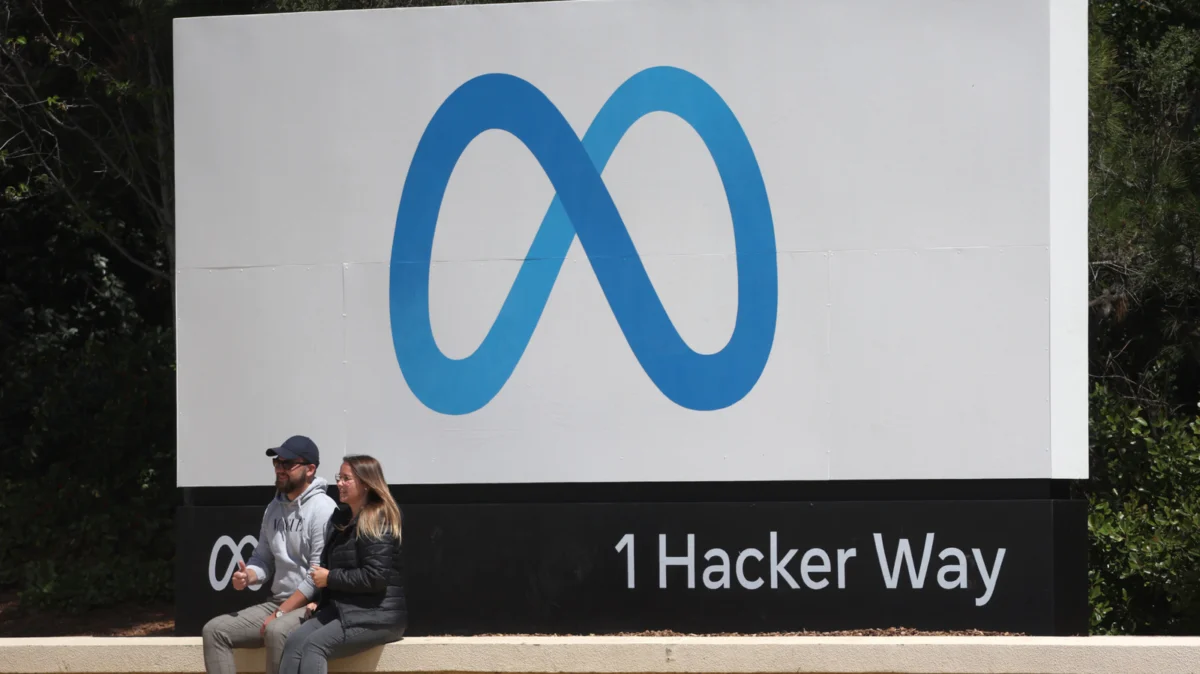
In a seismic shift that underscores the tech industry’s relentless race toward artificial intelligence, Meta—the parent company of Facebook, Instagram, and WhatsApp—has initiated a dual-pronged strategy of consolidation and transformation. As of Wednesday, May 20, the social media giant is executing a sweeping restructuring plan that involves the termination of 8,000 employees while simultaneously reassigning 7,000 staff members to newly formed units dedicated exclusively to AI development.
This restructuring represents one of the most significant pivots in the history of Silicon Valley, signaling that Mark Zuckerberg’s ambition to lead the AI revolution has officially superseded the company’s previous, costly obsession with the Metaverse. As Meta moves to flatten its management layers and embrace "AI-native" design, the human cost is becoming increasingly clear, with nearly 10% of the company’s workforce facing displacement.
The Anatomy of the Restructuring
The news, first reported by Reuters and The New York Times, originated from internal communications penned by Meta’s head of Human Resources, Janelle Gale. In a memo distributed to the global workforce, Gale outlined a vision for a leaner, more agile Meta.
The 7,000 employees slated for reassignment are being funneled into four specialized organizations. These groups have been tasked with building the next generation of AI-driven tools and applications. According to the internal directive, these units are designed to bypass traditional bureaucratic hurdles, utilizing what the company describes as "AI-native design structures." By reducing the number of management layers per employee, Meta leadership aims to foster a culture of rapid innovation and cross-functional productivity.
For those impacted, the process has been abrupt. Employees were instructed to work remotely on Wednesday, May 20, while waiting for formal notification via email regarding their new assignments or, in the case of the 8,000 staff members, their severance packages.
A Chronology of the Meta Pivot
To understand the current layoffs, one must look back at the trajectory of Meta’s strategic shifts over the past few years:
- The Metaverse Era (2021–2023): Mark Zuckerberg famously rebranded the company from Facebook to Meta, pouring billions into Reality Labs and the vision of a virtual-reality-dominated internet.
- The Cooling of the Metaverse (2024): As the anticipated mass adoption of the Metaverse failed to materialize, investor pressure mounted, and the company began to pivot toward the rapidly evolving landscape of generative AI.
- Late April 2026: Meta publicly announced its intent to shed 8,000 roles and cancel an additional 6,000 open job postings, signaling that the "year of efficiency" was evolving into a long-term cost-cutting operation.
- May 20, 2026: The implementation phase. The company confirmed the finalization of the 8,000 layoffs and the immediate reassignment of 7,000 personnel into AI-focused divisions.
- The Future Outlook: Financial analysts anticipate further restructuring later in 2026, as Meta seeks to tighten its belt further to accommodate massive capital expenditure in AI hardware.
Supporting Data: The Cost of Ambition
The sheer scale of Meta’s financial commitment to AI is staggering. During recent earnings calls, Mark Zuckerberg disclosed that the company expects to spend between $115 billion and $135 billion throughout 2026. A significant portion of this capital is earmarked for the construction of massive data centers—facilities designed to house "tens of gigawatts" of computing power—to support the training of future AI models.
At the end of 2025, Meta’s headcount stood at approximately 78,000. With the elimination of 8,000 roles, the company is effectively trimming its total staff by nearly 10.3%. To mitigate the fallout, Meta has implemented a severance package for those affected: 16 weeks of base pay, supplemented by two additional weeks of pay for every year of service completed.
The shift is not just in headcount; it is in focus. Meta has already moved to form a dedicated "superintelligence" team. Reports have surfaced of Zuckerberg personally recruiting top-tier AI researchers, going as far as hosting potential candidates at his private residence to entice them to join the cause. These efforts are aimed at creating AI agents that will serve both personal and business users, integrating chatbots directly into the fabric of the company’s flagship products.
Official Responses and Internal Sentiment
In her memo, Janelle Gale attempted to frame the restructuring as an empowering evolution rather than a mere survival tactic. "This will make the company more productive and make the work more rewarding," she wrote.
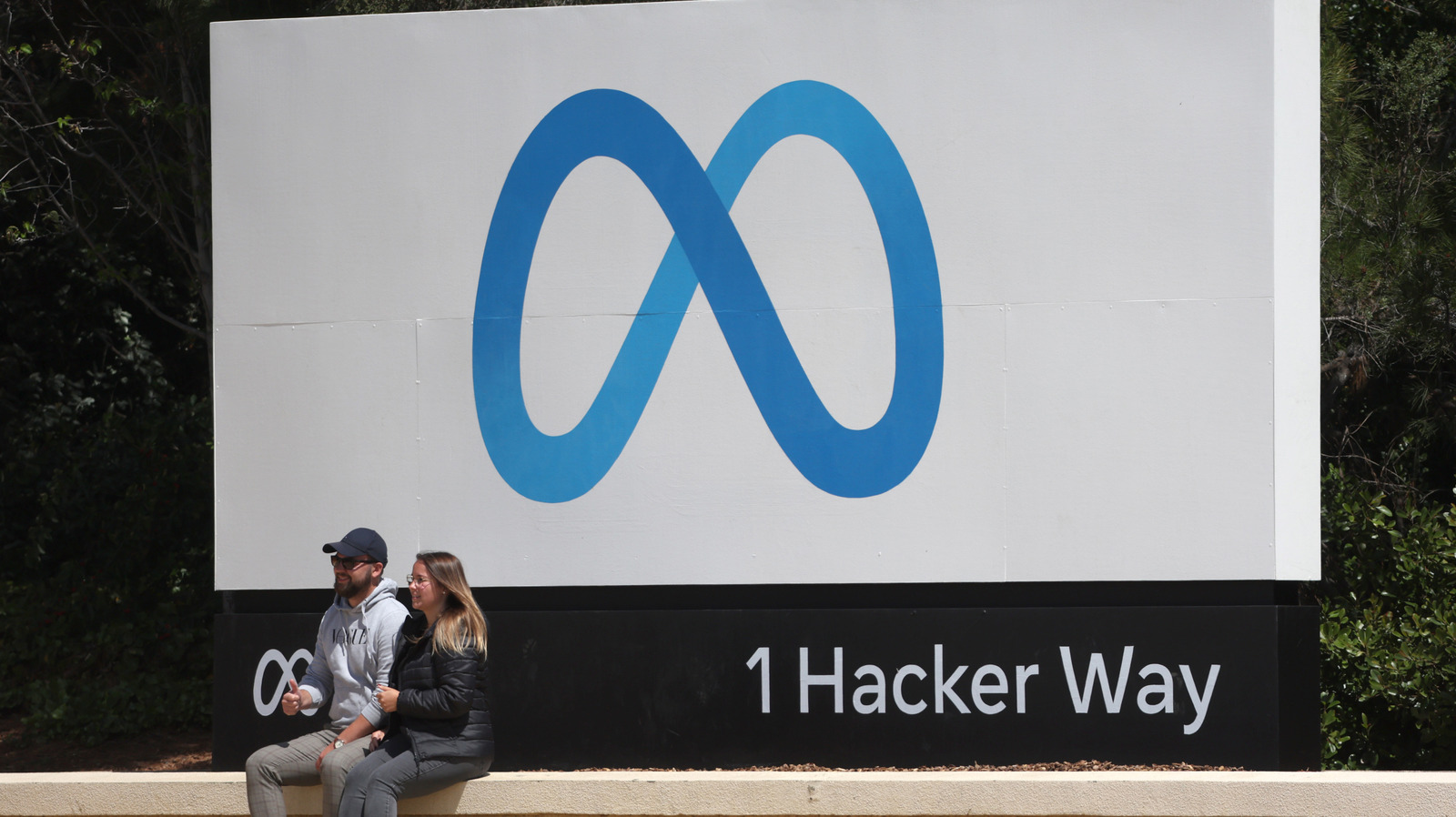
However, the internal atmosphere at Meta is reportedly tense. While the company characterizes the move as an attempt to "run the company more efficiently" and "offset other investments," many employees view the transition with skepticism. The move to force a change in roles for 7,000 people—effectively uprooting their established work flows—is a radical change in operational culture.
Industry experts note that Meta’s messaging is a standard corporate response to the "AI arms race." By framing the layoffs as a necessary evil to fund the future of artificial intelligence, leadership is attempting to placate shareholders who have been anxious about the company’s skyrocketing expenses and the lackluster performance of its non-AI ventures.
Implications for the Tech Industry
Meta’s strategy is emblematic of a broader trend in the tech sector. From Microsoft and Google to smaller, specialized firms, companies are shedding human capital in areas considered "legacy" or "non-essential" to prioritize the development of Large Language Models (LLMs) and autonomous agents.
1. The Death of the Generalist
The demand for generalist tech workers is declining. Meta’s preference for "AI-native" structures implies that the company is no longer interested in maintaining large teams that support legacy systems. Instead, they are consolidating power into smaller, highly specialized groups.
2. The Infrastructure War
By shifting focus toward building massive data centers, Meta is transitioning from being a pure software company to a hybrid software and infrastructure player. This move places them in direct competition with cloud giants like Amazon (AWS) and Microsoft (Azure), as they seek to control the hardware stack required to power their AI agents.
3. Investor Pressure
The stock market has reacted with cautious optimism to the news of layoffs, viewing them as a sign of fiscal discipline. However, the long-term risk remains: if the AI-driven products fail to generate the revenue expected to cover the $135 billion in projected spending, the current restructuring may be viewed as a desperate gamble rather than a strategic evolution.
4. Human Capital Impact
For the 8,000 employees laid off, the severance package is a safety net, but it does little to address the wider anxiety within the industry. The speed at which an entire department can be effectively dismantled and replaced by AI-focused roles serves as a warning to tech workers everywhere: technical skills, no matter how specialized, must now be inextricably linked to AI if they are to remain relevant.
Conclusion
Meta’s decision to cut 8,000 jobs while pivoting 7,000 others into the heart of its AI mission is more than a restructuring; it is a declaration of intent. Mark Zuckerberg has staked the future of his company on the belief that artificial intelligence will be the primary driver of digital interaction for the next decade.
While the company promises a more "rewarding" and "productive" environment, the path forward is paved with the wreckage of thousands of careers. As the industry watches, the question remains: will this massive allocation of human and financial resources produce the "superintelligence" that justifies such a drastic human cost, or will the company find itself once again needing to recalibrate its vision in a volatile, ever-changing tech landscape?
For now, the message from Menlo Park is clear: the era of the Metaverse is over, and the era of the AI-native corporation has begun.












No comments yet. Be the first to join the conversation!