

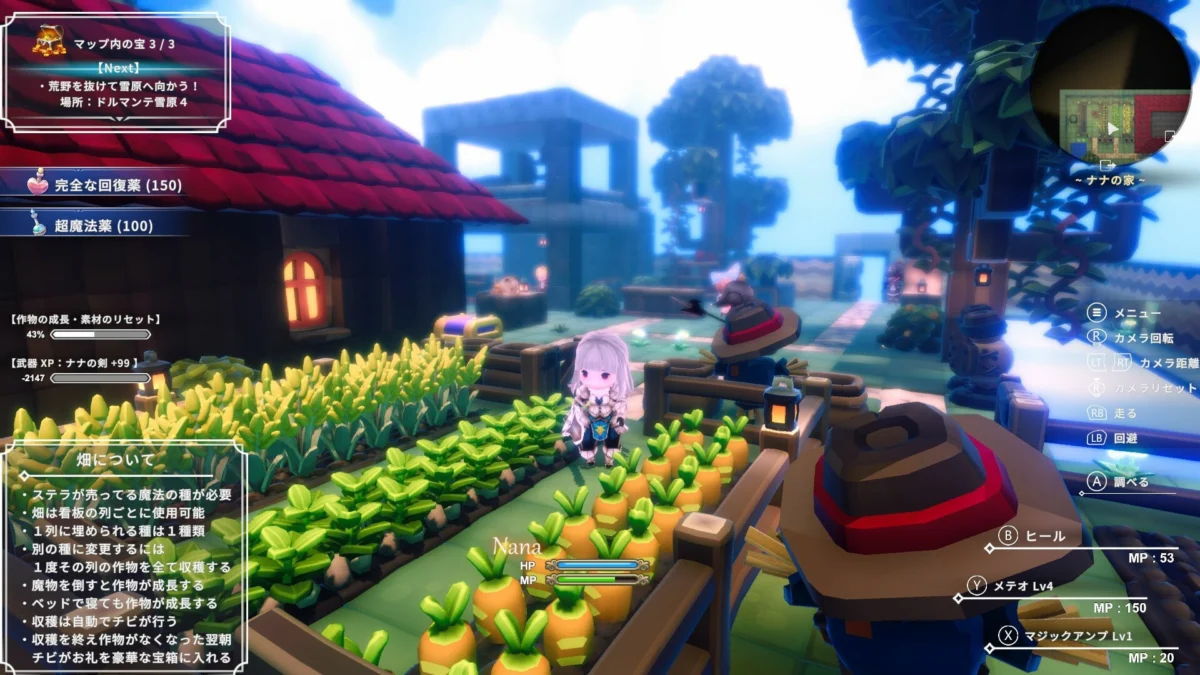
In an era where the gaming industry is often defined by the relentless pursuit of “live service” longevity, massive open-world scale, and the constant pressure for explosive viral growth, there remains a vital, beating heart within the indie development scene. Sometimes, the most compelling stories aren’t those of multi-million dollar acquisitions or record-breaking concurrent player counts, but rather the humble, focused achievements of solo creators.
Asuka Watanabe, a Japanese solo developer, recently became the face of this “slow and steady” success story. Her debut project, ChokoNana, serves as a testament to the idea that a game doesn’t need to reinvent the genre to be meaningful—it simply needs to be sincere.
The Genesis of a Cozy RPG: Understanding ChokoNana
ChokoNana is not a game designed to monopolize a player’s life. It does not demand 100 hours of grinding, nor does it force the player to navigate labyrinthine skill trees or competitive multiplayer ladders. Instead, it offers a distilled, tranquil experience centered on the philosophy of doing “a little bit of everything.”
The game invites players into a vibrant, bite-sized world. At its core, it is an RPG that prioritizes exploration and low-stakes discovery. Players navigate compact, well-designed maps, uncover hidden secrets, and incrementally upgrade their weapons and characters. The aesthetic is intentionally warm and inviting, featuring a silver-haired protagonist accompanied by endearing, cat-like companions.
The appeal lies in its accessibility. The title was crafted for those seeking an emotional palate cleanser—a digital sanctuary to retreat to after a grueling day. By stripping away the bloat often found in modern RPGs, Watanabe created a tight, refined experience that values the player’s time rather than attempting to exploit it.
Chronology of a Milestone: From Steam to Switch
The trajectory of ChokoNana is a roadmap for how modern indie titles can build momentum through genuine community engagement and steady refinement.
- 2024 (The Steam Launch): ChokoNana made its initial debut on Steam. For a debut title from a solo developer, the launch was a quiet affair, but it immediately found a niche audience who appreciated its aesthetic and straightforward gameplay loop.
- 2025 (Expanding to Switch): Recognizing the title’s suitability for handheld gaming, Watanabe successfully ported the game to the Nintendo Switch. This expansion opened the game to a wider demographic of players who prefer cozy, pick-up-and-play experiences on the go.
- 2026 (The Validation Point): The most significant recent milestone occurred in May 2026, when Watanabe shared her emotional reaction to a review from a highly experienced Steam user. This reviewer, who has documented their journey through over 900 titles, offered a glowing endorsement of the game. For Watanabe, this was not just a positive score; it was external validation that her specific vision—a smaller, tighter, and more personal game—was effective and appreciated by even the most seasoned of veterans.
Supporting Data: Defining "Success" in the Indie Sphere
In the high-stakes world of game development, the term "success" is often equated with fiscal dominance. However, the story of ChokoNana forces a re-evaluation of that metric.
According to reports from the developer, the game generated nearly $3,000 in early sales. To an outside observer—or a major publisher—this might seem like a modest figure. Yet, in the context of a first-time solo project, it represents a significant, tangible triumph.
This revenue serves as more than just a bank balance; it is a signal of viability. It suggests that there is a sustainable market for "micro-RPGs" that focus on quality over quantity. By exceeding her own personal financial expectations, Watanabe has secured the creative autonomy required to pursue her next venture without the crushing burden of debt or the pressure to perform for shareholders.
International Accessibility: Bridging the Cultural Gap
One of the most tactical decisions in Watanabe’s development process was the inclusion of full English support. While many indie titles from Japan remain region-locked or reliant on fan-made translation patches, Watanabe ensured ChokoNana was accessible to a global audience from the outset.
This move has proven to be vital. By removing language barriers, the game was able to circulate through international gaming communities, Reddit threads, and niche Discord servers, allowing the title to find its audience based on gameplay and art style rather than geographic origin. It is a lesson for aspiring developers: if you want your game to reach a wider audience, prioritize localization as a foundational element rather than an afterthought.

Official Responses and the Personal Touch
The reaction from Asuka Watanabe on social media platform X (formerly Twitter) has been a highlight for followers of the indie scene. Her transparency regarding the highs and lows of development has humanized the process. She has been open about the nervousness surrounding her debut, the thrill of the first positive reviews, and the humility required to continue building.
This level of developer-to-player transparency creates a "parasocial" bond that is incredibly beneficial for indie marketing. Fans aren’t just buying a game; they are supporting a person. When she shares progress on her upcoming project, RyneArca, her followers are already invested in her journey, having seen the care she put into her first title.
The Implications for the Future of Cozy Gaming
The success of ChokoNana provides a compelling blueprint for the future of the indie sector.
1. The Death of "Bigger is Better"
As the cost of game development skyrockets, more developers are finding themselves trapped in "scope creep," where they feel obligated to add more content to justify their game’s existence. ChokoNana proves that players are actively seeking smaller, more curated experiences. There is a market for games that can be completed in a weekend, provided the experience is polished and heartfelt.
2. The Power of the "First-Time Creator"
Watanabe’s story highlights the lowering barriers to entry. With access to engines like Unity or Godot and the global reach of platforms like Steam and the Nintendo eShop, a single person can create a product that competes, in terms of sheer charm and engagement, with titles created by larger teams.
3. Community-Centric Development
The feedback loop between a solo developer and their players is the most potent tool in the industry. By listening to players—and by being the kind of developer who appreciates a thoughtful, long-form review—Watanabe has fostered a community that acts as a marketing engine for her future projects.
Looking Ahead: The Road to RyneArca
With ChokoNana established as a successful proof-of-concept, all eyes are now on Watanabe’s next project, RyneArca. By sharing behind-the-scenes glimpses, including voice actor collaborations and development progress, she is building anticipation in a way that respects her audience’s time and interest.
The transition from a first project to a second is often the "make or break" moment for an indie developer. However, having established a reputation for reliability, accessibility, and a distinct "cozy" identity, Watanabe is well-positioned to evolve.
Conclusion: A Lesson in Measured Ambition
Ultimately, the story of ChokoNana is a refreshing reminder of why people enter the gaming industry in the first place. It wasn’t born out of a desire for market domination or a cynical attempt to exploit trends. It was born out of a desire to create something small, beautiful, and shareable.
As the gaming industry continues to grapple with the instability of the "blockbuster" model, perhaps the most sustainable path forward is the one paved by creators like Asuka Watanabe. By celebrating the small victories—a glowing review, a few thousand dollars in sales, a community that appreciates your effort—indie developers can find a way to thrive, one cozy, silver-haired adventure at a time.
For the players, ChokoNana stands as an invitation to slow down. In a world that is constantly screaming for our attention with high-octane action and endless notifications, there is immense value in a game that simply asks you to explore, collect, and enjoy the journey at your own pace. It is a quiet triumph, yes, but it is one that resonates far louder than the noise of the industry giants.












No comments yet. Be the first to join the conversation!