

The evolution of interactive storytelling has reached a poignant milestone. For those of us whose earliest memories of digital engagement involved the stark, monochromatic glow of text-only adventures, the release of Directive 8020 in 2026 feels less like a simple product launch and more like a scientific miracle. It represents the convergence of disparate interests—cinematic direction, branching narrative design, and visceral horror—into one cohesive, high-fidelity package. Yet, despite the technological leap, the core appeal remains primal: the thrill of the campfire ghost tale, now transmitted through the haptic feedback of a modern controller.
Main Facts: A New Chapter in The Dark Pictures Anthology
Directive 8020 serves as the fifth mainline entry in The Dark Pictures Anthology, the ambitious horror series developed by Supermassive Games. Serving as a spiritual successor to their breakout success, Until Dawn, the Anthology series is built upon the premise of distinct, standalone horror stories set within a shared, interconnected universe.
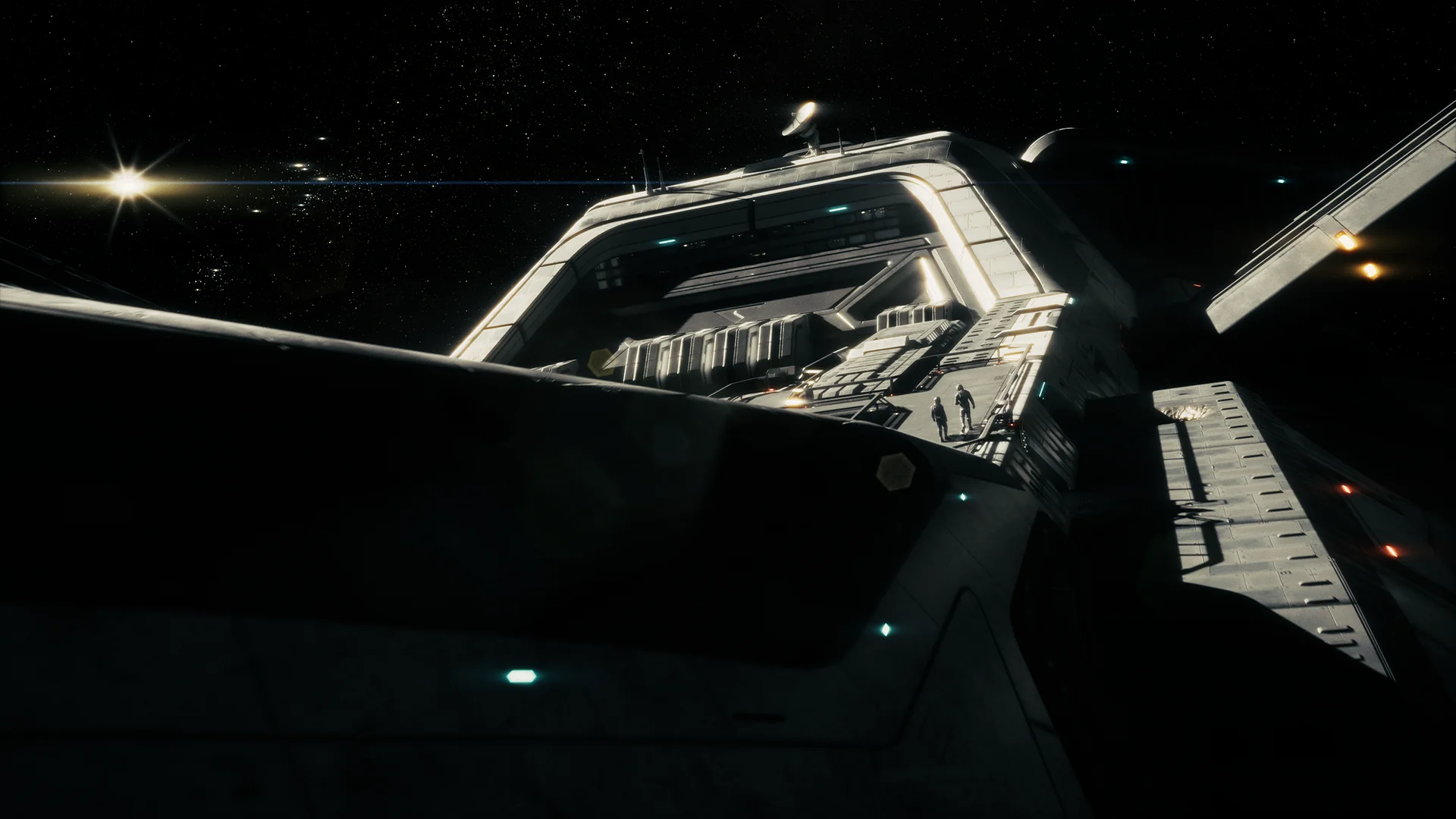
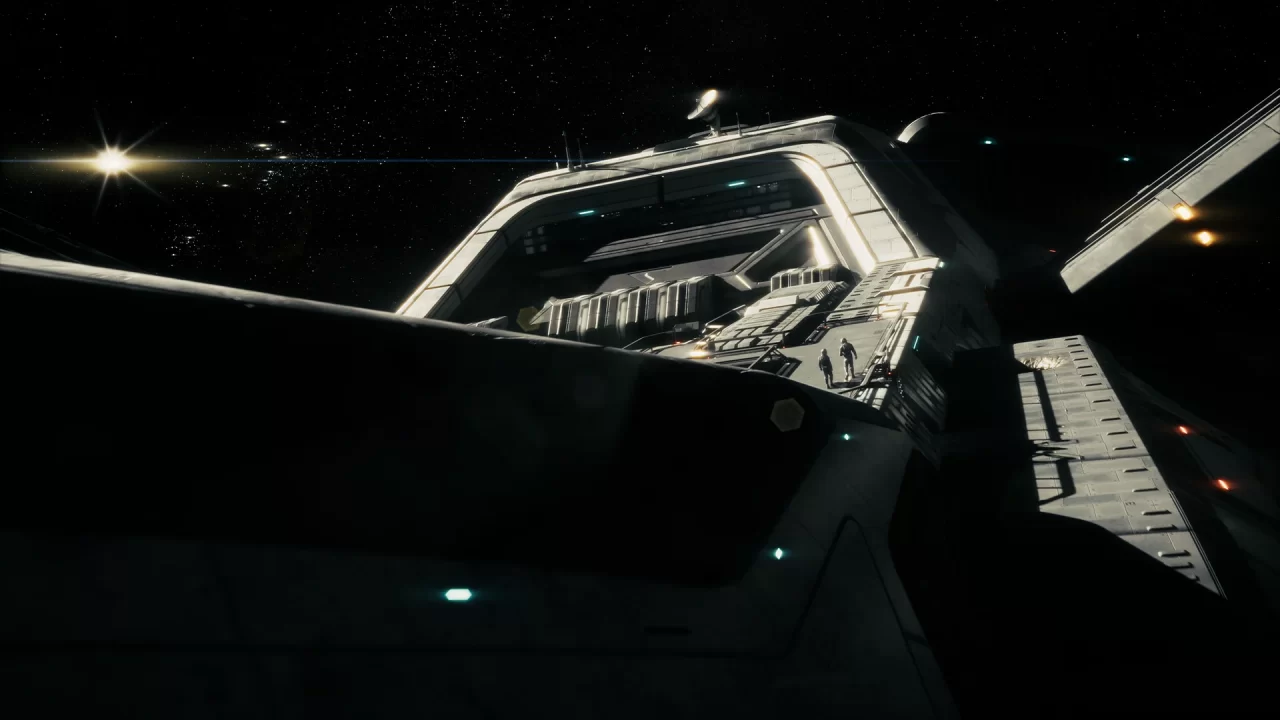
The game places players aboard the Cassiopeia, a long-haul spacecraft nearing the conclusion of a four-year mission to the exoplanet Tau Ceti f. The mission’s objective is critical: the crew must pave the way for the Andromeda, a sister ship carrying thousands of colonists fleeing a catastrophic, yet mysterious, event back on Earth. As the story begins, the majority of the crew remains in cryo-sleep, guarded by two active crew members, Simms and Carter. However, the mission takes a disastrous turn when an unidentified object collides with the Cassiopeia, shattering the stillness of space and thrusting the waking crew into a harrowing fight for survival.
Chronology and Narrative Progression
The narrative of Directive 8020 is meticulously paced across eight distinct episodes, each clocking in between one and two hours. This episodic structure allows for a digestible yet intense experience.
The Awakening of the Nightmare
The narrative tension is established early. The initial chapters focus on the mundane, technical duties of the active crew, building a sense of isolation that is quickly interrupted by the ship’s collision. From this point, the game shifts into a high-stakes survival thriller. Unlike traditional linear games, the chronology of Directive 8020 is fluid, dictated entirely by the player’s agency.
The Influence of Cinematic Greats
Supermassive Games makes no effort to obscure its inspirations. The early stages of the game lean heavily into the industrial, claustrophobic aesthetic of Ridley Scott’s Alien. The ship itself feels like a character—a corporate-owned labyrinth of darkened, metallic corridors that emphasize the insignificance of the few souls aboard. As the mystery deepens, the game shifts gears, adopting the paranoid, psychological terror characteristic of John Carpenter’s The Thing. Players are forced to grapple with an extraterrestrial threat capable of mimicry, creating a constant, gnawing uncertainty regarding who among the crew—if anyone—can still be trusted.
Supporting Data: Mechanics and Player Agency
At the heart of Directive 8020 is a sophisticated choice-based system that iterates upon the foundations laid by industry pioneers like Telltale Games and Dontnod Entertainment. Supermassive has refined this format, introducing systems that add meaningful weight to every interaction.
The Turning Points System
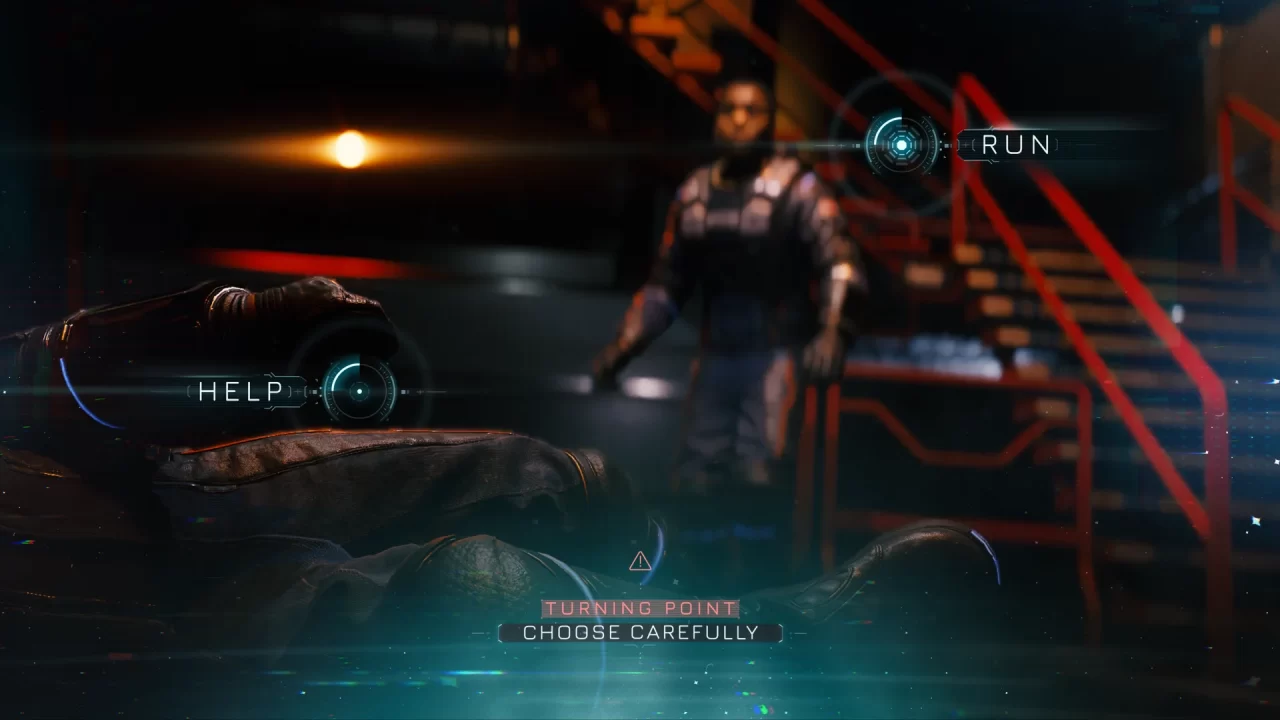
Perhaps the most significant innovation is the "Turning Points" system. Accessible via the menu, this interface displays a branching web of major narrative outcomes, allowing players to visualize their current trajectory. More importantly, it permits players to revisit specific pivotal moments. This feature effectively removes the frustration of "wrong" choices, allowing players to tailor the story to their preferred conclusion.
For those seeking a more punishing experience, the game offers a "Survivor Mode," which locks the Turning Points system until the credits roll, forcing players to live with the consequences of their split-second decisions.
Character Trait Evolution
Choice is not limited to plot-defining moments; it is embedded in the personality of the crew. Each character possesses three distinct traits that can be molded through dialogue. Decisions made during remote communications—which emphasize both the bond between crew members and the crushing loneliness of the Cassiopeia—influence these traits. Whether a character becomes more "Logical" or "Kind" will drastically change their responses in high-pressure situations, ultimately dictating their fate.
Gameplay and Quicktime Events (QTEs)
The gameplay is a blend of exploration, stealth, and high-adrenaline quicktime events. While the stealth sections lack the complexity of a dedicated infiltration title like Metal Gear Solid, they serve their purpose by breaking the rhythm of the game and inducing genuine panic. The QTEs, including a tense mini-game involving the calibration of specialized tools while being hunted, are well-integrated. They never feel intrusive; rather, they act as an adrenaline spike that ensures the player remains physically engaged with the unfolding horror.
Official Responses and Casting
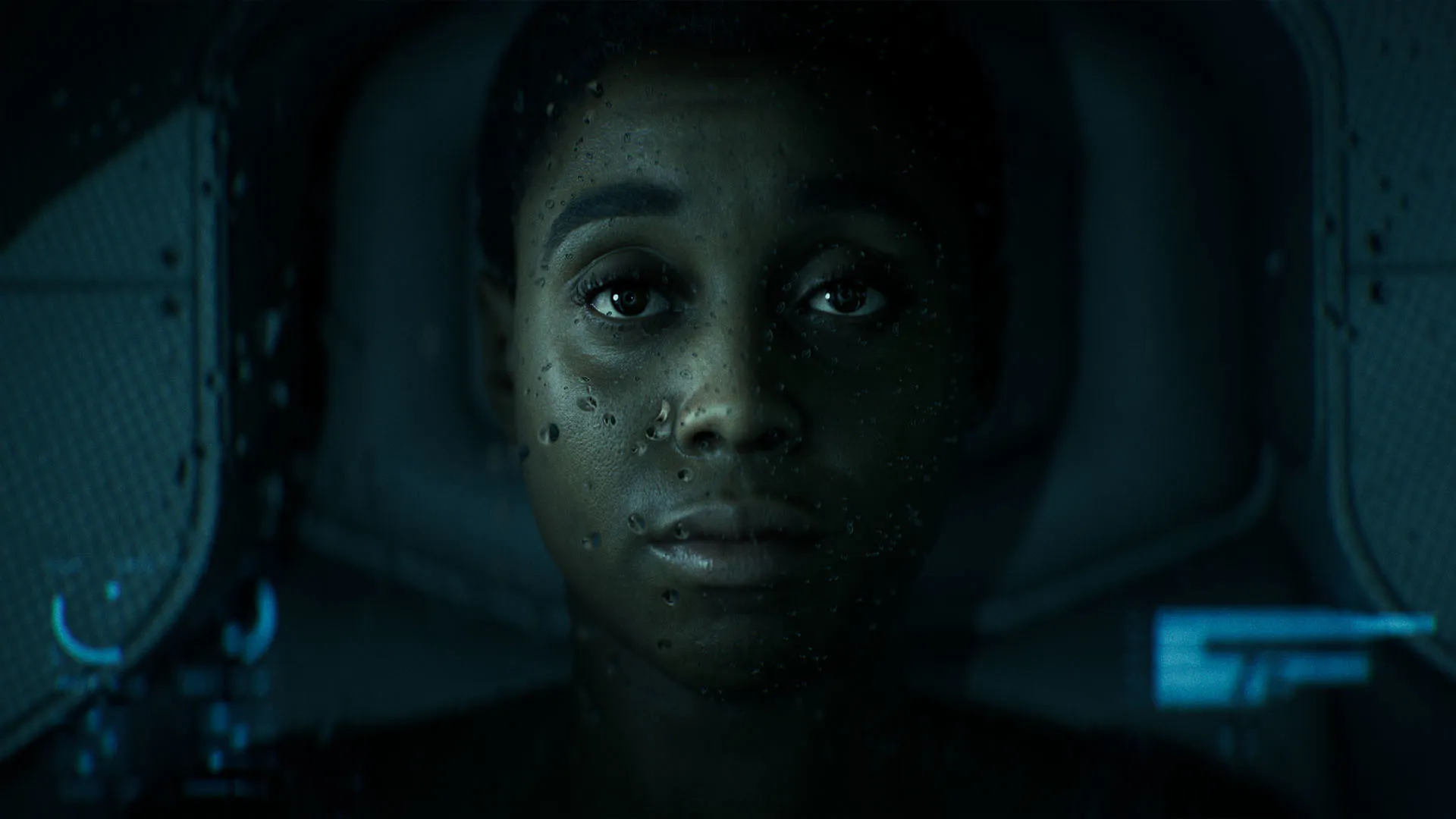
The production value of Directive 8020 is anchored by a stellar cast. While marketing efforts heavily promoted Lashana Lynch—known for her role as Maria Rambeau in the Marvel Cinematic Universe—as the lead, the experience is a true ensemble piece. Lynch delivers a powerhouse performance as co-pilot Brianna Young, acting as the emotional center of the crew as their collective dream of colonization dissolves.
The supporting cast is equally strong. Lotte Verbeek provides a chillingly stoic performance as Senior Mission Officer Laura Eisele, offering a perfect, cold-blooded counterpoint to the more reactive crew members. Furthermore, the inclusion of comedian Anna Leong Brophy as Medical Specialist Samantha Cooper provides necessary moments of levity that only serve to make the subsequent horrors more jarring.
The auditory landscape, composed by series veteran Jason Graves, is both effective and restrained. The soundtrack avoids the trap of being overly bombastic, instead opting for an ambient, unsettling score that punctuates the dread. The occasional use of licensed tracks, such as Portishead’s "Roads" and Blood Red Shoes’ "Murder Me," creates an indelible atmosphere, cementing the game’s status as a filmic masterpiece.
Implications for the Future of Interactive Media
Directive 8020 represents a significant leap forward for Supermassive Games and the horror genre at large. By balancing player agency with a tightly scripted, cinematic narrative, the developer has proven that interactive horror does not need to sacrifice story for gameplay.
Replayability and Multiplayer
The game encourages multiple playthroughs through its branching narrative. After reaching one conclusion, the desire to explore the "what ifs" is almost immediate—a rare feat in modern gaming. Additionally, the inclusion of both couch and online co-op modes elevates the game from a solitary experience to a communal one. Sharing the terror with a friend adds a layer of unpredictable chaos that, while potentially shifting the tone from pure horror to shared tension, makes the experience feel uniquely personal.
The Verdict
Directive 8020 is an essential experience for those feeling the fatigue of modern, open-world bloat. Its focused, eight-episode structure is a testament to the power of pacing. It reminds us that when a story is told with conviction, with a strong cast, and with mechanics that truly respect the player’s intelligence, the result is nothing short of magic.
As the Cassiopeia makes its final approach toward the unknown, one thing is certain: Supermassive Games has successfully pushed the boundaries of what a "narrative-first" game can achieve. Whether you are a veteran of the Dark Pictures series or a newcomer intrigued by the promise of deep-space terror, Directive 8020 is a voyage that demands to be taken. Just be prepared: in the silence of the Cassiopeia, no one can hear you hesitate.











No comments yet. Be the first to join the conversation!