

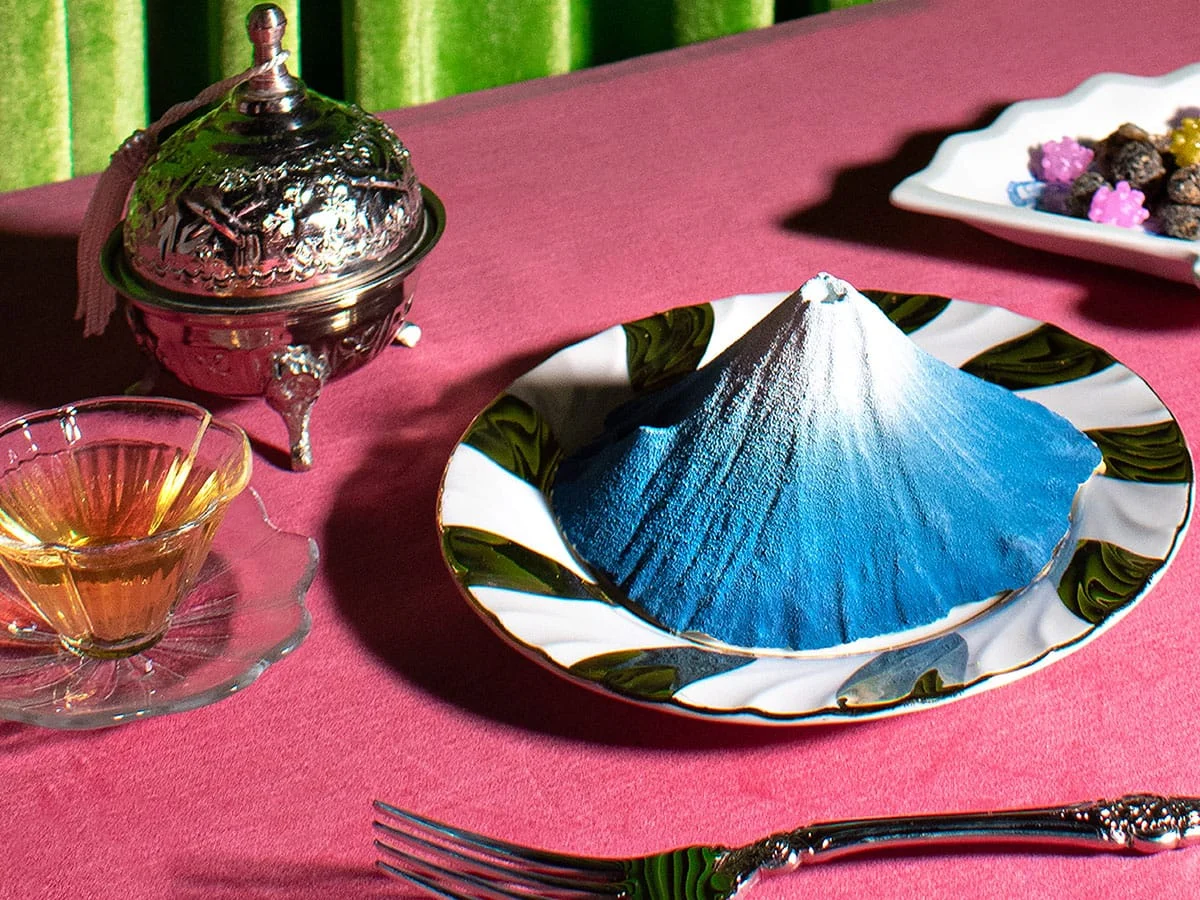
In the heart of Tokyo’s stylish Yoyogi-Uehara neighborhood, a new portal to a fantastical world has opened its doors. On January 21, 2023, the Shorakuen Tea Salon & Boutique debuted, marking a significant milestone for the creative studio KLOKA. Moving beyond the traditional boundaries of a Japanese sweet shop, Shorakuen invites patrons to step into a space that feels less like a retail storefront and more like a curated souvenir shop from a mythic Shangri-La—a place where Japanese folklore intersects with the exotic allure of distant, imagined lands.
The Genesis of an Exotic Escape: Main Facts
Shorakuen is the latest venture from KLOKA, a creative studio renowned for its ability to construct immersive, mysterious, and high-quality aesthetic worlds. The boutique’s central philosophy is the "souvenir shop in Shangri-La," an aesthetic that merges the delicate craftsmanship of Japan with the opulent, eclectic sensibilities of a Silk Road trading post.
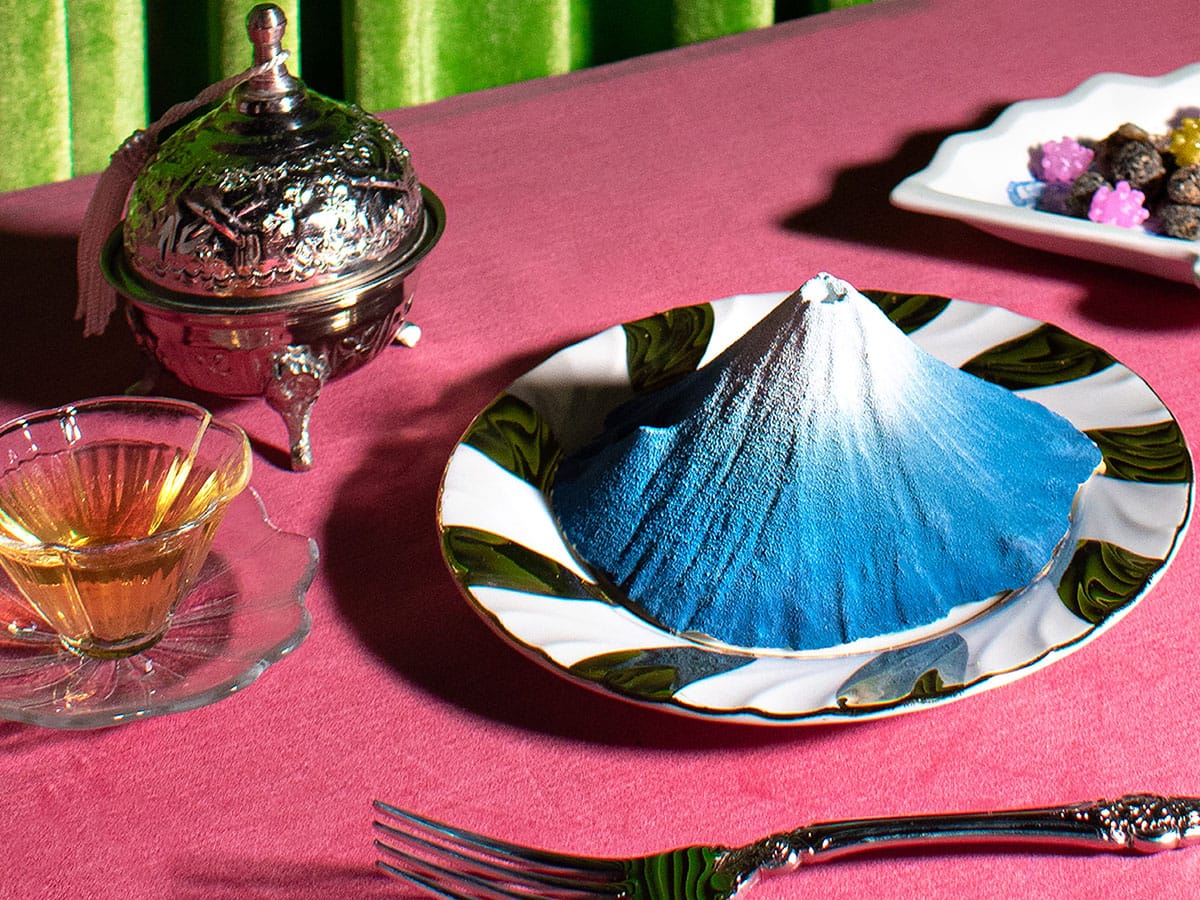
The shop is strategically located in Shibuya Ward, a district known for its cutting-edge trends, yet Shorakuen opts for a timeless, almost otherworldly charm. By blending Japanese fairy tale motifs with European ornaments and unexpected cultural mashups, the interior design offers a sensory escape from the frantic pace of modern Tokyo. From the moment customers enter, they are greeted by an atmosphere that feels both nostalgic and utterly foreign.
A Chronology of Artistic Confectionery
The path to the opening of Shorakuen was paved by the growing success of KLOKA’s experimental culinary projects. While the permanent boutique opened in early 2023, the foundation for its signature product, the Yamagashi, was laid through years of iterative design and pop-up store testing.
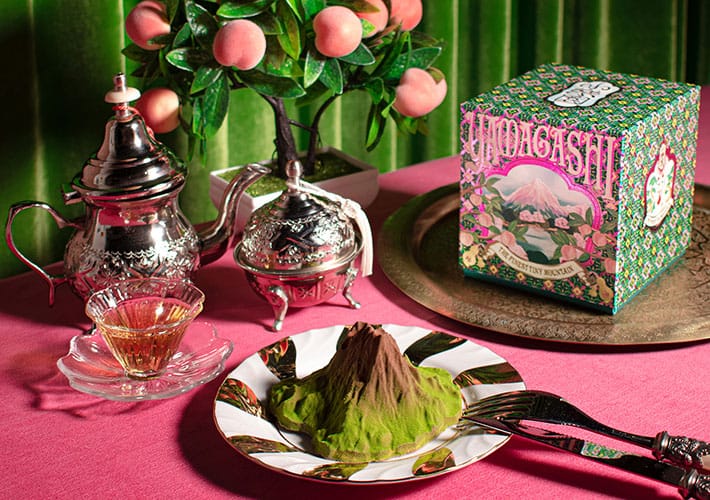
- Pre-2023: KLOKA experiments with the "miniature garden" concept, introducing high-end topographical chocolates to exclusive, short-term pop-up venues.
- January 21, 2023: The official grand opening of the permanent Shorakuen Tea Salon & Boutique in Yoyogi-Uehara.
- Post-Opening: The inclusion of the "Hinayama" line as a permanent fixture, transitioning from a limited-time offering to a staple of the Shorakuen experience.
- Present: The establishment of a dedicated nine-seat tea salon, creating a hybrid retail-cafe space that prioritizes an intimate, "heavenly" atmosphere.
The Topographical Art of "Yamagashi"
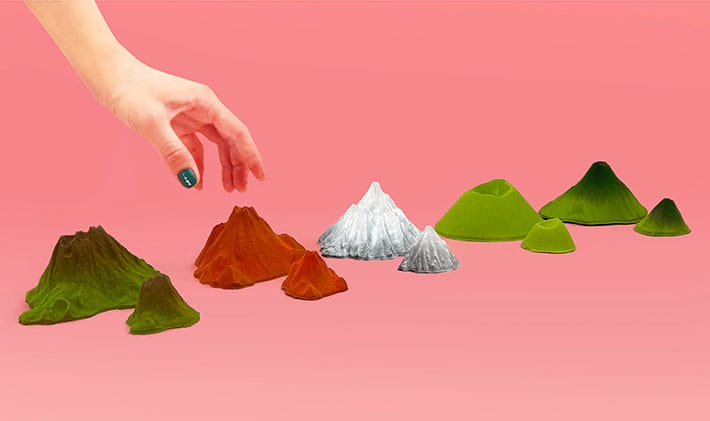
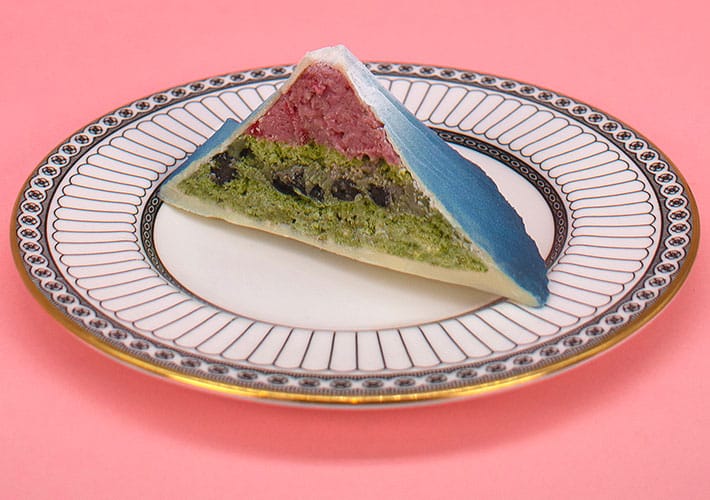
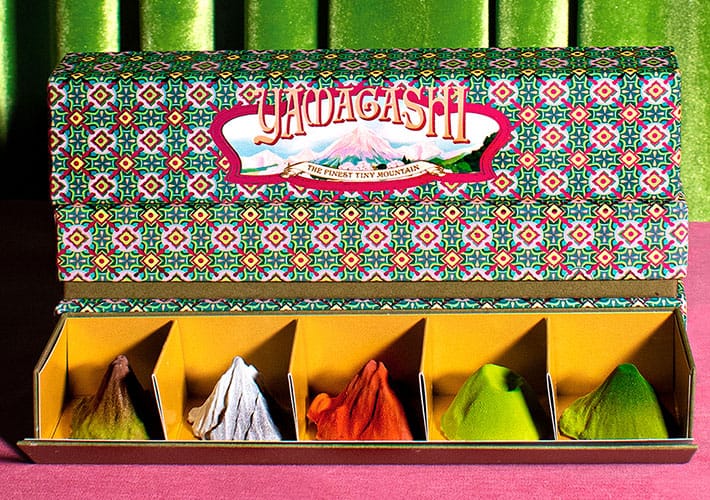
At the core of the Shorakuen identity is the Yamagashi (Mountain Confection). These palm-sized chocolate masterpieces are not merely desserts; they are edible dioramas. Utilizing actual topographical data to shape the molds, KLOKA recreates the dramatic ridgelines of Japan’s most iconic peaks—including Mt. Sakurajima, Mt. Rishiri, Mt. Yufudake, and Mt. Omuro—with startling precision.
The engineering behind the Yamagashi is as impressive as its aesthetics. When sliced, the internal cross-section reveals a sophisticated layering of ganache, sponge cake, fruits, and nuts. These layers are designed to mimic geological strata, transforming the act of eating into a process of discovery. Each mountain is paired with regionally specific ingredients, ensuring that the flavor profile reflects the character and seasonality of the peak it represents.
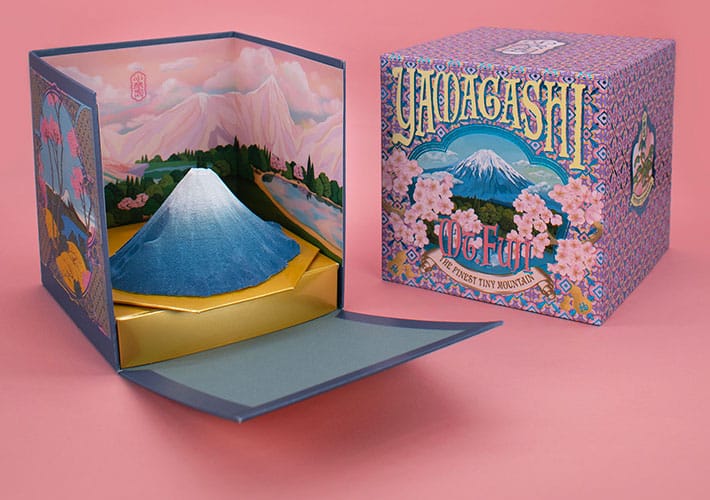
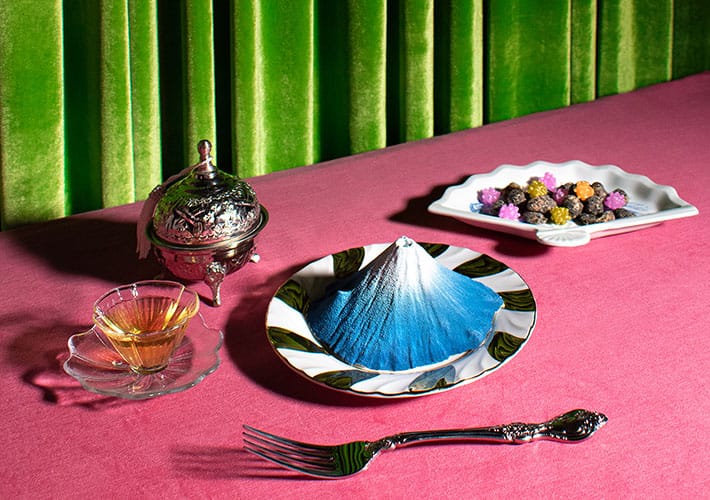
To celebrate the boutique’s grand opening, KLOKA introduced a monumental version of the Yamagashi—a special edition Mt. Fuji. Larger than the standard offerings and housed in a custom-designed commemorative box, this release serves as the boutique’s flagship, embodying the ambition and craftsmanship that define the brand.
Additionally, the Hinayama line offers a smaller, more intricate variation. Drawing inspiration from the traditional Japanese hina ningyo (doll displays), these pieces celebrate the delicate precision of Japanese artistry, offering a refined, collectible experience for those who appreciate the intersection of heritage and innovation.
Supporting Data: The Culinary and Sensory Experience
The boutique’s menu is a testament to the versatility of KLOKA’s vision. Beyond the Yamagashi, the shop features:
- Okoshi Tins: A modern take on the classic crunchy rice crisp treat. These snacks are prepared in-house, ensuring a fresh, artisanal quality. The flavor profiles—ranging from traditional green tea to the bold, savory notes of yuzu pepper and cinnamon—cater to a diverse palate. Sold in 110g tins, these serve as the perfect "souvenir" for visitors to take home.
- The Tea Salon: The boutique houses a nine-seat tea salon that acts as a quiet sanctuary. The beverage program is carefully curated to complement the complex profiles of the chocolates. Guests can select from specialized Taiwanese teas, original hot chocolate blends, and chai infused with unique Japanese spice profiles. The inclusion of coffee and high-end whiskey on the menu demonstrates an understanding of pairing science, providing options that cut through the richness of the ganache.
Official Creative Direction: The "Fairyland" Aesthetic
The creative team behind KLOKA has been vocal about the design intent for Shorakuen. The store is designed to be a "mix of eras, countries, and cultures." By intentionally rejecting a single cohesive style, the boutique creates a "liminal" space. The tableware, the furniture, and the very structure of the salon are intended to look like artifacts gathered from the Silk Road.
A particularly unique element of the store’s atmosphere is the integration of karakuri mechanical dolls. These traditional Japanese automata occasionally make an appearance, serving as silent, whimsical entertainers. This infusion of kinetic art reinforces the "fairytale" narrative, ensuring that the store remains a place of mystery and surprise. The salon’s interior, with its luxurious, intimate seating, is marketed as a "heavenly hideaway"—a direct contrast to the urban bustle of the Yoyogi-Uehara station area nearby.
Implications for the Tokyo Confectionery Market
The success and reception of Shorakuen highlight a significant shift in the Japanese luxury food market. There is a growing consumer appetite for "experiential retail"—stores that do not just sell a product, but a narrative. By positioning their chocolates as topographical artifacts and their boutique as a "fairyland," KLOKA has successfully elevated the simple act of buying sweets into an act of cultural tourism.
Furthermore, the brand’s ability to turn once-ephemeral pop-up concepts into a permanent, localized destination suggests a maturation of the "boutique cafe" model in Japan. Shorakuen is not trying to compete with mass-market bakeries; instead, it targets a demographic that values intellectual stimulation, visual artistry, and high-quality storytelling.
The reliance on data-driven design (the topographical molds) also suggests a future where culinary art and technology blend more seamlessly. As consumers continue to seek products that are "Instagrammable" yet intellectually substantial, the Shorakuen model—which marries the digital (topographical mapping) with the artisanal (hand-crafted sweets)—is likely to be emulated by other creative studios looking to capture the attention of a discerning, experience-hungry public.
Conclusion: A Permanent Landmark
Shorakuen Tea Salon & Boutique is more than just a shop; it is a manifestation of a creative fantasy. By anchoring its identity in the beauty of Japan’s mountains and the global history of the Silk Road, KLOKA has created a space that resonates with both local residents and international visitors. Whether one visits for the intricate Yamagashi dioramas, the spicy, crunchy Okoshi, or simply to find a moment of peace in the "heavenly" tea salon, the experience is designed to leave a lasting impression.
As the boutique continues to evolve, it remains a vital example of how retail spaces can serve as cultural repositories, preserving traditional aesthetics while pushing the boundaries of what a modern confectionery can achieve. For those in Tokyo, Shorakuen stands as a reminder that even in the most modern of cities, there is always room for a little magic.












No comments yet. Be the first to join the conversation!