Ali Ikhwan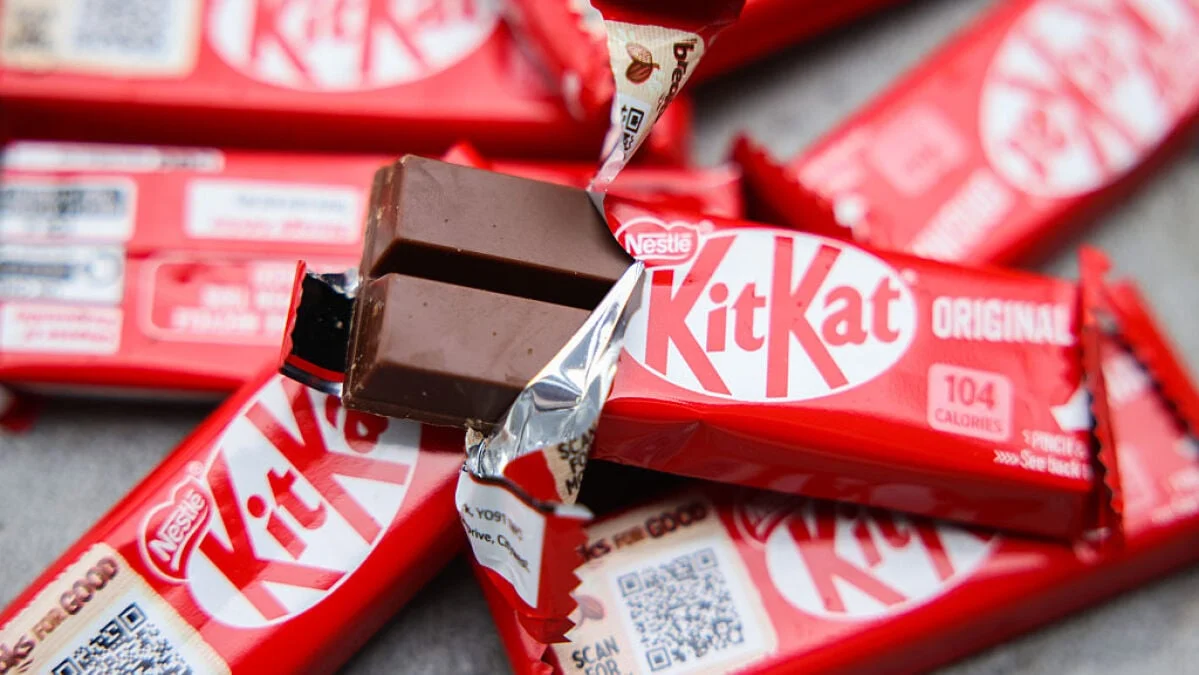
In the high-stakes world of global logistics and supply chain management, cargo theft is a persistent, multibillion-dollar menace. Usually, the stolen goods consist of high-end electronics, pharmaceuticals, or luxury apparel. However, this week, the internet found itself captivated by a bizarre and oddly specific crime: the disappearance of 12 tons of KitKat bars.
As the story broke, the confectionery giant Nestlé found itself in a precarious position. Attempting to manage consumer anxiety during the height of the Easter shopping season—one of the most profitable times for chocolate manufacturers—the company launched a digital tracking tool. The timing, however, could not have been more unfortunate: April 1.
The Main Facts: A Sweet-Toothed Crime
The incident, which has been dubbed the "KitKat Heist" by social media users, involves the theft of approximately 400,000 individual chocolate bars. The shipment was intercepted while in transit between Italy and Poland, a major route for European logistics.
While the exact mechanics of the heist remain under police investigation, the sheer volume of the haul is staggering. Twelve tons of chocolate represents a significant logistical operation; it is not the work of a lone opportunist, but rather suggests a coordinated effort by individuals with access to heavy goods vehicles and, likely, an established black-market distribution network.
For the average consumer, the immediate concern is not the loss to the company’s bottom line, but the safety of the product itself. Could these stolen bars end up on local store shelves? Are they compromised? In response to these growing questions, Nestlé released an online tool allowing consumers to enter the 8-digit batch codes found on their KitKat packaging to see if their purchase originated from the compromised shipment.
Chronology of the Disappearance
The timeline of the heist began in late March, as the shipment moved through the logistical corridors of Central Europe.
- Late March: The shipment of 400,000 KitKat bars departs the manufacturing facility, destined for retail distribution centers in Poland.
- March 30: Initial reports of the missing cargo surface as regional logistics authorities flag an discrepancy in delivery schedules.
- April 1 (Morning): Nestlé formally acknowledges the theft and launches the "KitKat Heist Tracker" via their official X (formerly Twitter) account.
- April 1 (Afternoon): The launch of the tool is met with immediate, widespread skepticism. Because the announcement coincided with April Fool’s Day, social media users dismissed the tool as a marketing stunt, with many pointing to the surreal nature of a "chocolate heist" as proof of a prank.
- April 2–Present: As police reports confirm the authenticity of the crime, the narrative has shifted from one of humor to one of supply chain integrity.
The April Fool’s Dilemma: Trust in the Age of Misinformation
The most significant hurdle in Nestlé’s crisis communication strategy has been the calendar. Announcing a serious security breach on April 1 is, in the realm of corporate PR, a strategic disaster.
The KitKat X account, run by the brand’s social media team, found itself in the unusual position of having to repeatedly insist that the tracker was a legitimate safety tool rather than a seasonal gag. In replies to skeptical followers, the team maintained that the theft was a genuine breach of security.
This skepticism highlights a modern crisis in digital literacy. Even when a brand provides a functional tool—which, as verified by independent testing, appears to ping a database and return a "safe" result for random batch numbers—the public is primed to assume that anything appearing on the internet on April 1 is inherently dishonest.
Supporting Data: The Logistics of Large-Scale Theft
Cargo theft in the European Union is a complex issue. According to the Transported Asset Protection Association (TAPA), cargo crime incidents have been on the rise globally, exacerbated by post-pandemic supply chain volatility.
The theft of 12 tons of chocolate is a high-risk, low-reward venture compared to electronics, but it offers a unique advantage: it is non-traceable. Unlike a smartphone with an IMEI number that can be blacklisted, a chocolate bar is a commodity. Once the branding is removed or the product is sold into "gray market" retail outlets—discount shops that do not adhere to standard supply chain verification—it becomes impossible to distinguish a stolen bar from a legitimate one.
The tracker provided by Nestlé requires an 8-digit batch code. This code corresponds to the specific production line and date of manufacture. By cross-referencing this against the inventory logs of the stolen shipment, Nestlé can theoretically identify if a specific box was part of the hijacked load. However, the efficacy of this tool relies entirely on the consumer’s willingness to engage with it, and the transparency of the data Nestlé is willing to share.
Official Responses and Corporate Damage Control
Nestlé has been quick to issue statements aimed at stabilizing the market. Their primary message is one of reassurance: "There is no threat to the chocolatey supply chain at this time."
The company maintains that the stolen batch was isolated and that the vast majority of products reaching retail shelves are secure. However, the company has remained tight-lipped regarding the specifics of the investigation, citing the ongoing police work in both Italy and Poland. This lack of detail, while standard for legal reasons, has fueled further speculation on social media.
Furthermore, the brand’s attempt to pivot the conversation toward the tracker has been criticized by some as a "tone-deaf" marketing effort. While the intent was to provide consumer security, the aesthetic of the tracker—which looks and feels like a standard brand engagement quiz—detracts from the severity of the criminal activity.
Implications for the Future
The KitKat heist serves as a case study for several emerging issues in the global economy:
1. The Vulnerability of Retail Commodities
While high-value goods usually command the most security, the theft of 12 tons of food products demonstrates that any commodity of value is a target. As food prices rise globally, the black market for essential and comfort goods is expanding.
2. Digital Crisis Management
Nestlé’s struggle to communicate the legitimacy of their tool on April 1 underscores the importance of timing. In an era where "fake news" and "marketing stunts" are the default assumption for many internet users, brands must navigate the calendar with extreme caution. The decision to proceed with the tracker launch on April 1 may have inadvertently harmed the brand’s ability to effectively communicate a genuine safety message.
3. Public Perception and Meme Culture
The immediate reaction to the heist was the production of The Fast and the Furious memes. This cultural response—turning a criminal act into a source of entertainment—is common, but it can create a "bystander effect" where the public fails to take the actual security implications of the crime seriously. When a crime is viewed as a meme, the perpetrators face less public scrutiny, and the victims—in this case, both the company and potentially the retailers—are left to manage the fallout alone.
Conclusion: A Bitter Aftertaste
As the dust settles on the KitKat heist, the reality remains that 400,000 chocolate bars are missing, and a significant security breach has occurred. While the "KitKat Heist Tracker" may have been dismissed as an April Fool’s joke by many, the underlying crime is a testament to the ongoing challenges of securing the global supply chain.
For now, consumers are advised to purchase their confectionery from reputable, authorized retailers. While the risk of consuming a "stolen" KitKat is statistically negligible, the heist serves as a reminder that even the most mundane parts of our daily lives are susceptible to the complexities of international crime. Whether the tracker is a success or a failed experiment in crisis PR, the story of the 12-ton heist will likely remain a cautionary tale in the annals of corporate supply chain security for years to come.

 Nana Muazin
 Reynand Wu