Rifan Muazin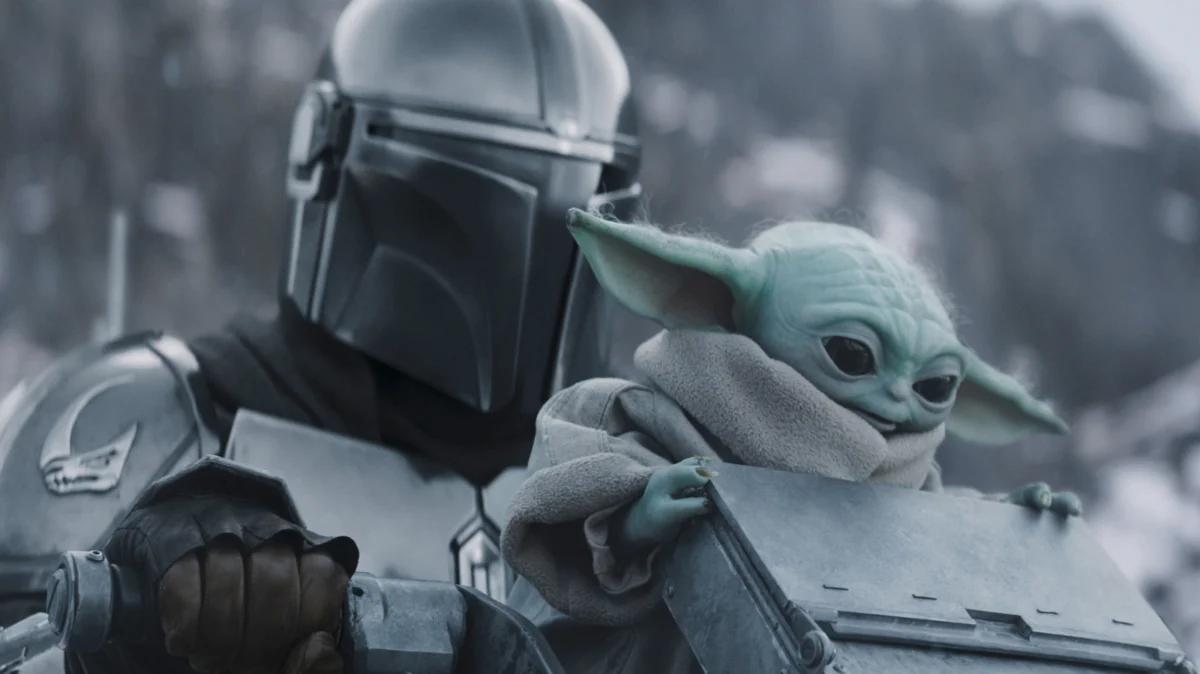
After a cinematic hiatus lasting nearly seven years, the Star Wars universe has finally returned to the silver screen. The Mandalorian and Grogu, directed by Jon Favreau, marks a pivotal moment for Lucasfilm. It is not merely the big-screen debut of the franchise’s most popular Disney+ characters, but also the first theatrical Star Wars release since the polarizing 2019 conclusion of the Skywalker Saga, The Rise of Skywalker.
However, as the film prepares for its wide release on May 22, 2026, the initial critical reception has sparked a firestorm of debate. With a 62% approval rating on Rotten Tomatoes, the film has firmly cemented itself as a "divisive" entry, leaving fans and industry analysts to wonder: Is this the revitalizing force the franchise needed, or a symptom of a larger, ongoing identity crisis within the galaxy far, far away?
The Current Landscape: A Stagnant Debut
As of this writing, The Mandalorian and Grogu holds a 62% critical approval rating based on 76 reviews. While the "Fresh" designation keeps it technically viable, the nuance lies in the company it keeps. A 62% score aligns it closely with 2002’s Attack of the Clones and 2018’s Solo: A Star Wars Story—two films that are frequently cited as the most contentious in the franchise’s history.
For Lucasfilm, the stakes could not have been higher. Having spent the last several years focusing on the expansion of the Star Wars mythos through streaming platforms, the transition to theatrical distribution was meant to be a triumphant return to form. Instead, critics are highlighting a sense of "franchise fatigue." In his review for /Film, critic Jeremy Mathai noted that the film has "never felt duller," a sentiment that echoes the growing concern that the Star Wars formula—once a revolutionary cinematic event—has become predictable.
Chronology: From Galactic Dominance to Polarized Reception
To understand the current climate surrounding The Mandalorian and Grogu, one must look at the trajectory of the Disney-era Star Wars films.
- 2015: The Renaissance: The Force Awakens arrived with unprecedented fanfare. It was a critical and commercial juggernaut, successfully bridging the gap between legacy fans and a new generation.
- 2016: The Spin-off Success: Rogue One proved that Star Wars could survive outside of the core Skywalker narrative, turning a single line of A New Hope dialogue into a billion-dollar box office hit that remains arguably the most well-regarded film of the Disney era.
- 2017: The Great Schism: The Last Jedi changed the conversation entirely. While it garnered a massive 91% critical approval rating, it ignited a toxic divide among the fanbase, resulting in a 41% audience score. This moment marked the beginning of the "culture war" era for the franchise.
- 2019: The Box Office Triage: The Rise of Skywalker attempted to course-correct, but resulted in a 51% critical score—the lowest for any live-action Star Wars film. Despite this, it maintained a strong 86% audience score, highlighting a persistent disconnect between critics and the casual viewer.
- 2026: The Return: The Mandalorian and Grogu attempts to marry the intimacy of the streaming series with the spectacle of cinema. Yet, it finds itself trapped in the same cycle of division that has plagued the franchise for nearly a decade.
Supporting Data: The Critic-Audience Disconnect
The disparity between professional critics and the general audience is a well-documented phenomenon in the modern era of blockbuster filmmaking, and Star Wars is the primary case study for this divide.
When analyzing the performance of recent entries, it becomes clear that "Fresh" scores are not always indicative of long-term legacy or commercial satisfaction. The data suggests that for Star Wars, the audience score is often the more significant metric for cultural impact. The Mandalorian and Grogu faces a difficult path. If it follows the trajectory of The Last Jedi, it may find itself critically lauded but commercially stunted by a disgruntled fanbase. Conversely, if it mirrors the trajectory of The Rise of Skywalker, it may face scathing professional reviews while finding a comfortable home with the die-hard fans who have followed Din Djarin’s journey since 2019.
Official Responses and Creative Vision
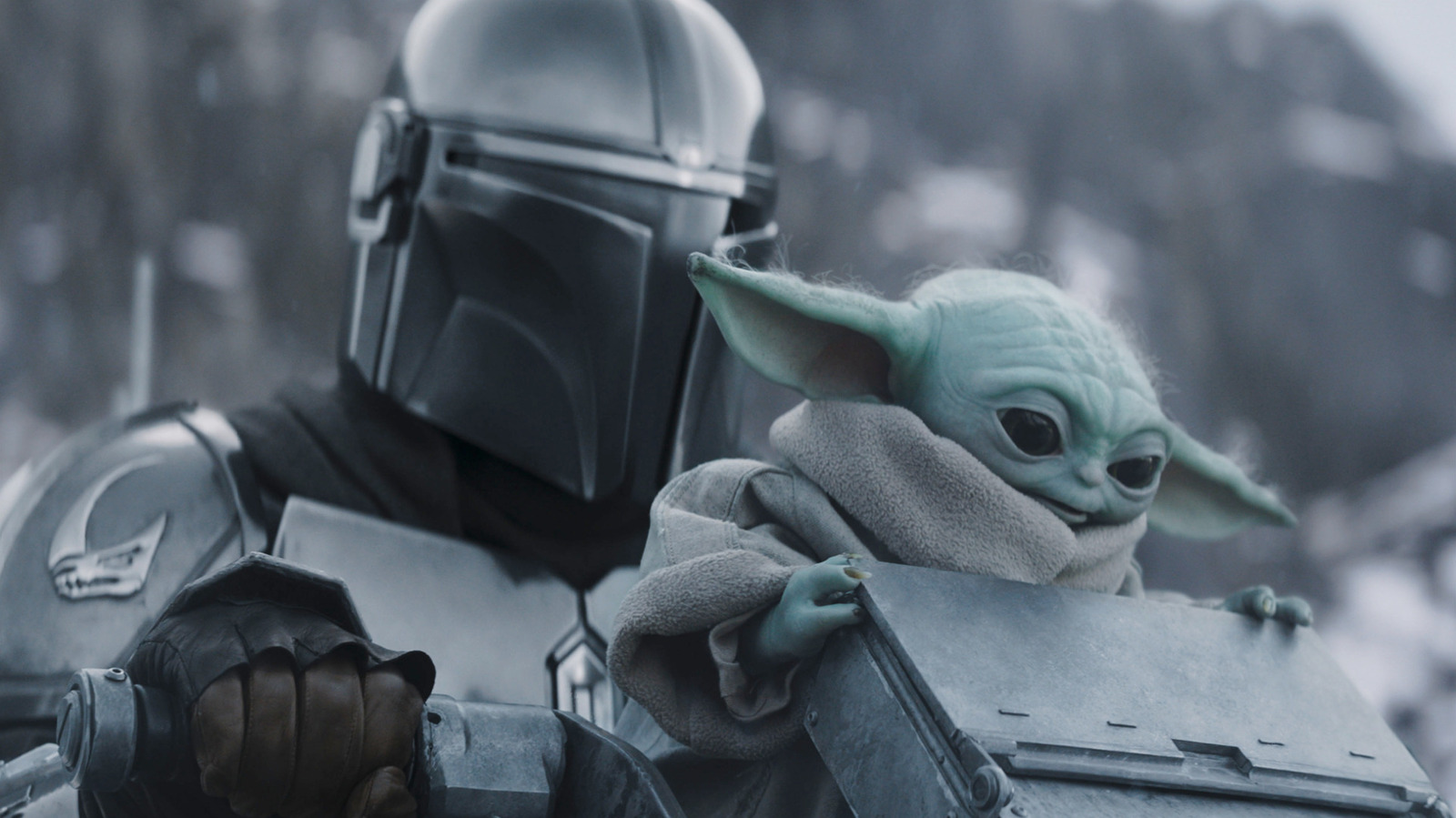
Lucasfilm has maintained a disciplined silence regarding the early critical reaction, choosing instead to focus on the film’s narrative stakes. The film brings back Pedro Pascal as the stoic bounty hunter Din Djarin, accompanied by the cultural phenomenon that is Grogu.
The casting choices—including the addition of sci-fi icon Sigourney Weaver as Colonel Ward and The Bear star Jeremy Allen White as a Hutt—demonstrate an effort to broaden the film’s appeal. The official synopsis positions the film as a grounded, political thriller: "The evil Empire has fallen, and Imperial warlords remain scattered throughout the galaxy. As the fledgling New Republic works to protect everything the Rebellion fought for, they have enlisted the help of legendary Mandalorian bounty hunter Din Djarin."
Director Jon Favreau has often spoken about his desire to treat The Mandalorian as a "Western in space," keeping the stakes personal and contained. However, the move to theaters seems to have forced an expansion of scope that some critics feel undermines the series’ original, minimalist charm.
Financial Implications: Is It a "Hit"?
Perhaps the most crucial factor for Disney’s bottom line is the budget. The Mandalorian and Grogu carries a reported budget of $165 million. In the modern landscape of $300 million-plus superhero epics, this is a lean, efficient investment.
Unlike the massive financial requirements of the sequel trilogy, The Mandalorian and Grogu does not need to break records to be considered profitable. If the film performs steadily, it could provide a blueprint for a new, "mid-budget" Star Wars strategy—one that prioritizes manageable costs over the high-stakes, "must-succeed" pressure of the past.
However, there is a intangible cost to consider: brand dilution. If the franchise continues to produce "divisive" content, the long-term health of the Star Wars brand could suffer, leading to a decline in interest for future streaming series and merchandise—the true lifeblood of the Lucasfilm empire.
The Path Forward: What Does This Mean for the Galaxy?
The critical reception of The Mandalorian and Grogu serves as a mirror for the current state of Lucasfilm. For years, the studio has been oscillating between the need to innovate and the desire to play it safe with nostalgia. By bringing a successful TV format to the big screen, they have attempted both, yet the resulting middle-ground seems to have satisfied neither camp fully.
As audiences head to theaters on May 22, the film will serve as a litmus test. If it succeeds, it will prove that the franchise can thrive by focusing on smaller, character-driven narratives rather than galaxy-ending threats. If it fails, or if the division persists, it may force Disney to rethink their entire approach to the Star Wars theatrical pipeline.
Ultimately, The Mandalorian and Grogu is a reminder that in the galaxy far, far away, the most dangerous enemy isn’t the Imperial Remnant or a Hutt crime lord—it is the weight of expectation. Whether this film can transcend that weight remains the most compelling story of the summer.

 Lina Hope
 Pevita Pearce