

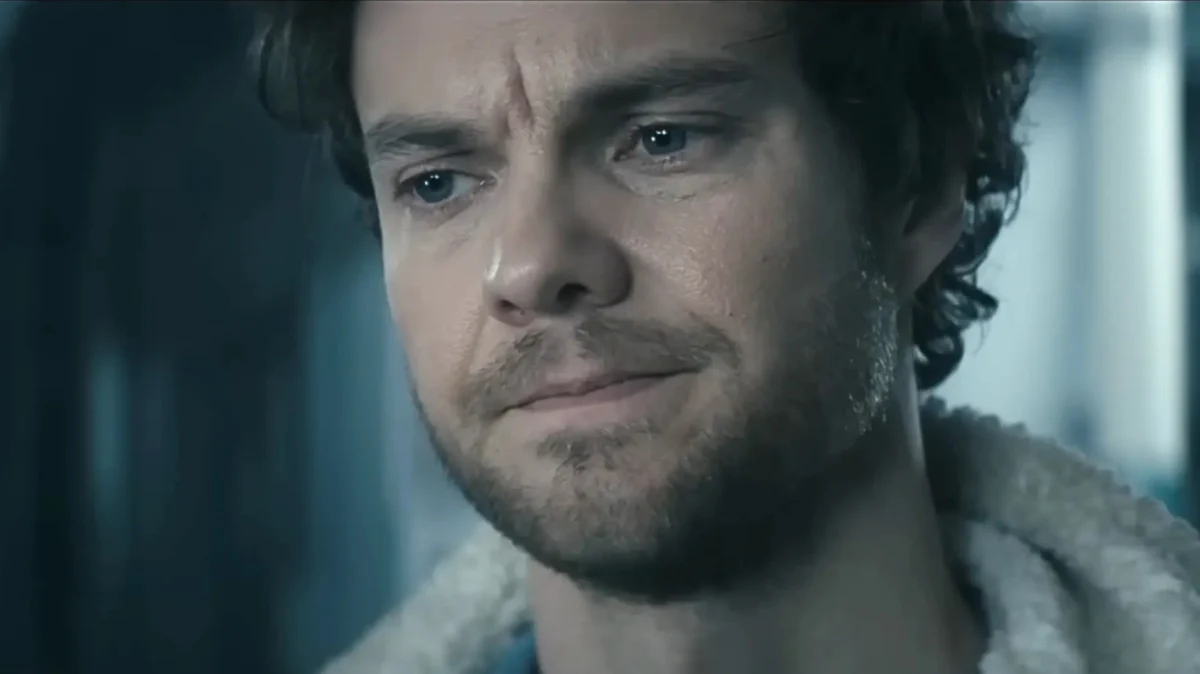
The final chapter of Prime Video’s satirical superhero juggernaut, The Boys, has finally arrived. Titled "Blood and Bone," the Season 5 finale serves as a violent, cathartic, and surprisingly somber conclusion to a series that redefined the genre for a generation. For years, Eric Kripke’s adaptation of the Garth Ennis and Darick Robertson comics has operated as a scathing critique of corporate greed, celebrity culture, and political extremism. In its closing moments, the show finally paid its debts, bringing the long-standing war between Billy Butcher and Homelander to a visceral, definitive end.
This retrospective explores the fates of the primary cast, the narrative implications of the finale, and why the show’s conclusion resonated so deeply with its complex, often morally grey universe.
The Main Facts: A Culmination of Years of Anarchy
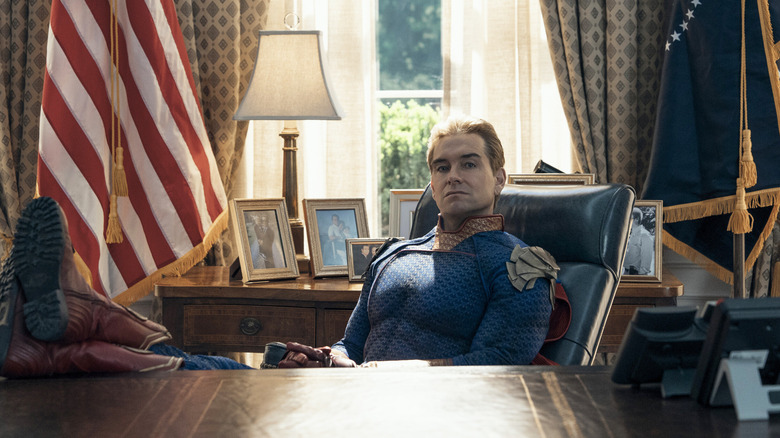
"Blood and Bone" did not shy away from the carnage that has defined the series. The central arc—the promise of a "scorched earth" battle between Billy Butcher (Karl Urban) and Homelander (Antony Starr)—reached its zenith in the Oval Office. This was not a fight of equals, but a brutal stripping away of status.
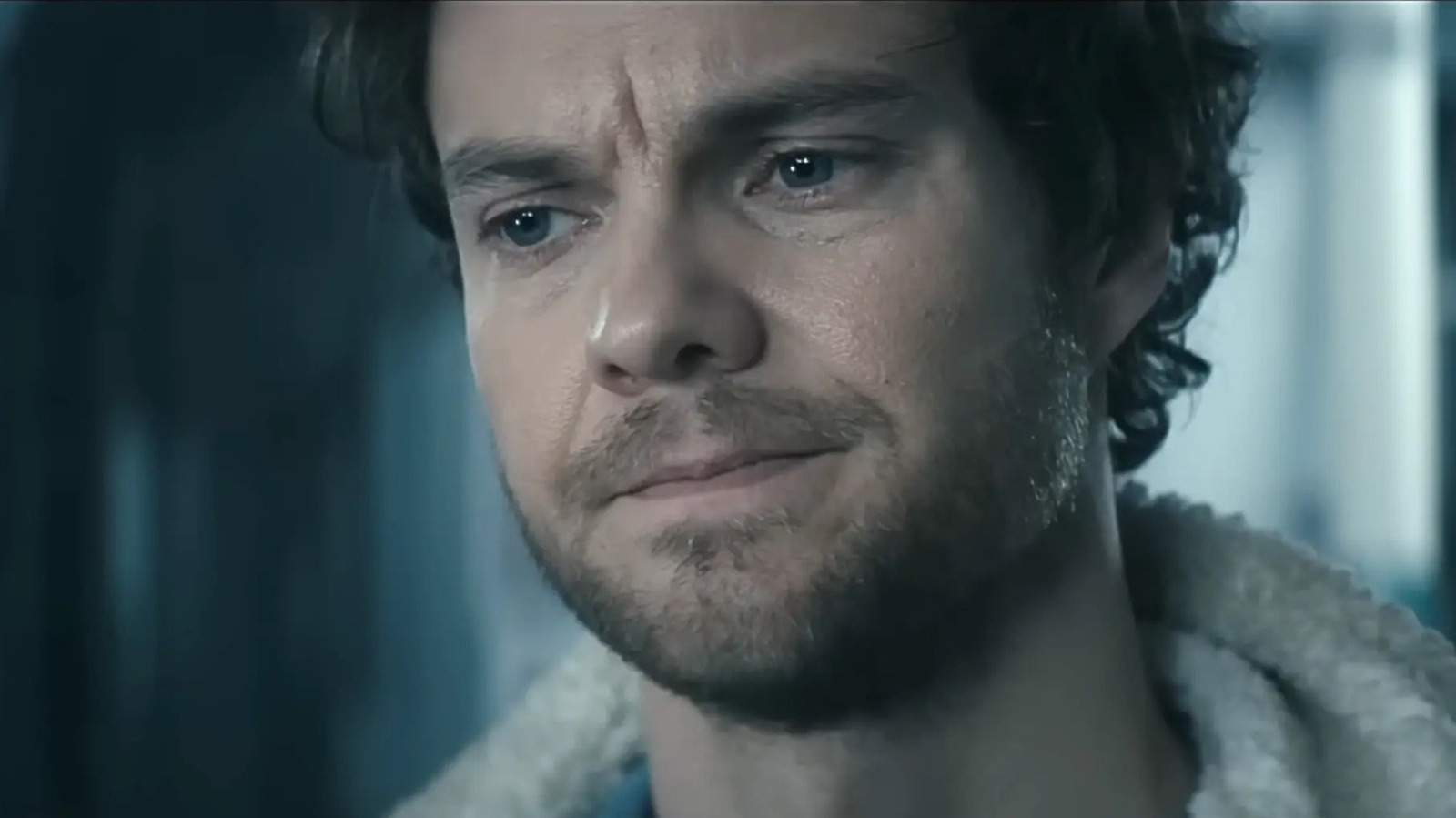
The episode’s pivotal sequence saw Kimiko Miyashiro (Karen Fukuhara) deploy a potent, V-destroying nuclear beam, rendering the invincible Homelander powerless. For the first time in his existence, the man who believed he was a god experienced the crushing weight of vulnerability. His death, meted out by Butcher with a crowbar, was a moment of profound humiliation rather than a heroic defeat. It was the total deconstruction of the series’ most terrifying antagonist.
While the primary threat was neutralized, the finale also served as a closing statement for the supporting cast, balancing the scales of justice—or in some cases, providing ironic twists of fate that underscored the show’s dark, cynical humor.
Chronology of the Final Stand
The trajectory of the finale unfolded through a series of tactical shifts that prioritized the downfall of Vought’s hierarchy.
1. The Fall of the Vought Regime
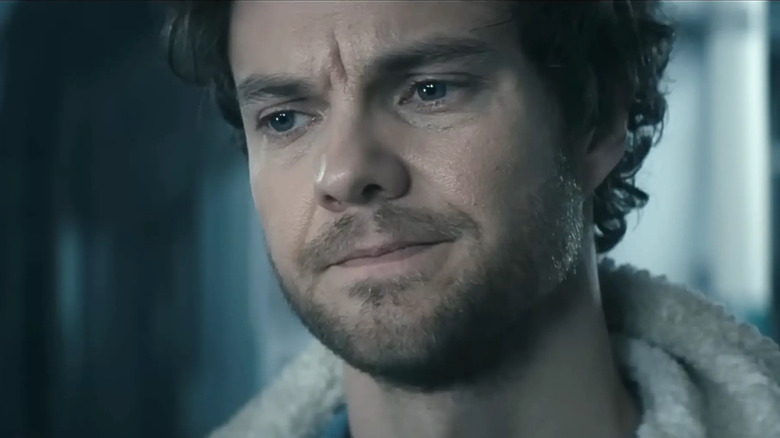
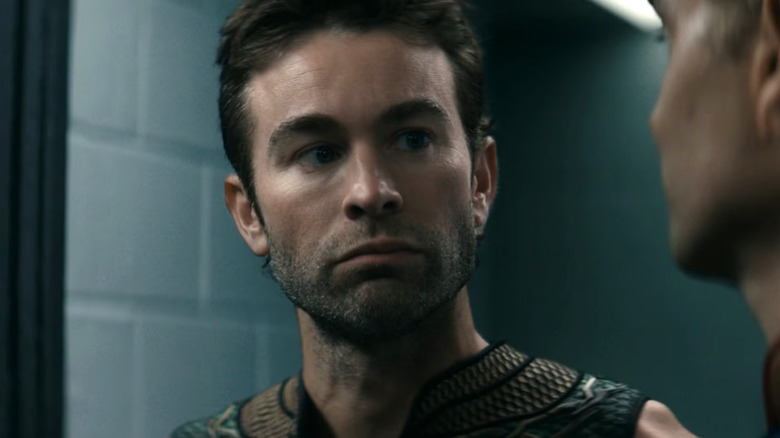
The episode moved quickly to settle scores. The Deep (Chace Crawford), a character defined by his cowardice and moral bankruptcy, met a fate that mirrored his initial assault on Starlight in the series premiere. After a confrontation with Annie (Erin Moriarty), he was cast into the ocean, only to be swarmed by the very creatures he claimed to protect—a final, poetic irony for a "hero" who treated marine life as disposable commodities.
2. The Sonic Implosion of Oh Father
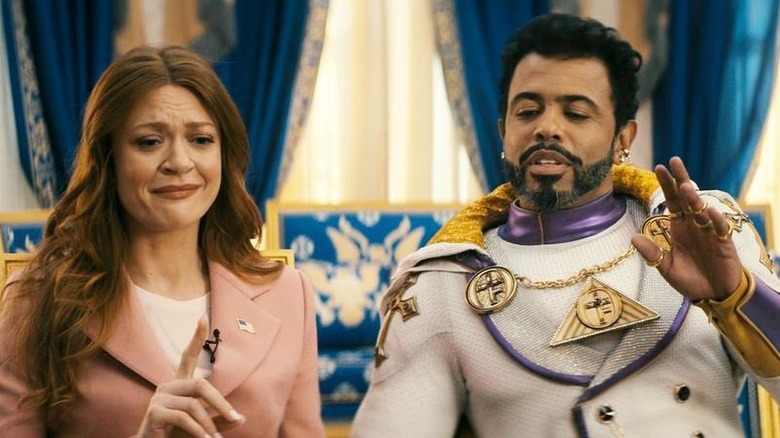
The preacher-turned-supe Oh Father (Daveed Diggs) faced a grisly end that served as a cautionary tale against hypocrisy. When M.M. (Laz Alonso) utilized a titanium ball gag to prevent his sonic scream, the resulting pressure backfired, literally imploding his head. It was a visceral reminder of the show’s penchant for "cranial ultraviolence."
3. The Institutional Survival of Stan Edgar
Perhaps the most biting commentary in the finale was the survival of Stan Edgar (Giancarlo Esposito). While the "Supes" died or faced incarceration, the man who built the system remained standing. His return as interim CEO of Vought signals that while the individual "bad actors" were removed, the corporate rot remains an entrenched, self-perpetuating system.
Supporting Data: Character Arcs and Redemption
The finale was not merely a collection of deaths; it was a study in closure.
- Hughie and Annie: In a landscape of death, their ending represents the show’s only semblance of hope. Leaving behind the world of espionage for a quiet life in an A/V store, their transition from hunted pawns to civilian life suggests that the only way to "win" in the world of The Boys is to walk away from the board entirely.
- M.M. and Kimiko: These characters received the most human endings. M.M.’s reconciliation with his family and Kimiko’s internal acceptance of her grief over Frenchie provided the emotional tether needed to ground the finale’s extreme violence.
- The Lesson of Ashley Barrett: Ashley’s trajectory from VP to impeached fugitive is a masterclass in survival. She managed to avoid death, not through heroism, but through the mundane reality of bureaucracy. Her fall from power, while not fatal, serves as a fitting end for a character defined by her desperate attempts to climb a ladder that was always destined to collapse.
Official Responses and Creative Direction
Showrunner Eric Kripke has long maintained that The Boys was always building toward a "big, explosive, and final" conclusion. In post-episode interviews, the creative team noted that the decision to have Butcher die as the final antagonist was essential to the show’s thematic integrity.
"Butcher was never the hero," the writing room signaled. By choosing to attempt a planetary genocide via a super-contagious virus, Butcher proved that he had become the very monster he spent five seasons hunting. His death at the hands of Hughie—a man who represented the conscience Butcher had long ago abandoned—was a necessary tragic end. It ensured that the series did not end with a "good guy" winning, but with the cycle of violence finally being broken by the realization that vengeance is a hollow pursuit.
Implications: The End of the Vought Era
The implications of "Blood and Bone" extend far beyond the deaths of the main cast. The finale posits a world that is fundamentally broken. With Homelander gone, the vacuum is not filled by heroes, but by the same corporate structures that created him.
The Systemic Critique
By leaving Stan Edgar in power, The Boys offers a stark critique of the modern military-industrial complex. The show suggests that superheroes were merely a product—a marketing strategy. When the product fails, the company pivots. This is a chilling reflection of real-world politics, where the removal of a polarizing figure often does little to change the underlying socio-economic structures that facilitated their rise.
The Legacy of the "Boys"
The final image of the group at Butcher’s funeral, burying him alongside Becca, is a testament to the cost of their crusade. They are survivors of a war that nobody truly won. The loss of their primary antagonist and their primary catalyst (Butcher) leaves the surviving members in a state of purgatory. They have the freedom to live, but they are forever marked by the atrocities they witnessed and committed.
Conclusion: Why It Matters
The Boys concluded its run not with a triumphant fanfare, but with the sobering reality that violence begets violence. The deaths of Homelander, The Deep, and Oh Father provided the audience with the catharsis they craved, but the survival of the corporate system and the tragic downfall of Billy Butcher provided the narrative weight the show deserved.
It is rare for a series of this magnitude to remain consistent in its tone until the final frame. By refusing to give the audience a traditional "happy ending," The Boys cemented its legacy as a definitive piece of modern satire. It forced the audience to look past the spectacle of laser-eyes and super-strength to the deeper, more uncomfortable truths about human nature, the corrupting influence of power, and the high price of seeking justice in a world that thrives on the status quo.
The series is now complete, and while the characters are gone, the questions they raised—about accountability, truth, and the nature of evil—will likely resonate with viewers for years to come. In the end, The Boys was never about saving the world; it was about exposing it, and in that, it succeeded in ways few other series ever have.











No comments yet. Be the first to join the conversation!