

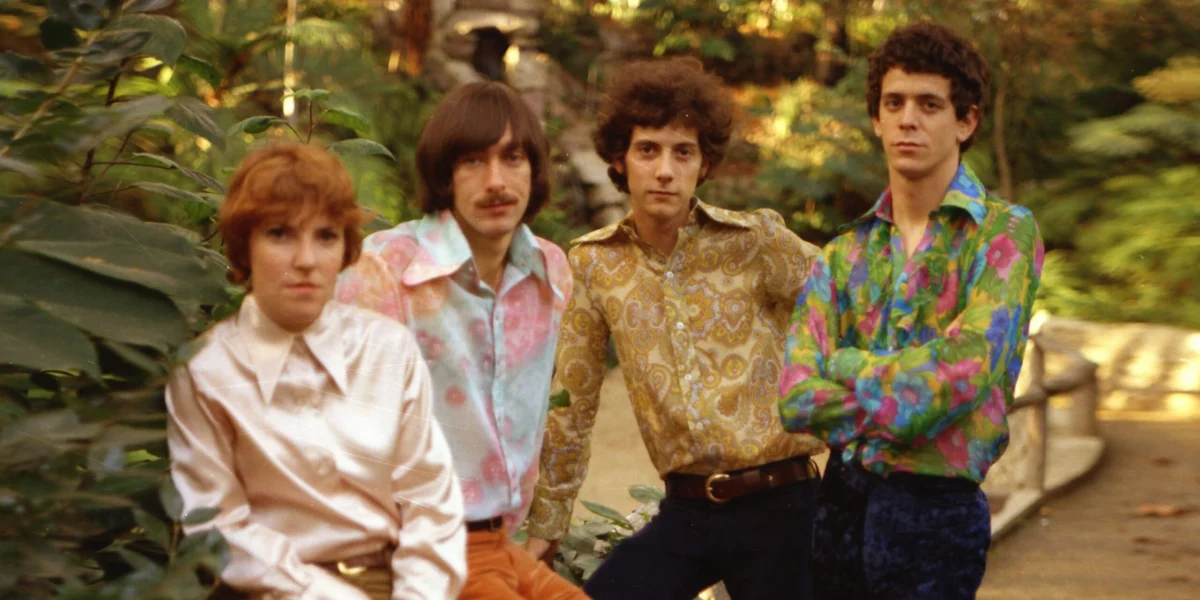
The Velvet Underground remains one of the most enigmatic and influential entities in the history of rock and roll. While their commercial success during their active years (1965–1973) was negligible, their cultural footprint has since expanded to gargantuan proportions. Operating at the intersection of avant-garde art, street-level grit, and pop sensibility, the band challenged the status quo of the 1960s. With a core lineup that shifted constantly—and a studio discography consisting of only five official albums—they managed to invent the blueprint for punk, indie, and alternative music.
The Genesis of an Icon: Main Facts and Historical Context
To understand the band, one must understand the tension between its two primary architects: the literary, street-poet sensibilities of Lou Reed and the experimental, classical-trained chaos of John Cale. Supported by the steady rhythm of drummer Moe Tucker and the melodic structuralism of guitarist Sterling Morrison, the band emerged from the factory of Andy Warhol.
The band’s history is a study in instability. Their debut album, famously adorned with a peelable banana sticker, serves as a cornerstone of the counterculture. However, the internal friction between Reed’s desire for commercial viability and Cale’s desire for sonic deconstruction led to a rapid succession of departures. By the time they released their final studio effort, the band was a shell of its original configuration, leaving behind a legacy that remains as polarizing as it is profound.
Chronological Evolution: From Art-Rock Pioneers to Pop Contenders
The Velvet Underground’s discography is best viewed as a timeline of disintegration and transformation.
1. The Velvet Underground & Nico (1967)
The undisputed masterpiece. Released at the height of the "Summer of Love," it stood in stark opposition to the flower-power movement. While the rest of the world was experimenting with psychedelia and optimism, the Velvets were exploring the dark underbelly of New York City: heroin addiction, sadomasochism, and urban alienation. With Nico’s icy, detached vocals on tracks like "Femme Fatale" and "All Tomorrow’s Parties," the album is a perfectly balanced collision of harsh noise and fragile beauty. It is the definitive document of the era’s alternative spirit.
2. The Velvet Underground (1969)
Following the departure of John Cale, the band pivoted toward a softer, more introspective sound. This self-titled album is a revelation of songwriting maturity. Tracks like "Pale Blue Eyes" and "Candy Says" reveal a tender side of Lou Reed that was buried under the dissonance of previous records. It is arguably their most cohesive and accessible work, demonstrating that the band did not need experimental feedback loops to remain compelling. Moe Tucker’s vocal turn on "After Hours" provides a haunting, lo-fi charm that feels remarkably like a precursor to the modern indie-pop movement.
3. White Light/White Heat (1968)
If the debut was an art-school experiment, this was a riot. Recorded during a period of intense creative volatility, White Light/White Heat is raw, abrasive, and unapologetically loud. It is the most "Cale-centric" album in their canon. The 17-minute improvisational epic "Sister Ray" remains one of the most daring experiments in recorded music history. It is a grueling, hypnotic, and feedback-drenched assault that effectively killed the band’s chance at mainstream radio play, yet solidified their status as the godfathers of noise-rock.
4. Loaded (1970)
Loaded was intended to be the band’s commercial breakthrough, famously "loaded with hits." While it lacks the avant-garde edge of their earlier work, it features some of the most enduring pop-rock anthems in the American canon. "Sweet Jane" and "Rock & Roll" are masterclasses in economy and melody. While it lacks the collective genius of the original lineup, it serves as a triumphant final statement for Lou Reed’s tenure, proving he could write radio-ready hooks as easily as he could write songs about the dark side of the street.
5. Squeeze (1973)
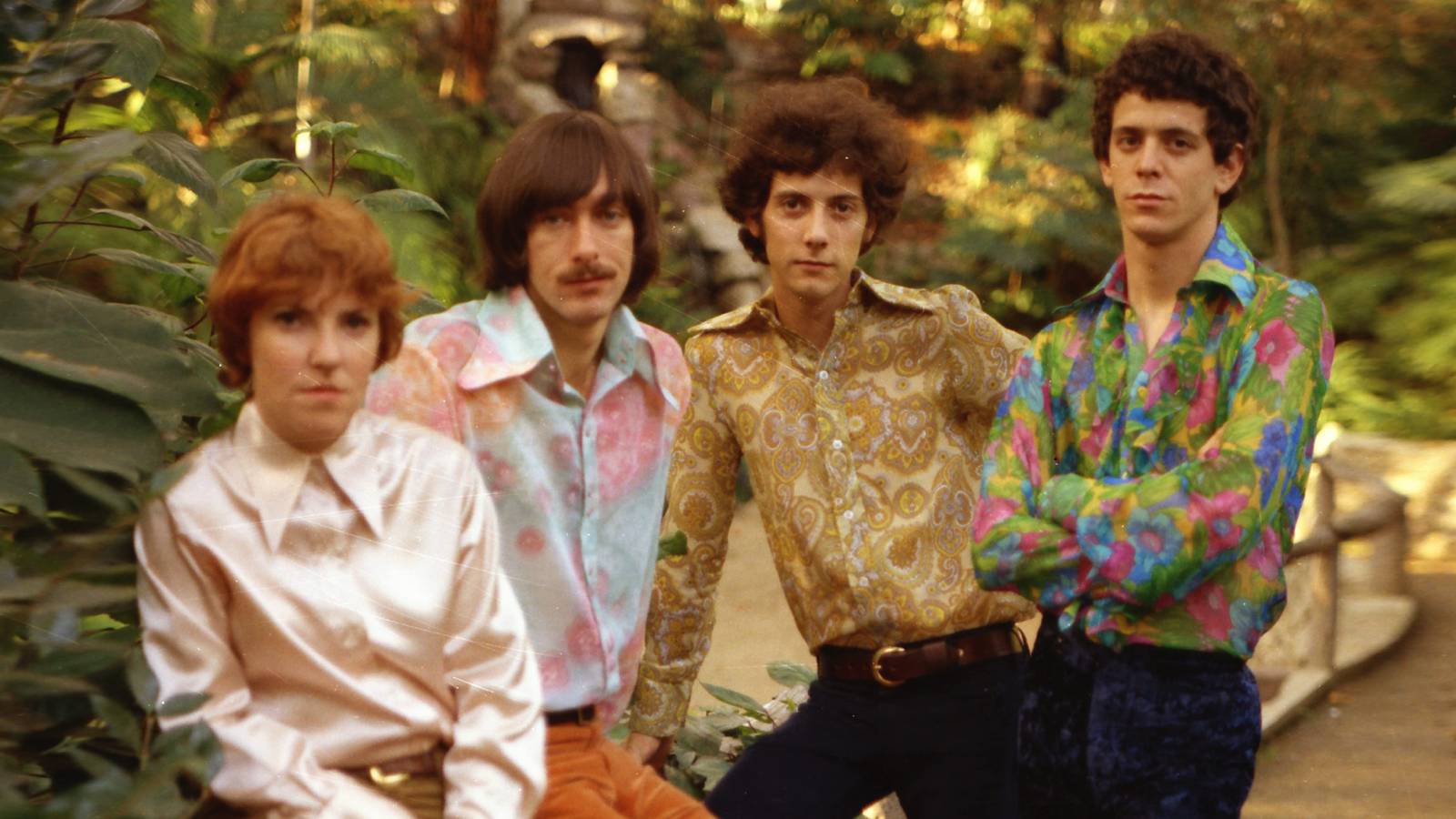
The asterisk of the discography. By 1973, neither Lou Reed, Sterling Morrison, nor Moe Tucker were present. Squeeze is essentially a Doug Yule solo project operating under the brand name. While history has been harsh to the album, it is a fascinating, if misguided, epilogue. It lacks the thematic depth and the "Velvet" identity, serving as a cautionary tale of what happens when a band survives its own expiration date. It is a curiosity for completionists, but little more.
Supporting Data: Why Their Legacy Endures
The enduring nature of The Velvet Underground is not found in chart performance, but in the "myth of the 1,000 fans." As the famous adage attributed to Brian Eno goes: "The first Velvet Underground album only sold 30,000 copies, but everyone who bought one started a band."
Their influence is measurable through the proliferation of genres they birthed:
- Punk: The minimalism and DIY ethos of the early records directly inspired The Ramones and The Sex Pistols.
- Alternative/Indie: The lo-fi aesthetic and focus on urban storytelling laid the foundation for bands like R.E.M., The Strokes, and Yo La Tengo.
- Experimental/Noise: The feedback-heavy textures of "Sister Ray" paved the way for Sonic Youth and My Bloody Valentine.
Official Responses and Critical Re-evaluation
While contemporary critics were often confused by the band’s lack of traditional polish, modern retrospectives have been unanimous in their praise. The 2021 documentary directed by Todd Haynes served as a cultural reset, framing the band as not just a musical group, but a multimedia movement that bridged the gap between fine art and popular culture.
The band’s induction into the Rock and Roll Hall of Fame in 1996 was the final institutional acknowledgment of their importance. Even the estate of Lou Reed has consistently curated re-releases and expanded box sets, ensuring that the master tapes are treated with the archival rigor usually reserved for classical composers or the most massive pop icons.
Implications: The Eternal Relevance
What does it mean to listen to The Velvet Underground in the 2020s? It means engaging with music that refuses to age. Because the band never chased trends, they were never bound by them. Their music exists in a perpetual "now."
The implication of their work is that authenticity matters more than technical proficiency. By prioritizing atmosphere, emotional honesty, and narrative depth over traditional virtuosity, The Velvet Underground opened a door that allowed millions of artists to step through. Whether it is the soft, melancholic lullaby of "Sunday Morning" or the cacophonous sprawl of "Sister Ray," the band provided a template for how to be an artist in a commercialized world.
In conclusion, The Velvet Underground’s five-album journey is a lesson in creative integrity. They proved that the most lasting art is often the art that alienates the present to inspire the future. They didn’t just write songs; they constructed a world, and we are all still living in it.











No comments yet. Be the first to join the conversation!