

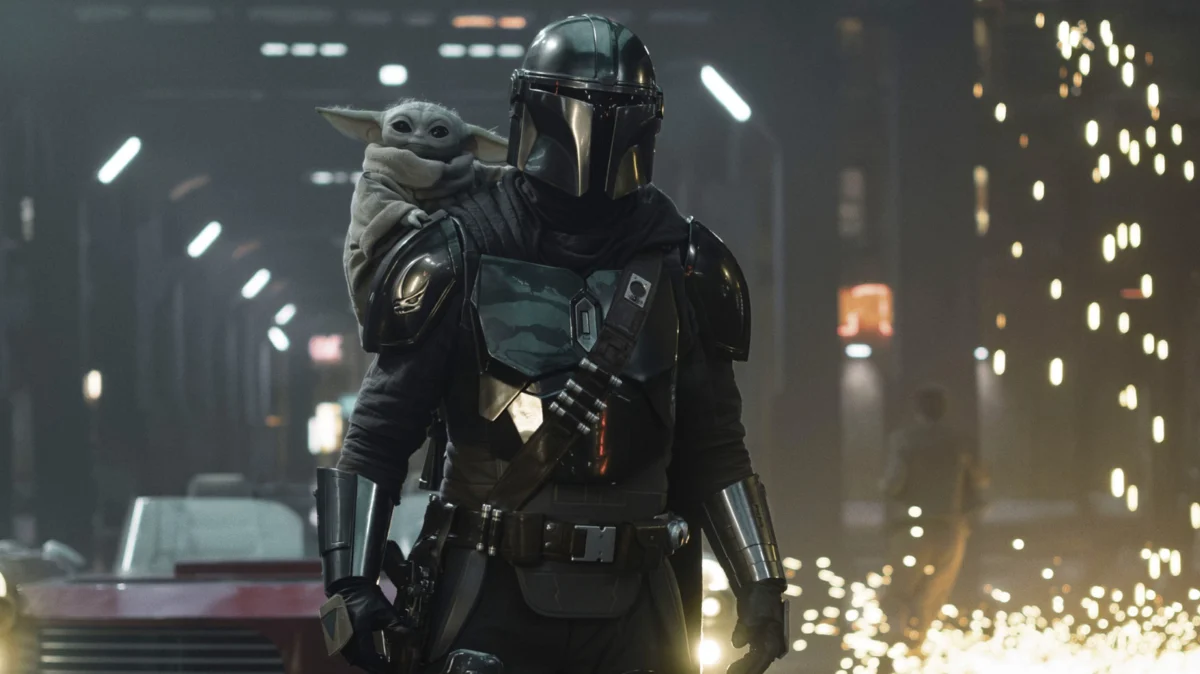
For the first time in nearly seven years, the hum of a lightsaber and the distinct, rugged aesthetic of the Star Wars universe are returning to the cinematic stage. Since the 2019 release of Star Wars: The Rise of Skywalker—a polarizing, billion-dollar spectacle that concluded the long-running Skywalker Saga—the franchise has largely retreated to the smaller screen. Under the stewardship of Jon Favreau and Dave Filoni, the Star Wars television landscape on Disney+ has flourished, most notably with the massive success of The Mandalorian.
Now, the two worlds are colliding. The Mandalorian and Grogu, directed by Jon Favreau, serves as a high-stakes bridge between the streaming series and the theatrical experience. As fans prepare for the May 22, 2026, release, one burning question remains for the modern cinema-goer: Is it necessary to linger in the dark as the credits roll?
The Verdict: Staying for the Stinger?
In an era defined by the Marvel Cinematic Universe—where the post-credits scene has become a mandatory ritual—audiences have been conditioned to stay in their seats until the janitorial staff starts sweeping the popcorn. However, for those wondering if The Mandalorian and Grogu follows this trend, the answer is a definitive "no."
There are no mid-credits stingers, no end-credits teasers, and no hidden scenes tucked away after the final technical scroll. Once the narrative concludes, the experience is complete. This stylistic choice reinforces the film’s nature as a contained, cinematic adventure rather than a launchpad for a sprawling, interconnected web of future sequels. Viewers are free to head for the lobby the moment the screen fades to black, confident that they haven’t missed a crucial plot point or a glimpse into the next phase of the Star Wars timeline.
A Brief Chronology: From Streaming Success to Theatrical Event
To understand why this film feels like such a monumental shift, one must look at the trajectory of the Star Wars franchise since Disney acquired Lucasfilm.
- 2019: The Rise of Skywalker hits theaters, marking the last time a Star Wars film graced the big screen.
- 2019–2023: The Mandalorian revitalizes the brand, introducing the world to Din Djarin and the breakout sensation, Grogu. The series proves that television can match the production value and narrative depth of film.
- 2023–2025: Lucasfilm explores various directions for the franchise, including the development of a potential Mandalorian Season 4 that would have pitted our heroes against the tactical genius Grand Admiral Thrawn.
- 2026: The Mandalorian and Grogu is slated for release, marking the pivot from episodic television to a standalone feature-length event.
The decision to transition The Mandalorian into a theatrical film represents a significant pivot for Lucasfilm. Originally, many fans expected a fourth season of the hit show to continue the threads established in Season 3. Instead, the creative team opted to consolidate those ambitions into a singular, high-octane cinematic experience. This is not the start of a new trilogy; it is a "one-off" event, designed to bring the scale of the Star Wars galaxy back to the theater.
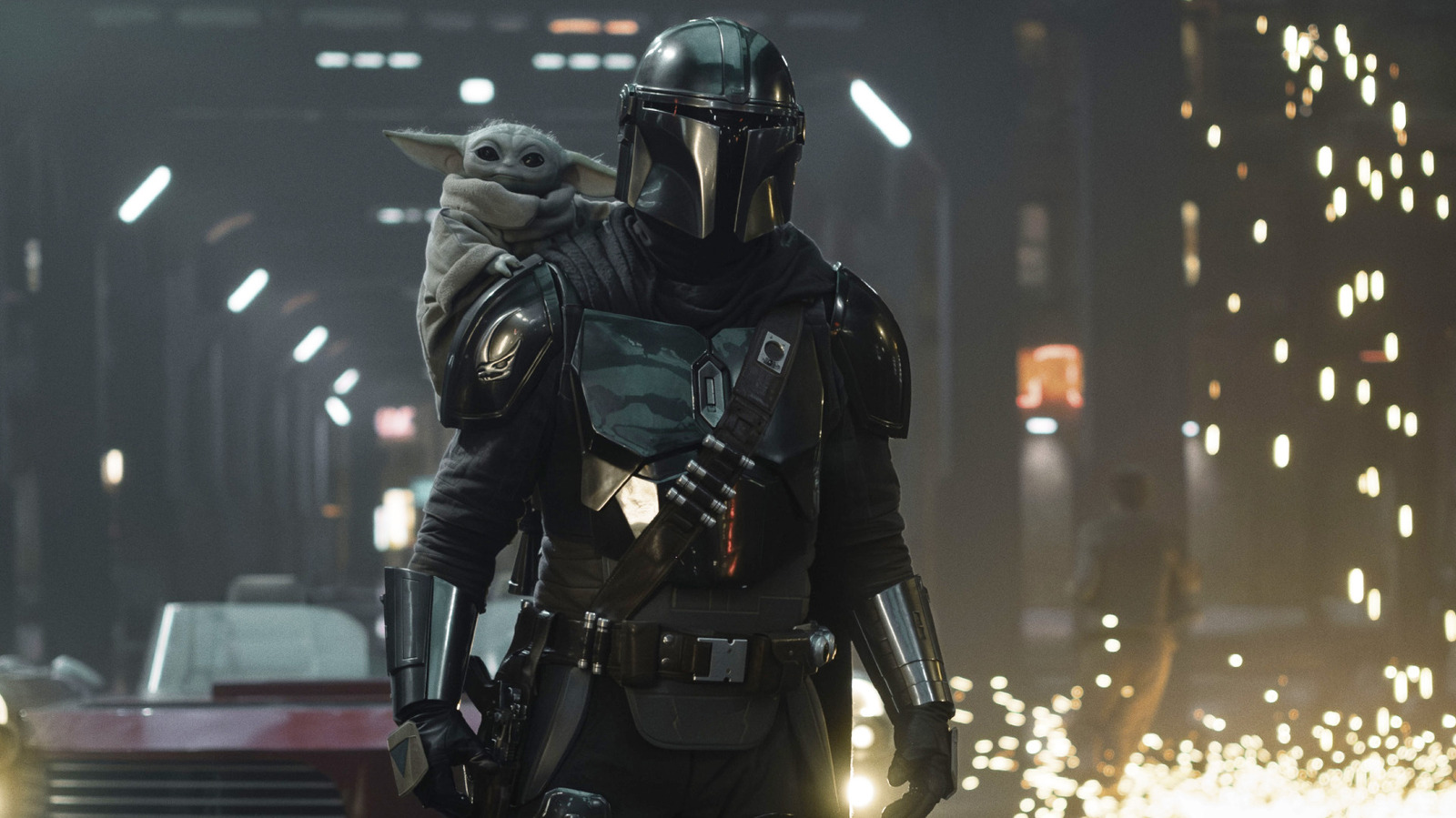
Supporting Data: The Talent Behind the Helmet
The production of The Mandalorian and Grogu is bolstered by a heavy-hitting roster that signals Lucasfilm’s commitment to quality.
Leading the charge is Pedro Pascal, whose performance as the stoic bounty hunter Din Djarin has become the face of the franchise’s new era. He is joined by a powerhouse supporting cast, including the legendary Sigourney Weaver—a sci-fi icon whose presence adds significant prestige to the project—and Jeremy Allen White, who has captivated audiences in The Bear and The Iron Claw.
Behind the scenes, the creative architecture is as solid as it gets. Jon Favreau, the architect of the Mando-verse, is at the helm. He is joined by a production team that includes Lucasfilm President Kathleen Kennedy and Chief Creative Officer Dave Filoni. The sonic landscape of the film will once again be crafted by Ludwig Göransson, whose iconic, percussion-heavy score was instrumental in defining the Mandalorian aesthetic.
Synopsis and Stakes
The official premise sets the stage for a classic "New Republic" era adventure:
"The evil Empire has fallen, and Imperial warlords remain scattered throughout the galaxy. As the fledgling New Republic works to protect everything the Rebellion fought for, they have enlisted the help of legendary Mandalorian bounty hunter Din Djarin and his young apprentice Grogu."
Official Responses and Strategic Shifts
The move to bypass a post-credits scene is a bold creative choice in a modern blockbuster landscape. By opting out of the "teaser" culture, Lucasfilm is making a statement: this film is meant to stand on its own merits.
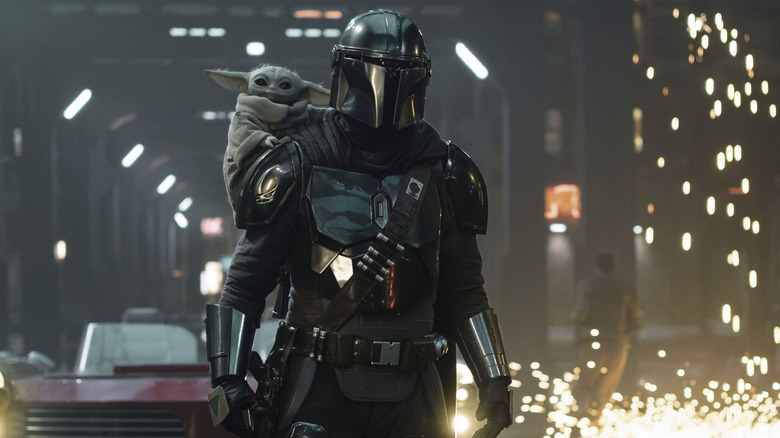
In past years, Star Wars television has leaned into the "hook" method. For instance, the post-credits sequence of The Mandalorian Season 2 was a vital piece of marketing for The Book of Boba Fett. By abandoning this practice for the upcoming film, the studio is signaling a shift away from the "must-watch-everything" requirement that has occasionally burdened the franchise. They are prioritizing a self-contained story that can be enjoyed by someone who hasn’t spent years dissecting every single episode of the Disney+ series.
Implications for the Future of the Galaxy
What does this mean for the future of Star Wars? For one, it suggests that the studio is listening to feedback regarding "franchise fatigue." By focusing on a singular, high-quality narrative rather than a multi-film setup, Lucasfilm is attempting to lower the barrier to entry.
Furthermore, the absence of a post-credits scene suggests that the story of Din Djarin and Grogu may be reaching a definitive conclusion—or at least a satisfying rest point. The film is not being marketed as the prologue to an Avengers-style team-up, but rather as a celebration of the characters that saved the franchise during its most uncertain time.
For the dedicated fan, the lack of a scene after the credits might feel like a missed opportunity to tease the next big villain or a surprise cameo. However, for the casual viewer, it is a relief—a return to a simpler time when a movie began, told its story, and ended.
Conclusion: Preparing for the Return
As we approach the May 22, 2026, release date, the anticipation is palpable. The Mandalorian and Grogu represents the convergence of everything that has worked for Star Wars over the last decade: a compelling protagonist, a beloved sidekick, the mentorship of Dave Filoni, and the directorial vision of Jon Favreau.
Whether you are a die-hard adherent who has watched every episode of The Clone Wars and Rebels, or a fan who just loves the sight of a shiny beskar helmet in a theater, this film promises to be the event of the year. So, when the lights come up and the credits begin to roll, feel free to gather your belongings and walk out into the night. You’ve seen the whole story—and for now, that is more than enough.









No comments yet. Be the first to join the conversation!