


As the school year fades into a distant memory and the thermometer begins its steady climb toward triple digits, parents everywhere are bracing for the quintessential challenge of summer: the “I’m bored” refrain. While the season is traditionally defined by swimming, youth sports, and outdoor adventures, the modern digital landscape often pulls children toward the glow of iPads, tablets, and televisions.
However, a growing movement of educators and parents is advocating for a “low-tech” summer renaissance. By integrating high-quality, interactive activity books into a child’s daily routine, families can bridge the gap between structured schooling and carefree play. These books offer more than just a diversion; they serve as critical tools for developing fine motor skills, fostering independent problem-solving, and providing a necessary meditative break from the overstimulation of digital devices.
The Case for Tactile Engagement: Main Facts and Benefits
The primary advantage of activity books lies in their tactile nature. In an era where swiping a screen has become second nature, the act of coloring, connecting dots, or constructing paper crafts provides a sensory-rich experience that digital media simply cannot replicate.
According to child development experts, the physical act of manipulating paper—whether it is folding a puppet or coloring within the lines—reinforces neurological pathways related to spatial awareness and hand-eye coordination. Furthermore, these activities encourage “deep work,” a state of flow where a child is fully immersed in a task, effectively reducing the anxiety often associated with the rapid-fire notifications of mobile games.

A Summer Chronology: From School’s End to Back-to-School
To understand the role of these books, we must look at the summer as a developmental timeline:
- The Transition Period (Late June): As children detach from the rigid schedule of the classroom, they often struggle with the sudden influx of unstructured time. During this phase, activity books act as a bridge, offering “light” mental stimulation that prevents the “summer slide” without feeling like homework.
- The Mid-Summer Slump (July): When the novelty of outdoor play wanes due to extreme heat or routine, children often turn to screens. This is the peak window for interactive books that offer complex projects, such as building paper models or engaging in logic puzzles.
- The Pre-School Preparation (Late August): As summer winds down, the focus shifts to honing fine motor skills and attention spans. Activity books during this time serve to gently transition the child back into a focused, sedentary headspace, making the return to the classroom less of a shock to the system.
Supporting Data: Why Parents are Choosing Paper Over Pixels
Recent retail trends indicate a significant surge in the popularity of specialty activity books. While digital sales remain high, there has been a notable shift toward “analog” entertainment.
Market data from major retailers like Barnes & Noble shows that parents are increasingly seeking out items that offer a tangible, “take-anywhere” value proposition. For instance, titles such as the Bluey Imagine Ink series have become top-sellers specifically because they solve a major pain point for parents: mess-free, portable, and self-contained entertainment.
Furthermore, social media parenting communities have seen a 25% increase in discussions regarding “digital detoxing,” with many parents citing the high cost of subscription-based apps compared to the one-time, low-cost investment of a physical activity book. When compared to the $10–$20 price point of a book that can last weeks, the value proposition for parents is clear and compelling.

Spotlight: Top Picks for the Season
If you are looking to curate a summer bookshelf that keeps your child engaged, these four selections stand out for their creativity and variety:
1. K-Pop Demon Hunters: Official Activity Book ($9.99)
For the pop-culture enthusiast, this book is an essential. It goes beyond simple coloring by integrating the vibrant, high-energy world of the K-Pop Demon Hunters film. It is an excellent choice for pre-teens who want to engage with their favorite media in a creative, rather than passive, way.
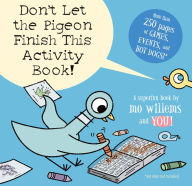
2. Don’t Let the Pigeon Finish This Activity Book! (Mo Willems, $19.99)
Mo Willems remains a titan of children’s literature. This book is a masterclass in interactive design. It isn’t just a book; it is a workshop. By asking children to help the famous Pigeon complete tasks, it fosters a sense of agency and humor. Whether they are building an airport for paper airplanes or creating paper bag puppets, children are active participants in the storytelling process.
3. Bluey Imagine Ink Magic Ink Pictures Book ($5.99)
The gold standard for “on-the-go” entertainment. The “Magic Ink” technology provides a sense of wonder for younger children while remaining completely mess-free—a godsend for parents traveling by car or plane. It is the perfect solution for the “boredom in the backseat” dilemma.
4. Cozy Friends: Coloring Book for Adults and Kids ($9.99)
The mindfulness movement has finally arrived in the children’s section. Cozy Friends is designed for both kids and adults, making it an excellent opportunity for family bonding. The act of sitting together to color—unplugged—is a powerful way to strengthen parent-child communication during the summer months.
Implications for Child Development
The implication of shifting from screen-time to book-time is profound. When a child engages with an activity book, they are practicing executive function: planning, organizing, and executing a series of steps to reach a final, visible goal.
Unlike a digital game that rewards the user with flashing lights and immediate, algorithmically generated gratification, an activity book requires patience. The child must color the page, cut the paper, or solve the puzzle. This process fosters a deeper sense of accomplishment and builds resilience—a skill set that is increasingly vital in our rapidly digitizing world.
Official Responses and Expert Opinions
Pediatricians and child psychologists have long warned against the “sedentary screen lifestyle” that often defines summer vacation. While many experts acknowledge that some screen time is inevitable in the modern age, they emphasize the importance of “active versus passive” engagement.

“The problem with tablets isn’t necessarily the content, it’s the lack of friction,” says Dr. Elena Rodriguez, a developmental psychologist. “When a child is on a tablet, the machine does the work for them. With an activity book, the child is the machine. They are the ones exercising their creativity. They are the ones making the decisions about color, shape, and structure. That is where real cognitive growth happens.”
Conclusion: A Balanced Approach to Summer
The goal is not to banish technology entirely, but to provide a balanced diet of intellectual and creative experiences. As we look at the summer ahead, consider the value of a physical book. Whether it’s a Mo Willems project that sparks a laugh, or a Bluey coloring book that saves the day in a traffic jam, these simple items are the keys to a more thoughtful, creative, and relaxed summer.
By providing our children with the tools to build, color, and imagine, we aren’t just keeping them occupied—we are giving them the space to grow. This year, challenge your family to put the devices in a drawer for an hour a day and see what kind of magic they can create on the page instead. The benefits will likely last far longer than the summer itself.












No comments yet. Be the first to join the conversation!