
 Lina Hope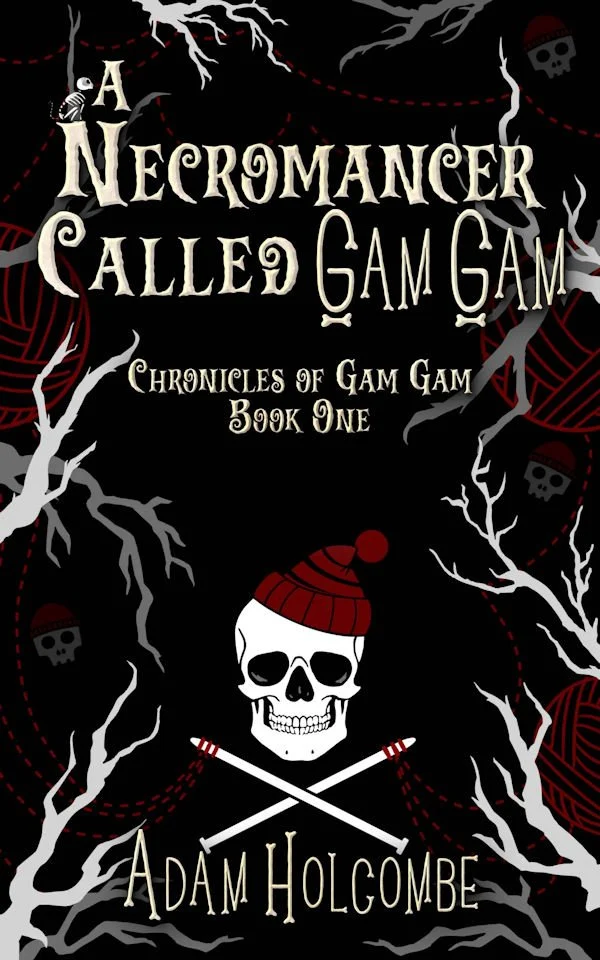
In the quiet, fleeting moments between the demands of modern life—the school pickups, the medical appointments, and the relentless hum of a digital economy—a profound crisis is unfolding. For writers and creators, the landscape has shifted from a pursuit of artistry to a grueling, unending marathon of "out-machining the machines." As the influence of generative AI and algorithmic curation permeates the publishing industry, a growing movement of authors is choosing to reject the speed-obsessed status quo in favor of a radical, imperfect humanity.
The Algorithmic Hamster Wheel: A Crisis of Creativity
For the contemporary writer, the "hamster wheel" is no longer a metaphor; it is a lived reality. The pressure to feed the insatiable maw of Amazon’s recommendation engines and social media algorithms has turned the act of creation into a volume-based race. Authors are expected to produce content at a pace that often sacrifices depth for discoverability.

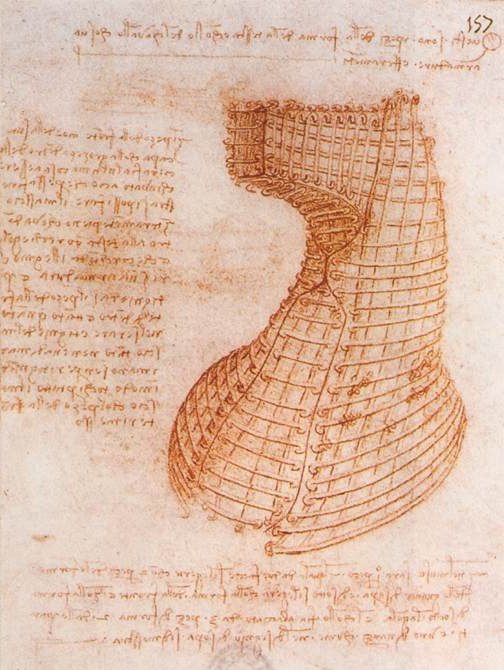
This struggle is not entirely new, but its current iteration is uniquely draining. History provides us with cautionary tales of the creative toll. Leonardo da Vinci, for instance, spent a decade attempting to cast a colossal bronze horse for the Duke of Milan, only to see his labor rendered moot when the materials were repurposed for cannons and his clay model served as target practice. Da Vinci faced the ego-bruising insults of rivals like Michelangelo, yet even his struggle was defined by physical reality—not the existential threat of a synthetic entity capable of mimicking his brushstrokes in milliseconds. Today’s creators face a new, haunting reality: the potential theft of their unique intellectual DNA to train models that churn out "AI slop."
Chronology of a Creative Burnout
The shift in the publishing ecosystem can be traced through several distinct stages of technological integration:

- 2020–2022: The early adoption of AI tools for minor copyediting and productivity. During this phase, many saw AI as a helpful, if rudimentary, assistant.
- 2023: The "Great Flooding." Generative AI models became widely accessible, leading to an explosion of low-quality, automated content on self-publishing platforms, forcing traditional and indie authors into an defensive stance.
- 2024–2025: The "Burnout Peak." As algorithmic requirements for visibility became increasingly complex, writers reported a significant decline in mental health and a sharp increase in burnout, often fueled by the need to work in the "in-between" hours—during meals, commutes, and sleepless nights.
- 2026 (The Current Moment): The rise of the "Human Resistance." A counter-movement has emerged that prioritizes emotional resonance and the "imperfections" of human writing as a badge of authenticity.
The Data of Discontent: The High Cost of Staying Relevant
The economic implications for writers are stark. A recent, informal survey of independent authors suggests that the average writer is sacrificing sleep and health to keep pace with industry demands. Many writers, particularly those balancing caregiving duties, report averaging fewer than five hours of sleep per night.
Furthermore, the shift in how readers perceive "human" writing is gaining traction. Emerging trends suggest that minor, authentic imperfections—such as the occasional typo or unconventional syntax—are being viewed by some as an indicator of human authorship. In a world where AI-generated text is often clinically "perfect" yet devoid of soul, the presence of human error is becoming a tangible form of resistance. It is an ironic reversal; where once indie writers spent countless hours scrubbing their manuscripts for errors to gain professional legitimacy, they are now finding that the "quirks" of human expression serve as a necessary watermark of authenticity.
Official Responses and Industry Sentiment
While no major publishing house has officially endorsed the "intentional error" movement, the industry is grappling with the ethical implications of AI. Literary agencies and guilds are increasingly focusing on copyright protection for human-authored works, and there is a growing consensus that the "Human-Made" label may eventually become a premium market differentiator.
"The machines are as bad as ever," says one prominent indie author. "But the light is coming from those who have decided that if we cannot beat the machines at their own game of volume and speed, then we should stop playing that game entirely." The focus is shifting from "how much can I produce?" to "how much of myself is present in this story?"
The Case for the Human: Curated Works of Resilience
If we are to survive the current deluge of content, we must look to stories that celebrate the messy, compassionate, and inherently fragile human condition. Below are five works that stand as bastions of human storytelling:
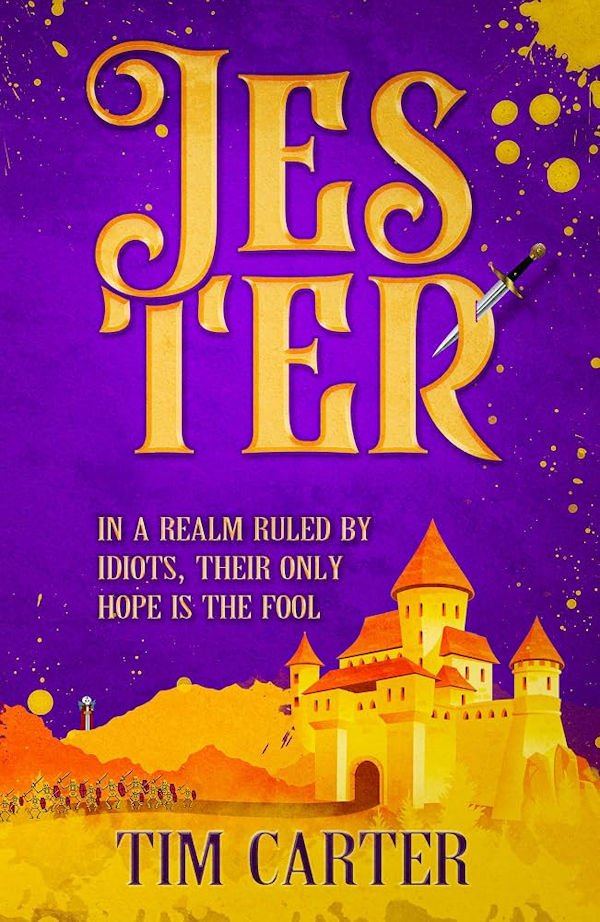
1. Jester by Tim Carter
A standout in the latest Self-Published Fantasy Blog Off (SPFBO), Jester offers a masterclass in the underdog narrative. By following a goblin latrine slave who ascends through wit and compassion, Carter reminds readers that heroism is not always about grand gestures, but about maintaining one’s humanity in the most degrading, "smelly" circumstances.
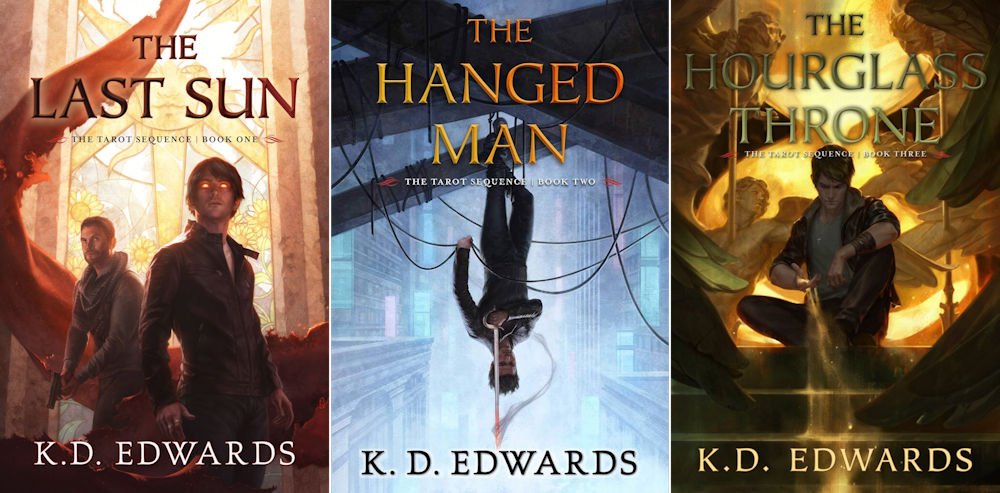
2. The Tarot Sequence series by K. D. Edwards
This series functions as a sanctuary for the reader. The bond between the protagonists, Rune and Brand, is a testament to the power of chosen family. It serves as a reminder that the most compelling stories aren’t always about the world-ending stakes, but about the profound comfort of connection.
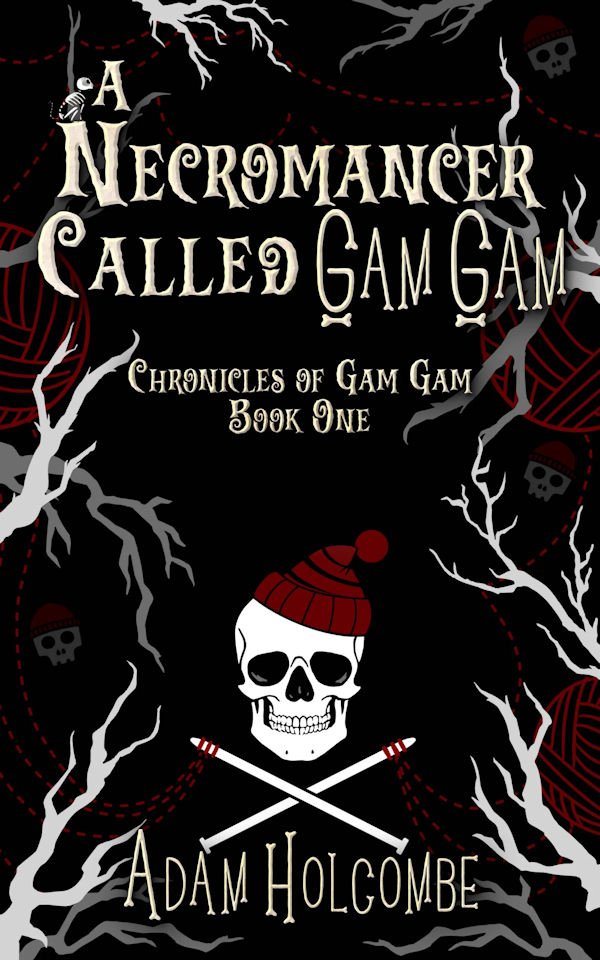
3. A Necromancer Called Gam-Gam by Adam Holcombe
This novella challenges the genre’s tropes by applying a "grim-cozy" lens to the heavy themes of grief and loss. It suggests that being human is not just about the triumphs, but about how we process the dark, often uncomfortable parts of our lives—a process AI cannot replicate.
4. Vita Nostra by Marina and Sergey Dyachenko
A profound philosophical exploration of what it means to be a person within a system that demands conformity. Despite its complex, grammar-based magic system, the core of the story remains a deeply human struggle to retain one’s identity when confronted by an inhuman, bureaucratic machine.
5. Year of the Reaper by Makiia Lucier
Set against the backdrop of post-war recovery, this novel explores the trauma of survival. It demonstrates that the path to reclaiming one’s humanity—through forgiveness, slow-building romance, and justice—is a uniquely human journey that requires patience and vulnerability.
Implications for the Future of Art
The rise of AI is not just a technological challenge; it is a psychological one. The temptation to "succumb to the gloom" is strong when the machine appears to be winning. However, the true value of art has never been its production speed or its adherence to an algorithm. Its value lies in the capacity for one human to communicate their existence to another.
As we move forward, the most successful writers will likely be those who lean into their own quirks, their own struggles, and their own unique, imperfect perspectives. We are in a battle for the soul of our stories, and the only way to win is to continue writing them, typos and all, with a persistence that no machine can simulate. We are, after all, in this together—not as parts of a production line, but as witnesses to the human experience.


 Nana Wu
 Ali Ikhwan





