Neng Nana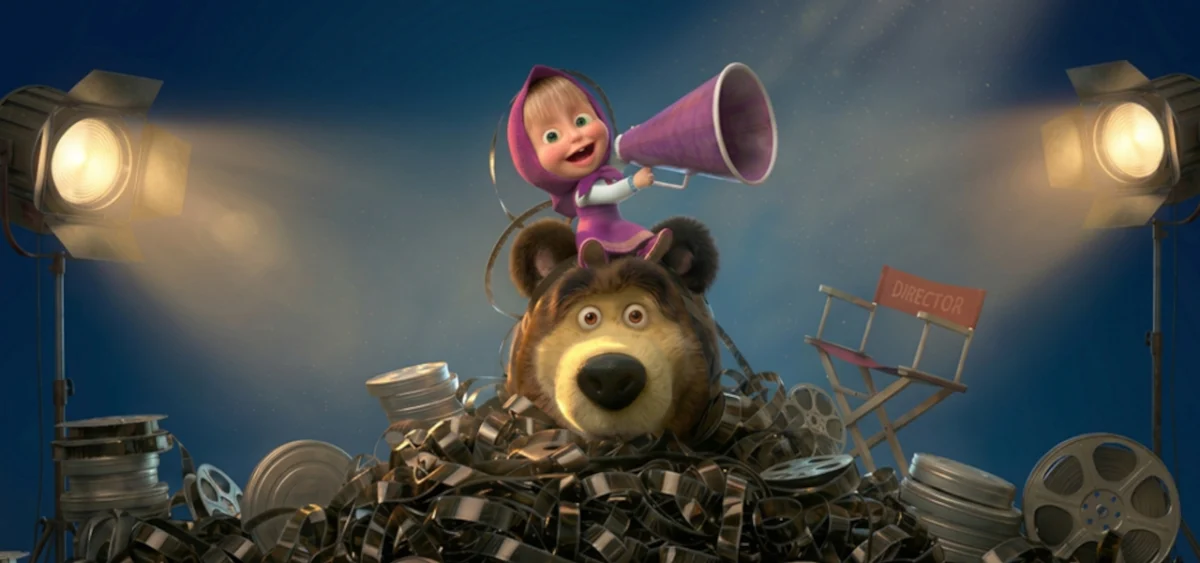
In a move that marks a significant shift in the landscape of children’s animation, Oleg Kuzovkov—the visionary creator behind the global phenomenon Masha and the Bear—has announced his return to the franchise. After the expiration of his long-standing licensing agreement with Animaccord, the production studio that steered the series to stratospheric heights over the last two decades, Kuzovkov is striking out on his own.
The creator has officially launched a new independent production house, Studio MiM LLC, and has set his sights on an ambitious new frontier: the first-ever feature-length film for the franchise. This transition represents not only a return to creative roots for Kuzovkov but a reimagining of one of the most successful digital-first intellectual properties (IP) in history.
The Genesis and Evolution of a Digital Titan
To understand the magnitude of this news, one must look back at the origins of Masha and the Bear. Conceived by Kuzovkov in the late 1990s, the series follows the comedic misadventures of a mischievous young girl named Masha and her patient, fatherly protector, a retired circus bear.
The series officially began its broadcast run in 2008 under the stewardship of Animaccord. What followed was an unprecedented trajectory. Unlike traditional animation franchises that relied on linear television gatekeepers, Masha and the Bear became the poster child for the "YouTube era" of children’s entertainment. By leveraging high-quality 3D animation—a rarity for web-based content at the time—and a near-universal, dialogue-light storytelling style, the show transcended language barriers with ease.
By the early 2020s, the franchise had become a ubiquitous presence in households worldwide. Its record-breaking success on YouTube, where individual episodes garnered billions of views, solidified its status as a cultural powerhouse. The show’s performance on platforms like Netflix consistently rivaled industry titans such as PAW Patrol, CoComelon, and Peppa Pig, cementing its place in the pantheon of modern children’s media.
Chronology: From Licensing Agreement to Independent Autonomy
The path to the current announcement has been one of quiet, behind-the-scenes restructuring. For years, Animaccord acted as the primary engine for the franchise’s commercial growth, merchandising, and distribution.
- 1990s: Oleg Kuzovkov conceives the concept and characters for Masha and the Bear.
- 2008: The series enters production under Animaccord, marking the beginning of its global expansion.
- 2010s: The franchise experiences exponential growth, eventually achieving the status of one of the most-watched non-music videos on YouTube, with specific episodes crossing the 4.6 billion-view threshold.
- Mid-2020s: As the original licensing agreement between Kuzovkov and the studio nears its conclusion, negotiations regarding the future of the IP reach a turning point.
- 2026 (Present): The licensing agreement with Animaccord expires. Kuzovkov formally establishes Studio MiM LLC, reclaiming exclusive creative control. The announcement of the first Masha and the Bear feature film is made.
- 2028 (Projected): The target completion date for the debut feature film.
Supporting Data: A Proven Track Record of Engagement
The commercial success of Masha and the Bear is backed by data that few animation studios can rival. The property’s dominance is defined by two primary factors: massive organic discovery and consistent long-term retention.
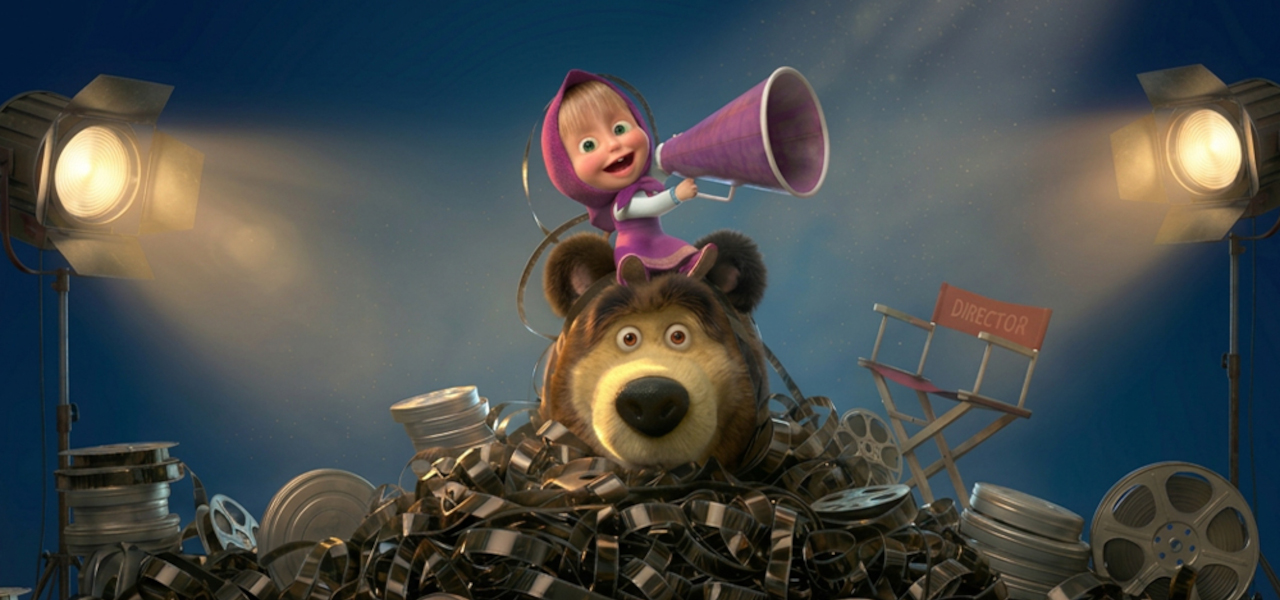
According to industry reports and platform metrics, the series holds the rare distinction of having the most-watched non-music video on YouTube. The implications of this are profound; it suggests that Masha is not merely a "show" but a "habitual watch" for global audiences. On streaming giants like Netflix, the show’s ability to remain in the "Top 10" lists across various territories years after its initial debut indicates a "sticky" IP that appeals to successive generations of preschoolers.
The move to feature film production is a logical, if daring, evolution. Historically, the leap from episodic streaming content to theatrical features is fraught with risk. However, with an established, multi-generational fanbase, Studio MiM is operating from a position of strength. The challenge will be translating a format that thrives on short, punchy, character-driven comedy into a cohesive, 90-minute narrative arc.
Official Responses and Creative Vision
In his first official statement regarding the launch of Studio MiM LLC, Oleg Kuzovkov emphasized the emotional weight of the project. He framed the transition not as a reboot, but as an expansion—a chance to delve deeper into the lore and character dynamics that were previously limited by the constraints of a seven-minute episodic format.
"I’m truly touched by this opportunity to expand the world of Masha and the Bear to its first long-form feature," Kuzovkov noted in the official press release. "It’s an exciting creative challenge—one that I wholeheartedly embrace—and my wonderfully creative and excited team is equally energized and eager to bring it to life with the same spirit, humor, and heart that made the old series so beloved."
The studio has been clear about its intentions to maintain the aesthetic integrity of the original. The "handcrafted" CG look—a hallmark of the series that balanced technical polish with a whimsical, storybook-like charm—will remain central to the production. Studio MiM has indicated that while the narrative will be "reimagined" to suit the feature format, the core comedic chemistry between the characters will be preserved.
Implications: The Future of Independent Animation
The emergence of Studio MiM LLC carries several implications for the animation industry at large.
1. The Power of the Creator
Kuzovkov’s move highlights a growing trend among veteran creators: the desire to reclaim ownership of their work once the initial rights agreements expire. In an era where IP is the most valuable commodity in entertainment, the ability to pivot an existing brand into a new, independent studio is a power move that could set a precedent for other creators of successful digital series.
.png)
2. The Shift to "Theatrical-Quality" Streaming
By moving into feature films, Studio MiM is signaling that the barrier between "YouTube content" and "cinema" is effectively dead. With the budget and production values of modern CG animation, the distinction is now purely a matter of distribution. The 2028 target for the film suggests a rigorous, high-end production schedule, implying that the film is intended to be a theatrical-grade product rather than a "direct-to-platform" special.
3. Market Saturation and Brand Loyalty
The preschool market is incredibly competitive. With giants like Disney, DreamWorks, and the aforementioned CoComelon constantly vying for attention, the Masha and the Bear film will need to differentiate itself. By moving away from the "television incarnation," Kuzovkov is betting that his audience has enough loyalty to follow the characters into a more sophisticated narrative structure.
4. Studio MiM as a New Player
The establishment of Studio MiM is not just about one film; it is about the birth of a new studio. If the Masha feature proves successful, Studio MiM could quickly become a formidable competitor in the independent animation space. The industry will be watching closely to see how the studio handles the logistics of long-form production, as well as their strategy for global theatrical or streaming distribution.
Conclusion
As the animation industry watches the progress of the upcoming Masha and the Bear feature, one thing is clear: the franchise is entering its most ambitious phase yet. With its creator back at the helm and a blank slate at Studio MiM, the potential for innovation is immense.
Whether the film can maintain the infectious, slapstick energy that captivated billions while evolving into a mature cinematic experience remains to be seen. However, given the track record of Oleg Kuzovkov, it would be a mistake to bet against the bear and his young charge. The next two years will be a period of intense development, but for millions of fans, the wait for a new, "reimagined" Masha is already underway.

 Lina Hope
 Pevita Pearce