

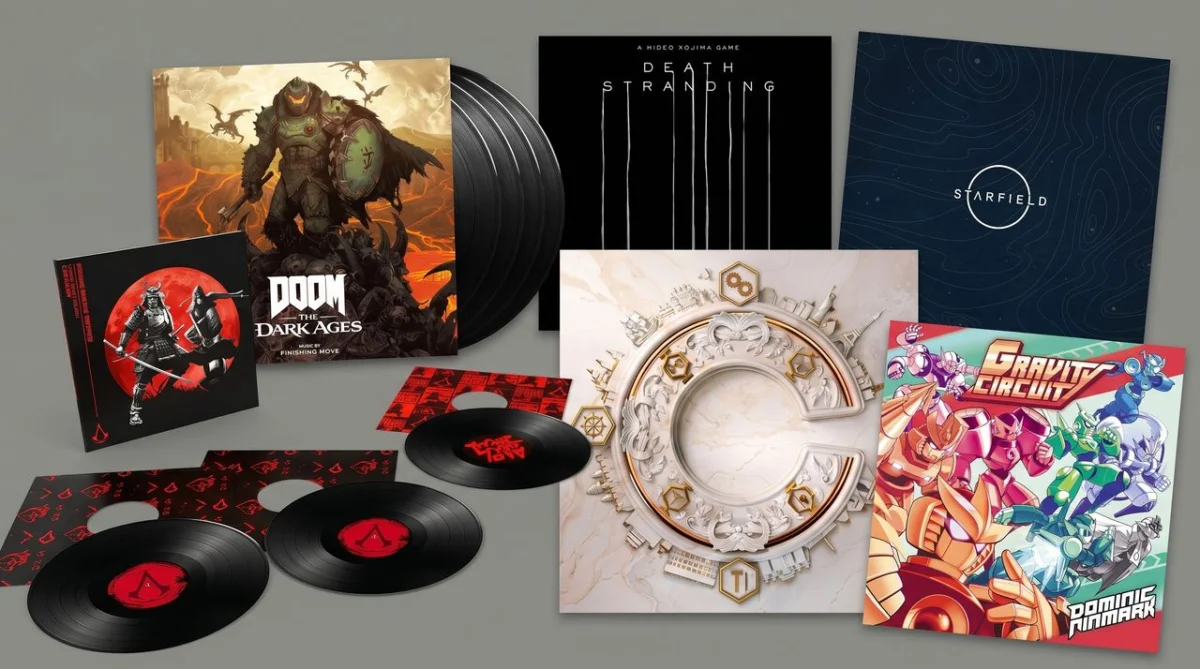
The intersection of high-fidelity audio and interactive entertainment has reached a fever pitch. In an era dominated by lossless streaming and algorithmic playlists, there is a defiant, tactile counter-movement gaining momentum: the video game vinyl soundtrack. For the modern enthusiast, a vinyl release is more than just a storage medium for music; it is a curated experience that bridges the gap between digital escapism and physical artistry.
A good vinyl soundtrack serves as a delicate balancing act between art and entertainment. The cover art—often commissioned as bespoke illustrations—transforms the album into a gallery-worthy piece, while the grooves inside hold the sonic keys to a player’s most profound gaming memories. Much like the resurgence of retro console gaming, the collection of these records is a pursuit of nostalgia, tangibility, and the preservation of a medium that shaped a generation.
Main Facts: The Intersection of Sound and Design
The current market for video game vinyl is not merely a niche hobby; it is a booming segment of the physical media industry. Driven by boutique labels such as iam8bit, Mondo, and Laced Records, video game soundtracks are being treated with the same reverence as classic rock or jazz reissues.
The appeal is multifaceted. First, there is the audiophile quality. Many game soundtracks are composed with orchestral precision, and the warmth of vinyl playback provides a depth that digital files often lack. Second, there is the tactile nature of the product. The oversized jacket allows for intricate gatefold art, translucent colored discs, and liner notes that provide historical context to the development of the game.
In our current selection, we are tracking several essential releases that define this trend:
- Death Stranding: A haunting, atmospheric masterpiece that translates perfectly to the slow, intentional spin of a turntable.
- Doom: The Dark Ages: Representing the aggressive, adrenaline-fueled side of the spectrum, proving that heavy metal gaming scores thrive on vinyl.
- Civilization: A series defined by its expansive, global soundscapes, making it an ideal candidate for long-form listening.
- Jesper Kyd’s Hitman 2 OST: A seminal work in the genre, showcasing how early 2000s electronic and orchestral hybrids have aged into classics.
- Pokémon: A surprising yet welcome entry into the "easy listening" category, demonstrating the versatility of game audio as background ambiance.
Chronology: The Evolution of the Gaming Soundtrack
To understand why we are here, one must look at the evolution of the gaming soundtrack as a legitimate musical form.
The 8-Bit Era (1980s)
The early days of gaming were restricted by sound chips that could only produce monophonic bleeps and bloops. Yet, composers like Koji Kondo (Super Mario Bros.) managed to create melodies so infectious they became global anthems. These soundtracks were never intended for home listening, yet they laid the foundation for the emotional attachment players have to game audio.
The CD-ROM Revolution (1990s)
With the introduction of the PlayStation and the Sega Saturn, storage capacity exploded. Games began utilizing Red Book audio, allowing for full orchestral scores and high-fidelity electronic beats. This was the era where game music began to be treated as a legitimate artistic pursuit, with the Final Fantasy series leading the charge in symphonic storytelling.
The Vinyl Renaissance (2010–Present)
Around 2010, boutique labels began experimenting with limited-run vinyl pressings of game soundtracks. What started as fan-service projects quickly evolved into a high-end collector’s market. By 2020, major labels began prioritizing vinyl pressings alongside digital launches, acknowledging that the gaming audience was willing to pay a premium for physical, high-art representations of their favorite games.
Supporting Data: The Market Dynamics
According to recent industry reports on physical media consumption, vinyl record sales have seen consistent year-over-year growth, with the "Soundtrack" category—specifically video game and film—acting as a major catalyst.
Data from retailers suggests that:
- Retention Rates: Collectors who purchase one video game vinyl are 70% more likely to purchase another within six months.
- Demographics: The primary demographic consists of consumers aged 25–45, who possess both the disposable income to afford boutique pressings ($40–$100 per unit) and the emotional connection to the "golden age" of gaming.
- Resale Value: Limited-edition colored vinyl pressings of popular titles, such as The Last of Us or Cyberpunk 2077, have been shown to appreciate in value by 150% to 300% on the secondary market, solidifying these items as both consumer goods and investment assets.
Official Responses and Creative Vision
The shift toward vinyl has not gone unnoticed by the industry’s top composers. In recent interviews, industry legends have expressed their enthusiasm for the medium.
"When I write for a game, I’m thinking about the player’s journey," notes a prominent industry composer. "When that journey is immortalized on a physical disc, it changes the relationship. The listener isn’t just playing the game anymore; they are sitting down to actively listen to the narrative arc. It’s a return to the album-as-a-whole experience that streaming has largely erased."
Publishers are equally invested. By partnering with independent art studios to create exclusive cover art, they are effectively turning these soundtracks into "lifestyle products." The goal is to make the vinyl a centerpiece of a home office or living room, signaling the owner’s identity as a gaming enthusiast.
Implications: The Future of Game Music
The rise of the video game vinyl has significant implications for how we view digital art.
1. The Preservation of Digital Heritage
Video games are inherently ephemeral. Servers shut down, consoles break, and software becomes incompatible with modern operating systems. Vinyl serves as an analog backup—a way to ensure that the musical identity of a game survives long after the digital code has become obsolete.
2. Validating Gaming as High Culture
For years, gaming struggled to be recognized as a medium equal to cinema or literature. By elevating game music to the same physical stature as a Beethoven symphony or a Miles Davis record, the industry is effectively cementing the status of game music as a cornerstone of modern composition.
3. The Boutique Label Economy
The success of this market has created a new ecosystem of designers, engineers, and distributors. This allows for small, creative teams to thrive by producing high-quality, limited-edition products, rather than relying on the mass-market production cycles of traditional record labels.
Conclusion
As we look toward the future, the video game vinyl trend shows no signs of waning. Whether you are spinning the chaotic, industrial soundscapes of Doom or the serene, nostalgic melodies of Pokémon, you are participating in a ritual that honors the marriage of technology and emotion.
These soundtracks are not just relics of the past; they are the artifacts of our current culture. They remind us that behind every pixel, every line of code, and every complex gameplay mechanic, there is a heartbeat—a melody that tells our story back to us. For the collector, the needle drop is the moment the game truly begins again.
Are you an avid collector of gaming soundtracks? Stay ahead of the curve by signing up for our daily newsletter, where we track the latest releases, vinyl restocks, and exclusive interviews with the composers shaping the future of interactive audio.









No comments yet. Be the first to join the conversation!