Sagoh
Sagoh
Since its debut on Prime Video, The Boys—the irreverent, blood-soaked adaptation of Garth Ennis and Darick Robertson’s seminal graphic novels—has redefined the superhero genre. By stripping away the caped crusader romanticism and replacing it with cynical corporate satire and visceral violence, the show built a massive, dedicated following. With the series finale of the main show now behind us and the dust settling on the two-season run of the spin-off Gen V, we have reached the end of an era for the "Vought Cinematic Universe."
As the franchise prepares to pivot toward prequels like Vought Rising and The Boys: Mexico, we reflect on the complete narrative arc of the Seven-season saga. Below, we rank every season of The Boys and Gen V from worst to best, examining where the series hit its satirical peaks and where it lost its way.
7. The Boys: Season 4
The Descent into Stagnation
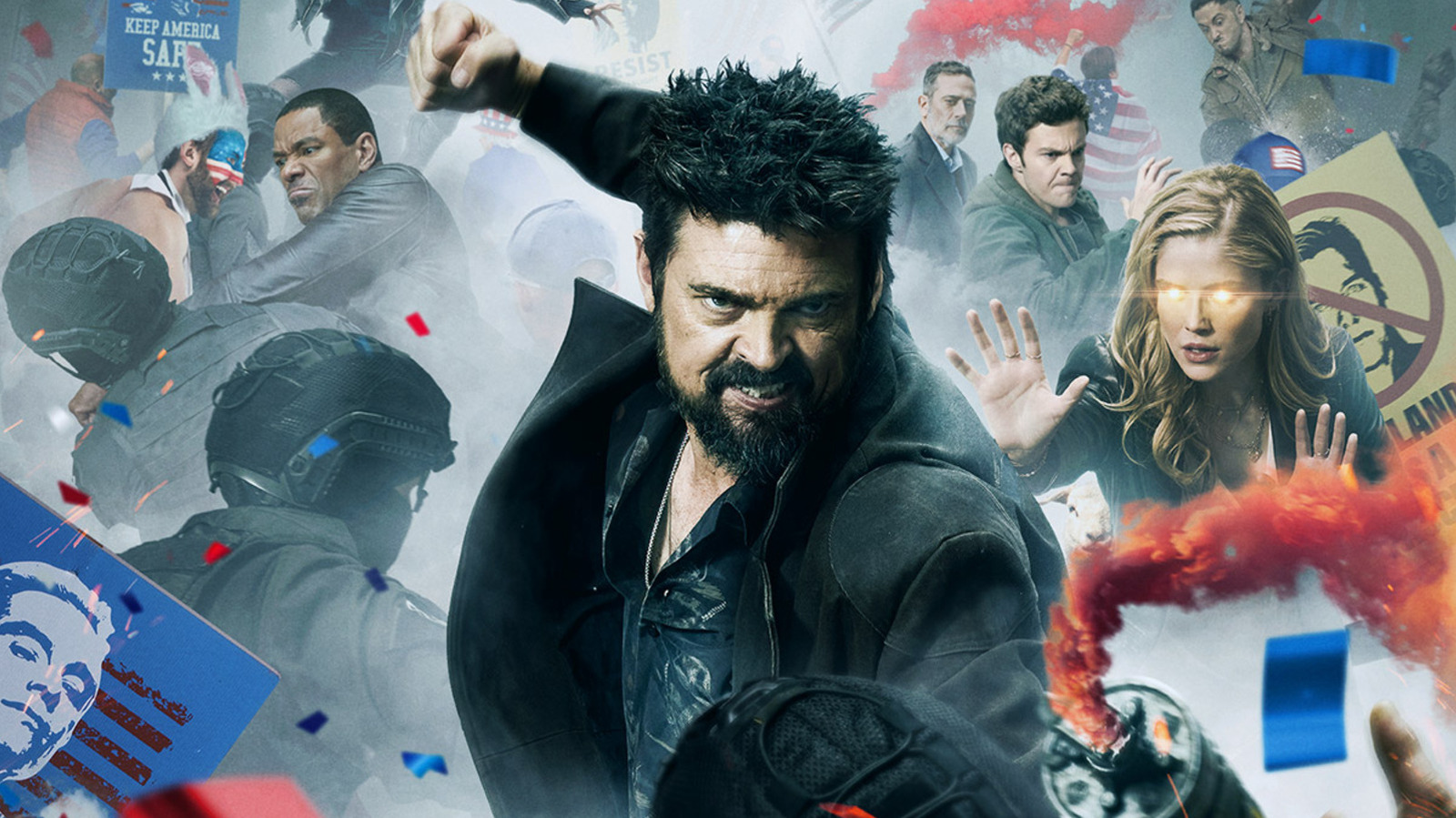
Season 4 is widely regarded by critics and the core fanbase as the series’ nadir. While it contains high-water marks—most notably the surprisingly nuanced redemption arc for A-Train (Jessie T. Usher)—the season suffers from a pervasive sense of "treading water."
The central issue was the structure. Knowing a final season was on the horizon, Season 4 felt like a collection of narrative holding patterns. Subplots, such as Frenchie’s (Tomer Capone) romance with Colin, felt disconnected from the main stakes, serving only to separate key team members rather than drive the plot forward. Furthermore, the political satire, which was once the show’s sharpest weapon, began to feel performative, relying on "buzzword" references rather than genuine societal insight. While Antony Starr’s performance as Homelander remained unparalleled, the character’s arc felt cyclical, and the controversial finale sparked backlash for its handling of sensitive themes, leaving many fans feeling that the show had lost its narrative North Star.
6. The Boys: Season 5
The Burden of a Compressed Finale
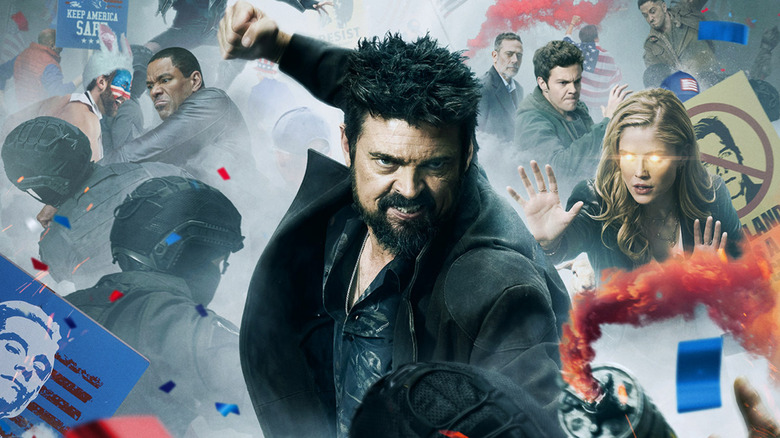
The final chapter of The Boys represents a paradox of television production: a season that bookends itself with brilliance while sagging under the weight of an aimless middle. The premiere, "Fifteen Inches of Sheer Dynamite," suggested a high-octane conclusion, but the pacing quickly faltered.
Episodes like "King of Hell" and "The Frenchman, the Female, and the Man Called Mother’s Milk" were frequently criticized as "filler," wasting precious screen time on character beats that failed to advance the endgame. The decision to immediately fold Billy Butcher (Karl Urban) back into the main group—after the dramatic, rogue cliffhanger of Season 4—felt like a deflation of character stakes. While the series finale, "Blood and Bone," provided a cathartic conclusion, it was forced to do too much heavy lifting. By delaying the inevitable confrontation until the final hour, the show missed the opportunity to allow the resolution of its decade-long conflict to truly breathe.
5. Gen V: Season 1
The Satirical Paradox
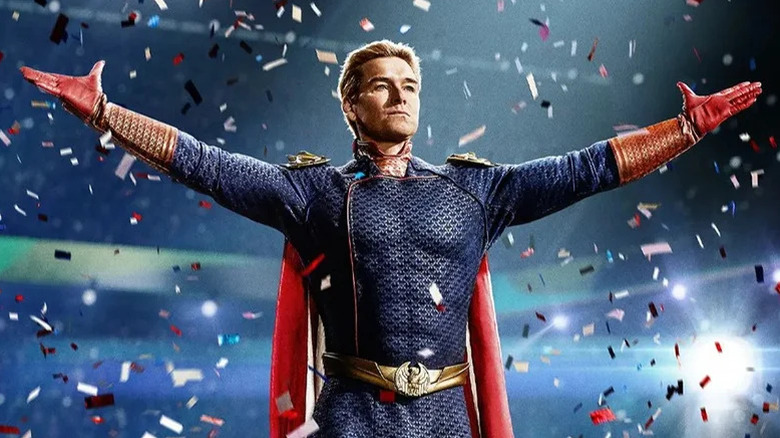
Gen V faced an uphill battle from its inception. The central thesis of The Boys is a scathing critique of corporate-owned, franchise-saturated superhero media. By launching its own spin-off, Gen V was inherently forced to participate in the very "corporate IP expansion" it was meant to mock.
Despite this fundamental irony, Season 1 proved to be a surprisingly effective expansion of the universe. By focusing on the younger generation at Godolkin University, the show provided a grounded, gritty perspective on the Vought machine. Lead actress Jaz Sinclair (Marie Moreau) and Lizze Broadway (Emma Meyer) anchored the show with genuine performances that balanced the series’ trademark excess. While it never fully transcended the "shared universe" trap, it remained a fun, subversive romp that proved there was life in the franchise beyond the main cast.
4. Gen V: Season 2
A Masterclass in Villainy
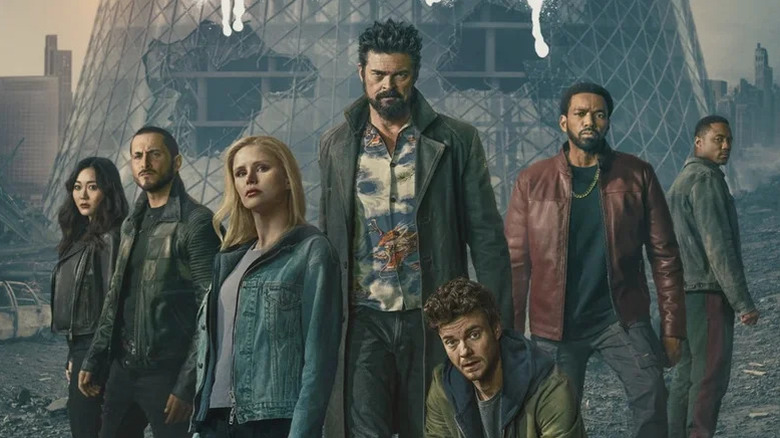
What gives Season 2 the edge over its predecessor is the introduction of Hamish Linklater as the new Dean of Godolkin, Cipher. A psychic super-supremacist, Cipher is a chilling addition, providing a psychological threat that matches Homelander’s intensity with a more sardonic, detached cruelty.
The season also deserves commendation for its handling of real-world tragedy. Following the sudden death of star Chance Perdomo, the writers opted to write his character, Andre Anderson, out of the story with dignity. By allowing the cast to channel their genuine grief into their performances, the season achieved a level of emotional gravitas that the main series occasionally struggled to replicate. It remains the most focused entry in the spin-off’s short history.
3. The Boys: Season 3
Escalation and Excess
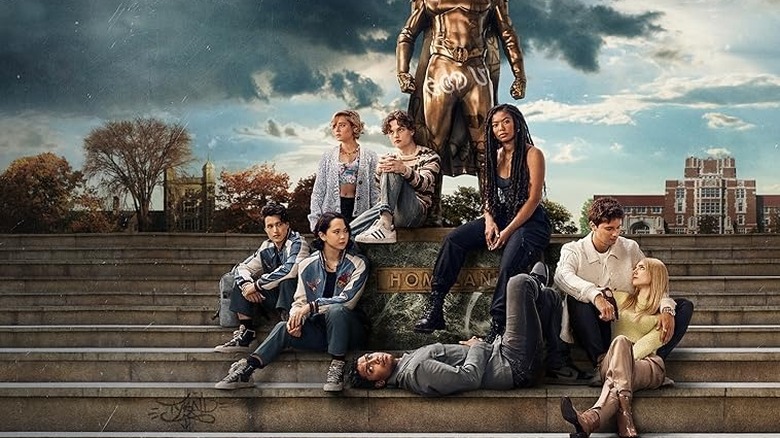
Season 3 was a spectacle of highs and lows. It introduced the audience to Soldier Boy (Jensen Ackles), who injected the show with a new level of charisma and classic "old-school" menace. The sixth episode, "Herogasm," is rightfully cited as the series’ pinnacle of action, featuring a chaotic, multi-pronged confrontation that set a new bar for television set-pieces.
However, the cracks began to show. The finale, "The Instant White-Hot Wild," was criticized for "chickening out" on the promised shift in the status quo. By forcing Soldier Boy into the role of the final villain—despite Homelander’s clear moral depravity—the show began to prioritize plot survival over thematic consistency. It was the moment the fanbase began to collectively wonder: how long can this cycle of destruction realistically continue?
2. The Boys: Season 2
World-Building and Radicalization
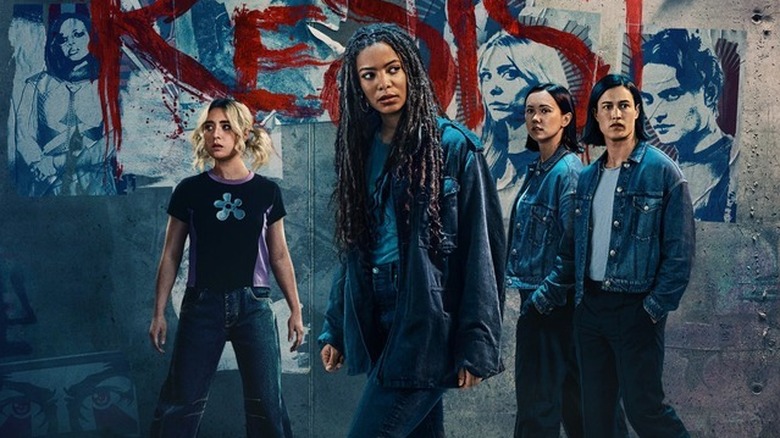
Season 2 is often cited as the point where The Boys surpassed its source material. The decision to focus on Becca (Shantel VanSanten) and Ryan, Homelander’s son, transformed the show from a simple revenge story into a complex drama about the nature of nurture and the burden of power.
The introduction of Stan Edgar (Giancarlo Esposito) provided the perfect foil for Homelander—a man who viewed the "world’s most powerful man" as a mere corporate product. Furthermore, the show’s handling of Stormfront (Aya Cash) and the mechanics of internet radicalization was prescient, sharp, and terrifying. The season finale’s "Girls Get It Done" moment remains one of the most satisfying sequences in the entire franchise.
1. The Boys: Season 1
The Gold Standard of Subversion
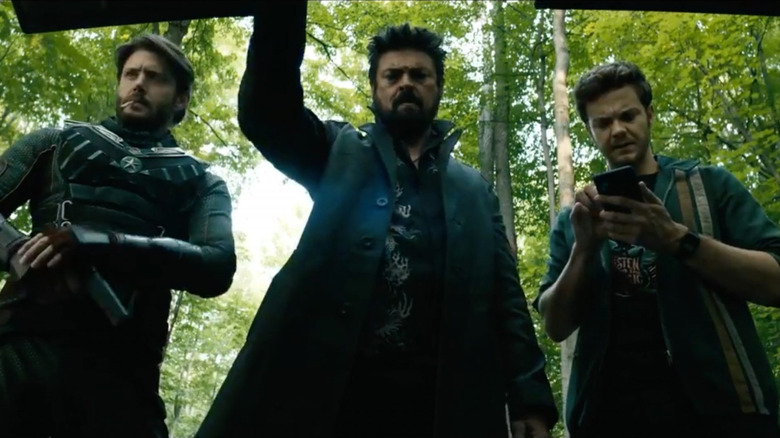
The inaugural season remains the definitive The Boys experience. It was meaner, tighter, and far more focused than any subsequent outing. In the beginning, the stakes felt personal: the Boys were not superheroes; they were desperate, outclassed underdogs trying to survive a world that treated them as collateral damage.
The terror in Season 1 was palpable because the "Supes" felt truly untouchable. The episode "The Female of the Species," which featured Homelander leaving a plane full of civilians to die, remains the most iconic and chilling moment in the series. It established Homelander not as a villain who wants to take over the world, but as a sociopathic celebrity who simply doesn’t care if it burns. The social commentary in Season 1 was less about fleeting internet trends and more about the fundamental, ugly reality of corporate accountability. It was a perfect, gritty, and lean introduction to a world we would spend the next seven years obsessed with.
Final Implications: The Legacy of Vought
As we look back, the The Boys franchise leaves behind a complicated legacy. It succeeded in changing the landscape of modern television, proving that audiences were hungry for a darker, more biting take on the superhero mythos. However, the struggles of the final two seasons suggest that even the best satire can eventually fall victim to the "franchise fatigue" it once mocked.
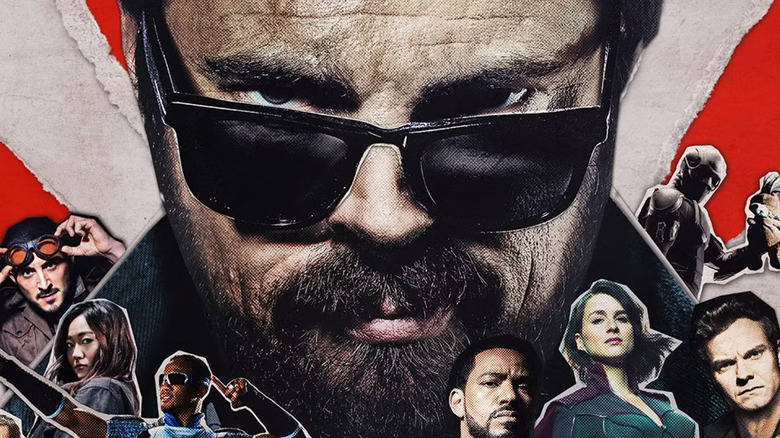
Whether the VCU can maintain its momentum without its central anchors remains to be seen. But for now, the story of Billy Butcher and Homelander stands as a testament to the power of provocative, high-concept storytelling.


 Reynand Wu
 Layla Zulfa