

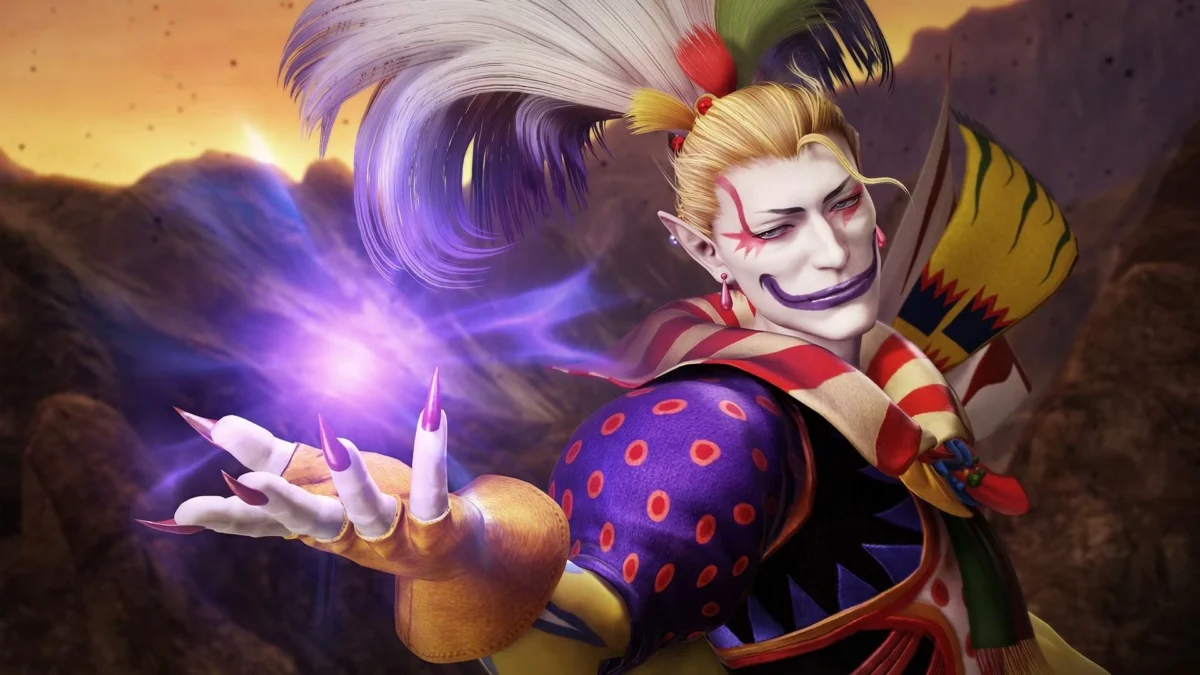
The landscape of modern game development is currently defined by a volatile tension between technological ambition and artistic integrity. Nowhere is this more apparent than in the recent firestorm ignited by a fan-made, AI-generated concept trailer for a Final Fantasy 6 remake. What began as a seemingly innocuous social media post by Hironobu Sakaguchi, the legendary creator of the Final Fantasy franchise, quickly spiraled into a heated public debate, highlighting the widening chasm between industry titans and the audience that consumes their work.
As the industry navigates the integration of generative AI, the Final Fantasy 6 incident serves as a critical case study. It exposes not just the technical limitations of current synthetic media, but the profound emotional and ethical investment fans have in the sanctity of human-led creative direction.
The Chronology of a Viral Misunderstanding
The controversy erupted in late May 2026, when a piece of fan-created content began circulating on social media platforms. The video, a sophisticated AI-generated trailer, attempted to visualize how a modern remake of the SNES classic Final Fantasy 6 might look using contemporary graphical fidelity.
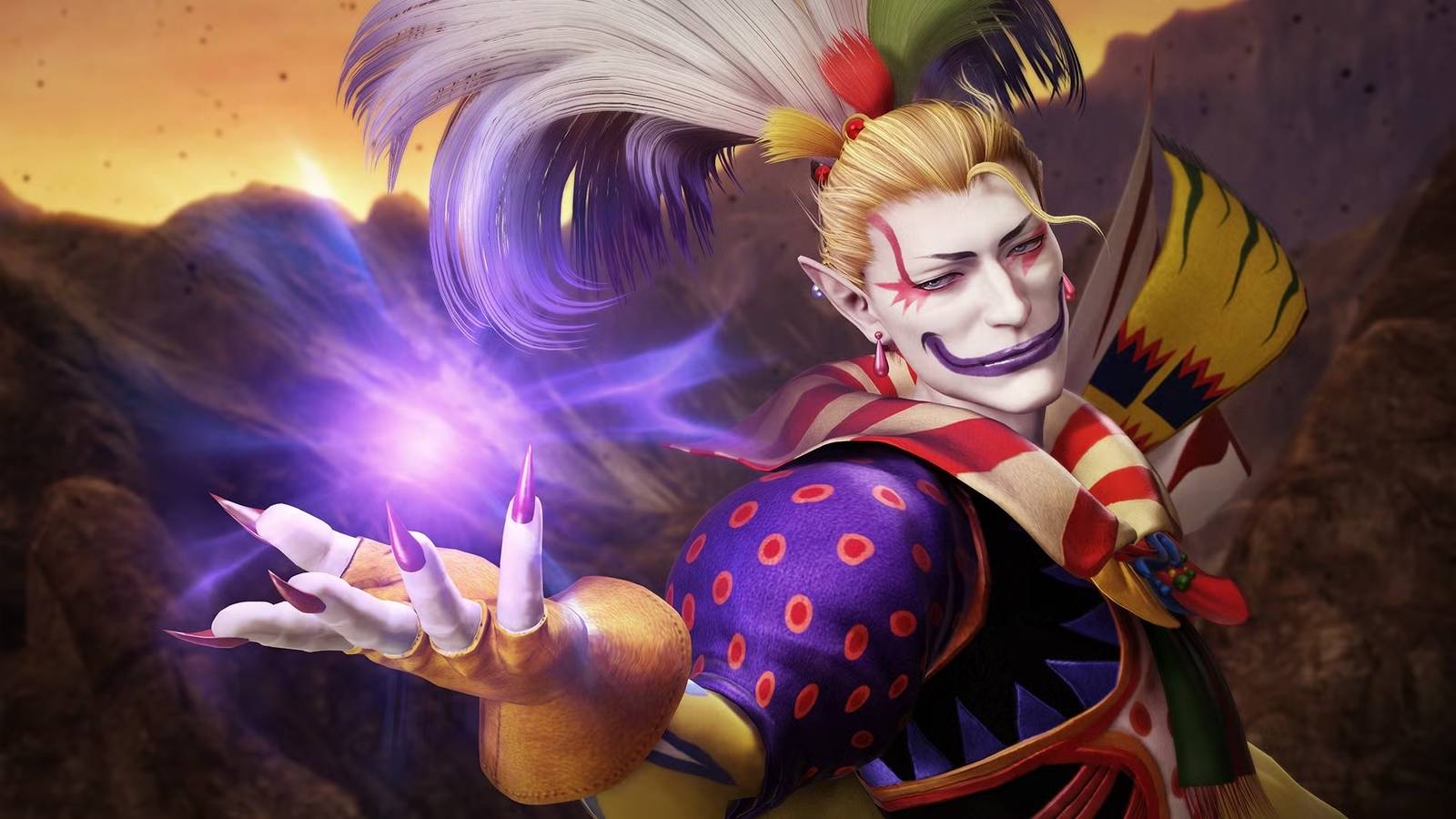
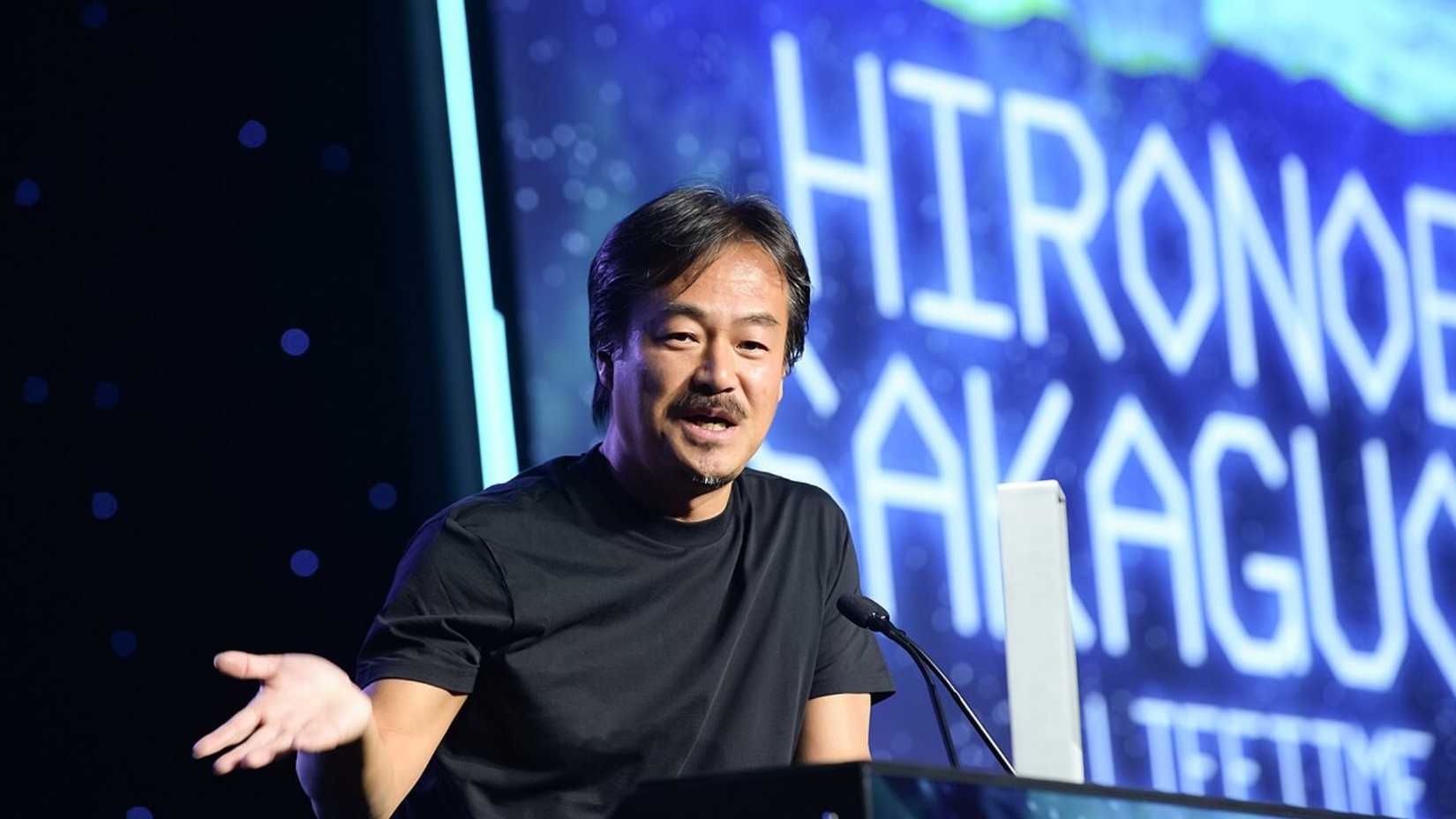
Hironobu Sakaguchi, the visionary who birthed the series in 1987, encountered the video and shared it on his social media profile. His intent, according to his subsequent clarifications, was to express an intuitive excitement regarding the potential of a high-fidelity Final Fantasy 6 remake. However, the nuance of his appreciation was lost in the digital echo chamber. Fans, already on high alert due to a climate of aggressive corporate pushes toward generative AI in gaming, interpreted the endorsement as a tacit approval of AI-generated content.
The backlash was swift and vitriolic. Supporters of the franchise—who hold the original Final Fantasy 6 as a pinnacle of JRPG storytelling and pixel-art mastery—viewed the AI trailer as an affront to the human artistry that defined their childhoods. The discourse quickly shifted from a conversation about a desired game remake to a broader condemnation of the "AI-slop" that many fear is diluting the creative spirit of the gaming industry.
The Anatomy of the Backlash: Why Fans Are on Edge
To understand the intensity of the reaction, one must look at the recent trajectory of the games industry. In the last two years, major publishers have increasingly signaled a shift toward generative AI, citing efficiency, cost-reduction, and rapid asset generation. For players, this move feels less like an evolution and more like a surrender of quality.

When Sakaguchi posted, he inadvertently stepped into a pressure cooker. The audience’s reaction was not necessarily a reflection of their opinion on the man himself, but rather a manifestation of their exhaustion with corporate-led AI initiatives. The fear is palpable: if the "father" of the franchise appears to validate AI-generated visuals, does that clear the path for companies like Square Enix to automate the very soul of the next generation of games?
The public’s visceral response suggests that for many, the quality of a game is inextricably linked to the labor behind it. There is a deeply rooted belief that art requires human intent, struggle, and deliberate choice—elements that generative models, by design, lack.
Official Responses and the Need for Nuance
Recognizing the intensity of the public’s frustration, Sakaguchi took to social media to clarify his stance. He noted that the reaction was "wild" and served to illuminate the deep divide in modern gaming discourse. He clarified that his praise was directed at the "potential" for a remake and the visceral "vibe" of seeing the characters he created brought to life in a new light, rather than an endorsement of the technical tools used to create the video.
He famously remarked that the AI-generated work "is not gonna work as-is," acknowledging that the current iteration of the technology lacks the soul required for a true Final Fantasy experience.
Adding weight to the conversation was Akitoshi Kawazu, the creator of the SaGa series. In a poignant response, Kawazu urged caution, effectively acting as a bridge between the creator and the consumer. He noted that while Final Fantasy 6 is indeed perfectly suited for a 3D remake, the method of production matters. Kawazu’s intervention was significant because it validated the fans’ discomfort with the AI medium while simultaneously agreeing with the desire for a modernized version of the game.
Supporting Data: The Growing Industry Divide
The Final Fantasy 6 incident is not an isolated event; it is part of a broader trend of "AI-first" mandates in the industry. For example, reports throughout 2025 and 2026 have documented significant shifts in major publishers’ corporate strategies.
- Corporate Pivot: Recent partnerships between industry giants and AI research firms have raised concerns about the displacement of human artists, writers, and voice actors.
- The "Human-Made" Premium: A growing segment of the gaming community is beginning to actively seek out and support indie studios that have explicitly committed to avoiding generative AI, viewing it as a badge of quality and moral integrity.
- Developer Sentiment: While executives often tout AI as a tool for "augmentation," many mid-level developers and creative leads have expressed private concerns that the technology will eventually be used to bypass the creative process entirely, leading to a homogenization of game design.
The friction between these two poles—corporate efficiency and artistic purity—is creating a marketplace where "Human-Made" is becoming a premium label, much like "Hand-Crafted" in the food or fashion industries.
The Implications for Future Remakes
The implications for the Final Fantasy franchise, and the gaming industry at large, are profound. Final Fantasy 6 is more than just code; it is a cultural artifact. The prospect of a remake, while highly anticipated, is now shadowed by the question of how that remake will be crafted.
If Square Enix were to announce a remake of Final Fantasy 6 tomorrow, the public would likely scrutinize every frame for signs of algorithmic interference. The "Final Fantasy 6 AI Debacle" has set a new standard for developer transparency. Moving forward, creators will need to be explicit about their production pipelines. If they rely on AI, they will face a skeptical, if not outright hostile, audience. If they rely on human talent, they will need to communicate that as a core pillar of their marketing strategy to reassure fans.

Conclusion: A Turning Point for Creative Integrity
The divide between directors and audiences is not insurmountable, but it requires a fundamental shift in how the industry communicates the value of human labor. Hironobu Sakaguchi’s accidental dip into the AI controversy has provided a valuable, if painful, lesson: the audience is no longer willing to accept technological convenience at the expense of creative soul.
As the industry moves forward, the success of massive titles—including the upcoming conclusion of the Final Fantasy 7 remake trilogy—will depend on a commitment to the human element. The "vibe" that Sakaguchi sensed in the AI trailer is real—fans do want to see these worlds reborn. But they want those worlds to be built by human hands, with the same level of care, passion, and deliberate design that made the original games classics in the first place.
In the final analysis, the "AI-slop" debate is about more than just images on a screen. It is about the preservation of a medium that has historically been defined by its ability to tell human stories in ways that no other medium can. To protect that, the industry must listen to its audience, acknowledge the irreplaceable nature of human creativity, and ensure that the future of gaming is built on a foundation of intent, not just prediction.












No comments yet. Be the first to join the conversation!