

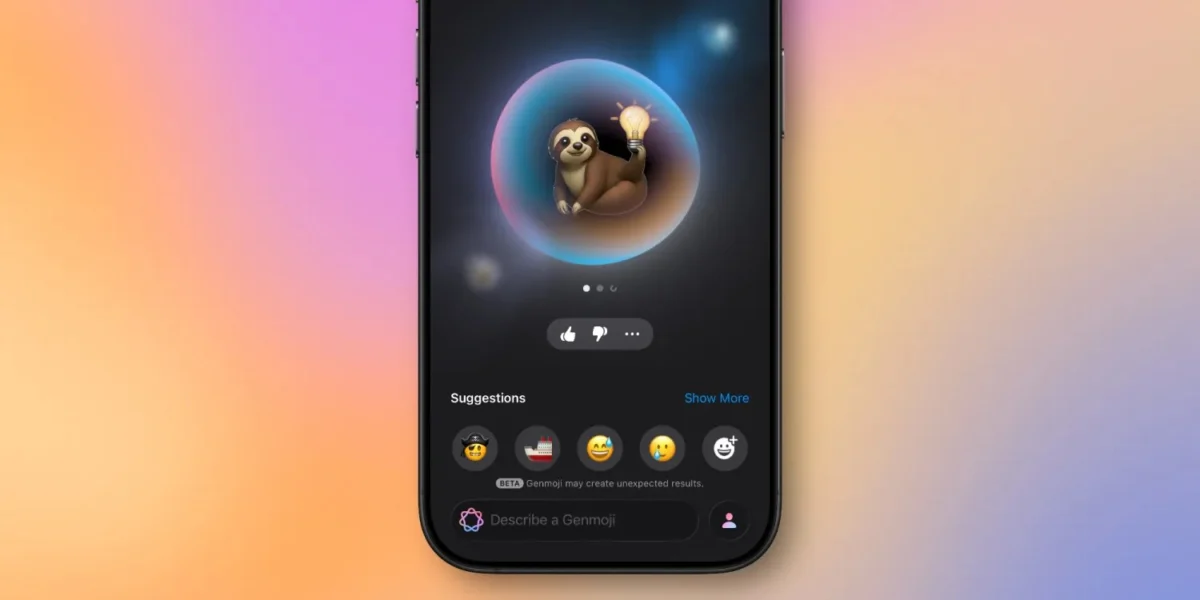
Since the inception of digital communication, the emoji has served as the universal shorthand for human emotion. From the humble yellow smiley face to complex, nuanced pictograms, emojis have bridged the gap between text and tone. However, the limitation has always been the static nature of the library. Apple’s introduction of "Genmoji"—the ability to generate custom emojis via AI—was a watershed moment in mobile messaging. Now, as reports emerge regarding the upcoming iOS 27, it appears Apple is preparing to push this technology from a novelty feature into a deeply personalized assistant.
According to the latest Power On newsletter from Mark Gurman, Apple is developing a sophisticated "Suggested Genmoji" feature for iOS 27 and iPadOS 27. By leveraging your personal photo library and frequent typing habits, Apple intends to make the creation of custom emojis as seamless as choosing a standard one from the existing Unicode catalog.
The Chronology of Genmoji: From Novelty to Necessity
To understand the significance of this impending update, one must look at the relatively short but rapid evolution of Apple’s generative image tools.
The Debut (iOS 18.2)
Genmoji first arrived with the initial rollout of Apple Intelligence. The promise was ambitious: a user could provide a simple text prompt—such as "a sloth wearing a space helmet"—and the system’s image generation models would render a graphic that mimicked the aesthetic of a standard emoji.
At launch, the technology was hailed as a creative breakthrough. Users could finally express highly specific emotions or scenarios that standard emojis simply couldn’t capture. However, early adopters noted that while the novelty was high, the execution was occasionally hit-or-miss. Sometimes the "emoji style" rendering would appear uncanny or struggle to capture the specific aesthetic constraints of a classic emoji.
The Expansion (iOS 26)
By the time iOS 26 rolled around, Apple had refined the engine. The update introduced deeper customization tools and, perhaps most impressively, the ability to "remix" two existing emojis into one. This allowed for greater fluidity in communication. If you wanted a "crying laughing" face but with a different set of eyes, or a combination of two different animals, the system became significantly more adept at blending them into a cohesive graphic.

The Next Frontier: iOS 27
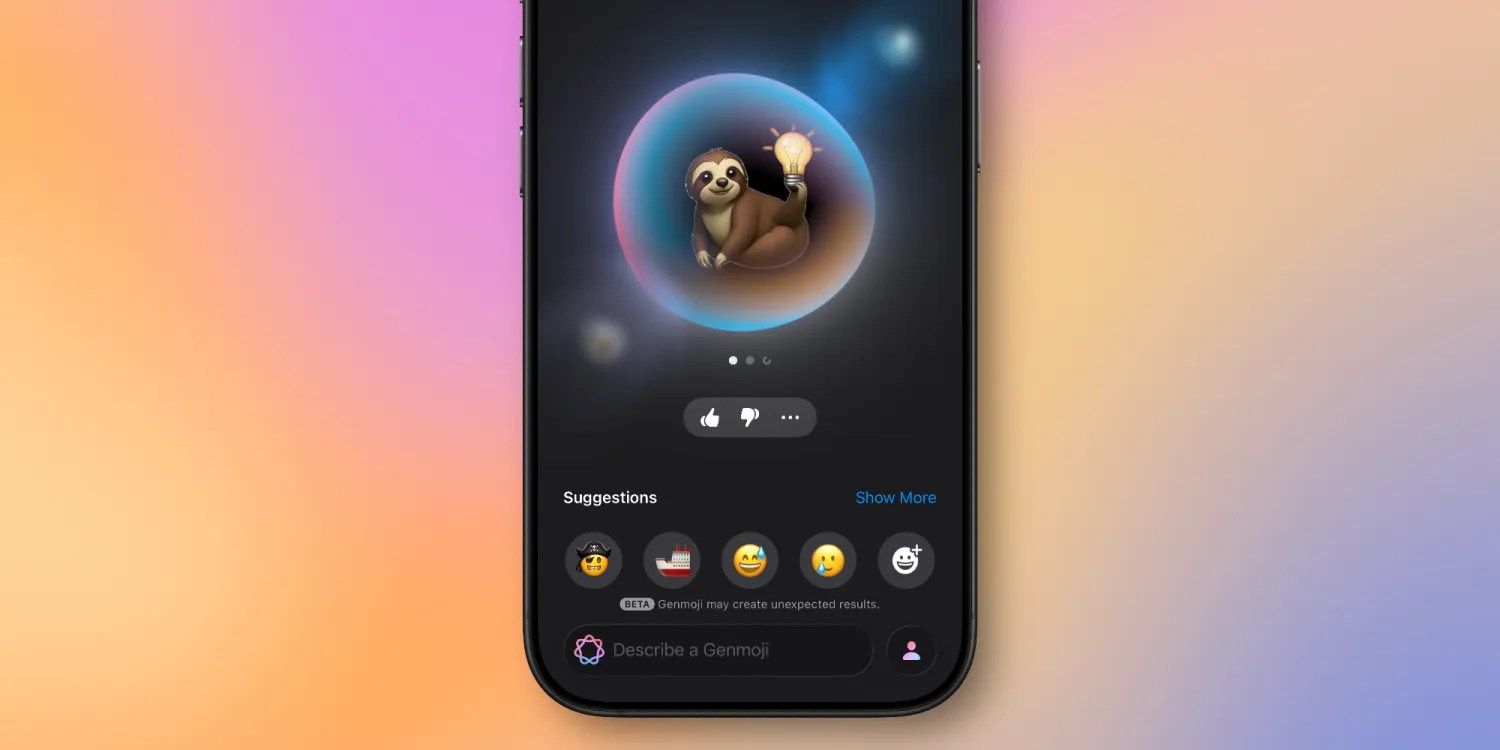
The upcoming iOS 27 update represents the third major act in this play. Rather than requiring users to manually prompt the system, Apple is moving toward proactive generation. By analyzing the context of your photo library and the phrases you frequently use in Messages, Mail, and third-party apps, the system will offer "Suggested Genmoji" that are contextually relevant to the conversation at hand.
How "Suggested Genmoji" Works: A Deep Dive
The core of this feature lies in a new toggle found within the keyboard settings of the iOS 27 beta. When enabled, the system uses on-device machine learning to parse your behavioral data.
Contextual Awareness
The "Suggested Genmoji" feature functions by bridging the gap between your personal media and your linguistic style. For instance, if your photo library contains frequent pictures of a specific pet, the system might learn to generate a Genmoji that reflects that pet’s likeness. Similarly, if your keyboard history reveals that you frequently use a specific phrase—perhaps a niche inside joke or a common sentiment—the system may suggest a custom-generated emoji that encapsulates that phrase perfectly.
The Privacy Paradigm
As with most AI-driven features in the Apple ecosystem, privacy remains the central pillar. While the feature relies on personal data, the "on-device" nature of Apple’s architecture is expected to remain intact. By processing this data locally, Apple aims to prevent sensitive photos or personal text from being uploaded to the cloud for processing. This is a critical distinction, as it mitigates concerns regarding the mass surveillance of user habits to generate creative content.
Implications for Digital Communication
The shift toward suggested, AI-generated content carries significant implications for the future of social interaction and user interface design.
1. The Death of the "Generic" Emoji
For years, communication has been constrained by the Unicode Consortium’s slow update cycle. If you wanted a specific type of food or a particular animal, you had to wait months or years for a standardized update. Genmoji effectively bypasses this bottleneck. With iOS 27, the library of emojis becomes theoretically infinite. This marks a transition from "standardized expression" to "personalized expression."
2. Streamlining the UX
One of the biggest friction points for Genmoji in its current form is the "blank canvas" problem. Users often don’t know what to prompt. By suggesting emojis based on history, Apple is reducing the cognitive load required to use the feature. If the user doesn’t have to think about what to create, they are significantly more likely to use the tool. This is a classic example of Apple’s design philosophy: moving from a tool that can do something to a tool that anticipates what you want to do.
3. The "Uncanny Valley" Risk
While the technology is impressive, there is a lingering risk. Generative AI occasionally produces "hallucinations" or visual artifacts that can look bizarre or off-putting. For a feature intended for casual, fun conversation, an "ugly" or "weird" emoji can ruin the tone of a message. Apple will need to ensure that the quality control of these suggested images remains high to avoid user frustration.
Industry Response and User Reception
While Apple has not yet issued a formal press release detailing the nuances of iOS 27, the industry response has been one of cautious optimism. Analysts suggest that this move is a clear attempt to boost the "adoption rate" of Apple Intelligence. By making the features more useful in daily life rather than just a "toy," Apple is cementing the value proposition of its latest hardware and software.
However, there is a segment of the user base that may find the idea of an AI scanning their photos to suggest emojis to be slightly invasive. To combat this, Apple has wisely included an "off" switch for the feature. This is a vital concession to those who value their digital privacy above convenience.
Future Outlook: Where Does Genmoji Go From Here?
Looking beyond iOS 27, the trajectory for Genmoji is clear. We are moving toward a future where "emojis" are no longer static assets, but dynamic, animated, and perhaps even video-based expressions.
Integration with Other Services
One could easily imagine a future where these suggested Genmoji are compatible with third-party social media platforms like WhatsApp, Telegram, or Discord, allowing for a truly unified messaging experience.

The Role of LLMs
As Large Language Models (LLMs) continue to improve, the accuracy of these suggestions will likely increase. Imagine a system that doesn’t just look at your keyboard history, but understands the emotional context of the conversation. If you are typing about a stressful day at work, the AI might suggest a Genmoji of a tired face wearing a suit—a level of nuance that goes beyond simple keyword matching.
Final Thoughts: A New Language of Connection
The evolution of Genmoji is a microcosm of the broader shift in technology. We are moving away from software that requires explicit commands toward software that understands our context. While it may seem like a trivial feature, the ability to quickly and accurately express oneself through custom, context-aware imagery is a powerful tool.
As iOS 27 approaches its full release, the focus will shift from the novelty of "making an emoji" to the utility of "communicating faster." If Apple can balance the privacy concerns with a seamless user experience, Genmoji could eventually replace the standard emoji keyboard entirely, turning our phones into a canvas that reflects our personal lives in every message we send.
For now, the wait continues. But one thing is certain: the way we say "I’m happy" or "I’m tired" is about to get a lot more personal. Apple is betting that, in the future, the best way to say something is not with a standard, yellow face, but with a creation that is uniquely, undeniably yours.












No comments yet. Be the first to join the conversation!