

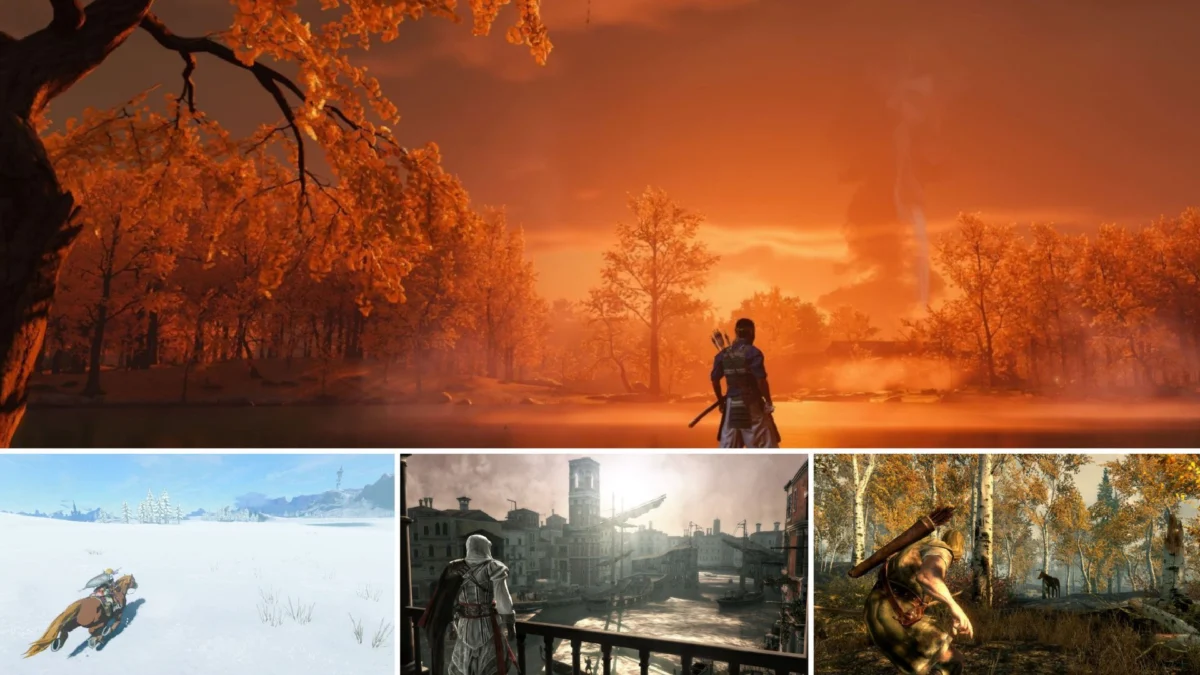
In the modern era of AAA game development, the "ubiquitous map" has become both a blessing and a curse. Open-world titles are often cluttered with icons, waypoints, and objective markers that effectively turn the act of exploration into a glorified delivery mission—a checklist to be completed rather than a world to be discovered. However, a specific breed of game design encourages the opposite: the intentional "get lost" philosophy.
When players stop following the glowing breadcrumbs of a HUD map and start looking at the horizon, the experience changes fundamentally. The game stops being a series of tasks and starts being a lived-in journey. Here, we explore ten titles that reward the adventurous soul, proving that sometimes, the best way to find yourself is to lose your way entirely.
1. The Legend of Zelda: Breath of the Wild
You’re Meant to be Curious
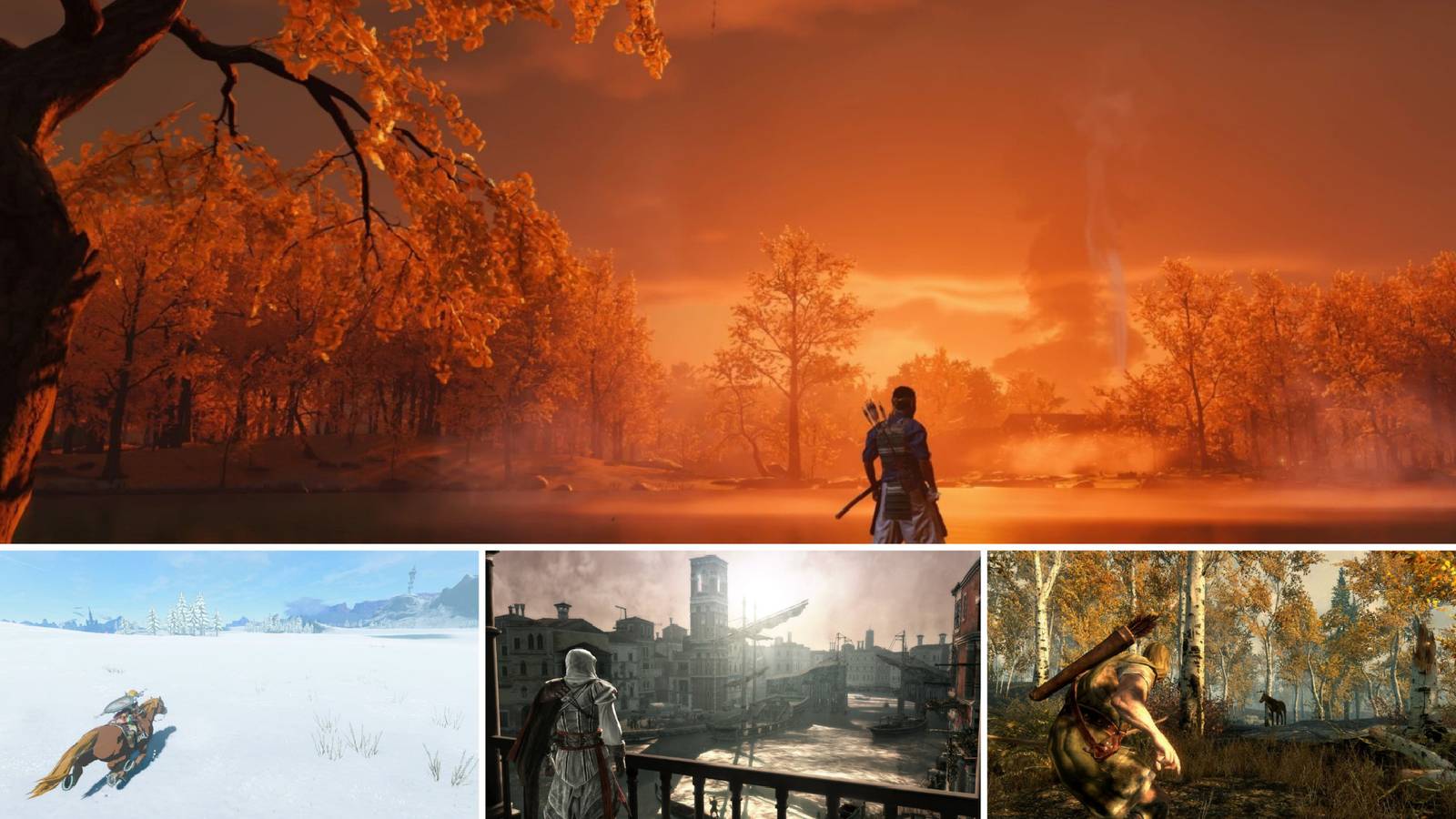
Breath of the Wild remains the gold standard for organic exploration. During development, Nintendo designers utilized a "triangle rule"—whenever a player stood on a peak, they were visually guided toward at least three distinct points of interest.
The game eschews the cluttered UI of its contemporaries in favor of a minimalist approach. By removing the constant reliance on the mini-map, Nintendo forces the player to observe the environment. You aren’t navigating to a dot on a screen; you are navigating toward a distant, flickering shrine or an oddly shaped rock formation. This creates a cycle of discovery where curiosity is the primary driver, rather than a quest log. The game trusts you enough to let you wander, and in that trust, it offers the most immersive experience in the Zelda franchise to date.

2. Ghost of Tsushima
Organic Navigation Through the Wind
Sucker Punch Productions achieved a masterclass in UI design with Ghost of Tsushima. By utilizing the "Guiding Wind," the game replaces a static, persistent map with an intuitive environmental mechanic.
When you want to find your way, you swipe up on the touchpad, and the wind shifts, blowing leaves and grass in the direction of your destination. This keeps your eyes on the breathtaking vistas of Tsushima rather than the corner of your screen. Whether you are tracking a Mythic Tale or hunting for a hidden fox shrine, the game ensures you never lose the rhythm of the world. It is a rare example of a game that respects your immersion by physically integrating navigation into the world itself.

3. Red Dead Redemption 2
The Weight of a Living World
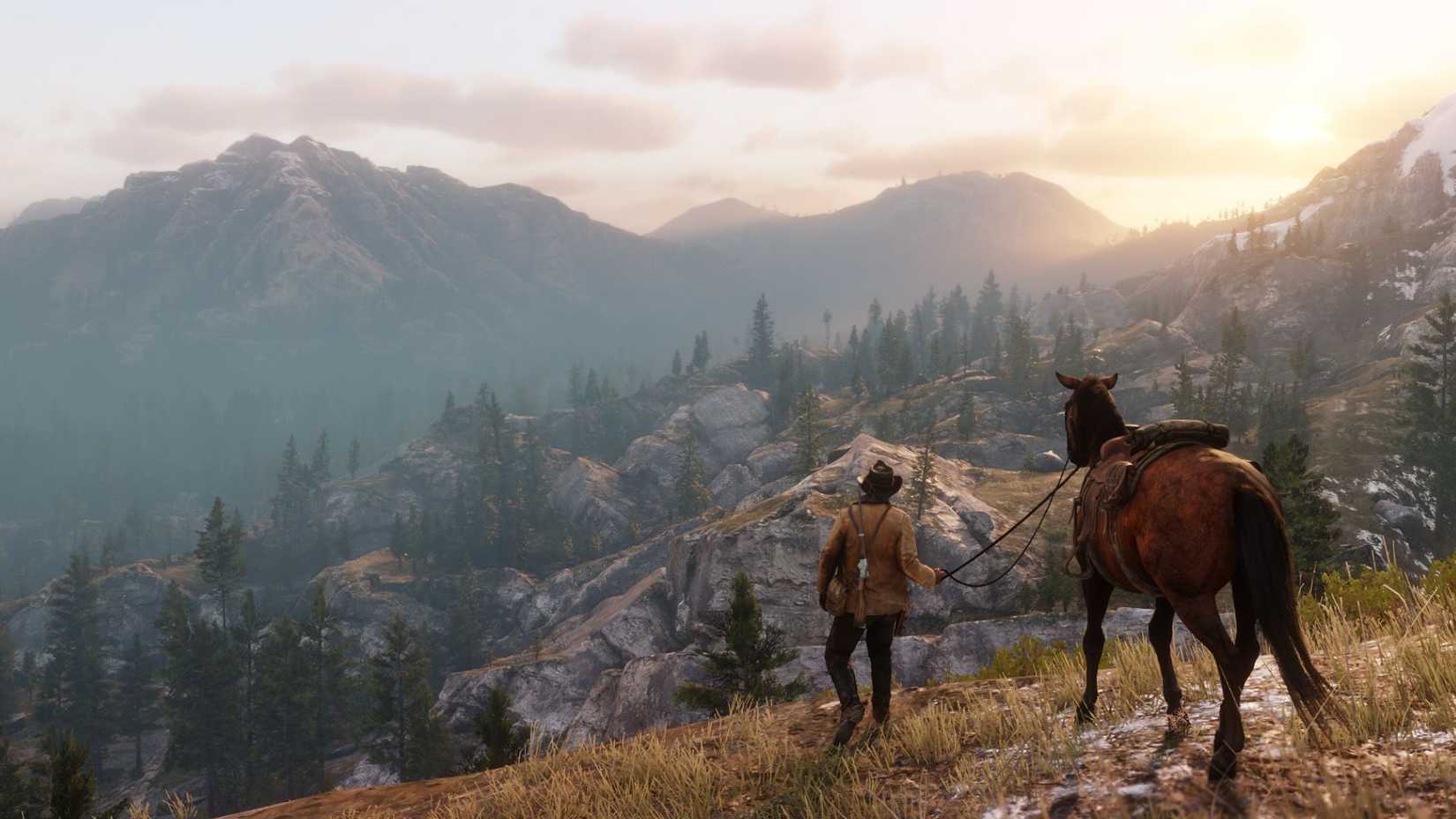
Rockstar Games crafted a simulation so detailed that looking at the map feels like a betrayal of the atmosphere. Red Dead Redemption 2 is a game about the slow, deliberate pace of the American Frontier in 1899.
When you strip away the mini-map, the game transforms. You begin to notice the sound of distant gunshots, the migration of animals, and the subtle changes in the weather that dictate your survival. The world is dense with "negative space"—areas where nothing specific happens, but where the atmosphere of the frontier is most palpable. By choosing to ride based on landmarks and natural intuition, you experience the narrative arc of Arthur Morgan as a journey through a dying age, rather than a rapid-fire sequence of mission icons.
4. The Witcher 3: Wild Hunt
A World of Secrets in Plain Sight
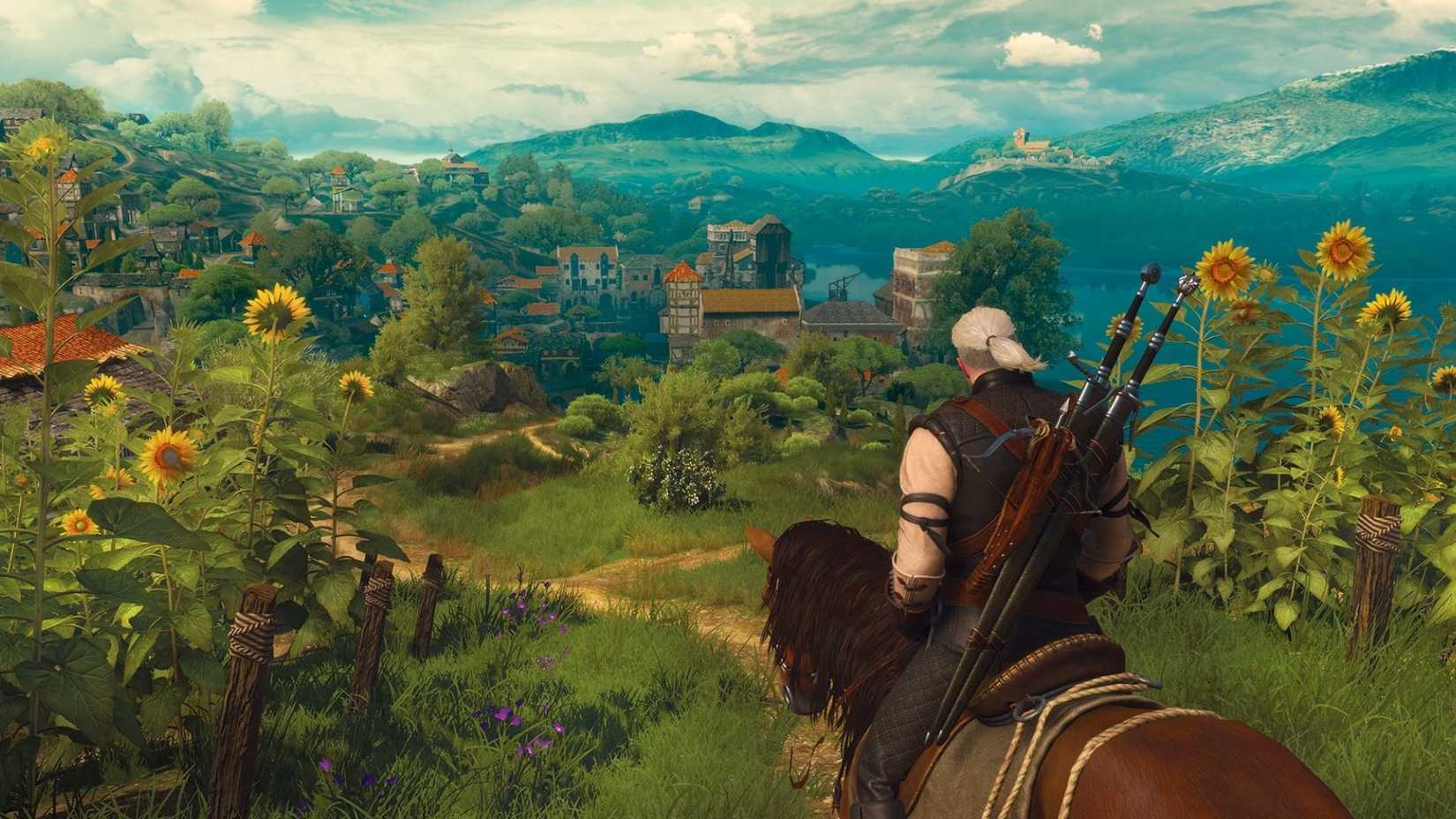
While The Witcher 3 provides a map, the game is famously improved when you turn off the "points of interest" icons that clutter the screen. CD Projekt Red built a world that feels reactive and ancient.
When you stop treating the map as a shopping list of monster nests and smuggler’s caches, you start noticing the environmental storytelling. You might stumble upon a small, unmarked village and discover a side quest that has more emotional depth than the main plot. Geralt’s journey is one of discovery and investigation; by relying on your own senses and the signs provided by the world, the hunt for Ciri becomes a personal exploration of the Northern Kingdoms, rather than a chore of clearing map markers.
5. Cyberpunk 2077
Night City as a Concrete Jungle
Night City is arguably one of the most densely packed urban environments in gaming history. While the game provides a GPS, the true joy of Cyberpunk 2077 lies in navigating its verticality.
By turning off the mini-map and relying on street signs, building architecture, and the distinct neon-lit districts, you begin to understand the geography of the city. You learn that Pacifica feels abandoned because of the decay in its architecture, not just because a quest tells you it’s a dangerous area. The game is designed for you to get lost in its crowds and alleyways. When you ignore the GPS, you find the small, hidden shops, the tucked-away apartments, and the random interactions that make Night City feel like a functioning, breathing metropolis.
6. Subnautica
The Terror of the Unknown
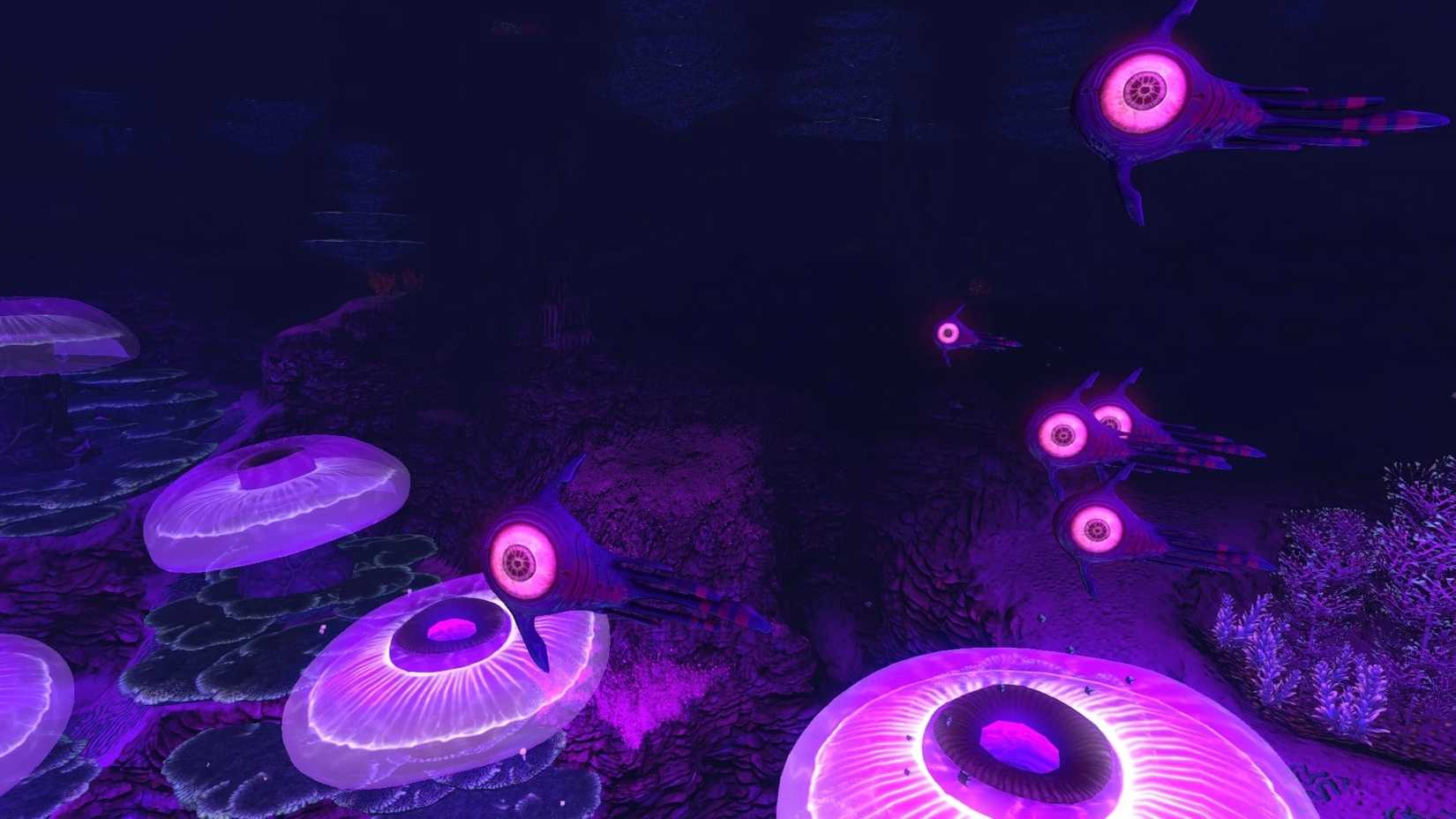
In Subnautica, the map is your greatest enemy. By design, the game provides no traditional map, forcing you to use beacons and your own mental sense of direction. This is crucial to the game’s core hook: thalassophobia.
When you dive into the deep, you have to rely on visual landmarks—a specific reef, the wreckage of the Aurora, or the bioluminescence of a specific biome. This lack of a map creates a genuine sense of danger and discovery. Every time you leave your base, you are embarking on a true expedition. The fear of being unable to find your way back adds a layer of survival tension that a traditional map would completely nullify. It forces you to engage with the ecosystem, not just the interface.

7. Baldur’s Gate 3
The D&D Experience
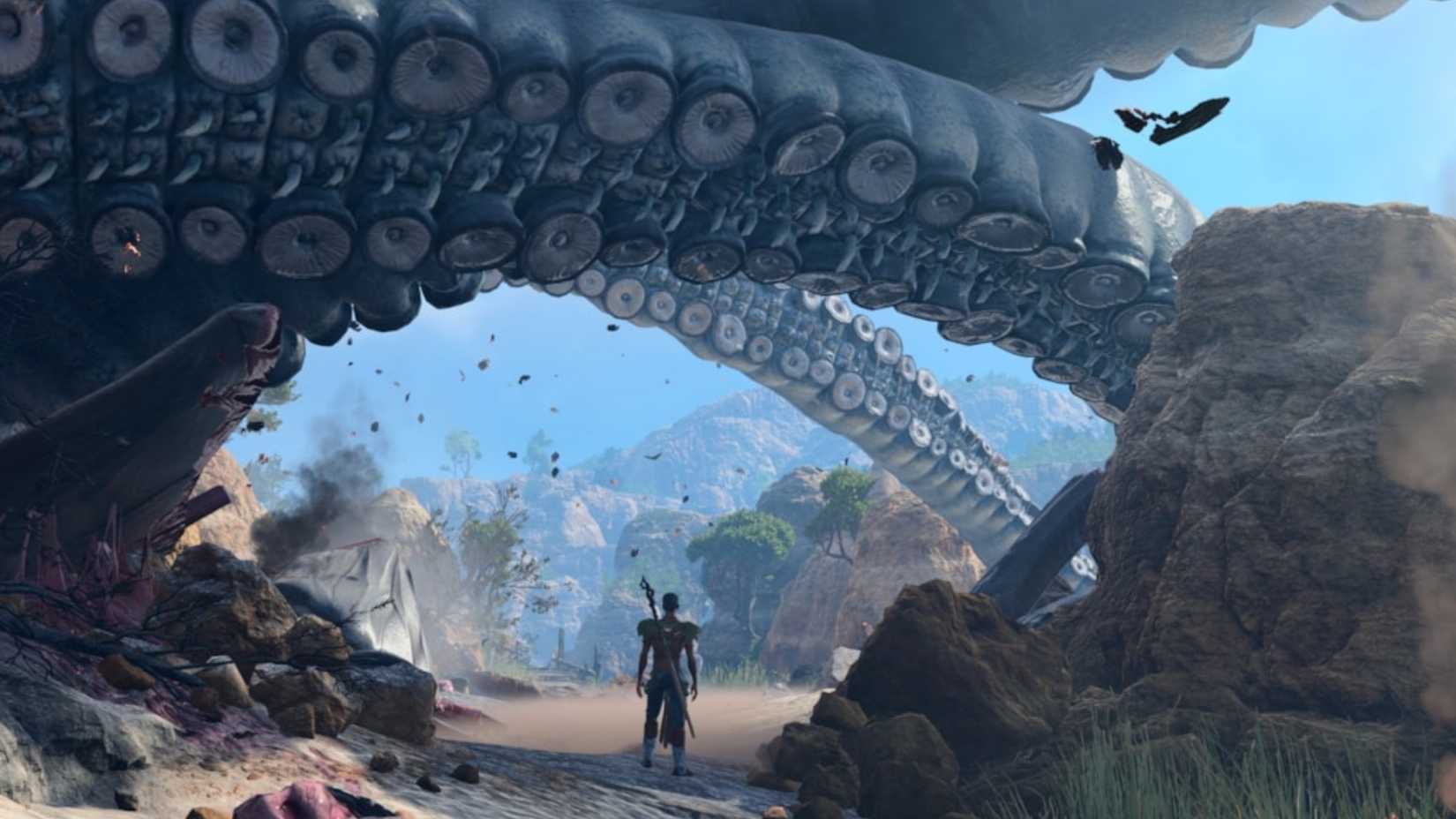
While Baldur’s Gate 3 is a CRPG, its world design is deceptively open. Because the game is built on the pillars of Dungeons & Dragons, it is meant to be explored with the same meticulous care as a tabletop campaign.
The game hides secrets in plain sight—a loose stone, a hidden wall, or a path behind a waterfall. If you play strictly by the map markers, you are effectively "railroading" your own experience. By wandering, you trigger environmental interactions and narrative beats that are easily missed. The game rewards the "nosy" player who enters every room and checks every corner, treating the environment as an interactive puzzle rather than a background for combat.
8. Crimson Desert
Mastering Negative Space
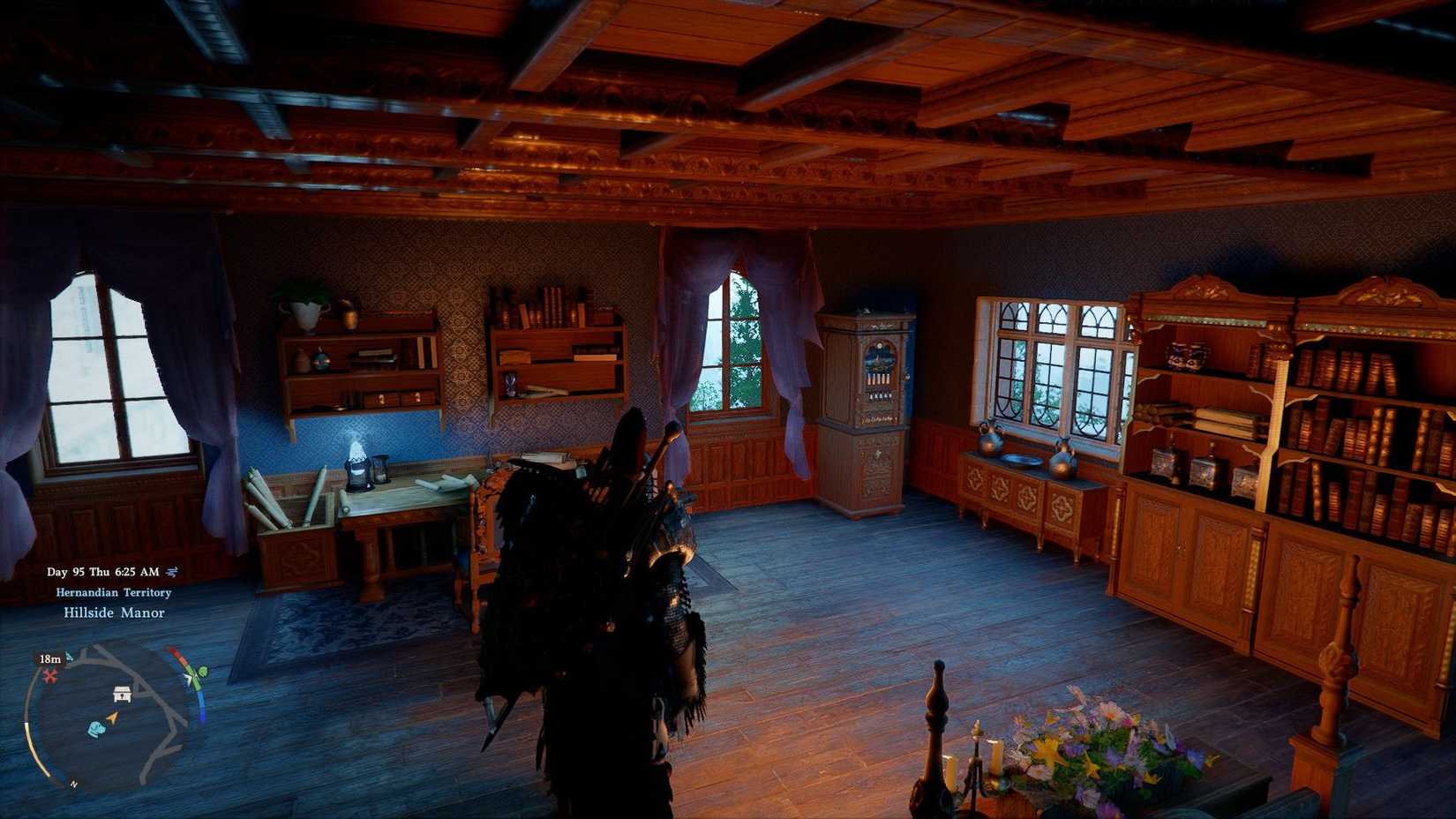
As one of the most anticipated and massive open-world titles, Crimson Desert emphasizes the beauty of space. The developers have leaned into the idea that not every square inch of the world needs to be occupied by an icon.
The exploration here is about discovery in the truest sense. By removing the "clutter" of standard open-world games, Crimson Desert allows the player to appreciate the scale of its geography. When you choose to traverse the world without a map, you are interacting with the game’s physical simulation. You find shortcuts, vantage points, and hidden resources that the game’s UI would have otherwise directed you past. It is a return to the roots of discovery, where the land itself is the guide.
9. Any Assassin’s Creed (Classic Era)
Historical Tourism
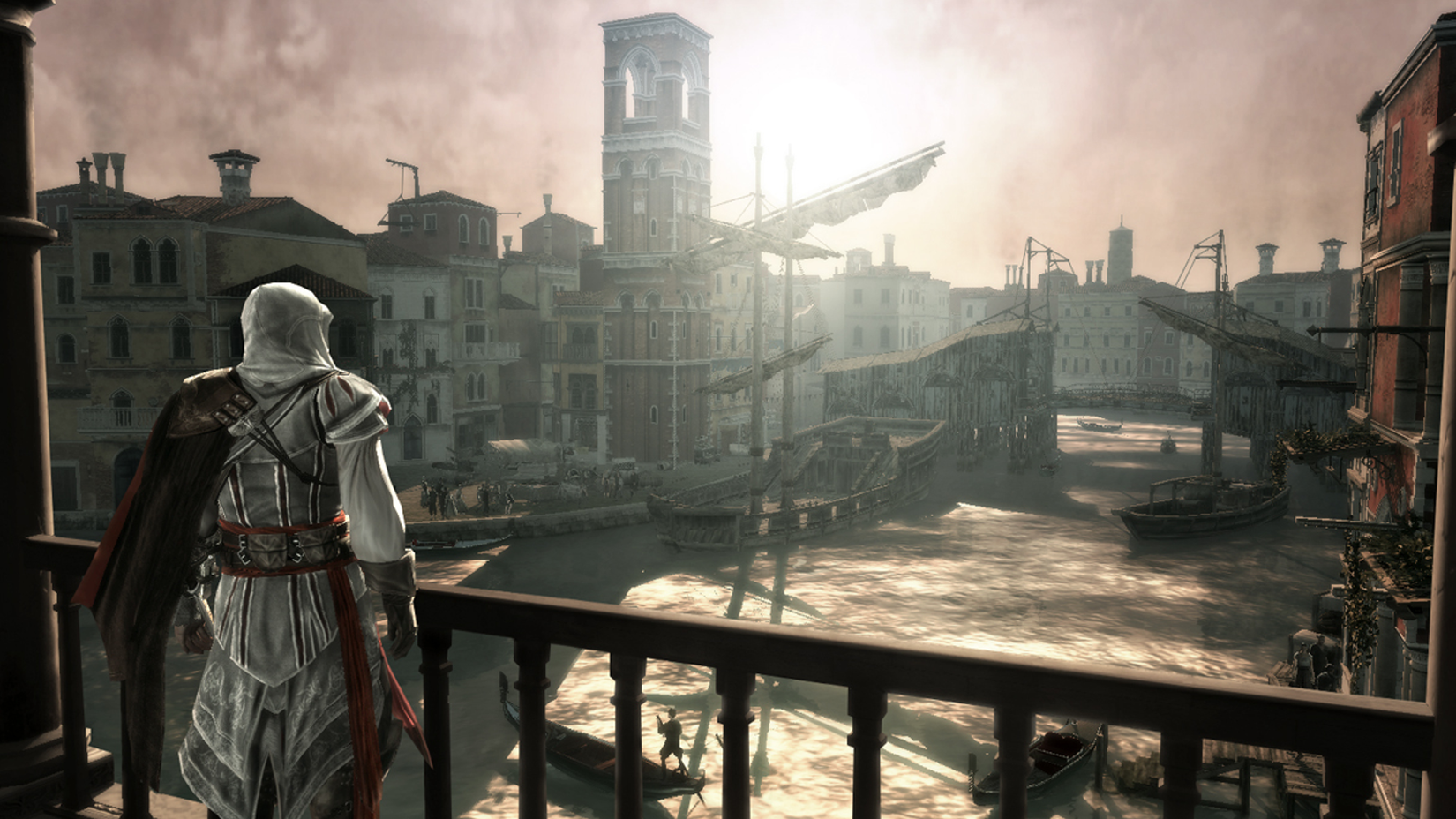
The Assassin’s Creed series, particularly entries like Assassin’s Creed 2, offers a unique opportunity for historical tourism. Many players who have visited cities like Florence or Venice have reported that their time spent in-game without a map helped them navigate the real-world locations.
By ignoring the HUD and simply moving through the parkour-heavy environments, you learn the architecture of the cities. You understand where the high ground is, where the crowds gather, and where the alleyways lead. The series was always intended to be a digital playground of history; by removing the map, you stop playing the game as an "assassin" and start living in the city as a "resident."

10. The Elder Scrolls V: Skyrim
The Original Wandering Simulator
Finally, Skyrim is the quintessential "get lost" experience. The game is famous for its "Jarl’s errands"—you start a quest, see a mountain in the distance, and three hours later you are in a completely different hold, having cleared a dungeon you never knew existed.
Skyrim’s world is designed to be distracting in the best possible way. The map serves only as a fast-travel tool of convenience, but the walk is where the game lives. Whether you are following a stray dragon or investigating a mysterious ruin, the game consistently rewards curiosity. By playing without the map, you allow the world to dictate your adventure, turning Skyrim from a game about the Dragonborn into a personal memoir of exploration.
Implications of the "No-Map" Movement
The shift toward map-less or map-optional design signifies a maturing gaming audience. Players are no longer satisfied with being "guided" through a product; they want to engage with the world’s internal logic.
1. Increased Retention: Games that allow for organic exploration create a stronger "hook." The discovery of a hidden cave or a unique landmark feels earned rather than assigned.
2. Narrative Depth: When players explore at their own pace, they encounter environmental storytelling that is often bypassed by fast-traveling, marker-chasing players.
3. The Evolution of Difficulty: Removing map markers adds a layer of difficulty that isn’t about combat, but about observation and memory. It turns navigation into a skill.
As we look toward the future of the open-world genre, the success of these titles suggests that the "map-clutter" era is coming to a close. Players are increasingly choosing to ditch the safety net of the HUD in favor of the raw, unfiltered experience of a digital world. The message is clear: if you want to find something truly special, you have to be willing to get lost.












No comments yet. Be the first to join the conversation!