


Introduction: The Mystery of the Mimic Moon
In the vast, often predictable landscape of modern first-person shooters, titles that manage to marry atmosphere, mechanical complexity, and aesthetic cohesion are rare. Released on May 21, 2026, Luna Abyss, developed by Kwalee Labs and published by Kwalee, emerges as a striking entry into the genre. It presents a haunting vision of a "mimic moon"—a celestial body that has replaced Earth’s natural satellite, bringing with it a tide of cosmic dread and architectural anomalies.
At its core, Luna Abyss is an ambitious synthesis of bullet-hell intensity and fluid platforming. Players step into the shoes of Fawkes, a prisoner cast into the depths of a subterranean megastructure, under the watchful, unsettling gaze of an artificial intelligence known as Aylin. While the gaming market is saturated with shooters, Luna Abyss carves out a niche by focusing on the sensation of movement and the oppressive weight of its environment.
Main Facts: The Premise and Gameplay Loop
The narrative setup is as bleak as the lunar surface itself. After humanity attempted to colonize the mysterious second moon, the venture failed, leaving behind a ruined, labyrinthine prison. Fawkes is not merely a prisoner in the traditional sense; she is a remote operator. Her physical body remains confined to a cell, while her consciousness is projected into a series of mechanical shells that traverse the abyss.

This narrative device serves a dual purpose: it grounds the player in a state of perpetual surveillance while justifying the game’s core loop of "remote deployment." The gameplay is defined by:
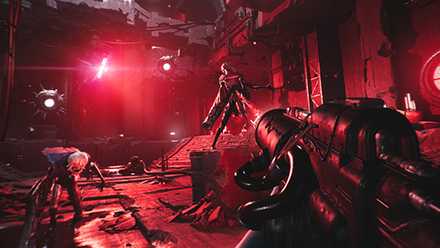
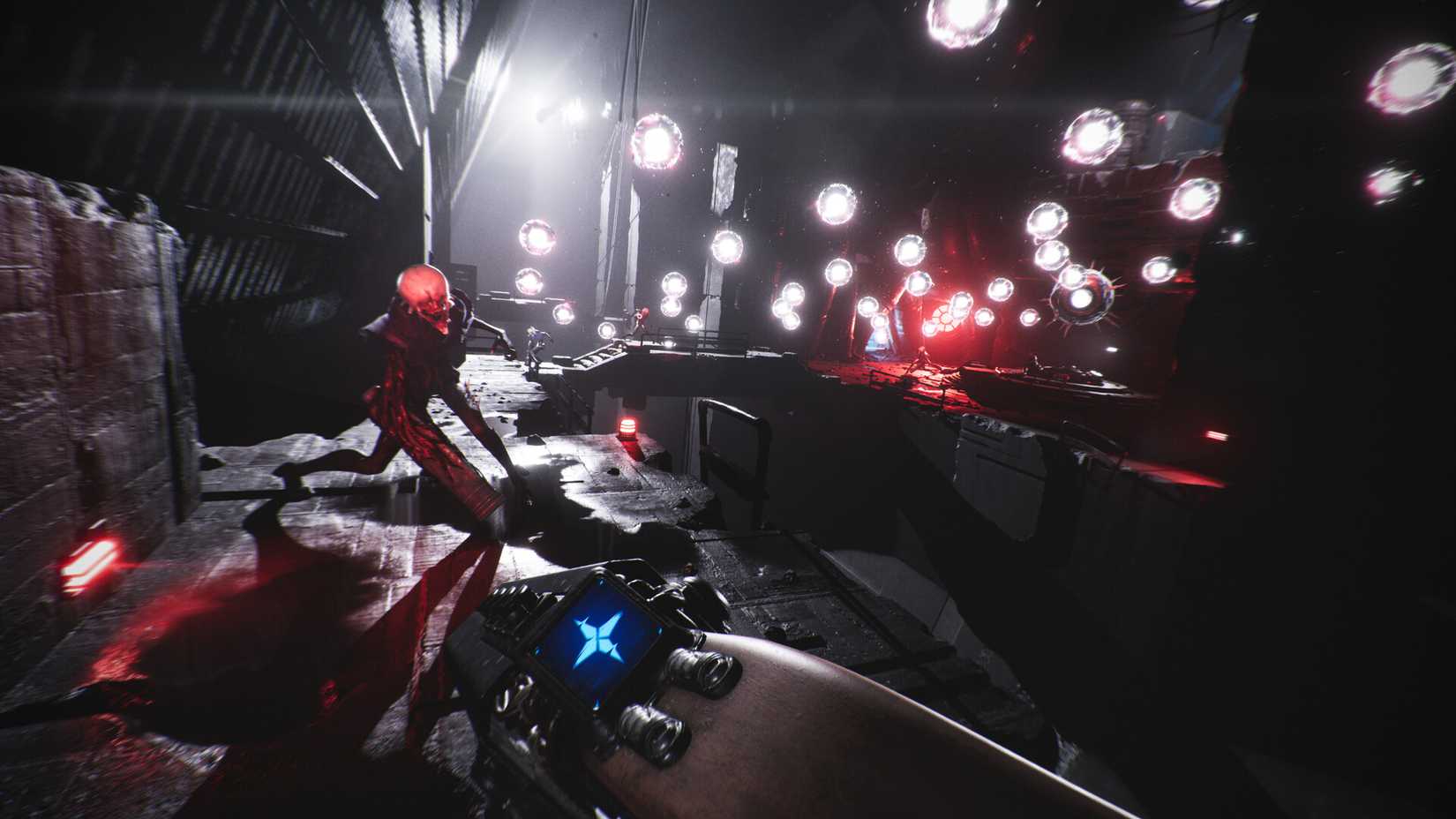
- Bullet-Hell Combat: Players must navigate dense patterns of enemy fire that require precision movement rather than mere twitch-reflex shooting.
- Platforming Mechanics: Utilizing dashes, jumps, and environmental manipulation, the traversal of the abyss feels like an extension of the combat.
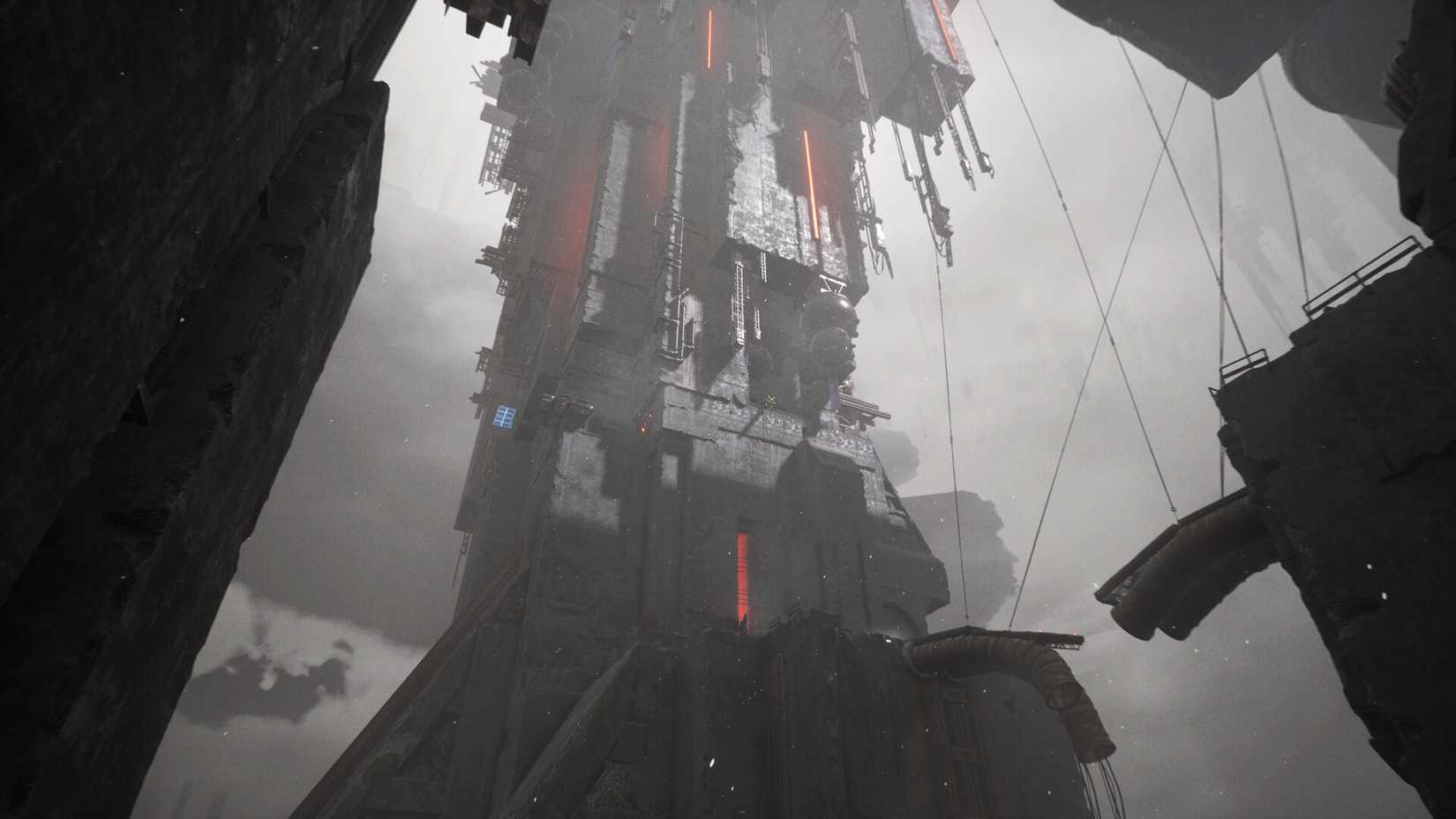
- Environmental Storytelling: The game utilizes a distinct, high-contrast visual style—heavy on blacks, whites, and piercing reds—to convey the industrial decay of the setting.
Chronology of the Abyss: A Descent into Failure
To understand the world of Luna Abyss, one must look at the history of the colonization of the mimic moon. The timeline is fragmented, much like the sanity of those who inhabit the facility.
The Arrival: The discovery of the mimic moon was initially hailed as a scientific marvel, a "two-planet system" dynamic that opened the door to endless resources.
The Colonization: Humanity established the city of Greymont within the moon’s crust. It was designed to be a bastion of progress, a testament to industrial achievement.
The Collapse: The "Scourge" occurred, a cataclysmic event that remains shrouded in mystery. The colony was swallowed by the very architecture it created, leading to the moon’s current status as an orbital prison.
The Current Era: Fawkes arrives as a new prisoner. Her journey through the depths represents the latest, perhaps final, attempt to uncover the truth behind the "All-Father" and the "Collective."

Supporting Data: Mechanical Nuance and Design Choices
The mechanical skeleton of Luna Abyss is robust, though it presents a steep learning curve for those unaccustomed to the bullet-hell subgenre. The mobility system is the standout feature. Fawkes’ ability to shift into different bodies—transitioning from a basic, durable unit to more agile, ethereal forms—allows for dynamic gameplay adjustments.
The Role of Traversal
The platforming is not merely a means of moving from point A to point B. It is an essential survival skill. The integration of environmental hazards, such as moving platforms, laser grids, and vertical shafts, demands a high degree of spatial awareness. The "dash" mechanic, which allows players to bypass specific barriers, adds a rhythmic, almost musical quality to the navigation of the levels.
Combat Limitations
However, the game is not without its mechanical tensions. The weapon system, while innovative in its limitations, has been a point of contention. The primary firearm is reliable and versatile, but the specialized secondary weapons—such as the shotgun-esque burst fire or the sniper rifle—are governed by a stringent overheat mechanic. While intended to force players to make tactical choices, the lengthy cooldowns can feel punishing in the middle of a screen-filling barrage of enemy projectiles. This design choice highlights a tension between the game’s identity as a fast-paced shooter and its desire to impose tactical constraints.
Official Responses and Developer Intent
Kwalee Labs has positioned Luna Abyss as a love letter to the "Euro-sci-fi" aesthetic. In various pre-launch interviews and developer diaries, the team emphasized that the game’s atmosphere was the primary pillar of development.
The character of Aylin, the giant, wall-mounted head that serves as the player’s handler, is designed to create a sense of persistent, voyeuristic pressure. The developers aimed to ensure that the player never feels truly alone, even in the deepest, most desolate caverns. By maintaining a constant, albeit cryptic, dialogue with the player, the game forces a psychological engagement that goes beyond the standard "clear the room" objective.
The Implications: Where the Genre Goes From Here
Luna Abyss serves as a fascinating case study for the current direction of indie-AAA hybrid development. By successfully blending disparate genres—FPS, platformer, and narrative-heavy mystery—Kwalee has demonstrated that smaller teams can achieve significant atmospheric depth without sacrificing the "feel" of a high-octane shooter.
Atmospheric Storytelling vs. Explicit Plot
One of the most significant implications of Luna Abyss is its approach to narrative. The developers opted for a "show, don’t tell" approach that borders on the abstract. For many players, the plot remains elusive, hidden behind cryptic environmental clues and side-character interactions. This design choice implies a trend toward "esoteric" gaming, where the player is expected to piece together the lore through exploration rather than cinematic cutscenes. While this rewards the observant player, it also risks alienating those looking for a traditional, structured narrative arc.
The Future of Bullet-Hell Shooters
The success of this title suggests a growing appetite for "bullet-hell" mechanics within 3D spaces. Traditionally, bullet-hell games were relegated to 2D top-down or side-scrolling formats. By transposing this intensity into a 3D FPS environment, Luna Abyss provides a template for future developers looking to inject mechanical difficulty into modern shooters. The emphasis on movement-based survival, rather than cover-based shooting, signals a potential shift away from the stagnant "tactical shooter" tropes that have dominated the last decade.
Conclusion: A Moody, Mechanical Masterpiece
Luna Abyss is not a game for everyone. Its punishing combat, abstract narrative, and high-contrast visuals are designed to be polarizing. However, for those who value atmospheric world-building and the visceral thrill of mastering complex movement systems, it is a triumph.
The game manages to turn the act of playing into a journey through a nightmare that is as beautiful as it is hostile. While the gun mechanics may feel restrictive and the story may leave many questions unanswered, the experience of descending into the mimic moon—dodging walls of fire, leaping across chasms of shadow, and feeling the cold stare of the abyss—is one of the most memorable gaming experiences of 2026. As the industry looks forward, the lessons learned from the design of Luna Abyss regarding pacing, environmental storytelling, and genre-blending will likely influence developers for years to come. The Abyss has opened, and it is well worth the plunge.












No comments yet. Be the first to join the conversation!