

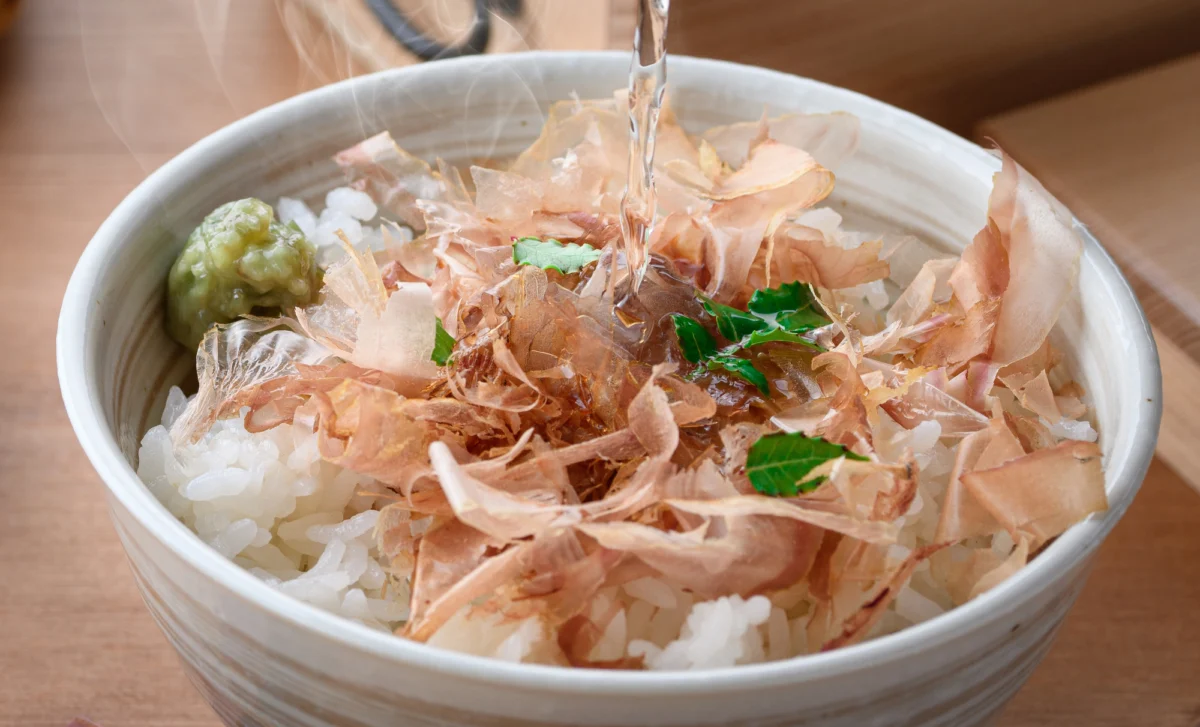
In the pantheon of Japanese culinary customs, few subjects are as polarizing as nekomanma. Recently, Marukawa Miso, a long-standing miso producer based in Fukui Prefecture, ignited a heated national discourse by posing a deceptively simple question on social media: "What is actually wrong with nekomanma?"
To the uninitiated, nekomanma—literally translated as "cat food"—is the practice of pouring miso soup or dashi over a bowl of steamed white rice. While it served as a fundamental, time-honored staple for commoners and laborers for centuries, it is now widely categorized as a breach of etiquette in modern Japanese society. This shift from a pragmatic, everyday meal to a social faux pas reflects a complex intersection of post-war class anxiety, deep-seated labor superstitions, and the evolving nature of Japanese table manners.
A Culinary Legacy: Defining the Dish
The term nekomanma is a portmanteau of neko (cat) and manma (a childish, affectionate term for "food"). The "cat food" moniker was coined simply because the dish mirrors the way households historically prepared food for their pets before the advent of industrialized pet products.
However, defining nekomanma is not as straightforward as it seems; its identity shifts depending on the geography of the Japanese archipelago:
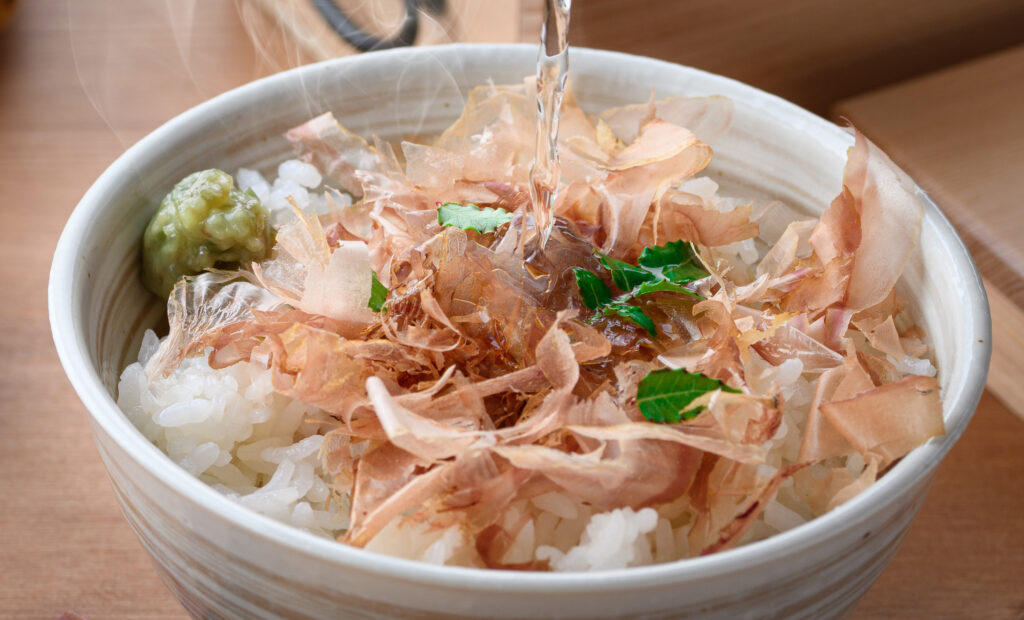
- The Kanto and Tohoku Interpretation: In regions like Tokyo and the northern prefectures, nekomanma typically refers to a bowl of rice topped with katsuobushi (dried bonito flakes) and perhaps a splash of soy sauce.
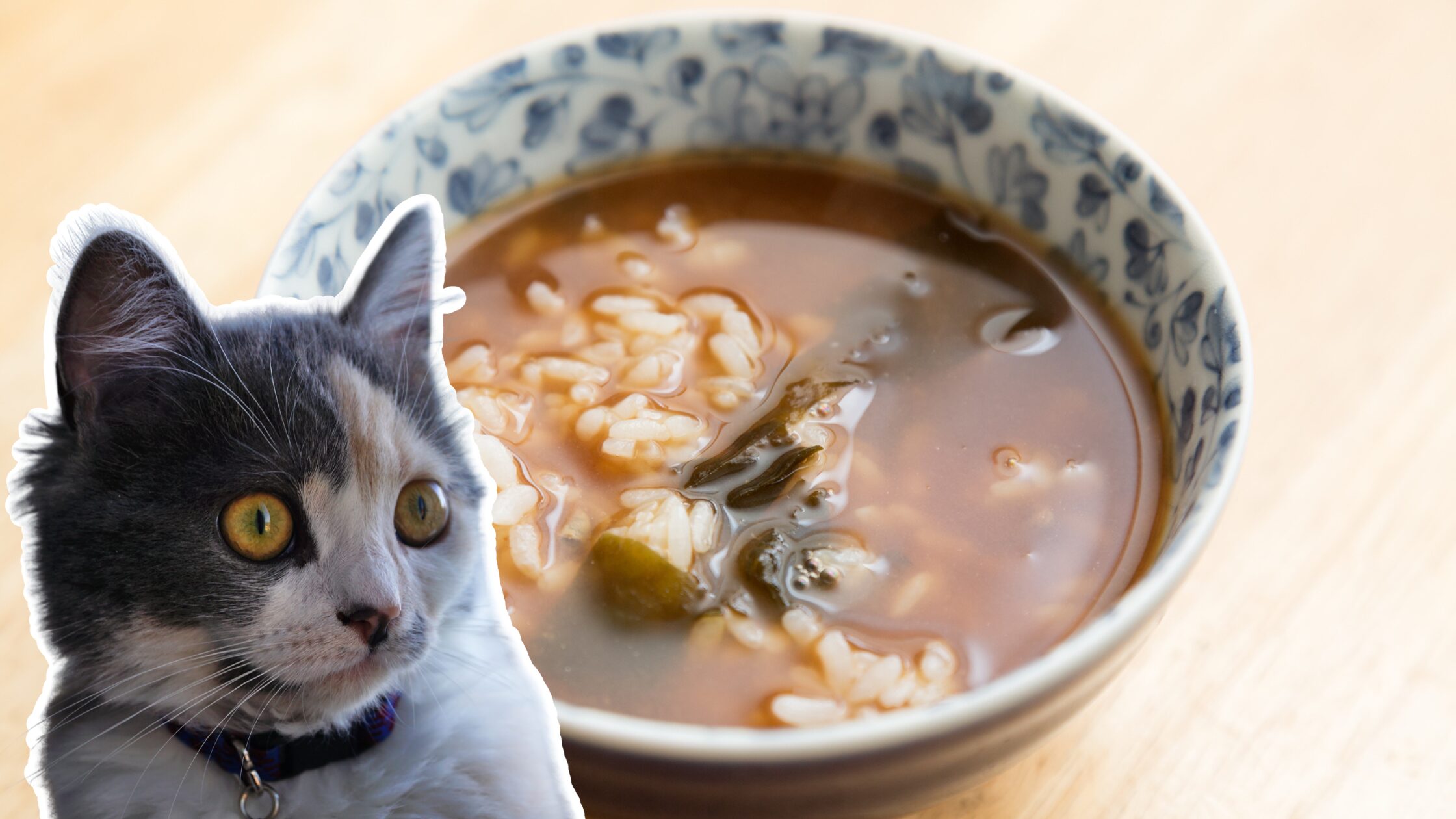
- The Kansai and Hokkaido Interpretation: In the Osaka region and northern reaches, the term is synonymous with the shirukake-meshi tradition—pouring miso soup directly over rice.
Regardless of the regional variance, the dish is the spiritual successor to shirukake-meshi ("soup-poured rice"). Historical records from the Aogen Miso brewery suggest that this practice was a standard, high-calorie, and easily consumable staple for warriors during the Sengoku (Warring States) period. It was the ultimate "fuel" for those living in an era of constant instability.
Chronology of a Custom: From Necessity to Taboo
During the Edo period, nekomanma enjoyed a golden age alongside other staples like Edomae sushi. For the urban poor and the working class, it was a practical solution to hunger. Katsuobushi was an inexpensive, protein-rich garnish that could make a meager portion of rice feel like a meal. Conversely, the miso soup variation was a masterclass in efficiency: in an era before electric rice cookers and modern kitchen technology, pouring hot soup over cold leftover rice was the fastest way to reheat the grain and make it palatable.
The stigmatization of the practice is a relatively modern phenomenon. Sociological studies suggest that the shame associated with nekomanma emerged largely in the post-WWII era. As Japan experienced rapid economic growth and a burgeoning middle class, the nation began to adopt more rigid, Western-influenced definitions of "proper" dining. The "cat food" moniker, previously a neutral descriptor, became a tool for class differentiation. To eat nekomanma was to be identified as a member of the lower classes, a relic of a poorer, less refined past.
The Dark Superstitions of the Laboring Class
While middle-class snobbery played a role in the modern taboo, the historical roots of the prejudice run much deeper, particularly among the laboring classes of the Meiji and Taisho eras.
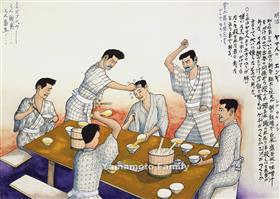
In the coal mines of Fukuoka and construction camps across Japan, shirukake-meshi was often strictly forbidden. This prohibition was not rooted in culinary aesthetics, but in a profound fear of death. To a coal miner, a bowl of rice mounded in a pool of soup bore a chilling resemblance to the funerary mounds used to bury the deceased before the widespread adoption of cremation.
The cultural context of the time—specifically the belief that the soul required 49 days to fully depart the body and that burial mounds were often constructed with "breathing tubes" to ensure the occupant was truly dead—made the visual of rice, floating and sinking in liquid, an omen of tragedy. For construction workers, the sight of rice crumbling into a broth was evocative of a landslide, a constant and terrifying threat in their line of work.
The artist Yamamoto Sakubei (1892–1984), who documented life in the coal mines, captured this tension in his work. His illustrations depict scenes where workers would violently confront colleagues who attempted to eat shirukake-meshi, treating the act as a bad omen that could threaten the safety of the entire crew.
This was further reinforced by the Japanese expression miso o tsukeru ("to apply miso"), which colloquially means to make a grave error or "mess up" at work. In the rugged mountain trades of Tohoku—among bear hunters (matagi), lumberjacks, and teamsters—the phrase was used to enforce the taboo. If a worker poured miso on their rice at breakfast, it was seen as an omen of a disastrous day. Often, the offender would be forced to pay for the entire crew’s lodging as a form of social penance, reinforcing the idea that the dish was a harbinger of failure.
The Chazuke Exception
Interestingly, the prejudice against shirukake-meshi did not universally apply to all rice-and-liquid combinations. Chazuke—the act of pouring green tea over rice—managed to escape this stigma.
Historians attribute this to the pedigree of the dish. Unlike nekomanma, which was firmly rooted in the working class, chazuke has roots in the aristocracy. The Tale of Genji, the foundational work of Japanese literature, depicts Heian-era nobility consuming yuzuke (hot water poured over rice). Because the dish had an "elite" pedigree, it remained acceptable, while the miso-based equivalent was relegated to the status of a "commoner’s" habit.
Modern Resurgence and the "Matsuko" Effect
The debate reached a fever pitch in 2023 when popular television personality Matsuko Deluxe openly questioned the taboo on air. His inquiry—"What is actually wrong with it?"—provoked a polarized reaction across social media.
Critics clung to the modern etiquette argument, calling the dish "dirty" or "unsightly." However, a significant number of younger Japanese netizens and food enthusiasts defended the practice, citing nostalgia, convenience, and the simple, comforting nature of the flavor profile.
The incident highlights a broader cultural shift. As Japanese society becomes more globalized and less tethered to the rigid social hierarchies of the past, the "rules" of the dinner table are being interrogated. Many now argue that the distinction between "manners" and "class elitism" is becoming increasingly blurred.
Implications for Future Etiquette
Is it time to abandon the stigma? Many culinary historians argue that the taboo is a historical artifact that no longer serves a purpose. While it may remain socially unwise to mix rice and miso in a formal, high-end kaiseki restaurant, the home kitchen remains a sanctuary for personal preference.
The consensus among modern observers is one of pragmatism:
- Context is Key: While pouring soup over rice in a communal or public setting might be viewed as a breach of etiquette by the older generation, there is no inherent "wrong" in the act itself.
- The "Into" vs. "Over" Distinction: Etiquette experts generally note that adding a small amount of rice into a miso bowl at the end of a meal is treated with more leniency than the act of pouring the soup over a bowl of rice, which is seen as "sloppy."
- Cultural Evolution: Food customs are living, breathing entities. Just as the definition of "proper" food has evolved over 500 years, the status of nekomanma is likely to shift once more as younger generations prioritize comfort and efficiency over the lingering, archaic superstitions of the coal mines.
Ultimately, the controversy over nekomanma is less about the food itself and more about the power of cultural narratives. Whether it is remembered as a "starvation food," a "bad omen," or a "hidden comfort," the dish serves as a mirror to Japan’s own journey through modernization. For now, the next time someone enjoys a bowl of rice and miso, they are participating in a conversation that spans half a millennium—and perhaps, in the near future, the "cat food" label will finally lose its bite.












No comments yet. Be the first to join the conversation!