

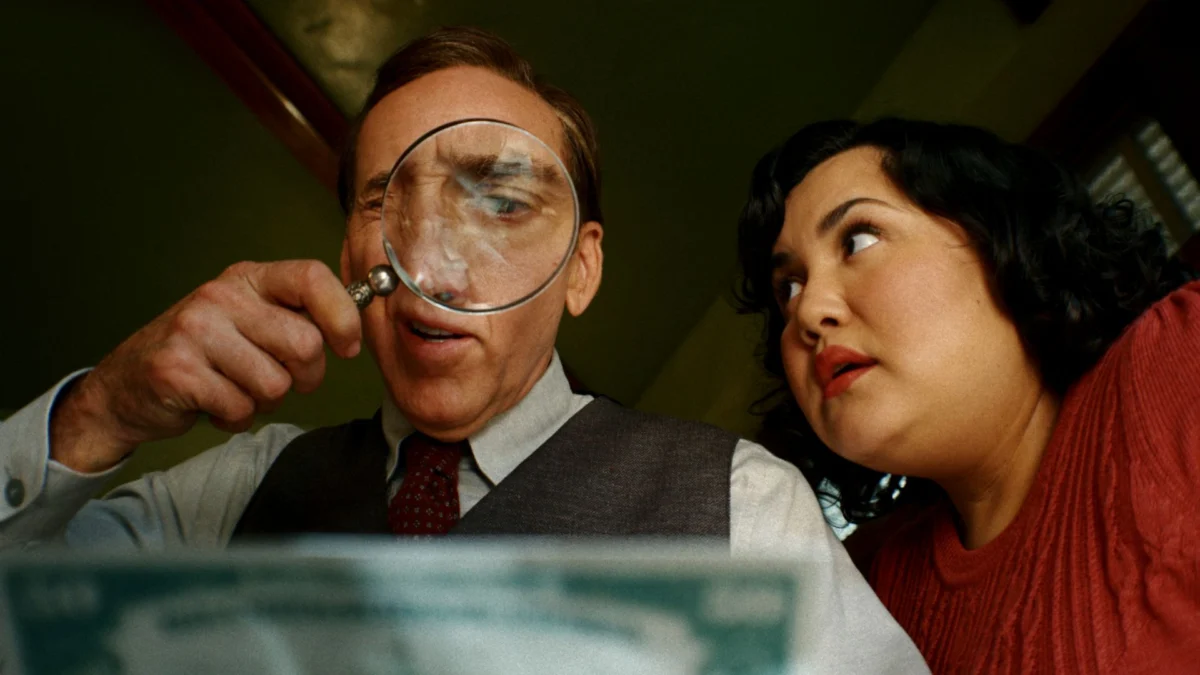
In the rapidly evolving landscape of modern streaming, television series have largely adhered to a standardized visual language. High-definition, saturated, and hyper-realistic imagery has become the baseline for the industry. However, Prime Video is poised to challenge this convention with the upcoming release of Spider-Noir, an ambitious detective drama that does more than just adapt a beloved Marvel character; it fundamentally alters the viewer’s relationship with visual storytelling. Starring Academy Award winner Nicolas Cage, the series promises a bold, stylistic experiment that offers audiences a choice: to experience the gritty streets of 1930s New York in either stark, evocative black-and-white or vivid, high-fidelity color.
The Core Narrative: A Detective Out of Time
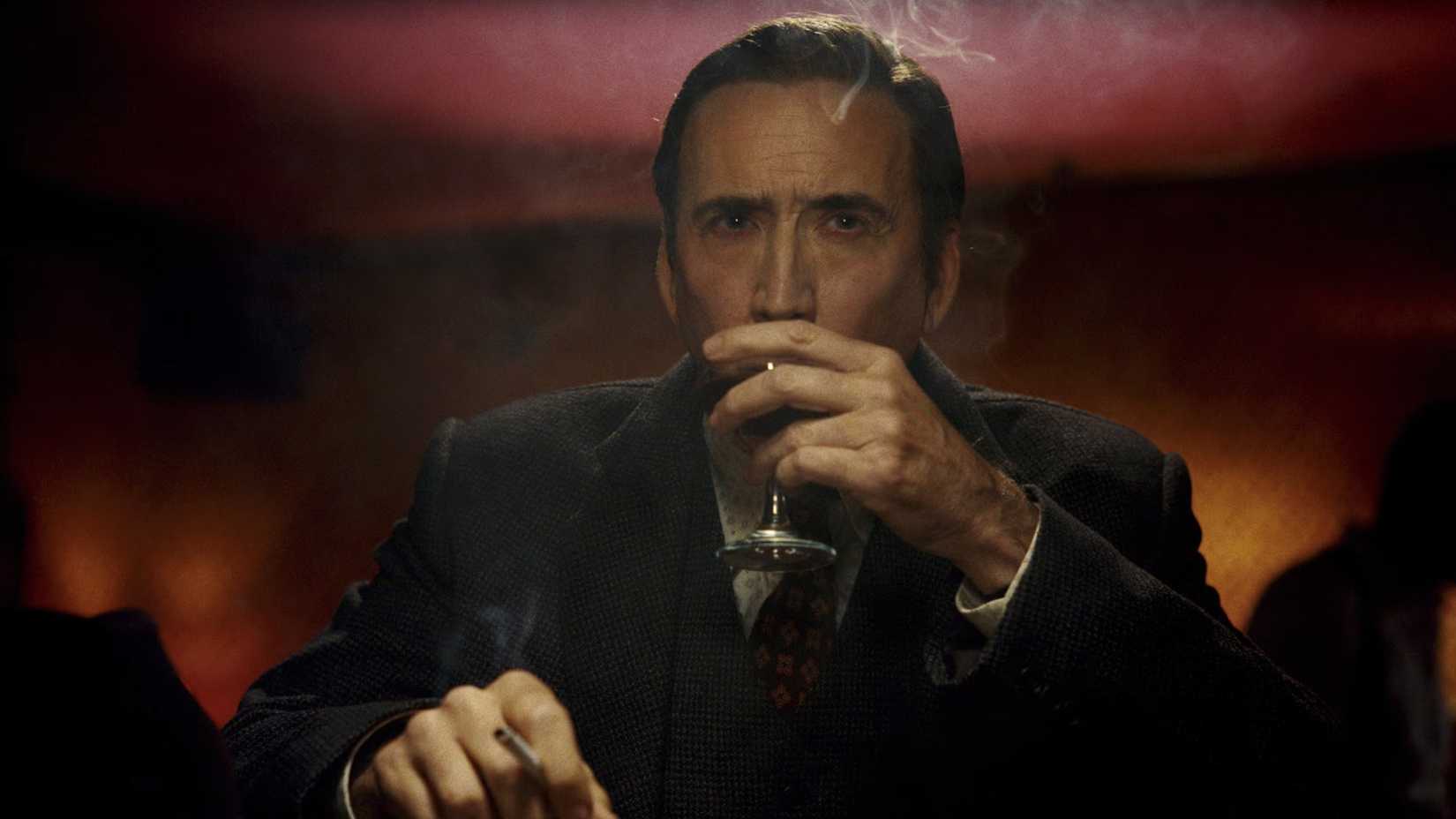
Spider-Noir introduces viewers to Ben Reilly, a battle-hardened private investigator navigating the shadows of a 1930s New York City beset by corruption and tragedy. Unlike the multiversal high-jinks often associated with the Spider-Verse franchise, this iteration of the character is a grounded, solitary figure—the city’s only known superhero.
For Nicolas Cage, who previously lent his voice to a version of Spider-Man Noir in the 2018 animated feature Spider-Man: Into the Spider-Verse, this project marks his first starring role in an ongoing television series. The series does not function as a sequel or a spin-off to the animated films, nor is it tethered to the Marvel Cinematic Universe (MCU). It is a standalone exploration of a man struggling with his past, his purpose, and the moral weight of his abilities. The series is set to premiere on MGM+ on May 25, 2026, before expanding its reach on Prime Video.
A Chronology of Artistic Ambition
The journey of Spider-Noir from concept to screen has been one of calculated technical risks. Executive producers Chris Miller and Phil Lord, known for their innovative approach to visual media, spearheaded the project with a vision that required Amazon’s full commitment to production logistics.
The production of Spider-Noir was not a simple matter of desaturating footage in post-production. To ensure both versions of the show felt "native" to their format, the production team utilized a unique on-set workflow. Throughout the filming process, the monitors on set displayed the footage in black-and-white (the Look-Up Table, or LUT). This ensured that the lighting, costume design, and production design were optimized for a monochromatic aesthetic. Simultaneously, the crew captured the full-color data, resulting in two distinct, high-quality masters.
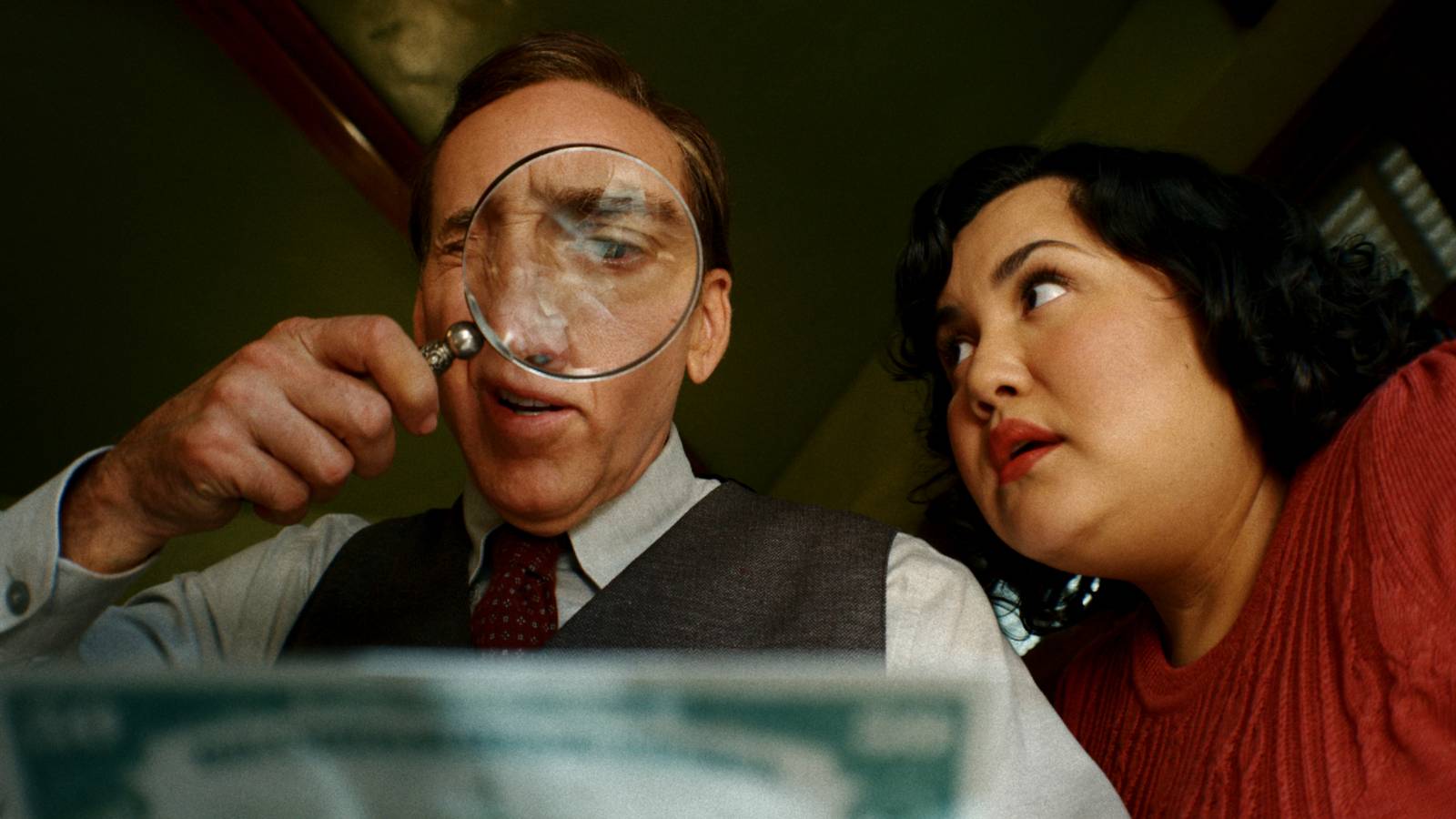
This level of dedication is rare in an era where "black-and-white" is often treated as a filter rather than a deliberate artistic choice. By treating both the "Authentic Black & White" and "True-Hue Full Color" versions as primary, the creators have provided a dual-experience that honors the noir genre’s roots while catering to modern sensibilities.
Supporting Data and Technical Implementation
The scope of this dual-format release is unprecedented. While classic television series like The Twilight Zone were born in black-and-white, and modern shows like WandaVision or The X-Files have featured isolated monochromatic episodes, no major live-action series has committed to an entire eight-episode season in two fully realized formats.
The audience’s appetite for this experiment is already evident. Data from promotional materials indicates significant interest in the black-and-white aesthetic. At the time of this report, the "Authentic Black & White" trailer has garnered 6.6 million views on YouTube, significantly outperforming the "True-Hue Full Color" trailer, which sits at 4.5 million views. This suggests a strong demographic segment that is eager for the atmospheric, stylized storytelling that the noir format promises.
The technical challenge, as described by Lord, involved a massive, "insanely difficult" color-timing job. The color grading for the "True-Hue" version had to be meticulously managed to ensure that the lighting, which was originally blocked for black-and-white contrast, still translated effectively into a vibrant, modern palette.
Official Responses and Creative Philosophy
The decision to offer two versions of the show was born out of a desire for inclusivity and artistic integrity. During an interview with Esquire, Nicolas Cage reflected on the development process, noting that he was a vocal advocate for the dual-format release.

"I remember when Amazon was first thinking about doing it, they were nervous about black and white," Cage explained. "And I said, ‘You don’t have to only do it in black and white. You could do it in color as well because this is for all ages.’"
Cage’s perspective highlights a bridge between generations. He acknowledges that while younger viewers might be drawn to the saturated, high-tech look of modern color television, the black-and-white version offers a gateway to cinema history. He expressed a hope that by providing the option, the series might inspire a new generation to explore the stylistic richness of early film noir and its influence on modern visual arts.
The Implications for the Television Industry
The success or failure of Spider-Noir will likely set a precedent for how streaming platforms approach "niche" stylistic choices. If the project proves to be a ratings hit, it could validate the investment in "prestige" production techniques that were previously thought to be too costly or complex for serialized television.
Changing the Rules of Engagement
The availability of these two versions fundamentally changes how critics and audiences discuss the series. It moves the conversation away from traditional plot-summary and toward the experience of consumption. For a viewer, the choice of which version to watch first is an active engagement with the art. A viewer watching the black-and-white version is participating in a genre-tribute, whereas a viewer watching the color version is likely engaging with the superhero action-drama aspect.
A New Model for Streaming
Streaming platforms are constantly seeking ways to increase "watch-time" and repeat-viewing metrics. By offering two versions of the same series, Prime Video has created a natural incentive for viewers to revisit the show. The curiosity to see how a scene looks in color versus the moody intensity of its monochromatic counterpart is a powerful motivator for repeat consumption—a metric that is highly valuable to subscription-based business models.
The Future of Genre Adaptations
Finally, Spider-Noir proves that established intellectual property (IP) does not have to be synonymous with a singular, rigid visual style. By allowing the creators to lean into the "Noir" aspect of the title, Prime Video has arguably made the show more appealing to fans of quality drama than it would have been if it were just another generic superhero procedural. It suggests that the future of comic book adaptations lies in genre-blending—where the "superhero" element is merely a backdrop for deeper, more stylized exploration of film language.
Conclusion: A Bold New Frontier
As the May 27th release date approaches, Spider-Noir stands as a testament to the potential of creative risk-taking. Whether it is viewed as a high-concept noir detective story or a daring visual experiment, the series is already a landmark in television history. By empowering the audience with choice and refusing to compromise on the artistic integrity of either format, Nicolas Cage and the creative team behind Spider-Noir have signaled that the golden age of television is not just about the quality of the script—it is about the ambition of the lens.
In a market saturated with "content," Spider-Noir dares to be "cinema." For the viewer, the choice is no longer just about what to watch, but how they wish to perceive the shadows of Ben Reilly’s world. It is a rare moment in modern media where the production methodology is as compelling as the story itself, and it is a challenge that will surely define the discourse for the remainder of the 2026 television season.











No comments yet. Be the first to join the conversation!