

By Ollie Ring, Senior Editor
Updated: May 20, 2026
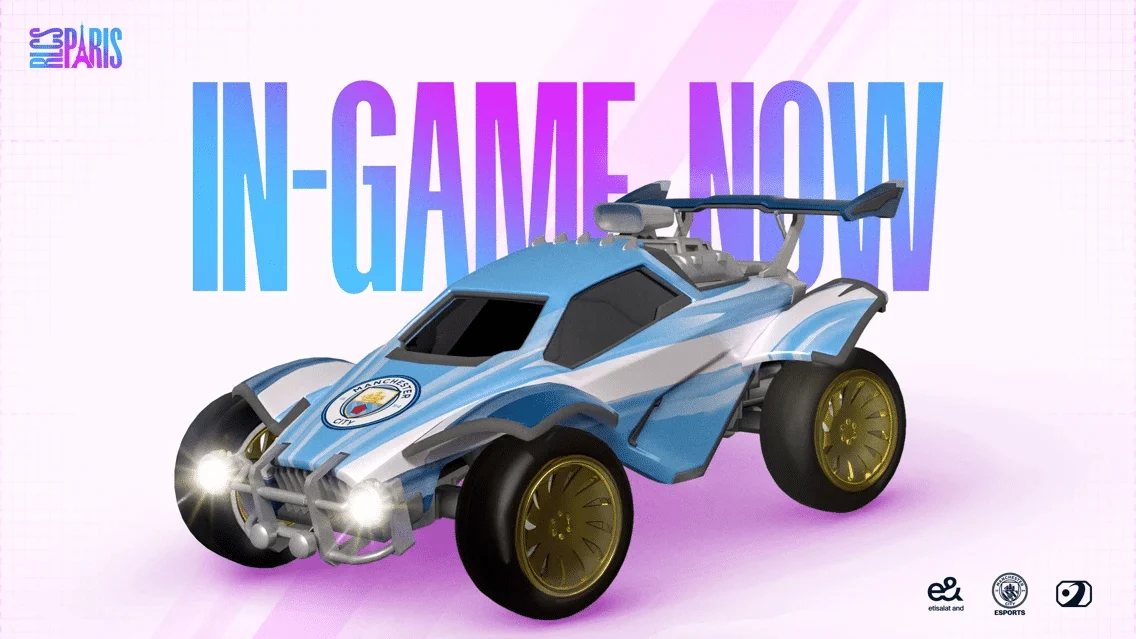
In a week defined by seismic shifts at the Etihad Stadium, Manchester City has turned its attention from the grass pitch to the digital arena. As the football club grapples with the fallout of a title race lost to Arsenal and the impending departure of legendary manager Pep Guardiola, the organization’s esports division has provided a much-needed distraction for its supporters. Manchester City Esports has officially launched a bespoke Rocket League decal and goal celebration, marking the club’s debut appearance at the prestigious 2026 RLCS Paris Major.
This strategic move, announced on the morning following the club’s disappointing away loss to AFC Bournemouth, serves as a high-tech olive branch to a fanbase reeling from the news that their neighbors, Arsenal, have secured their first Premier League title in 22 years.
The Intersection of Virtual and Physical Glory
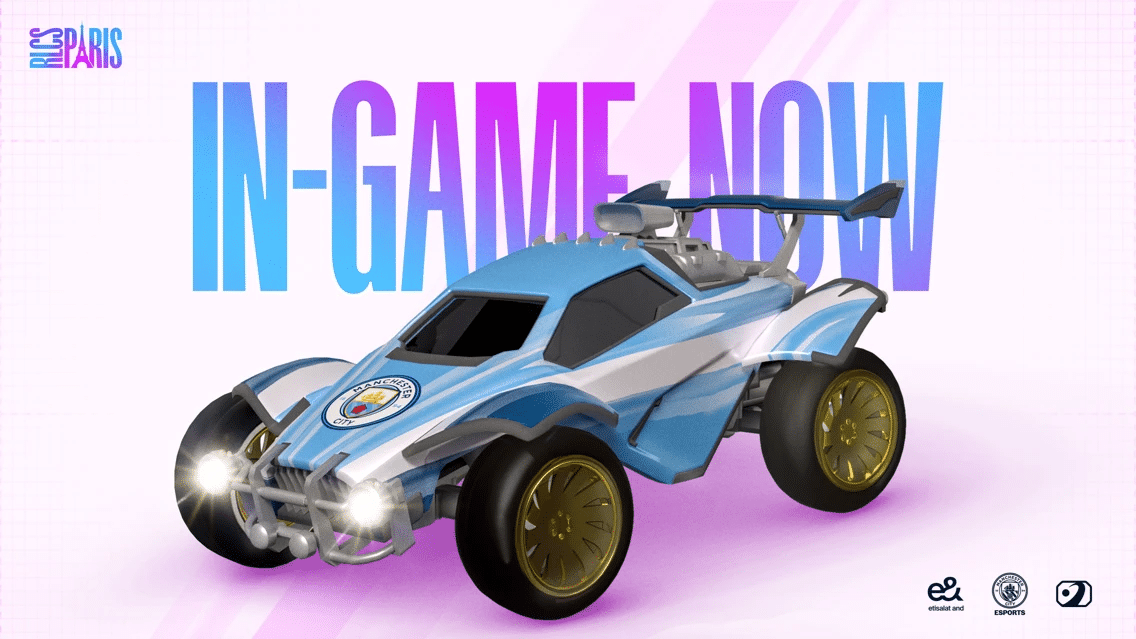
The announcement, which dropped shortly after the Premier League season’s conclusion, highlights the growing synergy between traditional sports institutions and the booming ecosystem of competitive gaming. For Manchester City, the introduction of a branded "shiny blue car" and a custom goal explosion—featuring the club’s iconic crest bulging from the net upon scoring—is more than just a cosmetic addition. It is a calculated step toward embedding the Manchester City brand into the global Rocket League culture.
The items are now live on the Rocket League store, categorized within the exclusive RLCS Paris Major sets. The collection allows fans to take their club loyalty into the high-speed, gravity-defying matches of Psyonix’s flagship title, offering a sense of agency that the current football squad—having finished second in a grueling campaign—could not provide on the pitch.
A New Frontier: The 2026 RLCS Paris Major
Manchester City’s entry into the Paris Major is a milestone in its own right. The team secured their qualification after a gritty performance in the Paris Major Open, finishing fifth in the highly competitive European rankings. This qualification represents the first time the club has reached this stage of the RLCS, signaling a maturation of their esports department.
The roster representing the Sky Blues in Paris consists of a trio of formidable talents: Ejby, Accro, and Seikoo. As part of the promotional launch, the club confirmed that all three players will utilize the custom decal and goal celebration throughout the duration of the tournament. For the players, the gear is a point of professional pride; for the fans, it represents the club’s commitment to staying relevant in the rapidly evolving digital landscape.
Technical Specifications and Availability
The digital assets are designed for universal compatibility. Unlike some cosmetic items restricted to specific vehicle hitboxes, these assets can be applied to any car in the player’s garage. This flexibility is a significant draw for the competitive community, where vehicle choice is often dictated by frame geometry and hit-box performance.
The pricing structure is as follows:
- Club Decal: 300 Credits
- Goal Celebration: 500 Credits
- Total Investment: 800 Credits
With the current in-game economy, UK players can acquire 1,100 credits for £7.99. This makes the entire set a relatively affordable form of "retail therapy" for fans mourning the loss of the Premier League title. By keeping the price point accessible, the club ensures that the barrier to entry for fans wishing to "represent" the club in-game is minimal.
Chronology of a Turbulent Week
To understand the timing of this launch, one must look at the narrative arc of Manchester City’s final week of the 2025/2026 season.
- May 17, 2026: Manchester City loses away to AFC Bournemouth. The result confirms Arsenal as Premier League champions, ending City’s reign at the summit of English football.
- May 18, 2026: The club officially unveils the 2026-2027 home kit, looking forward to a post-Guardiola era.
- May 19, 2026: Manchester City Esports announces the Rocket League collaboration, offering fans an immediate avenue to project their identity in a new competitive arena.
- May 20, 2026 (Present): The items go live in-game, accompanied by a promotional push featuring the roster of Ejby, Accro, and Seikoo.
This sequence of events suggests a concerted effort by the club’s communications team to shift the narrative from the "bitter disappointment" of the football season toward a future-focused, multi-disciplinary approach to sports entertainment.
Implications for Club Brand Strategy
The transition of Manchester City from a football-first entity to a diversified sports and entertainment brand is perhaps best exemplified by this move. As Pep Guardiola prepares for his final game in charge, the club is acutely aware that the demographic of their supporters is changing. The "Gen Z" and "Alpha" cohorts are increasingly spending their recreational time in virtual spaces like Rocket League, Fortnite, and Roblox, rather than exclusively watching 90-minute football matches.
By integrating the Manchester City brand into the RLCS—one of the most viewed esports leagues in the world—the club is essentially planting a flag in the digital territory where the next generation of football fans lives. The decision to release the kit design alongside the Rocket League skin is a deliberate blending of the "physical" and "digital" supporter experience.
The "Full Kit" Hybrid Identity
There is an irony, perhaps intentional, in the club’s marketing strategy. As fans prepare to sit in their living rooms, dressed in the new 2026-2027 home jersey, clutching a PS5 controller while playing Rocket League, the club has essentially created a new archetype of the "modern supporter." The days of the "full kit wanker" (a derogatory term for adults wearing full football kits in public) are being subverted; in the digital age, being in full kit—physically and virtually—is a legitimate expression of fandom.
Official Responses and Roster Outlook
While there has been no formal statement from the players themselves, the organization’s social media channels have been heavily focused on the excitement surrounding the Paris event. The sentiment from the esports department is one of guarded optimism. After seeing Haaland, Cherki, and the senior football squad fall agonizingly short of the title, the esports roster is under pressure to deliver a performance that justifies the club’s investment.
The inclusion of the club crest in the goal celebration is a bold statement. In Rocket League, the goal explosion is the climax of the game—the moment of triumph that occupies the entire screen. By ensuring that the Manchester City logo is the final thing the opponent sees after a goal, the club is leveraging the psychology of competition to foster brand recognition.
Conclusion: A Digital Consolation
It is difficult to ignore the timing of this launch. When a club as large as Manchester City undergoes a massive cultural shift—the end of the Guardiola era and the loss of the Premier League crown—it needs to provide its followers with wins elsewhere. While a Rocket League skin cannot replace a league trophy, it provides a sense of continuity.
As the RLCS Paris Major approaches, the eyes of the digital world will be on Ejby, Accro, and Seikoo. If they can replicate the clinical precision that the football team was once known for, the Rocket League community may soon find themselves seeing the Manchester City crest far more often than they expected. For the fans, the message is clear: if you can’t win at Bournemouth, you might as well win in Paris—even if the field is digital and the cars have rocket boosters.
About the Author
Ollie Ring is a Senior Editor with over a decade of experience at the intersection of video games, esports, and the gambling industry. Having served as a consultant for industry leaders, Ollie has bridged the gap between traditional B2B consultancy and consumer-facing journalism. His work has been featured in major outlets including the BBC, Red Bull Gaming, Esports Insider, CasinoBeats, and PC Gamer. He currently curates "Esprouts," a thought-leadership platform dedicated to the evolving relationship between gaming and digital entertainment.










No comments yet. Be the first to join the conversation!