Asep Darmawan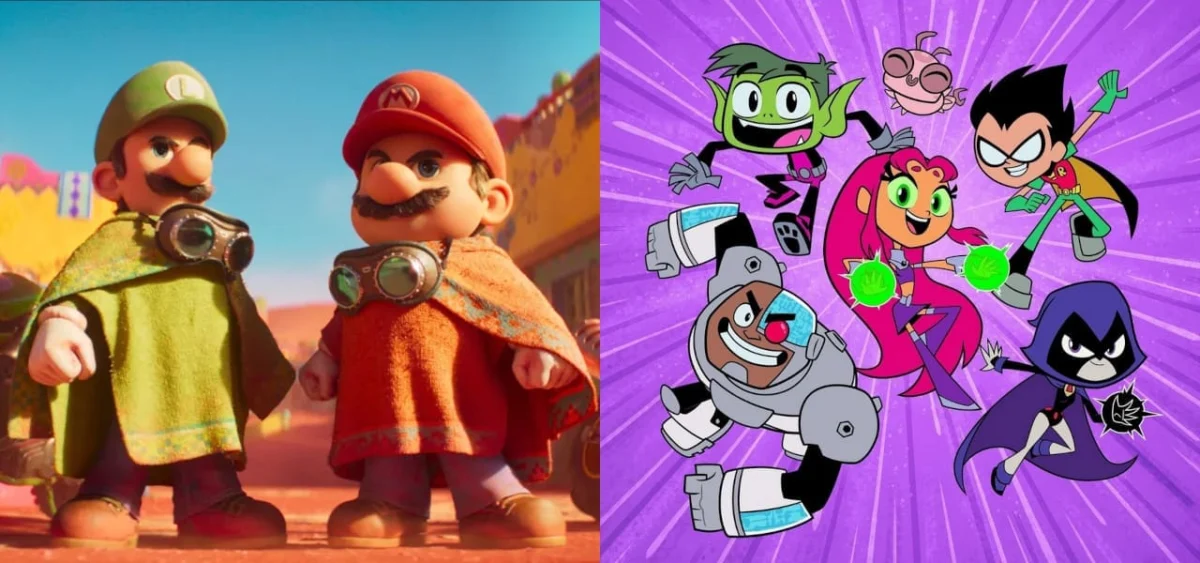
In a move that underscores the ongoing arms race for top-tier creative talent in the streaming landscape, Netflix has officially secured an overall development deal with the formidable directing duo Michael Jelenic and Aaron Horvath. Known globally for their unprecedented commercial success with the Super Mario Bros. cinematic franchise at Illumination, the filmmakers are now poised to pivot their creative focus toward original intellectual property for the streaming giant, encompassing both animated and live-action projects.
The partnership represents a significant "get" for Netflix’s animation division, which continues to aggressively court industry veterans who have demonstrated an ability to bridge the gap between niche fandom and mainstream, billion-dollar global appeal.
The Architects of Modern Animation Success
Michael Jelenic and Aaron Horvath have spent the better part of two decades establishing themselves as master architects of high-energy, comedy-forward storytelling. Before their meteoric rise to the helm of Nintendo’s flagship film adaptations, the pair earned their stripes in the trenches of television animation.
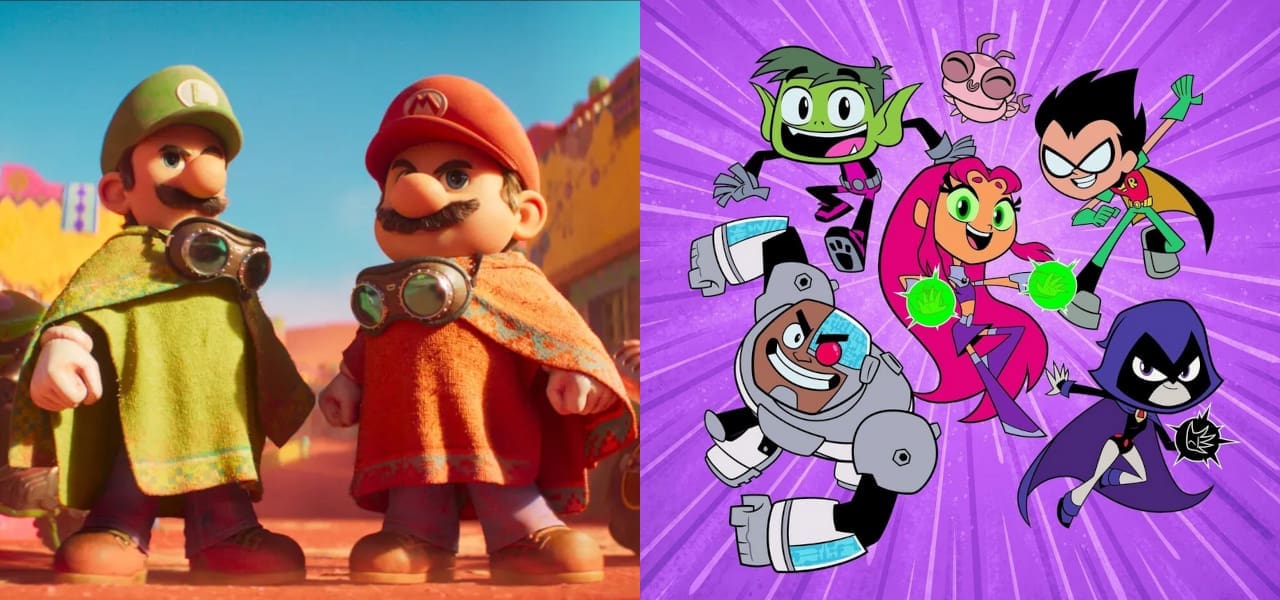
Their collaboration on Cartoon Network’s Teen Titans Go! is widely cited by industry analysts as a turning point in how serialized animation could maintain high energy while delivering sophisticated, self-aware humor. As supervising producer, Horvath brought a kinetic visual sensibility to the series, while Jelenic’s work as a producer and writer ensured that the show’s scripts remained sharp, satirical, and endlessly rewatchable. This specific blend of visual flair and comedic timing became the hallmark of their style, eventually drawing the attention of Illumination CEO Chris Meledandri.
Chronology of a Creative Trajectory
To understand the weight of this new Netflix partnership, one must look at the meteoric trajectory the pair has navigated over the last several years:
- The Television Era: Jelenic and Horvath became synonymous with the Teen Titans Go! brand, successfully guiding the series through hundreds of episodes and a feature-length spin-off. Their ability to handle legacy characters while reinventing them for a modern, digital-native audience established their reputation as safe, reliable, and visionary hands for major IP.
- The Nintendo Paradigm Shift: In 2023, the duo directed The Super Mario Bros. Movie. The film shattered box-office expectations, grossing over $1.3 billion worldwide and effectively proving that video game adaptations could serve as the bedrock of a new, highly lucrative cinematic universe.
- Continued Dominance: Their follow-up, The Super Mario Galaxy Movie, has continued this trend of fiscal dominance, with projections indicating the film is set to surpass the $1 billion mark by the end of May 2026.
- The Netflix Transition: With the announcement of this multi-year development deal, Jelenic and Horvath are now signaling a departure from established game universes toward the creation of original brands. This transition marks the next logical step in their careers: moving from stewards of existing IP to the creators of the next generation of global franchises.
Netflix’s Strategic Blueprint: Building a Creator-First Ecosystem
The recruitment of Jelenic and Horvath is not an isolated incident; rather, it is a key component of a long-running strategy at Netflix to foster a robust ecosystem of "A-list" animation creators. The platform’s leadership has long understood that in a crowded streaming market, original, high-quality animation is one of the most effective ways to drive subscription retention and long-term engagement.
Netflix’s history of creative partnerships reads like a "who’s who" of modern animation. By inking deals with visionaries like Jorge Gutiérrez, Ronnie del Carmen, Shion Takeuchi, and Alex Hirsch, Netflix has successfully diversified its content library beyond just sitcoms and dramas.
Perhaps the most prominent success story within this model is Guillermo del Toro. His multi-faceted partnership with the streamer—which included the Oscar-winning Guillermo del Toro’s Pinocchio—demonstrated that Netflix was willing to provide the creative freedom and production resources necessary for high-concept, auteur-driven animation. Similarly, the success of Adam Sandler’s animated feature Leo has proven that the streamer can leverage star power to anchor original animated films, leading to reports of a sequel currently in development.
For Jelenic and Horvath, the deal is a symbiotic arrangement. Netflix gains the services of directors who have proven they can command massive budgets and deliver blockbuster results. In exchange, the duo gains a global stage that allows them to experiment with original concepts—a freedom that is often limited when working within the strict brand parameters of multi-billion dollar legacy franchises like Mario.
Implications for the Future of Original Animation
The industry is watching the Jelenic-Horvath deal closely, as it signals several shifts in the animation landscape:
1. The Death of the "Niche" Barrier
For years, animation was often siloed into either adult-oriented satire or children’s entertainment. Jelenic and Horvath have spent their careers destroying that binary. Their work appeals to a broad demographic, capturing both the "kid" audience and the "nostalgic adult" demographic simultaneously. Netflix’s investment suggests they are looking for projects that possess this "four-quadrant" appeal—stories that feel essential to every member of a household.
2. A Shift Toward "Franchise-Ready" Originals
While the deal allows for original storytelling, the unspoken goal is clearly the creation of new IP that can function like a franchise. In an era where streaming platforms are under pressure to prove the long-term value of their libraries, Jelenic and Horvath’s ability to build worlds that sustain sequels, spin-offs, and merchandising is invaluable. The goal is no longer just to create a hit movie; it is to create a "brand ecosystem" that keeps viewers within the Netflix app for years.
.png)
3. The Talent War
The recruitment of two of the most successful directors in the current box-office climate is a direct challenge to traditional studios. By offering creative freedom and the ability to work in both live-action and animation, Netflix is successfully positioning itself as the "home of the auteur." This makes it increasingly difficult for legacy studios to retain talent who are eager to experiment with new mediums and formats.
What’s Next?
As of this writing, Netflix has remained tight-lipped regarding the specific titles that will emerge from this new partnership. However, industry insiders suggest that the projects will likely lean into the pair’s strengths: high-concept, fast-paced humor combined with sophisticated world-building.
The transition into live-action is perhaps the most intriguing element of the announcement. Given the duo’s extensive experience with visual effects and character-driven narratives, it is plausible that they will apply the same principles of "animated thinking" to their live-action ventures, potentially creating a visual language that feels fresh and distinct.
As the streamers continue to consolidate power, the Jelenic-Horvath deal serves as a reminder that content is king, but talent is the crown. By securing these filmmakers, Netflix has not only bolstered its production slate but has also sent a clear message to the competition: the streamer is fully committed to dominating the animation space by backing the creators who have already proven they can change the world of entertainment.
Whether these upcoming projects will achieve the same staggering financial heights as their Nintendo work remains to be seen, but one thing is certain: the eyes of the animation world are now firmly fixed on what these two will dream up next. In a landscape that often feels saturated with sequels and remakes, the promise of new, original intellectual property from two of the industry’s most successful directors is a welcome development for audiences and critics alike.

 Nana Wu
 Suro Senen