

The Aichi Prefecture, often overshadowed by the high-tech corridors of Tokyo or the historic temples of Kyoto, stands as one of Japan’s most compelling culinary frontiers. For the discerning traveler, the region offers a striking contrast: the bold, savory, and deep-rooted traditions of Nagoya’s urban food scene, and the serene, artisanal, and ocean-fresh flavors of Tokoname. Whether you are a business traveler transiting through Chubu Centrair International Airport or a tourist mapping out an itinerary, understanding the local palate of this region is essential for an authentic Japanese experience.
The Main Facts: Defining the Flavors of Aichi
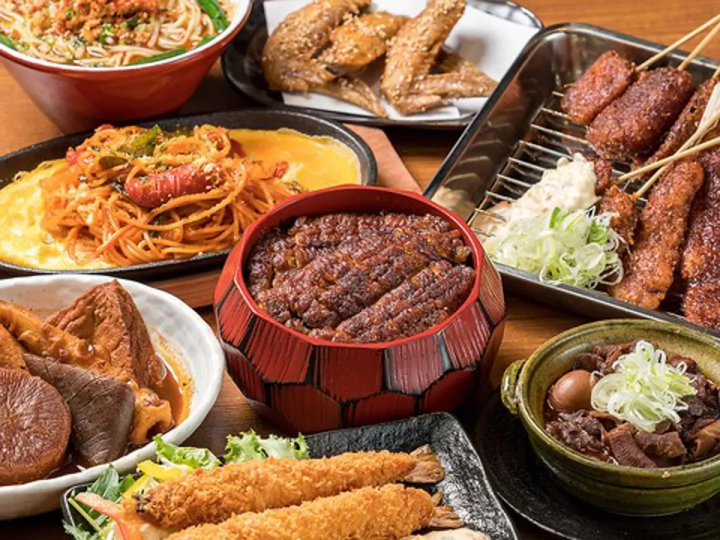
Aichi’s culinary identity is anchored in miso—specifically hatcho miso, a dark, fermented soybean paste that provides a robust, earthy foundation for many local dishes. In Nagoya, the culinary philosophy is often described as "Nagoya Meshi," characterized by strong, punchy flavors including hitsumabushi (grilled eel), tebasaki (spiced chicken wings), and miso katsu (pork cutlet with miso sauce).
Conversely, Tokoname, located just minutes from the international airport, offers a more meditative approach. Famous for its centuries-old pottery heritage, the town weaves its history into its food. Here, the focus shifts toward the bounty of Ise Bay, highlighting fresh seafood, delicate Japanese sweets, and the art of tea.
Chronology of Taste: A Recommended Gourmet Itinerary
To fully appreciate the scope of this region, we recommend a chronological approach to your dining experience:
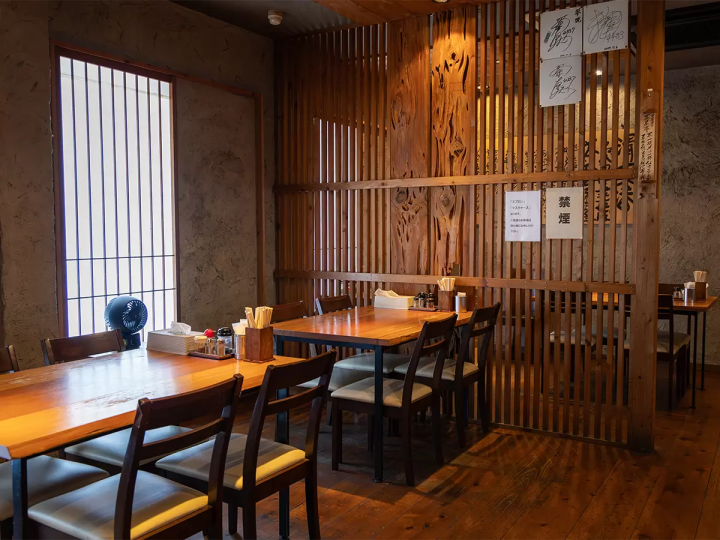
Phase 1: Morning/Lunch in Tokoname (The Artisanal Experience)
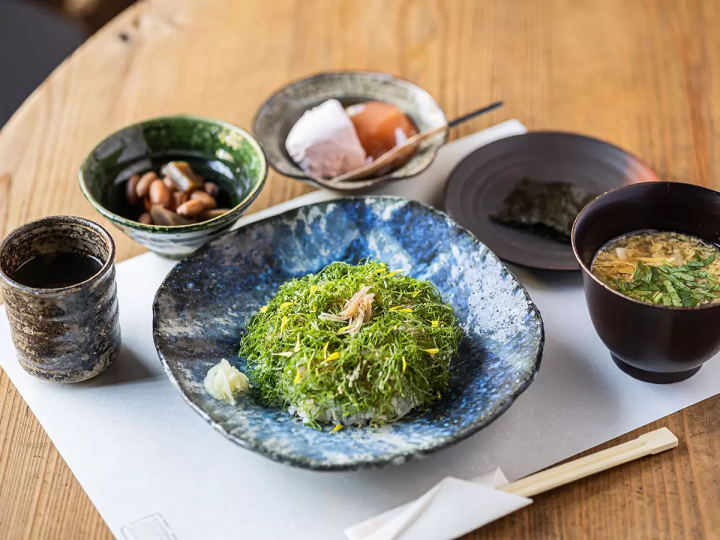
Start your day in the historic pottery district. Places like Tokonameya offer a unique window into the local culture. Housed in a renovated pipe factory that dates back to the height of the town’s industrial era, this venue serves Tokoname chirashi-zushi, featuring the freshest local catch served in handcrafted ceramic bowls.
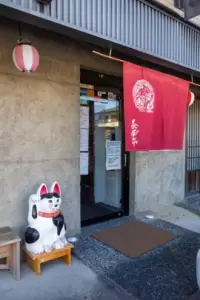
Phase 2: Afternoon Refreshment
After exploring the Pottery Footpath, enjoy a tea service. At Tokonameya, the experience is elevated by the use of traditional Tokoname-yaki teapots. There is a tangible difference in the flavor of tea brewed in these vessels, which are designed to bring out the subtle sweetness of sencha.
Phase 3: Evening in Nagoya (The Urban Nightlife)
As the sun sets, head toward the vibrant districts of Sakae or the IG Arena area. Nagoya’s nightlife is legendary for its late-night eateries. Whether you are craving the salty crunch of chicken wings or the rich, caramel-like finish of a Nagoya-style miso dish, the city remains alive well after 9:00 PM.
Supporting Data: Gourmet Highlights
1. Chayatei: The Ramen Specialist
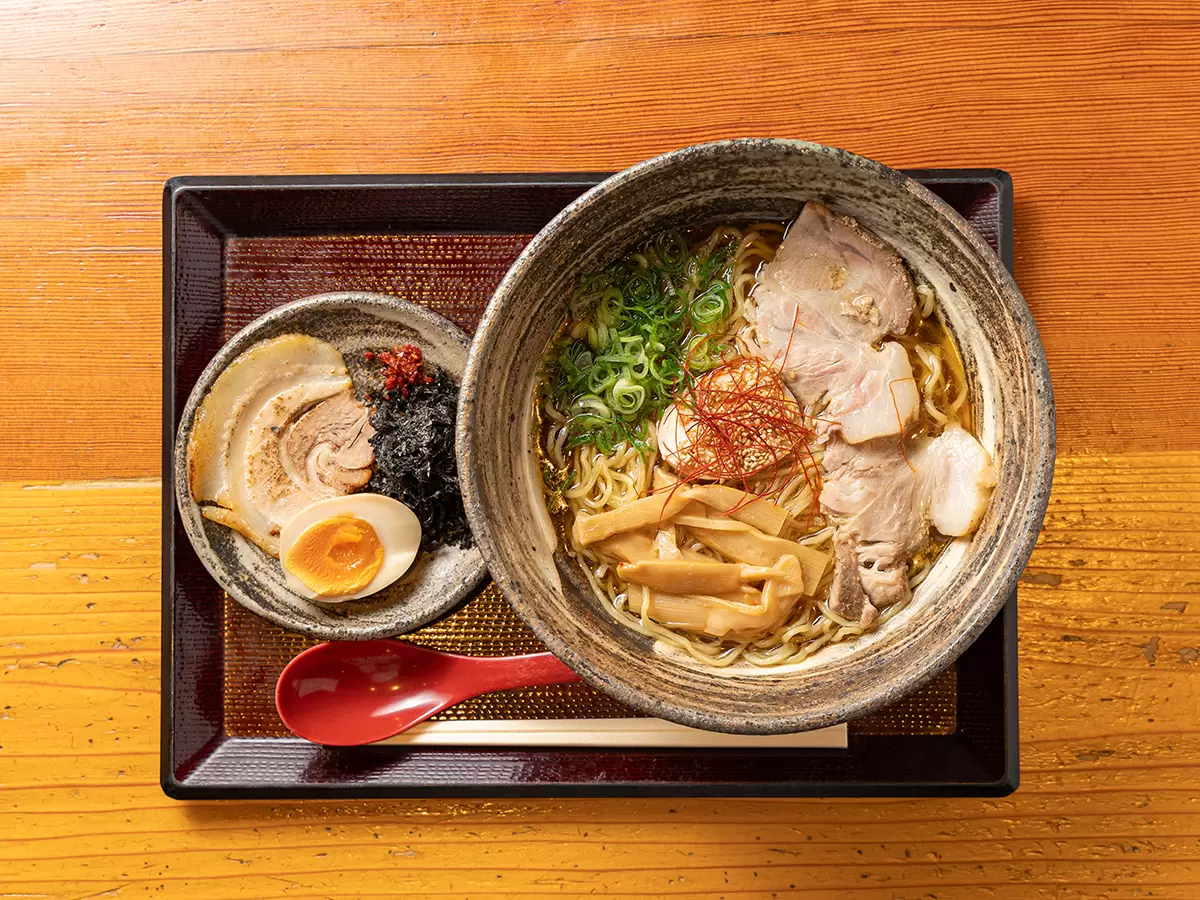
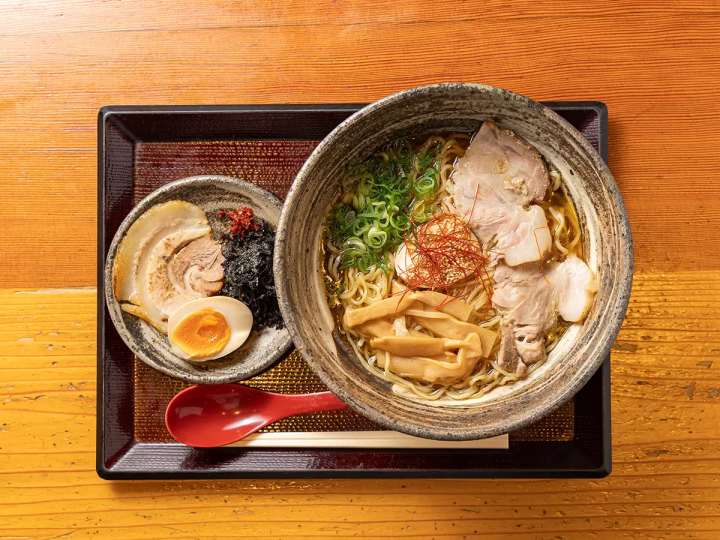
Located just a six-minute walk from Tokoname Station, Chayatei exemplifies the "local flavor" philosophy. Their signature Meichu Soba is a masterclass in balance.
- The Broth: A sophisticated blend of chicken stock and seafood-based Japanese dashi.
- The Ingredients: Incorporates Onizaki seaweed, a local treasure, and regional seasonings like tamari soy sauce and mirin.
- Why it Matters: It rejects the modern trend of "flashy" ramen, opting instead for a depth of flavor that speaks to the region’s culinary history.
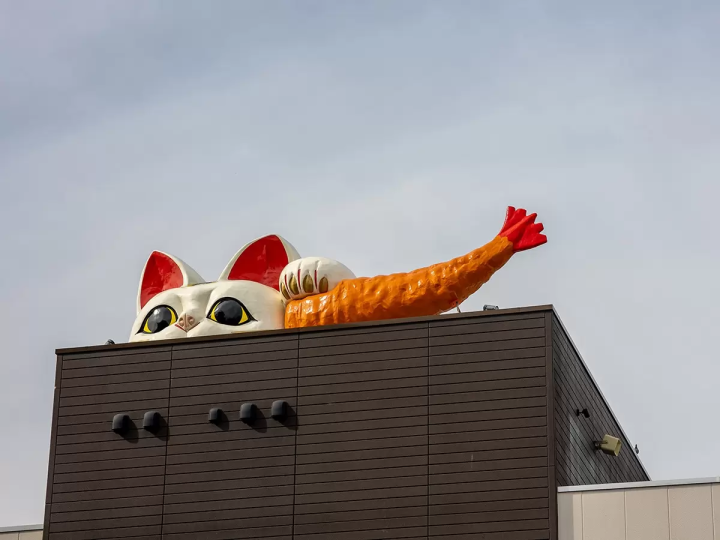
2. Maruha Shokudo: Ocean-to-Table Freshness
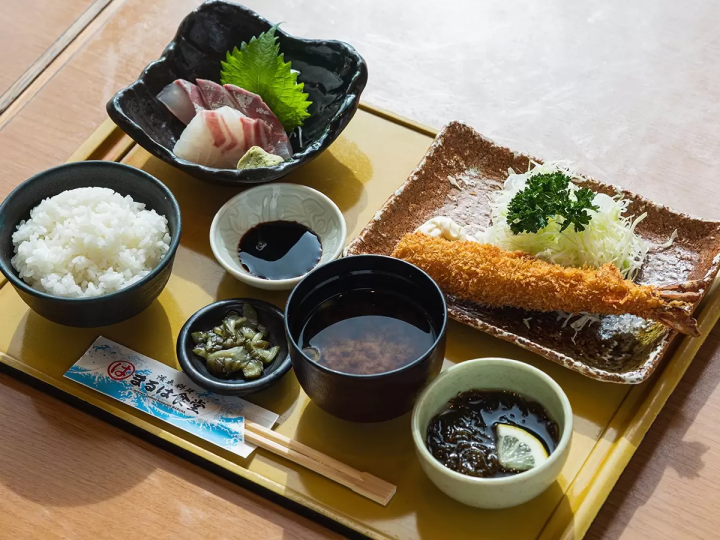
With branches at both the airport and Rinku Tokoname, Maruha Shokudo is the premier choice for seafood lovers.
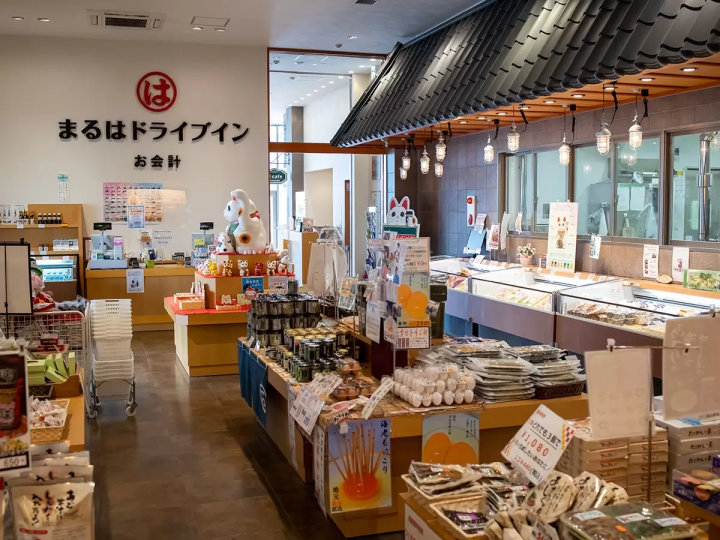
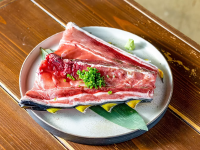
- Specialty: Jumbo fried shrimp that is so substantial it practically overflows from the plate.
- Logistics: Fresh seafood is delivered daily from the Toyohama Fishing Port, ensuring that whether you order sashimi or grilled fish, the quality is consistent with a high-end seaside restaurant.
- Visual Appeal: The Rinku Tokoname branch offers views of the runway and Ise Bay, creating an atmosphere that perfectly complements the menu.
Official Perspectives: The "Happy Come On TOKONAME" Initiative
The Tokoname Tourism Association has adopted the slogan "Happy Come On TOKONAME." This is more than a marketing gimmick; it is an official operational philosophy. The association emphasizes that tourism in the area is intended to be a regenerative experience. By connecting visitors with the local potters and fishermen, they aim to ensure that travelers leave not just with a full stomach, but with a renewed sense of energy. This "power of happiness" is a cornerstone of the local government’s effort to maintain the cultural integrity of the town while welcoming international visitors.
Implications: Why Nagoya and Tokoname are a Perfect Pair
For the international traveler, the logistics of visiting both areas are remarkably simple. The transit time from Nagoya Station to Tokoname is a mere 30–40 minutes by train, and the airport is only five minutes from Tokoname station.
The Urban vs. The Local
- Nagoya provides the high-energy, "big city" culinary experience. It is the place to indulge in the intense, savory, and sometimes heavy flavors that define Japanese "comfort food."
- Tokoname acts as the necessary palate cleanser. It is where you find the quiet, sophisticated side of Aichi—where the food is an extension of the local geography (the sea) and the local craft (pottery).
Future Trends
As Chubu Centrair International Airport continues to expand its reach, the "Gourmet Trip" model—where transit time is minimized and dining quality is maximized—is likely to become the standard for regional travel. By combining a night out in the neon-lit streets of Sakae with an afternoon in the clay-dusted, serene alleys of Tokoname, visitors can experience the full spectrum of what Aichi has to offer.
Final Recommendations for the Traveler
When planning your visit:
- Check Operating Hours: While Nagoya’s city center is late-night friendly, many of Tokoname’s artisanal shops close earlier. Plan your seaside meal for lunch or early dinner.
- Engage with the Craft: Don’t just eat the food; ask about the pottery it is served on. In Tokoname, the vessel is just as important as the meal.
- Utilize Digital Resources: Keep a copy of the Nagoya City guide (nagoya-info.jp) handy for late-night dining options, and check the Google Maps links provided for each establishment to ensure you have the most up-to-date transit routes.
Aichi is a prefecture that rewards curiosity. Whether it is the aroma of dashi simmering in a Tokoname workshop or the sizzle of a Nagoya miso katsu on a hot iron plate, the flavors here are designed to stay with you long after your flight has departed.












No comments yet. Be the first to join the conversation!