

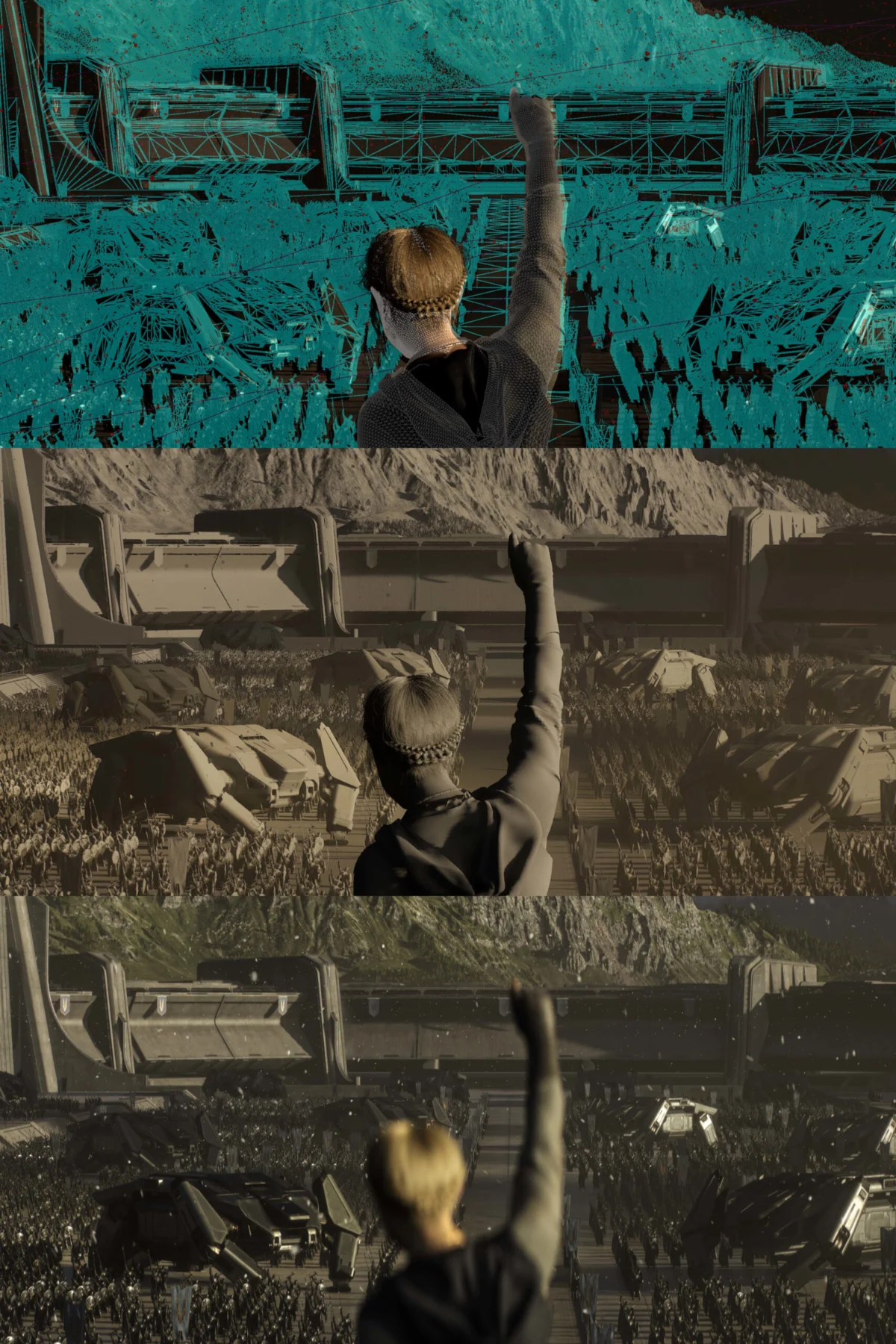
By Jamie Lang | May 12, 2026
When the words "Unreal Engine short film" are uttered in industry circles, they are often met with a specific, weary set of expectations. Critics and peers alike have grown accustomed to a flood of hyper-polished tech demos: high-fidelity cinematics that function more as advertisements for GPU power than as vessels for narrative substance. They are often dismissed as "video game cutscenes" stripped of their interactive context, chasing the fleeting gaze of studio executives rather than the emotional investment of an audience.
Antonis and Stavros Fylladitis, a Greek filmmaking duo operating under the banner of Floating House Pictures, set out with a singular, ambitious goal: to shatter these preconceptions. Their latest project, Sjor, a 17-minute animated short, stands as a testament to the idea that real-time rendering tools are not merely for show—they are the next frontier for independent, character-driven storytelling.
The Core Narrative: An Ancient Future
Sjor is a dense, atmospheric fusion of science fiction and Norse-inspired mythology. It follows the titular Princess Sjor in the aftermath of a devastating familial betrayal. As she navigates a treacherous landscape of ancient gods and looming empires, she finds an unlikely ally in a warrior named Halvar.
Unlike the sterile, empty environments often found in tech showcases, the world of Sjor feels lived-in and heavy with history. It evokes the scope of Dune or the world-building of Stargate, yet it remains firmly rooted in the intimate struggle of its protagonist. By grounding their high-concept premise in human emotion, the Fylladitis brothers have managed to create a piece of cinema that demands to be watched for its story, not its frame rates.

Chronology of Production: From Fan Viral Hits to Original Mythology
The Fylladitis brothers are no strangers to the demands of real-time production. Antonis, a veteran with over 25 years in the industry, and Stavros, who joined him professionally nearly two decades ago, have built a career on the intersection of VFX and game cinematics. Their expertise was solidified following the massive viral success of their fan film, Superman: Awakens.
That project, which garnered millions of views, served as a turning point. "We had a lot of offers for directing game cinematics," Stavros recalls. "Since then, it’s like the last three or four years, we are 100% into game cinematics. That allowed us to polish our pipeline and our skills. That’s why Sjor came out so easily, I would say. We took stuff that we are already applying in our daily work and tried to evolve it into something bigger."
The production of Sjor spanned roughly one year. Despite the cutting-edge nature of the engine, the brothers resisted the temptation to skip the "boring" parts of filmmaking. They adhered to a rigorous, traditional pipeline:
- Development: Scripting and narrative structure.
- Pre-production: Storyboarding and animatics.
- Previsualization: Defining the camera language before committing to high-fidelity assets.
- Execution: Iterative polishing within Unreal Engine.
This adherence to classical filmmaking structure is exactly why Sjor succeeds where other tech-focused shorts fail.
Supporting Data: Scaling the Scope
One of the most striking aspects of Sjor is its length. Initially, the brothers were skeptical about producing a 17-minute short, fearing that the audience’s attention span in the era of short-form social media content might not sustain it.
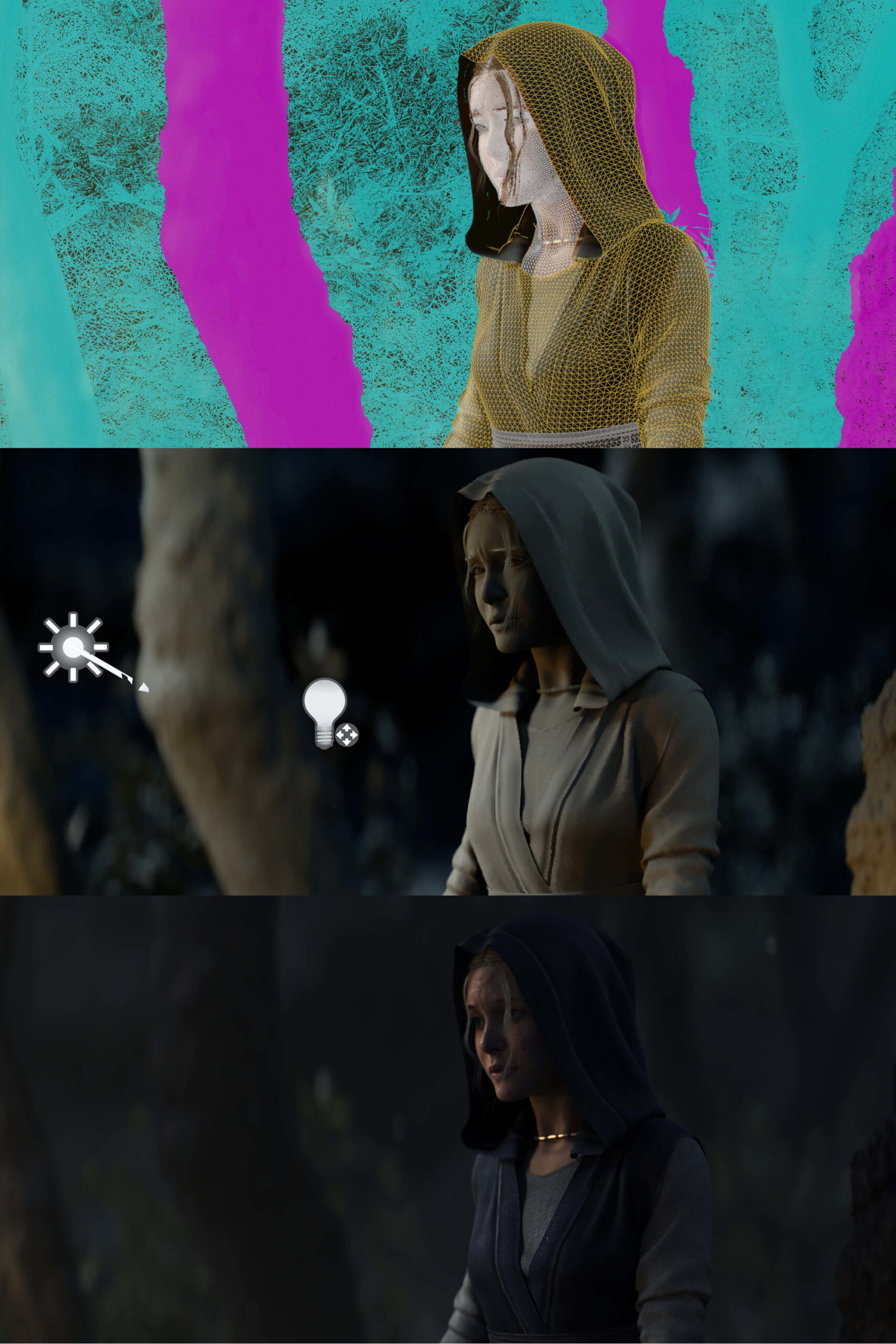
"We were a little bit skeptical. How can we fit it into five minutes? Maybe break it up into three parts?" Stavros noted. Yet, the story possessed its own momentum. As they built the world, the narrative expanded, naturally evolving from a short concept into a 17-minute cinematic piece.
To manage this scale without an army of artists, the duo utilized "resourceful design." They employed lighting and atmospheric effects—smoke, fog, and shadow—to imply massive scale without the need for exhaustive, hyper-detailed asset modeling for every background element. It is a lesson in economy: by focusing the viewer’s eye on the characters and using environmental lighting to fill in the gaps, they achieved a blockbuster look on a lean, independent budget.
The ‘Ancient Future’ Aesthetic
The brothers describe their visual philosophy as the "Ancient Future." This aesthetic serves as the connective tissue between the film’s disparate elements: monolithic, futuristic architecture contrasted against the primal, grounded reality of Norse-inspired forests, bone-adorned armor, and cryptic, mystical runes.
"We always seem to do gritty and dark, grounded stuff," Antonis explains. "We wanted to incorporate technology into it, sci-fi stuff you would say, but without going overboard like Star Wars or lightsabers." This restraint is key. By avoiding the common tropes of space opera, they have carved out a unique visual identity that feels both alien and strangely familiar.
Official Responses and Philosophy
In an era where AI-generated imagery is flooding digital platforms, the Fylladitis brothers have taken a stance of radical transparency. They have begun documenting their workflows through behind-the-scenes content, explicitly demonstrating the human labor, technical problem-solving, and creative decision-making involved in the project.
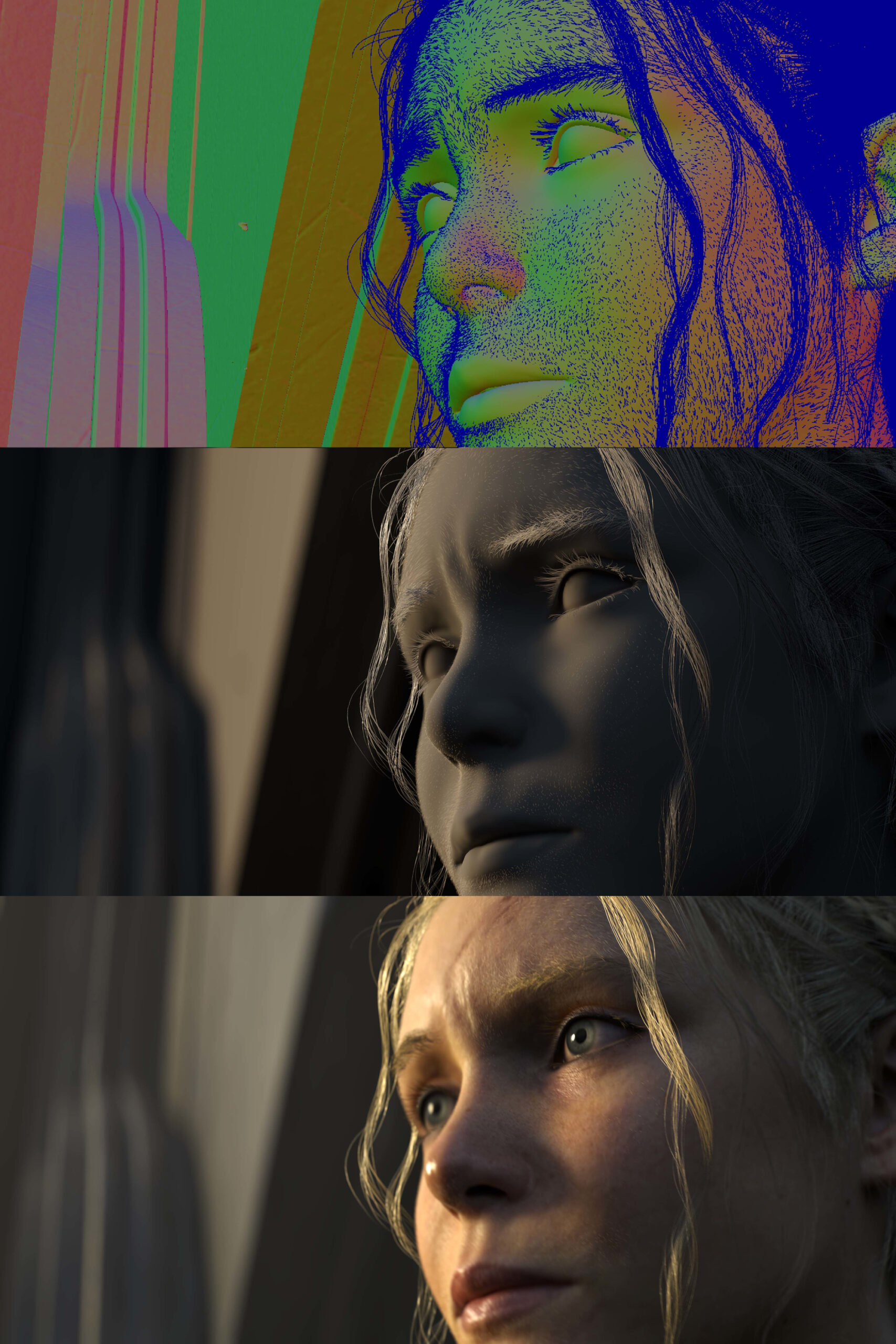
"We are seeing a lot of messages asking about how we approached this scale of project," Antonis says. "Our intention is in the near future to showcase some workflows." This openness is a cornerstone of their professional philosophy. Having learned their craft from the collective knowledge shared online, they view the dissemination of their own techniques as a responsibility to the community.
Perhaps the most telling aspect of their response to the film’s release is their metric for success. In a landscape dominated by "viral" culture and vanity metrics like view counts and algorithm performance, the brothers turned inward. "Once we felt that the movie was coming along and we were watching it here, for us, it was like, ‘That’s it!’" Stavros says. "This is ours. We did this, we like it, and we are done. Now, if people watch it and it gets traction and brings us some work… it’s a plus. But the main objective is we like it, we feel proud of it."
Implications for the Industry
The success of Sjor carries significant implications for the future of independent animation. It proves that:
- Real-time is a tool, not a genre: The technology does not dictate the quality of the storytelling; the director does.
- The "Pipeline" is universal: The traditional methods of animation—storyboards, animatics, and pre-vis—remain the most effective way to ensure a story holds emotional weight, regardless of the rendering engine.
- Small teams are viable: With the right expertise, a small group of artists can achieve visual fidelity that once required entire studio departments.
As the brothers look to the future, Sjor is clearly intended to be a foundational work. They have expressed interest in expanding this universe into comics, interactive media, or further long-form video projects.
"Everything that we know, we learned from somewhere," Stavros concludes. "It’s from the information that is out there, so we want to share what we know, too." In doing so, they aren’t just creating a new film; they are helping to build the blueprint for the next generation of independent, tech-forward filmmakers. Sjor is not just a triumph of rendering—it is a triumph of intent, proving that at the heart of every great digital experience, there must be a human story.










No comments yet. Be the first to join the conversation!