Neng Nana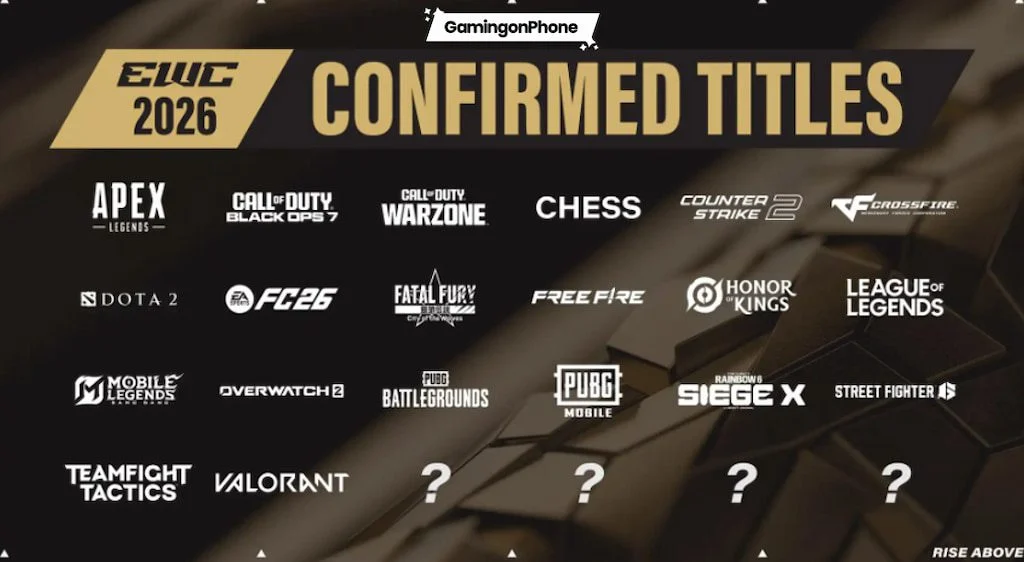
The landscape of competitive gaming is set for a seismic shift. In a landmark announcement that has sent shockwaves through the global gaming community, the Esports World Cup (EWC) Foundation has officially confirmed that the 2026 edition of the world’s premier esports festival will be hosted in Paris, France. Scheduled to run from July 6 to August 23, 2026, this move marks the first time the multi-genre extravaganza will venture outside of its inaugural home in Riyadh, Saudi Arabia, signaling a new, global era for the organization.
With a record-shattering prize pool exceeding $75 million, the 2026 tournament is poised to become the most lucrative event in the history of competitive gaming. As Paris prepares to welcome over 2,000 elite athletes representing 200 professional clubs from more than 100 countries, the city is ready to cement its reputation as the global capital of both traditional and digital sports.
The Core Facts: A Tournament of Unprecedented Scale
The EWC 2026 is not merely a tournament; it is a massive logistical and cultural undertaking. Over the course of nearly seven weeks, the event will feature 24 distinct game titles spread across 25 high-stakes tournaments. The sheer breadth of the competition ensures that the EWC caters to every segment of the gaming audience, from tactical first-person shooters and complex MOBAs (Multiplayer Online Battle Arenas) to the rapidly expanding mobile esports sector.
Among the confirmed titles are industry giants such as Free Fire, Honor of Kings, Mobile Legends: Bang Bang (MLBB), and PUBG Mobile. These mobile titles, which command massive viewership in emerging markets, will share the stage with 19 other premier competitive games, creating a diverse ecosystem that rewards versatility, strategy, and mechanical mastery.
Chronology of a Global Expansion
The journey to Paris has been a calculated, multi-year progression for the Esports World Cup Foundation.
- The Inaugural Success (2024): The EWC launched in Riyadh, Saudi Arabia, setting a high bar for production quality and community engagement. It proved that a multi-game, Olympic-style format could thrive in the esports space.
- The Growth Phase (2025): The second season saw exponential growth, with viewership figures reaching staggering heights. The foundation reported over 750 million unique viewers and 350 million hours of content consumed, with peak concurrent viewership nearing 8 million. This success provided the financial and operational confidence to pursue international expansion.
- The Announcement (May 2026): Following months of industry speculation and rumors regarding a European expansion, French President Emmanuel Macron confirmed the news via social media. His endorsement underscored the government’s commitment to positioning France as a nexus for digital innovation.
- The Upcoming Summer (2026): With the dates locked from July 6 to August 23, the foundation is currently in the advanced stages of venue selection and infrastructure development within Paris to accommodate the influx of thousands of players, staff, and fans.
Supporting Data: Why the Move to Paris Matters
The decision to host in Paris is underpinned by data that reflects the evolving nature of the esports demographic. The EWC Foundation’s shift to Europe is a strategic play to tap into the mature, highly engaged Western European gaming market.
Economic and Viewership Metrics
The viewership growth between 2024 and 2025 was not incidental; it was the result of a refined digital broadcast strategy. By moving to Paris, the organizers aim to optimize broadcast times for European and North American audiences, potentially breaching the 1 billion total viewer mark for the 2026 event. The $75 million prize pool acts as a magnet for the world’s top organizations, ensuring that the level of play remains the highest in the world.
The Synergy of the "Pragmatic and Digital"
The 2026 calendar for Paris is particularly unique. With the city also slated to host events related to the Winter Olympics cycle, the presence of the EWC creates a "Dual-Sport" atmosphere. This alignment allows for a fascinating convergence of traditional sports fans and the digital-native generation, providing a blueprint for how cities can monetize the intersection of high-performance athletics and competitive gaming.
Official Responses and Strategic Vision
The leadership behind the EWC has been vocal about the intent behind this relocation. Ralf Reichert, CEO of the Esports World Cup Foundation, framed the move as the natural evolution of the tournament’s mission.

"Riyadh helped turn the Esports World Cup into a global phenomenon," Reichert stated. "It provided the foundation, the resources, and the vision. This year, we are incredibly excited to bring EWC to Paris for its first edition outside Saudi Arabia. It is a testament to the fact that esports is truly a universal language."
The French government has mirrored this enthusiasm. President Emmanuel Macron’s public statement, thanking Saudi Arabia for its trust and expressing pride in welcoming the world to France, highlights the diplomatic value of esports. Hosting the EWC is seen as a major win for France’s "soft power" strategy, proving that the nation is a welcoming hub for modern technology and international collaboration.
Implications for the Esports Industry
The migration of the EWC to Paris carries profound implications for the industry at large.
1. The Decentralization of Esports
For years, the critique of the esports industry was its reliance on specific regional hubs—primarily Seoul, Los Angeles, and more recently, Riyadh. By moving the EWC, the foundation is proving that a "roaming" model, similar to the FIFA World Cup or the Olympics, is viable for esports. This shift encourages other organizers to look beyond fixed venues and consider the benefits of a global circuit.
2. Legitimacy and Governmental Support
When a G7 nation hosts a massive, multi-million dollar esports tournament with the active support of its Head of State, it accelerates the normalization of esports as a legitimate career path and a respected professional discipline. This level of institutional backing helps in securing visas, sponsorships, and long-term infrastructure investment.
3. The Rise of Mobile Esports
The inclusion of five major mobile titles as core components of the $75 million prize pool is a definitive statement. For too long, the industry focused on PC-based titles. The EWC’s commitment to mobile gaming acknowledges that, for the vast majority of the world’s population, the smartphone is the primary gaming device. This will likely trigger a surge in investment for mobile-centric organizations and developers in the European market.
Conclusion: A New Chapter
As the countdown to July 6, 2026, begins, the eyes of the world turn toward Paris. The EWC 2026 represents a daring, calculated expansion that moves beyond simple competition to become a global celebration of digital culture. Whether it is the tactical precision of a PUBG Mobile squad or the strategic depth of an Honor of Kings team, the tournament will provide a stage unlike any other.
The legacy of this event will not only be measured in prize money or viewership numbers, but in its ability to unite a fragmented industry under one banner. By bridging the gap between the Middle East’s ambition and Europe’s cultural center, the Esports World Cup is setting the stage for a future where gaming is not just a hobby, but the preeminent sport of the 21st century.
For ongoing coverage of the EWC 2026, including team qualifications, venue details, and exclusive interviews with the players, keep your eyes on our dedicated esports portal. Stay connected through our Telegram group, Discord server, and Google News feed for the latest, real-time updates as we head toward the biggest summer in esports history.


 Muslim
 Rifan Muazin