Neng Nana
The delicate architecture of the global semiconductor industry is once again under fire. As the world navigates the cascading economic consequences of the ongoing conflict in Iran and the subsequent volatility surrounding the Strait of Hormuz, the tech sector is facing a new, potent threat. Reports indicate that a critical chemical component—anhydrous hydrogen fluoride—has seen its price skyrocket, threatening to push the cost of memory and storage components to new heights by mid-summer.
For the semiconductor industry, which relies on "just-in-time" supply chains to maintain efficiency, the current situation serves as a stark reminder of how fragile the manufacturing process remains. With memory chip demand already stretched to its breaking point by the AI boom, this localized chemical crisis could represent the next major domino to fall in a global tech market already reeling from logistical instability.
The Chemistry of Crisis: Why Hydrogen Fluoride Matters
To understand the severity of this development, one must look at the microscopic level of chip fabrication. Anhydrous hydrogen fluoride is an indispensable reagent in the semiconductor manufacturing process. It is primarily used for the etching and cleaning of silicon wafers, serving as the "chemical scalpel" that removes oxide films and metal contaminants to ensure the purity required for modern, high-density memory chips.
The chemical is produced through a reaction involving fluorite and sulfuric acid. Herein lies the crux of the problem: sulfuric acid is largely derived from sulfur, a critical byproduct of oil and natural gas refining. The geopolitical tensions in Iran have not only disrupted shipping routes through the Strait of Hormuz but have also significantly curtailed regional refining capacities. As oil and gas output slows, the supply of sulfur—and by extension, the production of sulfuric acid—has plummeted.
Because sulfuric acid accounts for more than 50% of the total production cost of anhydrous hydrogen fluoride, the recent surge in global energy prices has triggered a direct, proportional increase in the cost of the chemical itself.
Chronology of a Supply Chain Breakdown
The path to the current crisis did not happen overnight; it is the result of a compounding series of economic and environmental pressures that have converged over the last several months.
- February 2026: The onset of conflict in Iran begins to disrupt regional energy markets, causing ripples in the global oil and gas supply chain.
- Early April 2026: Global chemical tracking services, including Echemi, report a sudden 3% spike in anhydrous hydrogen fluoride prices within a single week. Simultaneously, the price of sulfuric acid surges by 27%, fueled by the scarcity of raw sulfur.
- Mid-April 2026: A mining accident at a major fluorite facility in China’s Zhejiang Province further tightens supply. China, responding to domestic shortages, begins to restrict exports of hydrogen fluoride.
- Late April to Early May 2026: Global prices for anhydrous hydrogen fluoride reach a staggering 130% increase compared to levels seen at the beginning of the year.
- Mid-May 2026: South Korean chemical suppliers, including industry leaders like Soulbrain, ENF Technology, and Foosung, begin receiving shipments of the now-expensive raw material.
- June 2026 (Projected): Chemical processors finalize their internal cost-adjustment calculations.
- July 2026 (Projected): South Korean memory giants, including Samsung and SK Hynix, are expected to absorb the first wave of these price hikes as the cost of processed etching materials is passed down the supply chain.
Supporting Data: The Anatomy of the Price Hike
The 130% price increase is not merely a statistical outlier; it is an economic signal that the semiconductor manufacturing environment has fundamentally changed. Data from international trade monitors suggests that while manufacturers have managed to navigate previous disruptions, the sheer scale of the current raw material deficit is unprecedented in the post-pandemic era.
Furthermore, the reliance on Chinese exports for raw fluorite and refined chemicals has left companies in South Korea—the global hub for DRAM and NAND production—vulnerable to the internal fiscal policies of their trading partners. With sulfuric acid prices holding steady at elevated levels due to the lack of crude oil throughput, there is little expectation that the cost of anhydrous hydrogen fluoride will return to "normal" in the near term.
Industry analysts are particularly concerned because this cost pressure is occurring at a time when chipmakers have zero margin for error. Unlike previous supply crunches, where large stockpiles of finished memory chips could be used to buffer market volatility, current inventories are at record lows. The global obsession with AI infrastructure has created a permanent "seller’s market," meaning any increase in production costs is almost certain to be immediately reflected in the retail price of consumer hardware.
Official Responses and Strategic Shifts
Neither the South Korean government nor the major chip conglomerates have remained idle. Samsung and SK Hynix, both of which are currently managing the extreme pressure of AI-driven memory demand, are reportedly in emergency consultations with their chemical suppliers to determine how to mitigate the impact on their bottom lines.
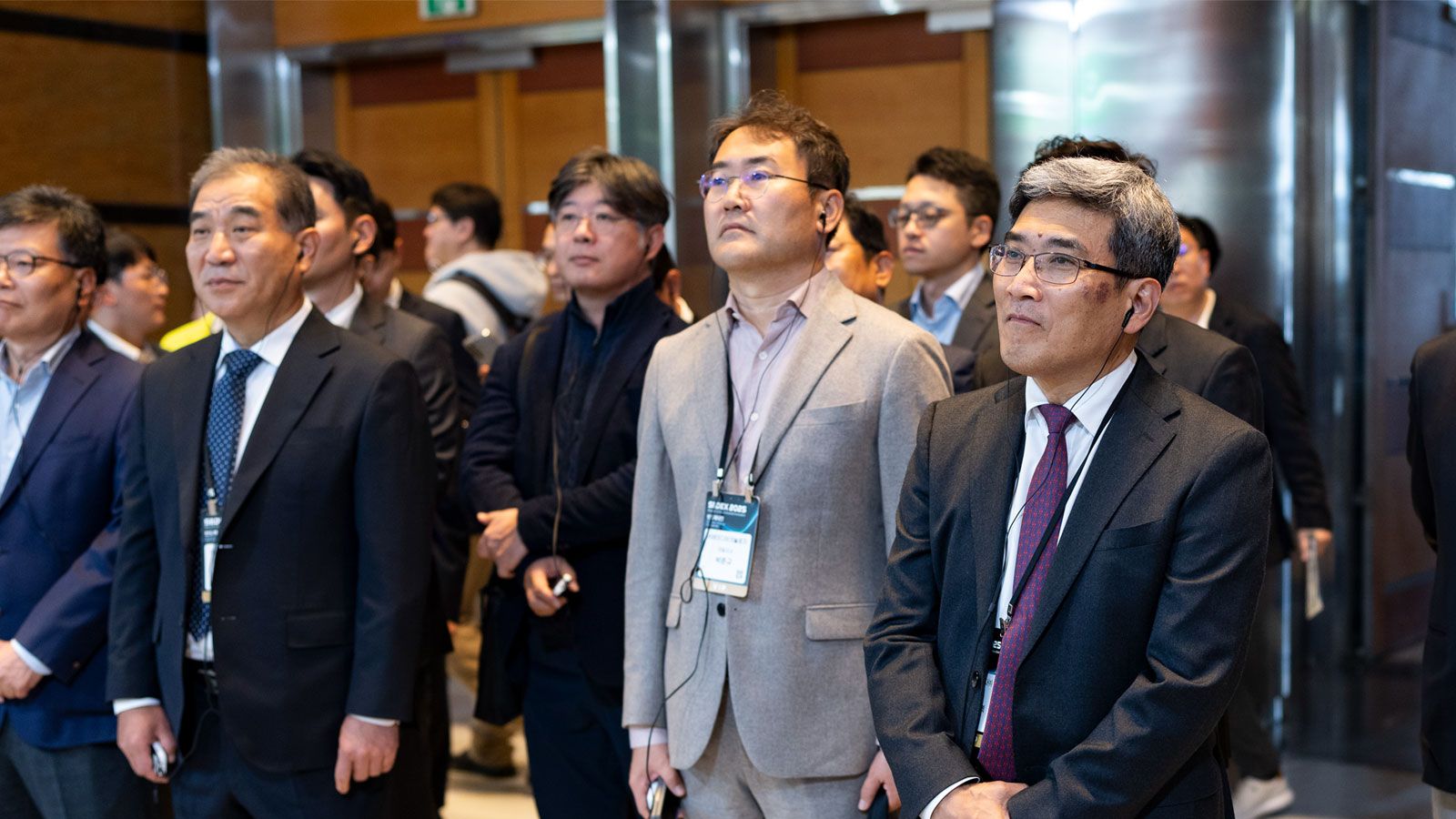
However, the consensus among industry experts is that these firms will not—and cannot—absorb these costs. Given that memory chip fabrication is already an incredibly capital-intensive business, analysts anticipate that the cost increase will be passed on to OEMs (Original Equipment Manufacturers) and, eventually, to the end-consumer purchasing smartphones, laptops, and enterprise-grade servers.
In a move reminiscent of the 2019 Japan-South Korea trade dispute, where export controls on hydrogen fluoride forced a massive shift in supply chain sourcing, South Korea is once again looking for ways to reduce its reliance on external suppliers. The 2019 crisis, while initially terrifying for the tech industry, ultimately resulted in South Korea diversifying its supply chains toward the U.S. and Taiwan. Today, the focus has shifted toward domestic production.
Implications for the Future: A Long-Term or Short-Term Hurdle?
The critical question for consumers and investors alike is whether this is a permanent structural shift or a temporary, albeit painful, adjustment.
There is a beacon of hope on the horizon: the Ulsan facility. Backed by a $100 million investment and spearheaded by Fluoride Korea, this new plant is designed to provide a domestic source for anhydrous hydrogen fluoride. With a projected annual capacity of 50,000 tons, the plant is expected to meet nearly half of South Korea’s total demand.
While this facility is not expected to be fully operational until the fourth quarter of 2026, its arrival represents a significant strategic pivot. By localizing the production of one of the most critical chemicals in the semiconductor industry, South Korea is attempting to insulate its most vital economic engine from the whims of international geopolitical conflict.
However, the period between now and Q4 2026 remains a danger zone. With global sulfur prices continuing to exhibit volatility and no clear resolution in sight for the conflict in the Middle East, the chip industry is essentially walking a tightrope.
Conclusion: The New Reality of Semiconductor Economics
The "canary in the coal mine" for the semiconductor industry has always been the price of its chemical reagents. When hydrogen fluoride becomes expensive and scarce, the entire downstream ecosystem feels the heat.
As we move toward the second half of 2026, the tech industry is witnessing a confluence of high demand and supply-side constraints that could define the next several quarters. While the planned expansion of domestic production in South Korea offers a path to stability, the immediate future is one of rising costs and continued uncertainty. For the consumer, this likely means that the "affordable" era of high-capacity memory and storage may face a brief, inflationary period as the industry struggles to reconcile the high costs of raw material with the relentless demand for more silicon.
History has shown that the semiconductor industry is remarkably resilient, capable of pivoting and innovating its way out of even the most severe supply chain crises. Whether it can do so again in the face of this current chemical bottleneck remains the defining question for the tech sector this year.


 Dwi Wanna
 Siti Muinah