

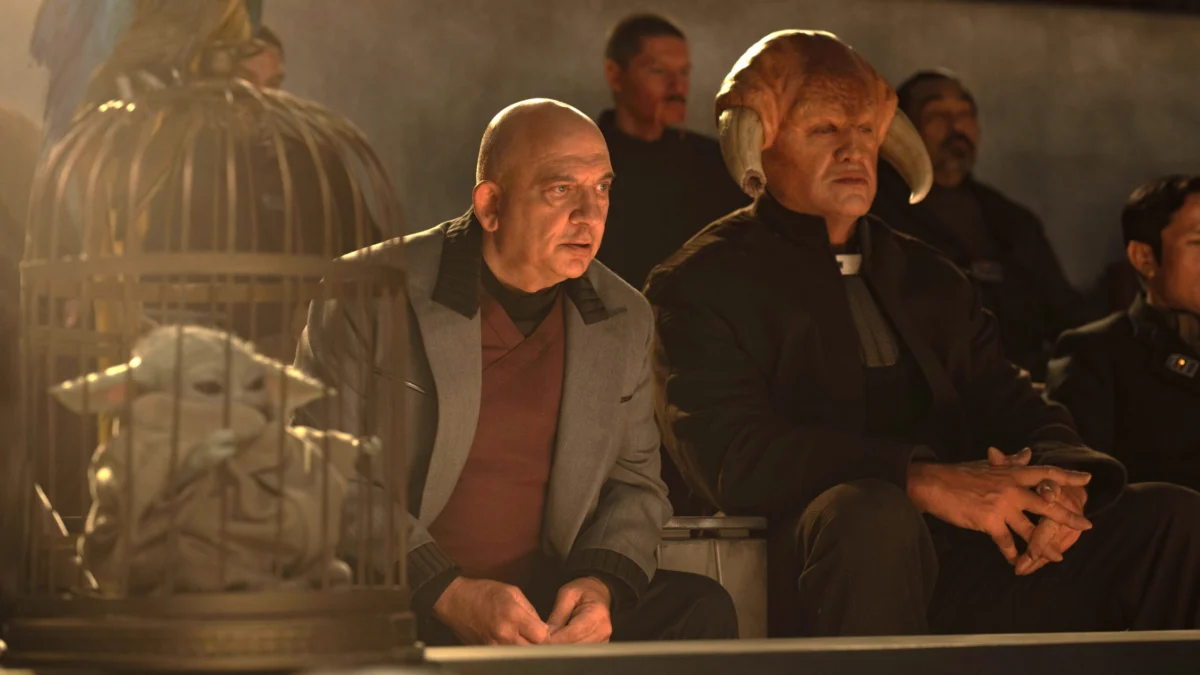
The release of The Mandalorian and Grogu on May 22, 2026, marks a watershed moment for the Star Wars franchise. As the first theatrical entry in the saga since 2019’s The Rise of Skywalker, the film carries the immense weight of expectation. Directed by Jon Favreau, the film serves as a grand-scale culmination of the narrative threads established across three seasons of the hit Disney+ series. While early critical reception has been measured—with a 60% approval rating on Rotten Tomatoes and a 2.5/5-star rating in official reviews—the film’s cultural footprint remains undeniable. It is a cinematic event that bridges the gap between the small-screen success of streaming television and the spectacle of the silver screen.
Main Facts: The New Chapter in the Galaxy
The Mandalorian and Grogu picks up the mantle of the "Mando-verse" initiated by Favreau and Dave Filoni. The plot follows the titular bounty hunter, Din Djarin, as he navigates a post-Imperial galaxy. The film introduces new antagonists, including the mysterious Lord Janu, portrayed by veteran character actor Jonny Coyne.
The core conflict centers on the remnants of the Empire, a group of splintered factions struggling for power following the fall of Moff Gideon. For fans who have not kept pace with the complex lore of the streaming series, the film acts as a high-stakes adventure that emphasizes the paternal bond between the armored warrior and his Force-sensitive companion, Grogu. The film represents a strategic shift for Lucasfilm, moving away from the "Skywalker Saga" and toward character-driven narratives that define the "New Republic" era.
A Chronological Evolution of the "Mando-Verse"
To understand the significance of this film, one must look back at the trajectory of the Star Wars universe post-2019.
- 2019: The Mandalorian debuts on Disney+, proving that the Star Wars brand could thrive in the serialized streaming format.
- 2020–2023: The success of The Mandalorian triggers a wave of spin-offs, including The Book of Boba Fett, Ahsoka, and Skeleton Crew, expanding the Shadow Council lore.
- 2023: During the third season of The Mandalorian, the Shadow Council is introduced, featuring a mysterious figure—later revealed to be Lord Janu—who hints at the fragmentation of the Imperial remnants.
- 2024–2025: Production for the theatrical film intensifies, with Jon Favreau confirming that the film will bridge the gap between the TV series and potential future cinematic crossovers.
- May 2026: The Mandalorian and Grogu hits theaters, marking the return of Star Wars to the big screen.
Supporting Data: Critical Reception and Box Office Dynamics
The current critical consensus reflects a divide between die-hard fans of the series and those seeking a more transformative cinematic experience. With a 60% "Fresh" rating on Rotten Tomatoes, the film has faced criticism regarding its pacing and its reliance on existing show lore. However, the film’s "Must-See" status remains intact due to the cultural ubiquity of the character Grogu.
According to industry analysts, the film is expected to dominate the summer box office, with high anticipated streaming performance upon its inevitable debut on Disney+. The "event" nature of the film, bolstered by the lack of Star Wars theatrical content for seven years, ensures that even casual viewers are drawn to the theaters. The 2.5-star review score underscores a common sentiment among critics: while the technical craftsmanship—led by the use of state-of-the-art puppetry and the Volume—is high, the narrative weight of a major feature film sometimes clashes with the episodic nature of its origins.
Official Responses and Behind-the-Scenes Insights
In a recent interview, Jonny Coyne, who portrays the antagonist Lord Janu, provided rare insight into the secretive production process at Lucasfilm.
"At this stage of the story, the Empire has been defeated, and there are remnants scattered around the galaxy," Coyne explained. "It’s Din Djarin’s job to go and find them, and I’m one of the guys he has to find. There’s a price on my head."
Coyne addressed the evolution of his character from a background hologram in season three to a primary villain. "It’s definitely been fleshed out, and they’ve had a rethink. He’s a much more human factor in the whole situation." Regarding the infamous secrecy of the Star Wars production, Coyne admitted that the cast often received scripts "piecemeal," a testament to the lengths Disney goes to prevent spoilers.
The actor also offered a poignant look at working with the film’s breakout star, the puppet Grogu. "Grogu is as real as they come," Coyne remarked. "He’s every bit as much a scene-stealer as Lassie or Shirley Temple. You know full well that when the camera’s on you, the audience is thinking, ‘Just get off him. We want the camera on Grogu.’"
Coyne also heaped praise on the physical performance of Brendan Wayne, who portrays the physical body of the Mandalorian. "The walk, the creation, the stance—everything that you see is very much Brendan. He’s an old hand and guided me through a lot of the process."
Implications: The Future of Star Wars Cinema
The release of The Mandalorian and Grogu holds massive implications for the future of the franchise. It signals that Lucasfilm is comfortable testing the waters with established small-screen characters in a theatrical environment. If the film proves financially successful, it will likely greenlight further "Mando-verse" films, potentially building toward a massive event film that unites all characters from the various streaming series.
However, the mixed critical reception suggests that future Star Wars films may need to strike a delicate balance. The "episodic" feel of the film, while satisfying to fans of the series, may alienate audience members looking for a standalone epic. The challenge for Disney going forward is to ensure that these transitions from streaming to cinema feel earned, rather than merely "extended episodes."
Furthermore, the film highlights the technological maturity of the "Volume" and practical effects. By utilizing a "fully functioning" puppet for Grogu, the film maintains a tactile, grounded feel that has been the hallmark of the series since its 2019 debut. As the industry moves toward more CGI-heavy spectacles, the success of the Mandalorian’s practical approach serves as a reminder that character-focused storytelling, supported by high-quality practical effects, remains the gold standard for the Star Wars aesthetic.
Conclusion: A Necessary Pivot
The Mandalorian and Grogu is, at its core, a test of brand loyalty and a proof-of-concept for the future of the Star Wars franchise. It brings the warmth and heart of the series to the big screen, even if it struggles to shed the conventions of its television roots. For the fans who have followed Din Djarin and the Child through every twist and turn of the last three seasons, this film is the culmination of a journey. For the casual observer, it is a polished, visually stunning, if somewhat familiar, entry into the ever-expanding galaxy far, far away.
As the summer progresses, the true legacy of this film will be defined not just by its box office returns, but by its ability to convince audiences that the future of Star Wars belongs as much to the big screen as it does to the living room. Whether it stands the test of time remains to be seen, but for now, the galaxy has its heroes back—and the Mandalorians are here to stay.












No comments yet. Be the first to join the conversation!