

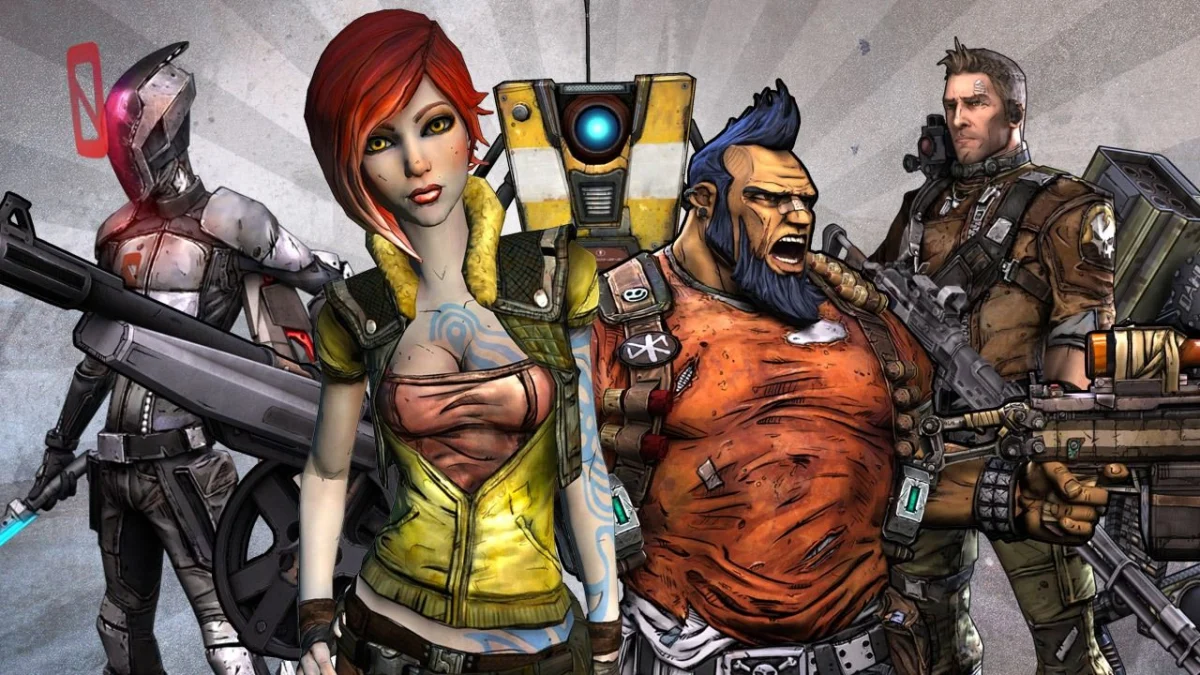
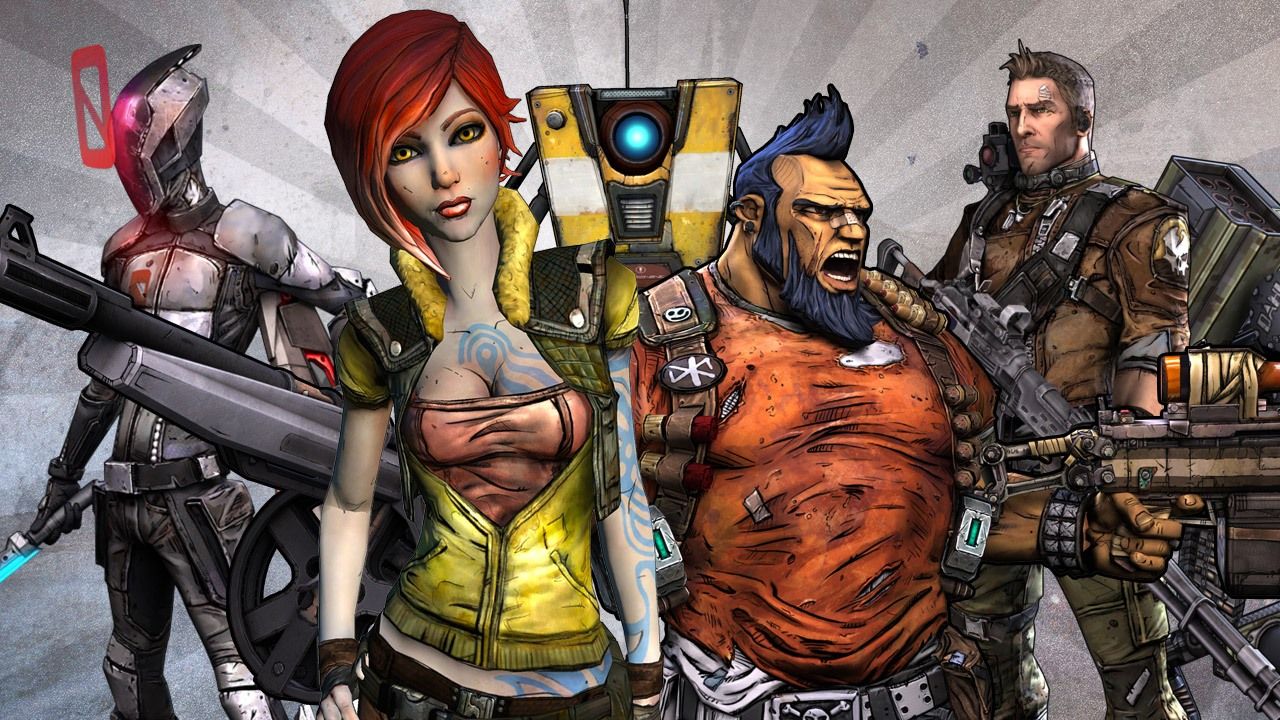
In the high-stakes world of video game development, the "sunk cost fallacy" is a pervasive trap. When a project is months from completion, millions of dollars deep into development, and already finalized for production, the industry standard is to ship it, polish it, and move on. However, in a rare moment of creative audacity that has since become industry legend, the original Borderlands defied this convention. At the eleventh hour, publisher Take-Two Interactive authorized a massive artistic overhaul, ditching a realistic, gritty aesthetic in favor of the iconic, comic-book-inspired cel-shaded style that would come to define the multi-billion-dollar franchise.
This decision, which delayed the game’s release by more than a year and incurred a staggering $50 million in additional costs, serves as a masterclass in risk management and long-term brand building.
The Genesis of the Gritty: A Different Vision
When Borderlands first emerged in 2007, it looked nothing like the vibrant, chaotic world fans know today. Early trailers and promotional screenshots showcased a drab, washed-out color palette—a visual language that was, at the time, the gold standard for Western shooters. Inspired by the muddy, desaturated aesthetic of titles like Gears of War and the post-apocalyptic motifs of Fallout, the initial build of Borderlands was a "brown shooter."
At the time, this was a calculated choice. The industry was obsessed with "realism" as defined by high-fidelity lighting and muted tones. However, as the project neared its scheduled release window, the development team and executives at Take-Two began to face a harsh realization: the game was functionally competent but lacked a visual identity. In a crowded marketplace, Borderlands was effectively invisible.
Chronology of a Crisis
The turning point arrived just two months before the game was slated to reach its gold master status. According to Take-Two CEO Strauss Zelnick, the atmosphere in the boardroom shifted when an executive—identifying the lack of market differentiation—entered his office with a blunt assessment: "We screwed up. The art style is not appropriate, and it’s not differentiated. We want to remake the game."
The request was essentially to strip the game of its existing skin and rebuild it from the ground up while maintaining the core gameplay loop. The timeline of this transition is as follows:
- 2007: Borderlands is unveiled with a realistic, gritty visual style, drawing comparisons to contemporary military shooters.
- Late 2007 – Early 2008: Internal testing and executive reviews lead to the conclusion that the game’s aesthetic fails to stand out in a saturated market.
- Mid-2008: The project effectively goes dark as the development team shifts gears to implement the new cel-shaded, comic-book-inspired look.
- 2009: The revamped Borderlands is re-announced to critical acclaim and curiosity, leading to its eventual launch that same year.
- Post-2009: The game exceeds sales expectations, proving the "looter-shooter" concept and spawning a franchise that includes multiple sequels, spin-offs, and a major motion picture adaptation.
The Cost of Creativity: Supporting Data
The financial implications of such a pivot are rarely seen in modern corporate gaming. Remaking a game’s art style isn’t as simple as applying a filter; it requires re-texturing thousands of assets, adjusting lighting engines, and ensuring that the new art style communicates gameplay information—such as enemy weak points or loot rarity—effectively.
Strauss Zelnick confirmed that the decision cost Take-Two $50 million. To put that in perspective, in 2008, $50 million was a massive budget for a single project. This expenditure, coupled with the opportunity cost of delaying the launch by over a year, meant that the game had to perform significantly better than its initial projections just to break even.
"I dug in and did my homework," Zelnick recalled in a recent interview with David Senra. "In the end, I supported the decision. And that title became Borderlands. Had we not done that, Borderlands wouldn’t have been a hit."
The Executive Perspective: Why No One Else Would Have Done It
The decision to pivot was not merely a financial one; it was an exercise in corporate courage. In the current AAA landscape, where public companies are beholden to quarterly earnings reports, the idea of throwing $50 million at a "finished" game to fix its vibe would likely result in an executive’s termination.
Zelnick acknowledges that the decision was, by traditional business metrics, "insane." He notes that in almost any other corporate structure, a standard executive would have prioritized the schedule. "The game is done, put out the game, move on to the next thing—I’m not spending $50 million bucks to remake the goddamn thing in another art style," Zelnick hypothesized, describing the typical reaction.
The risk was compounded by the fact that the new art style was not a guaranteed winner. Cel-shading was viewed as a niche aesthetic, often associated with smaller titles or anime-inspired games, not the next big-budget first-person shooter. By adopting it, Gearbox Software and Take-Two were essentially gambling that the unique visuals would be enough to draw players away from the hyper-realistic shooters dominating the console space.
Long-term Implications and Brand Identity
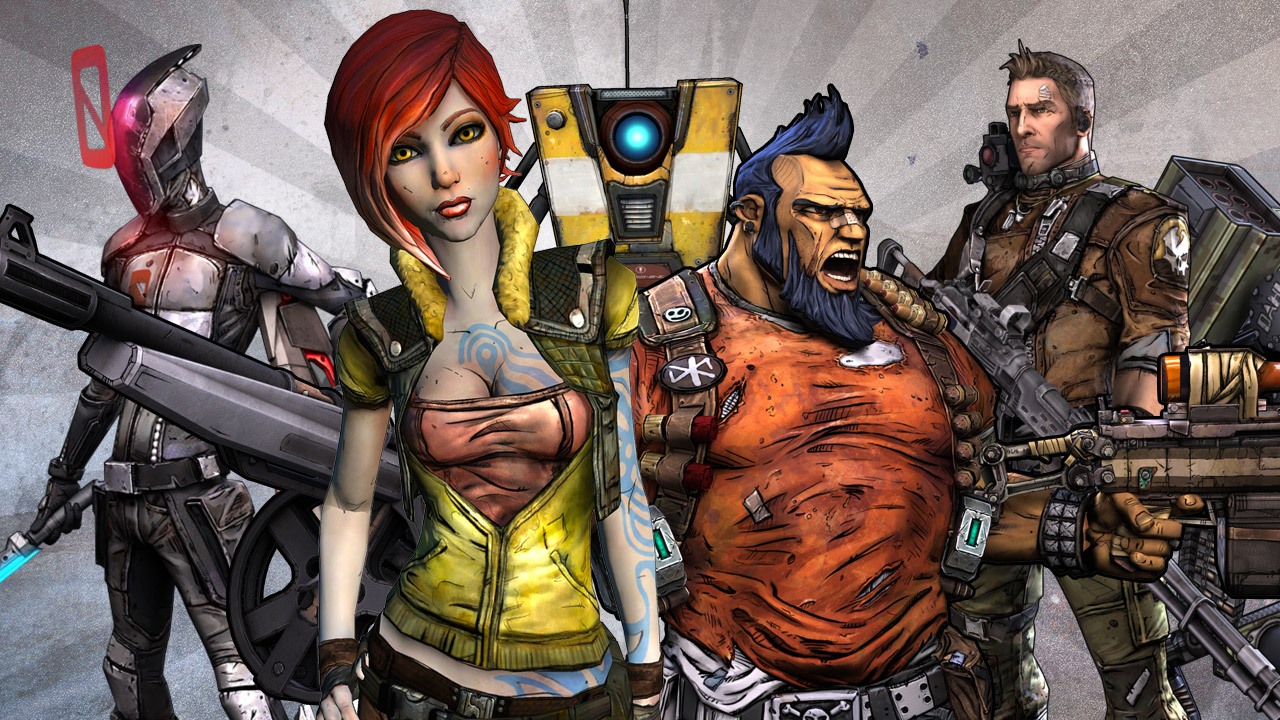
The success of the Borderlands gamble fundamentally changed the trajectory of Gearbox Software. The cel-shaded, "Texas-noir" aesthetic became a signature brand element that allowed the game to age gracefully. While other shooters from 2009 look dated due to their attempts at "realistic" graphics, the original Borderlands retains a distinct, stylized appearance that feels as fresh today as it did fifteen years ago.
Furthermore, the decision solidified the relationship between Take-Two and Gearbox. The creative freedom afforded to the developers during that pivotal year fostered a culture of experimentation that allowed for the over-the-top humor and character-driven design that fans now associate with the franchise.
Conclusion: A Lesson for the Industry
The $50 million spent on the Borderlands art-style pivot is arguably one of the most profitable investments in the history of interactive entertainment. It transformed a potential "also-ran" shooter into the progenitor of a genre.
While modern studios often face pressure to stick to a roadmap at all costs, the Borderlands case remains a poignant reminder that differentiation is the primary driver of success. In an industry where content is abundant and attention is scarce, the willingness to identify a fundamental flaw—even at the eleventh hour—and the courage to fund a radical solution, is the difference between a forgotten title and a cultural phenomenon. As Zelnick himself noted, it was a "nonobvious decision," and one that likely no other publisher in the business would have dared to make.











No comments yet. Be the first to join the conversation!